Interior House Painting Cost: A Practical Pricing Guide
Interior house painting cost ranges from $2–$5 per sq ft. Here’s what changes the price and how to budget.
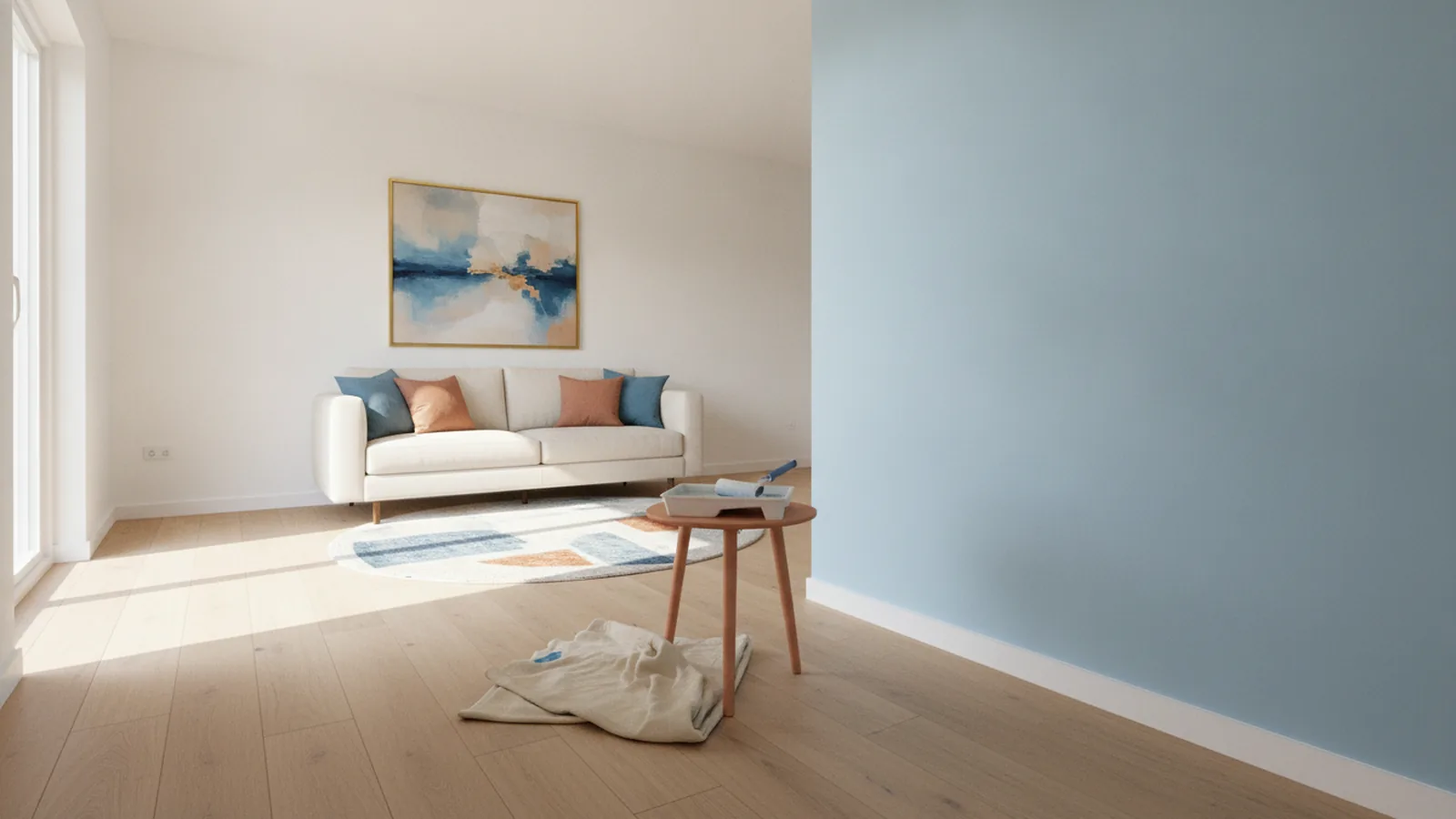
How much do interior house painters charge? Quick pricing answer
Most homeowners ask how much do interior house painters charge, and the answer is mainly driven by square footage, paint type, and prep work. As a rule of thumb, interior house painting cost lands around $2 to $5 per square foot for walls and ceilings.
For a typical 2,000-square-foot home, average cost to paint a home often falls between $4,000 and $10,000. That range can shift up or down based on surface prep, the number of rooms, and how detailed the finish needs to be.
When you’re budgeting, treat the first quote as a starting point. Ask for a breakdown of labor costs, materials, and what exactly is included, so your final total matches the scope you agreed on.
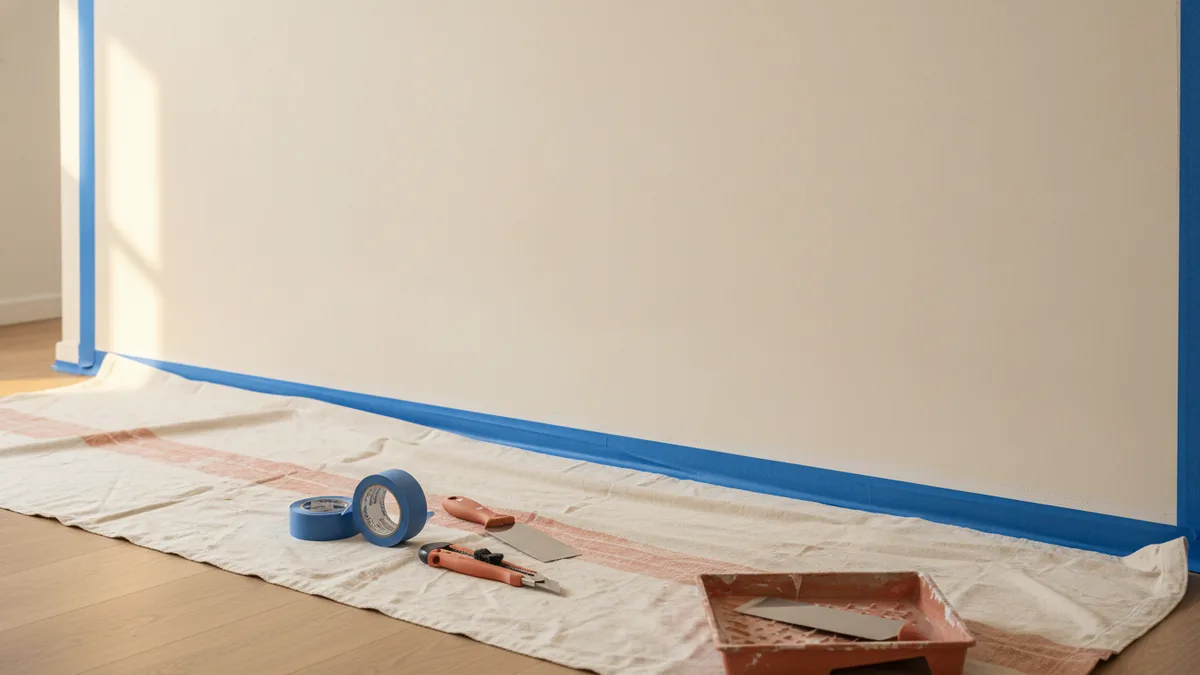
What drives interior painting costs up or down
Interior design considerations can raise costs even when the room sizes stay the same. More trim, custom color changes, and an “all surfaces” approach usually mean more time and more product.
Surface preparation is often the biggest swing factor. Patching cracks, sanding rough drywall, scraping peeling paint, and masking tight edges all add labor time before a brush touches the wall.
Labor intensity also changes by layout. Long hallways, many doorways, high ceilings, and lots of cutting around fixtures can increase chargeable hours because painters must work carefully.
- Square footage: More wall area and ceiling area typically means more paint and more labor.
- Surface prep needs: Repairs and sanding can add days, not just hours.
- Finish level: Smooth walls and crisp cut lines take extra work.
- Accessibility: Furniture volume and tight spaces slow crews down.
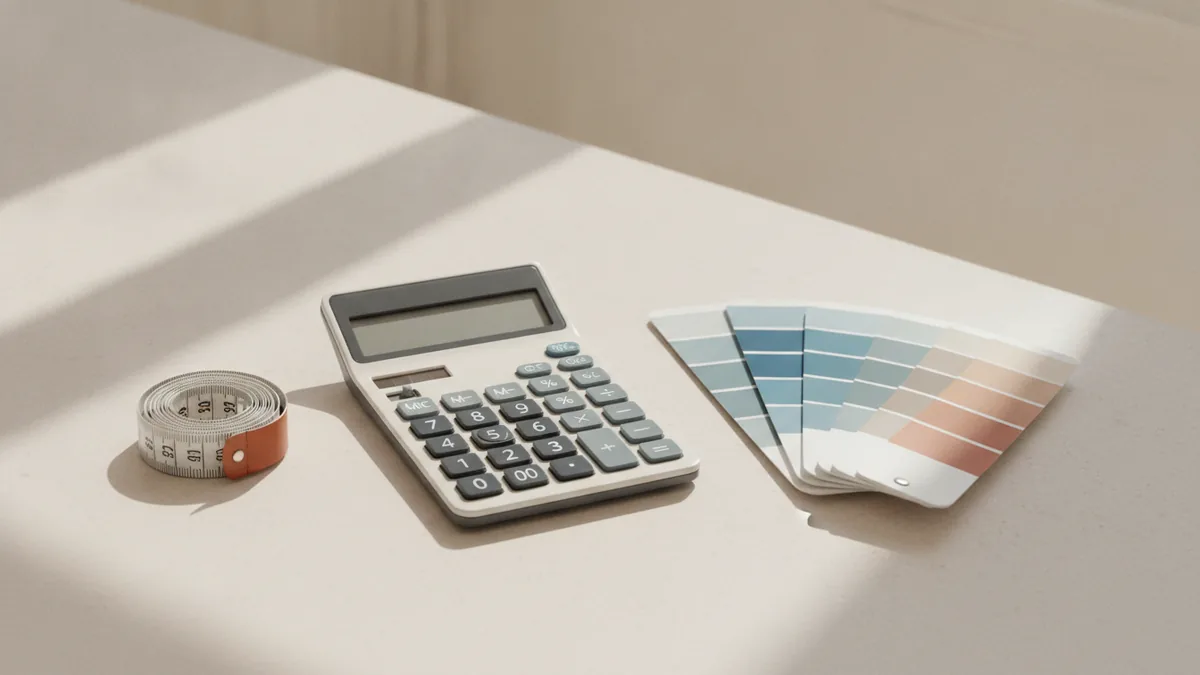
Average costs by square footage (what to expect)
Cost of painting interior walls is often estimated per square foot, then adjusted for prep and detail work. Most bids for walls and ceilings land in the $2 to $5 per square foot range.
Here’s a practical way to sanity-check an estimate. If your paintable area is roughly 2,000 square feet, you might see totals around $4,000 to $10,000 depending on prep needs and the number of coats.
Remember that “square footage” can mean different things in proposals. Some contractors calculate wall area differently than you would from floor area, so ask which number they used.
| Typical paintable area | Common price range | What this usually includes |
|---|---|---|
| 1,000 sq ft | $2,000–$5,000 | Walls and ceilings with standard prep |
| 1,500 sq ft | $3,000–$7,500 | More rooms or moderate trim work |
| 2,000 sq ft | $4,000–$10,000 | Walls, ceilings, plus common touch points |
| 2,500 sq ft | $5,000–$12,500 | Higher detail or heavier prep |
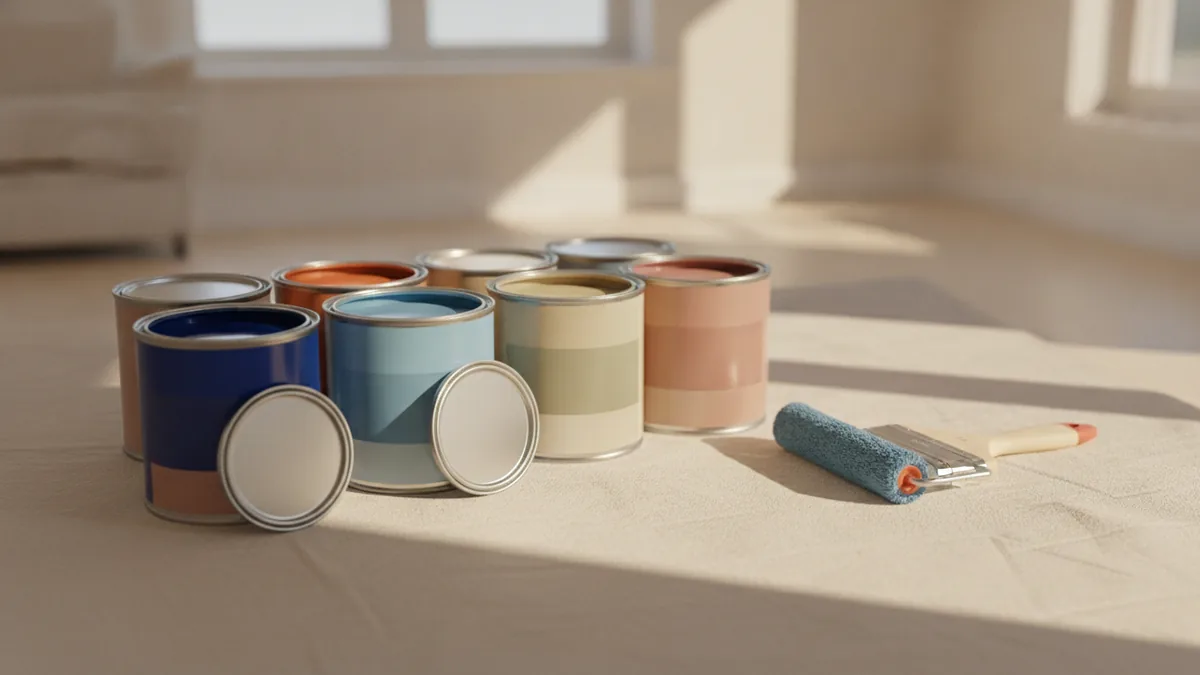
Cost differences by paint type and finish
Paint types matter because coverage, durability, and prep demands change. If walls are stained or scuffed, painters often choose stain-blocking primers or higher-build paint, which raises material costs.
Latex paint is common for interior walls, and it typically averages $15 to $30 per gallon. Specialty paints can cost more because they may be formulated for stain resistance, washability, or specific sheen levels.
Finish level also affects labor. Matte and flat finishes hide small flaws but may need careful application for even color. Glossy finishes look crisp but can show roller marks, so prep and technique must be tighter.
- Latex paint: Usually $15–$30 per gallon for many interior wall uses.
- Primers and stain blockers: Add cost, but can reduce rework.
- Specialty finishes: Can cost more for higher washability.
- Sheen choice: Impacts how much wall prep you need.
Pricing based on surface type and room scope
Not all surfaces cost the same, and this is a common source of confusion in interior house painting cost quotes. Walls and ceilings are usually priced together at the $2 to $5 per square foot range, while other areas get priced per piece or separately.
Kitchens and bathrooms can cost more because of grime, steam, and the need for better bonding paint. Cabinets are a good example: kitchen cabinets may run about $1 to $1.50 per square foot, depending on prep and whether hardware removal is included.
Doors also add detail work. Interior doors can cost roughly $50 to $100 each because painters must manage both faces, edges, and often hinges and knobs.
- Walls: Typically part of the per-square-foot interior pricing.
- Ceilings: Often bundled with walls, with added masking labor.
- Trim and doors: Usually priced separately per linear foot or per item.
- Cabinets: Often quoted by the project scope due to prep time.
Room-specific painting costs can also rise when the schedule needs to protect daily routines. If you want minimal disruption, you may pay for faster turnaround or more careful masking around appliances.
Other costs to watch for before you sign
Even when the base rate looks fair, extra line items can change the final number. Moving furniture, protecting floors, and cleaning up properly are common add-ons.
Surface preparation can also trigger additional charges. If your walls have water damage, peeling paint, or stubborn stains, prep steps like spot priming or deeper sanding increase labor time.
Cleanup is more than a “nice to have.” Quality contractors account for dust control, proper drying time, and disposal of materials, which can matter for bids on occupied homes.
- Furniture moving and protection: Added labor if you choose not to clear everything.
- Surface preparation: Repairs, patching, sanding, and priming.
- Specialty cleanup: Especially for kitchens, bathrooms, or heavy stains.
- Extra coats: Needed when coverage is weak or color changes are big.
Tips for reducing interior painting costs without lowering quality
First, get paint quantities right. When you buy in bulk, you often save money on gallons, and you also reduce the chance of running short mid-project. Ask the contractor for a paint estimate method, then confirm it matches the number of coats you expect.
Second, consider targeted touch-ups. If only a few rooms need repainting, splitting the work can lower cost because prep is usually the expensive part. This approach works well after small renovations or when scuffs are concentrated near high-traffic areas.
Third, do some prep yourself if you can. If you’re comfortable moving small items, clearing wall areas, and removing outlet covers, you can reduce labor time. Just be clear with your painter about what you handle so the bid stays accurate.
Finally, plan color changes. Large swings in paint color often require better priming or extra coats. Keeping a similar shade or using a consistent primer strategy can control materials costs and shorten the timeline.
- Buy paint in bulk: Lower material unit cost and fewer “run out” trips.
- Choose touch-ups: Repaint only the rooms or zones that truly need it.
- Handle light prep: Clear small areas and protect floors before crew arrives.
- Match primer strategy: Use the right primer for stains or major color shifts.
If you’re trying to budget for how much do interior house painters charge, focus on the scope details. A clear scope and good prep planning usually do more than shopping for the lowest hourly rate.
FAQ: interior house painting cost and tipping questions
What is the average cost to paint a home?
The average cost to paint a home often ranges from $4,000 to $10,000 for a typical 2,000-square-foot home. Rates usually reflect square footage plus prep and detail work.
How much does it cost to paint interior walls?
For walls and ceilings, cost of painting interior walls is commonly estimated at $2 to $5 per square foot. Your prep needs and number of coats can push the total higher.
How much do interior house painters charge per square foot?
Many bids land in the $2 to $5 per square foot range for walls and ceilings. Some contractors quote per room or per project, then adjust for prep and trim.
Do you tip interior house painters?
There is no universal tipping rule, but some homeowners tip painters for excellent service. If you choose to tip, it is usually done in cash on the final day.
How much to tip interior house painters?
A common approach is to tip based on the job size and team effort. For many homeowners, a modest per-person tip is more practical than trying to compute a perfect percentage.
Do you tip interior designers?
Some clients do tip designers for special help, but it depends on the contract and local norms. If your designer is paid through a formal fee, tipping is often unnecessary.
Frequently asked questions
- How much do interior house painters charge for walls and ceilings?
- Many bids price walls and ceilings at about $2 to $5 per square foot. Your total depends on prep work and how many coats are needed.
- What is the average cost to paint a home?
- For a typical 2,000-square-foot home, average cost to paint a home often lands between $4,000 and $10,000. Quotes change with surface prep and trim scope.
- Do I tip interior house painters, and how much to tip?
- Some homeowners tip for great service, usually on the last day. The amount varies by job size and effort, so keep it modest and consistent with local norms.
- How much to tip interior designers?
- Tipping is not always expected when a designer is paid a formal fee. If you do tip, base it on extra help that went beyond the contract.
- How much does it cost to paint interior walls?
- Cost of painting interior walls is commonly estimated per square foot for walls and ceilings. Many projects fall between $2 and $5 per square foot.
Related reading
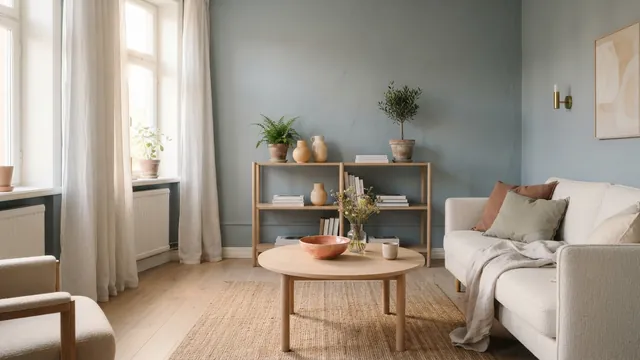
Curtains for a Blue Room — Color, Texture and Scale
Pair blue walls with curtains that suit your light, style, and room size.
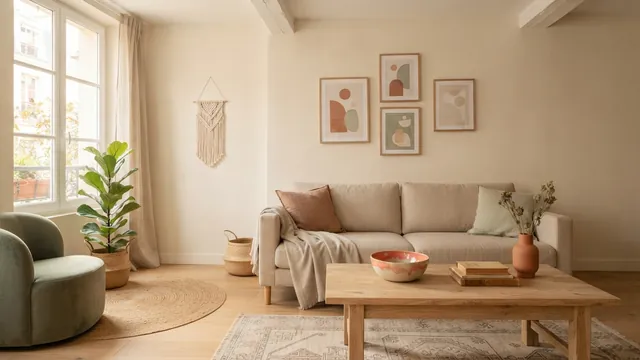
Furnishing a New House — Spend Wisely, Settle In
Plan your budget, buy the essentials first, and make each room feel like home.
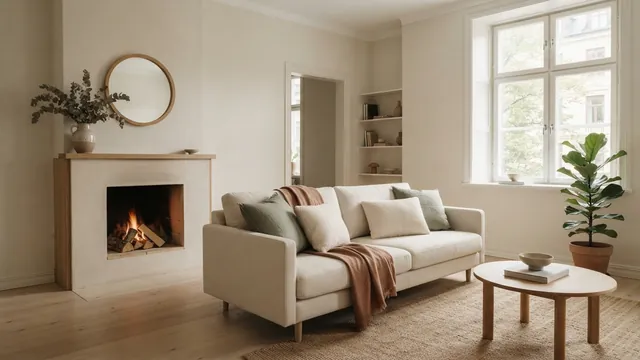
Couch Placement — Comfort, Flow, and Style
Arrange couches for easy movement, good conversation, and a balanced room.