Kitchen Colours — Walls, Cupboards and Accents
Find kitchen colours that work with your light, cupboards, counters and style.
How Kitchen Colour Shapes the Room
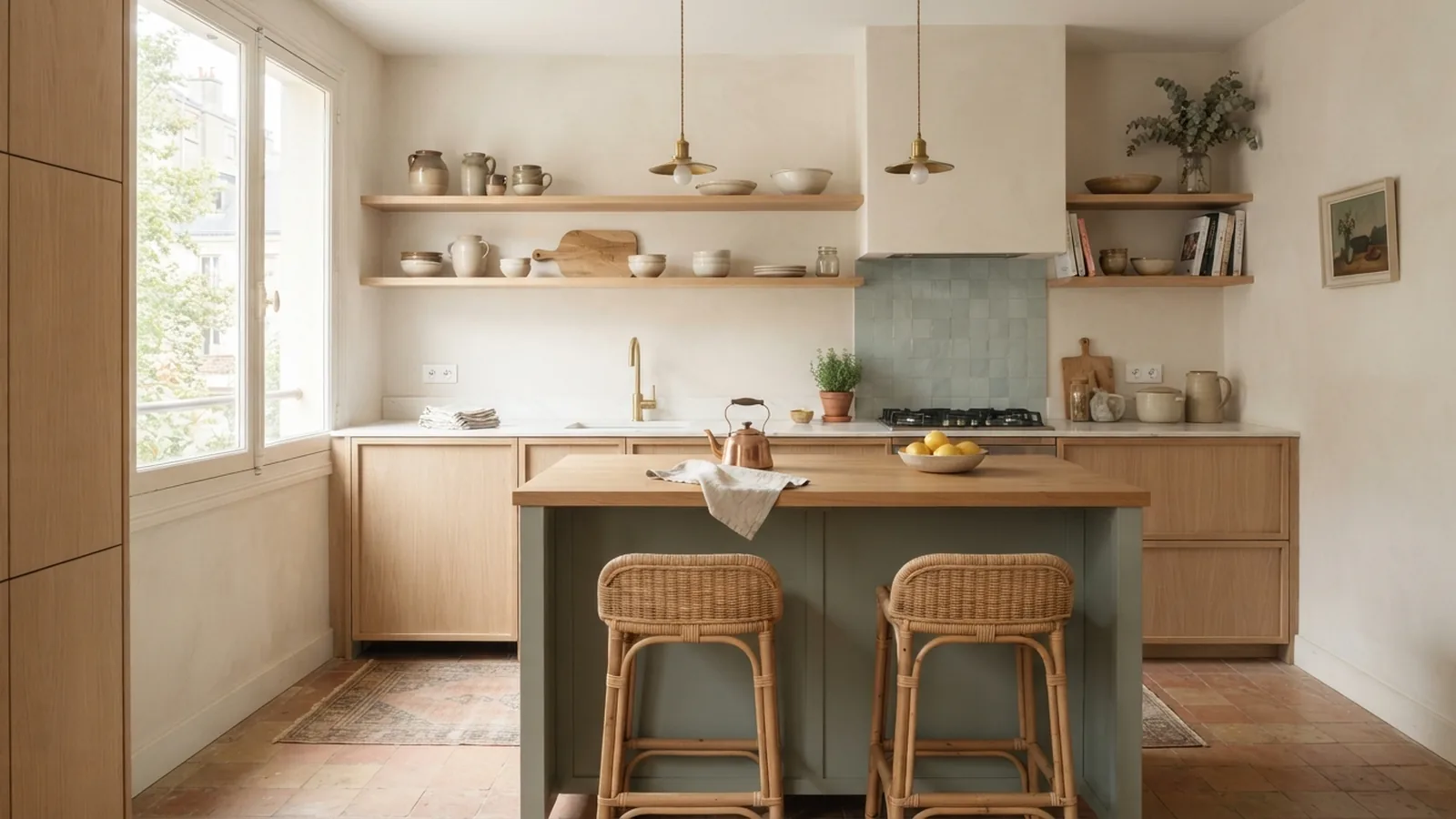
Colour affects how a kitchen feels as well as how it looks. Warm whites and soft beige can make it feel welcoming. Sage and muted green bring a fresh note. Deep green and charcoal add weight and contrast.
If you ask, “What colour should I paint my kitchen?”, start with the mood you want. Then look at the light and finishes that will stay. A shade that feels soft in strong sun may look dull in a dim room. Paint can shift through the day.
Kitchen colour psychology is a useful starting point, not a set of rules. Floors, counters, tiles, and cabinet finishes all change how a wall shade looks. Check samples in morning light and again at night. Large samples tell you more than small chips.
- Choose the mood before you settle on a shade.
- Check paint beside the finishes that will stay.
- View large samples in daylight and lamplight.
Best Colours for Kitchen Walls
Warm white suits pale oak, stone counters, and both light and dark cabinets. Cream and soft beige bring extra warmth. They can work well in a north-facing kitchen with little direct sun. Compare whites with your fixed finishes before you choose.
For more colour, try pale sage, dusty green, or muted blue-green. These shades pair well with cream cabinets, natural wood, and brushed metal. Soft taupe can link a warm floor with cooler stone. If your tiles have a bold pattern, choose a quieter wall shade.
When you wonder, “What colour to paint my kitchen?”, look at the whole palette. Warm white walls can sit well beside sage lower cabinets and pale oak shelves. Deep green cupboards often look softer beside cream than stark white. Shared warm or cool tones help the room feel joined up.
Use sample boards rather than relying on a small paint chip. Move each board near windows, cabinets, counters, and tiles. A colour visualizer can help narrow your choices. Still, check a real sample before buying paint. Screens can show shades differently.
Choosing Kitchen Cabinet Colours
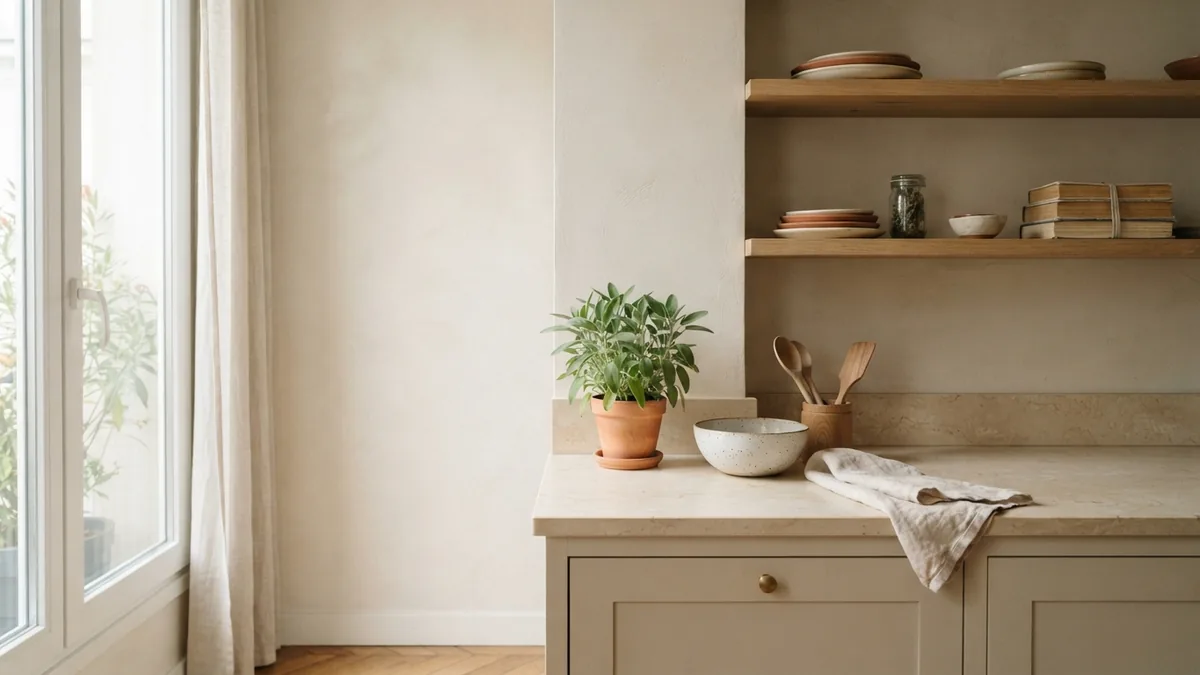
Cabinets cover a large area, so their colour has a strong effect. If you ask, “What colour should I paint my kitchen cabinets?”, start with the surfaces you plan to keep. Warm white, pale greige, and muted sage suit many floors and counters. These shades also leave room to change small accents later.
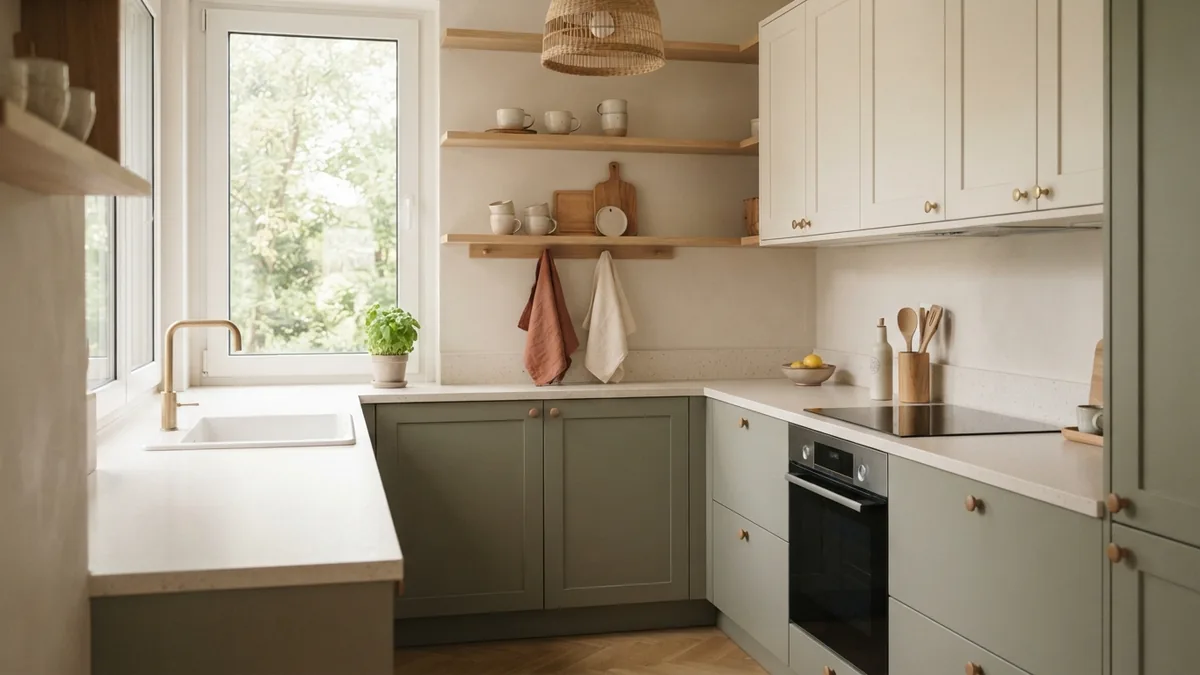
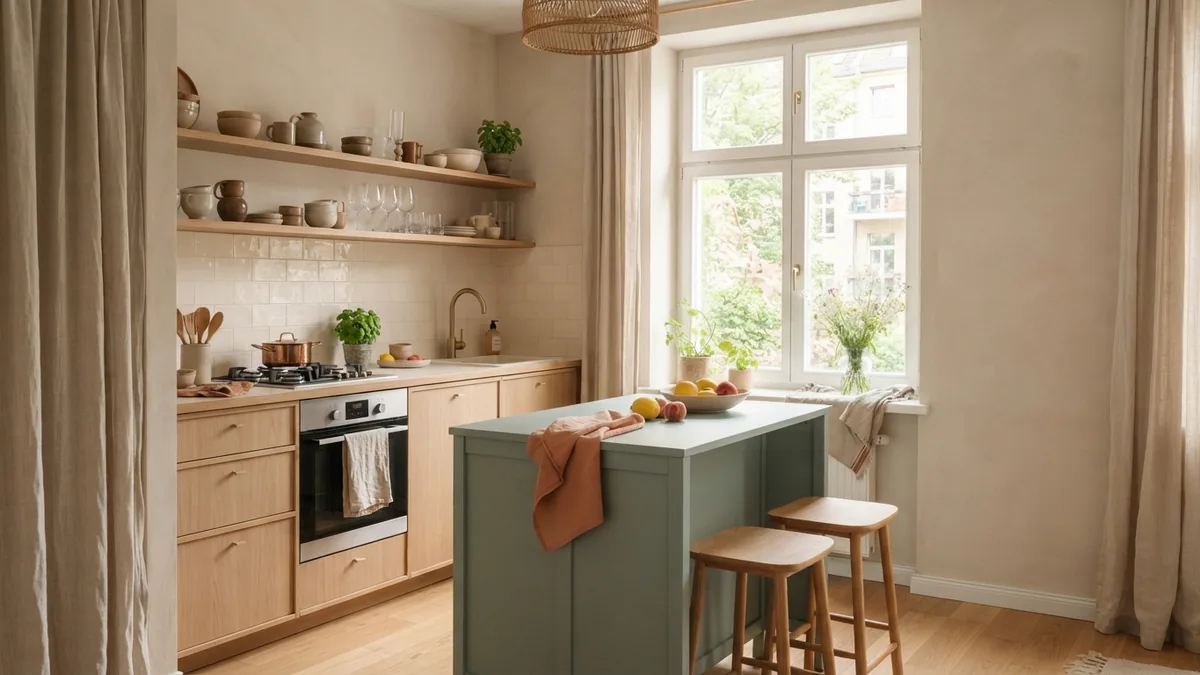
For painted cupboards, compare each option with your floor, counter, and wall colour. If you ask, “What colour should I paint my kitchen cupboards?”, consider both the full palette and the finish. Cream upper cupboards with sage lower cupboards create a soft contrast. A muted terracotta island adds a bolder note while the main cabinets stay pale.
Dark green and charcoal can make a kitchen feel grounded. Pair them with pale counters, warm wood, or light walls for clear contrast. In a dim room, use a deep shade on an island or one short run of cabinets. This adds depth without darkening the whole space.
Painted cabinets need careful prep for a smooth finish. Clean off grease, sand glossy spots, and use a primer suited to the surface. Follow the paint maker’s dry and cure times. Take cabinet doors off before painting, if you can, so you can reach the edges.
Accent Colours for Kitchens
Accent colours bring character without the work of painting every wall or cabinet. Add muted terracotta with pottery, a runner, or a planter. Soft coral can warm a cream kitchen, while sage can link white cabinets with wood details. Repeat one accent in a few places to make it feel planned.
Small items make it easy to test a new colour. Try a tea towel, seat cushion, or window shade before you paint. If you tire of the shade, these pieces are easy to change. Keep busy patterns to a minimum when your floor or backsplash already draws the eye.
Metal finishes also shape the palette. Brushed brass adds warmth, while brushed steel gives a cooler feel. Choose finishes that suit your cabinets and appliances. They do not all need to match. A small, planned mix can help the room feel settled.
Colour Choices for Small or Dim Kitchens
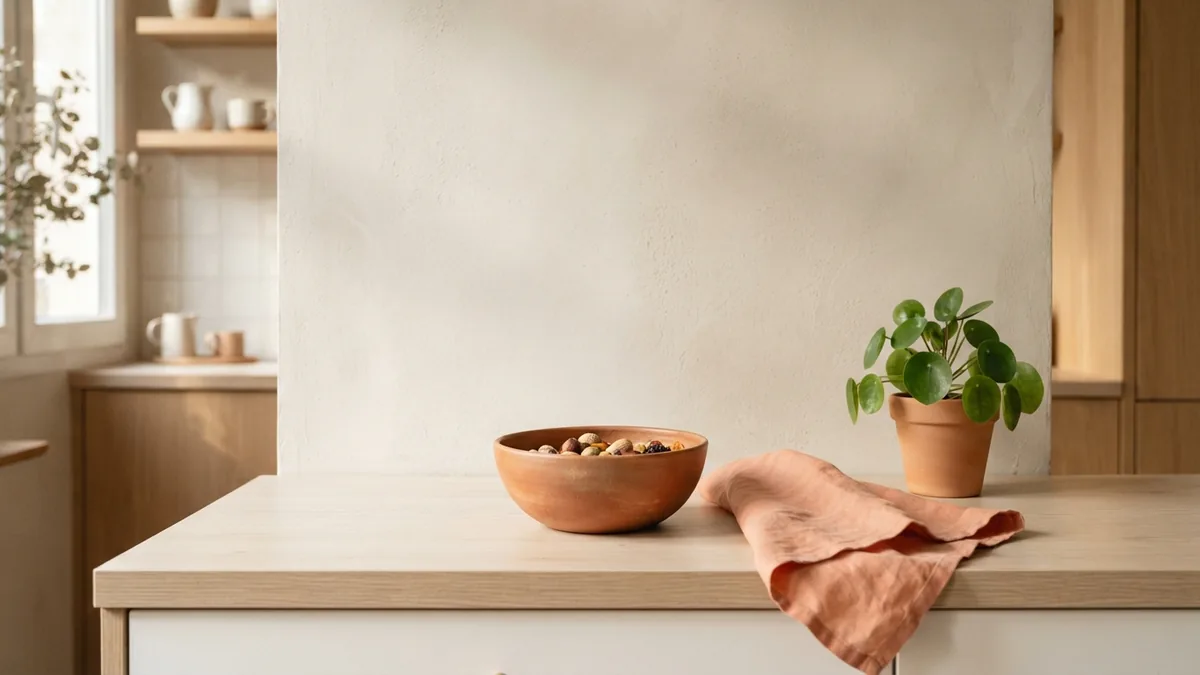
Pale walls can help a small kitchen feel brighter. Warm white, pale beige, and light green reflect more light than deep shades. Still, you do not need to paint every surface white. A coloured island or lower cabinet run can add depth while the rest stays light.
Room size is only part of the choice. A small kitchen with a large window may suit a deeper shade better than a large room with little daylight. In a dim space, test warm tones beside your fixed finishes. Some cool greys can feel flat when the room gets little sun.
Think about contrast as well as brightness. Pale walls beside pale cabinets can feel calm, but the room may lack shape. Add contrast with a darker island, wood shelves, or a soft accent colour. Keep the strongest shade to one or two areas.
Kitchen Colour Trends and Lasting Choices
Kitchen colour preferences in 2024 leaned toward nature-based shades. Soft greens, warm neutrals, and muted earthy tones appeared across many kitchen palettes. These colours work well with pale wood and natural-looking stone. They also feel less stark than cool grey or bright white.
Trends can offer ideas, but your room should guide the final choice. A popular shade may not suit your light, floor, or counters. Start with the finishes that are costly to change. Then choose wall and cupboard colours that bring them together.
Ask, “What colour shall I paint my kitchen?” and test a short list in the room itself. View each sample beside the cabinets at different times of day. Check how it looks with your lights switched on. The best choice is the one that feels right with the finishes you plan to keep.
- Use fixed finishes to guide your colour palette.
- Test large samples in both daylight and lamplight.
- Balance pale walls with a few clear accents.
Frequently asked questions
- What colour should I paint my kitchen?
- Start with the finishes you plan to keep and the mood you want. Warm white, soft beige, and sage suit many kitchens, but test samples in your own light.
- What colour should I paint my kitchen cupboards?
- Cream, pale greige, and muted sage work with many floors and counters. Compare samples with your walls and fixed finishes before you decide.
- What colour should I paint my kitchen walls with cream cabinets?
- Warm white, pale sage, and soft beige can all work with cream cabinets. Use a sample board to check how each shade looks beside your counter and floor.
- How do I choose a colour for a small kitchen?
- Pale walls can help a small kitchen feel bright, while a darker island adds depth. Let the amount of daylight guide how much contrast you use.
- How should I test kitchen paint colours?
- Paint large sample boards and move them beside cabinets, counters, and tiles. Check them in daylight and with your kitchen lights on.
Related reading
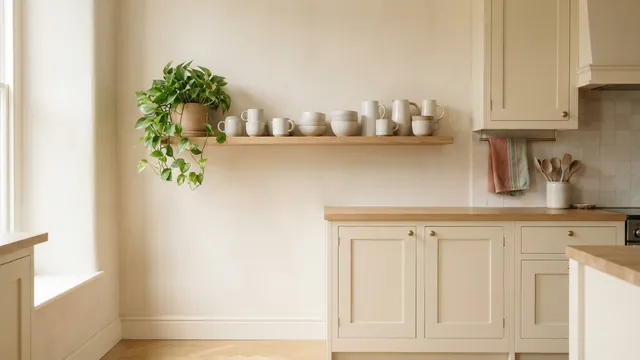
Kitchen Cabinet Tops — Style, Texture and Seasonal Charm
Style cabinet tops with balanced layers, useful texture, and decor that suits your kitchen.
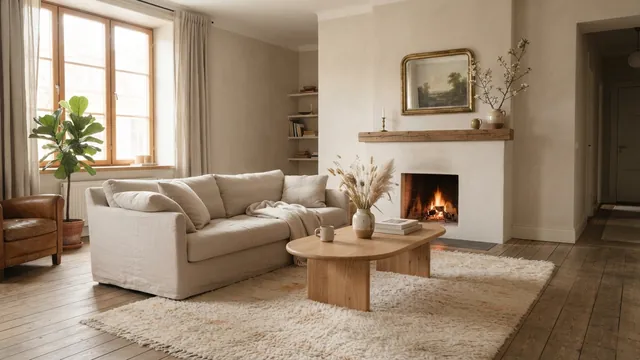
Couch Placement—Flow, Focus and Comfort
Place your couch to frame a focal point, keep paths clear, and make the room feel balanced.
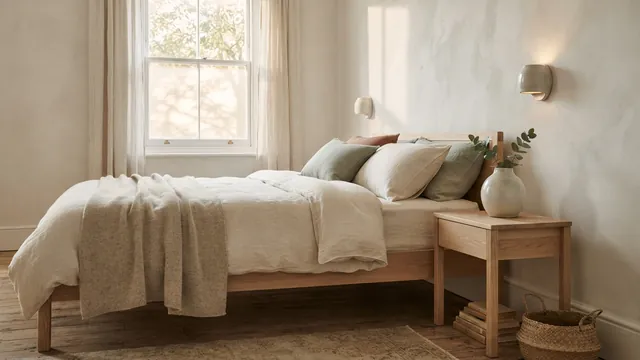
Master Bedroom — Color, Comfort and Personal Style
Build a calm, personal bedroom with smart choices and a budget that works.