High Ledges — Display Ideas for Living Rooms and Bedrooms
Style a high ledge with well-scaled decor, calm colors, and safe placement.
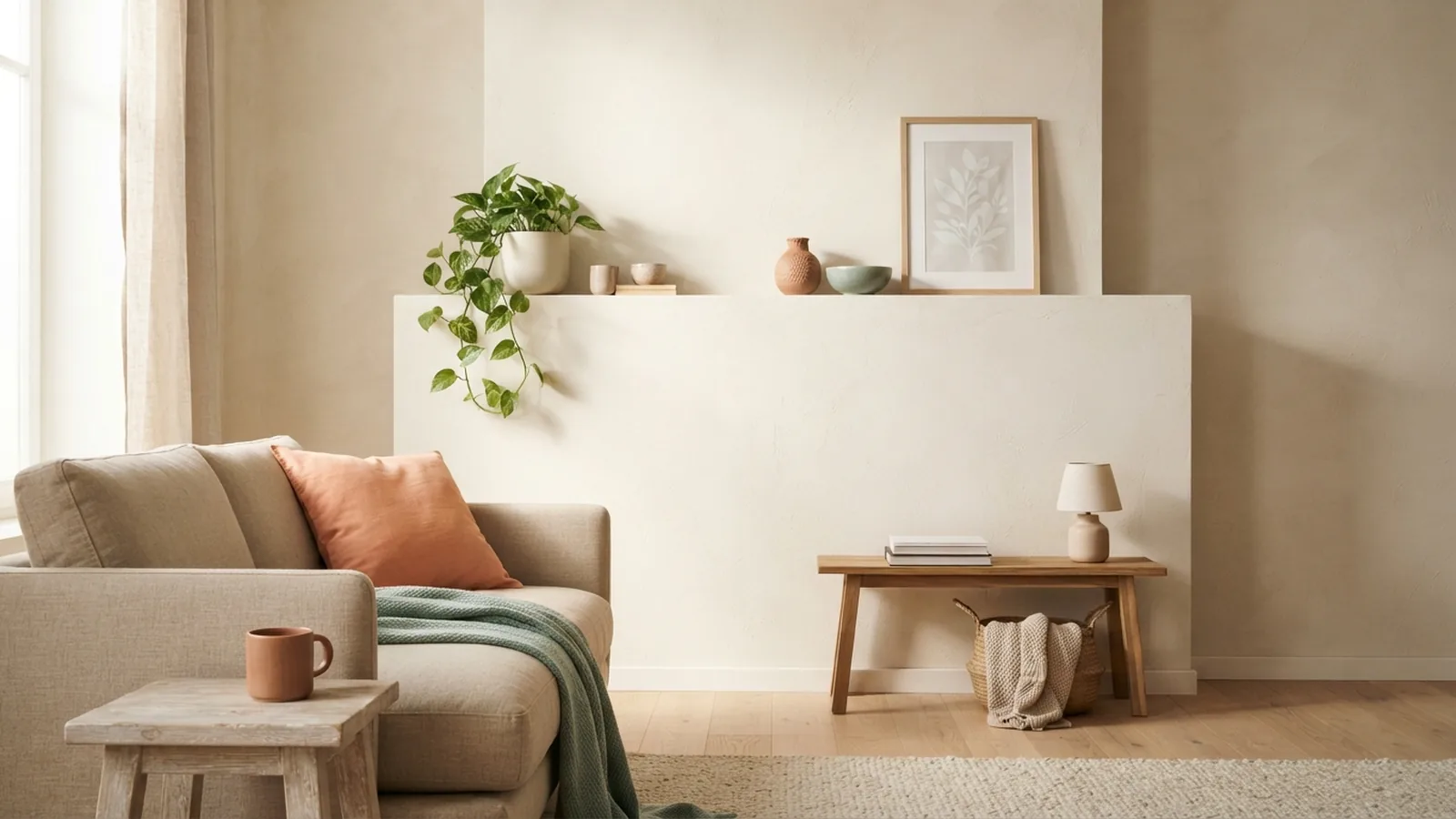
What a High Ledge Adds to a Room
A high ledge is a narrow shelf or built-in surface set above eye level. It often runs along a living room wall, sits above a doorway, or marks a change in ceiling height. In bedrooms, it may sit over a headboard or span a wall near the ceiling. These ledges make use of vertical space that would otherwise stay bare.
To decorate a high ledge in a living room, start by deciding what role it should play. A few objects can draw the eye upward and make the room feel taller. A row of useful baskets can add storage, while a small art display can give a plain wall more character. Keep the ledge's depth and your access to it in mind before choosing anything.
High shelves are best viewed from below, not at arm's length. That changes how objects look and how safely you can reach them. Choose pieces with clear shapes and enough size to read from across the room. Small trinkets often disappear from view.
Make the Ledge Useful, Not Just Decorative
A high ledge can serve as a display area, light storage, or a place to mark a room's style. In a living room, it can hold a few framed prints, sturdy pottery, or baskets for spare throws. In a bedroom, it may display a small set of keepsakes or hold soft, rarely used items. Keep anything you need each day at hand height instead.
Storage works best when it is light and contained. Woven baskets or fabric boxes can hold spare pillowcases, small linens, or seasonal decor. Before placing them overhead, check their filled weight and make sure the ledge can bear it. Avoid storing glass, heavy books, or items that could hurt someone if they fall.
For a display, group objects in small clusters rather than filling every inch. A useful starting point is three to five pieces across a short ledge. Leave open space between groups so the wall does not feel crowded. The result should look planned from the sofa or bed.
- Use a basket for light, seldom-used linens.
- Display a few framed prints or small art pieces.
- Keep daily-use items and breakable objects elsewhere.
- Leave clear space around each group of decor.
Check the ledge's depth before you buy storage pieces. A box that fits on the surface may still stick out too far. Measure the depth and leave a small margin at the front edge. This helps lower the risk of bumps and falls.
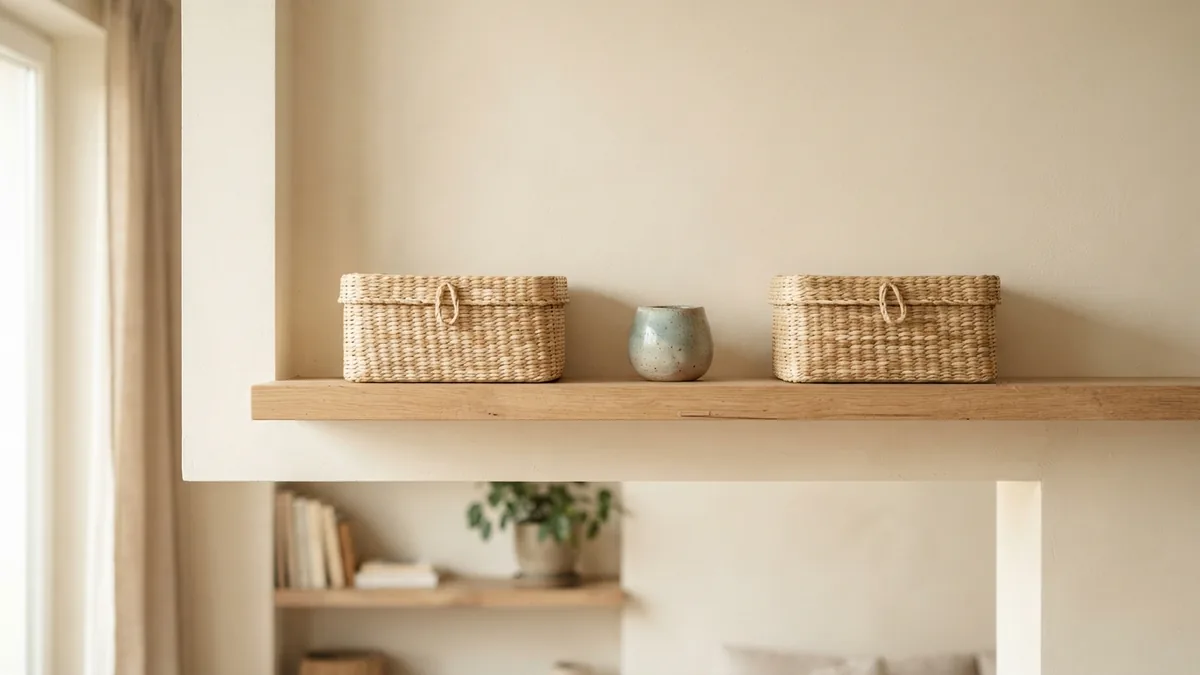
Decor Ideas for Living Rooms and Bedrooms
Plants can soften a high ledge and bring a natural touch to a plain wall. Choose a hardy plant that suits the room's light and needs little care. Trailing varieties can work well, but keep their stems clear of lamps, doorways, and walk paths. Use a stable pot with a saucer to catch water.
Art is another strong choice for a high ledge. Lean a larger frame against the wall, then add one or two low objects beside it. Check that the frame rests firmly and cannot slide forward. If the ledge is narrow or above a bed, secure the art with a suitable fixing instead of relying on a loose lean.
For a living room, try a mix of a framed print, a ceramic vase, and a low box in related colors. For a bedroom, choose a calmer group, such as a small plant, a framed piece, and a fabric-covered box. These ideas suit both a long built-in shelf and a short ledge over a doorway. They also make it easier to decorate a ledge in a bedroom without adding clutter near the bed.
Seasonal changes can keep the display fresh without a full restyle. Swap a plant pot, vase, or textile box as the seasons shift. Keep the main pieces in place, then change just one or two accents. That gives the ledge a new feel with little effort.
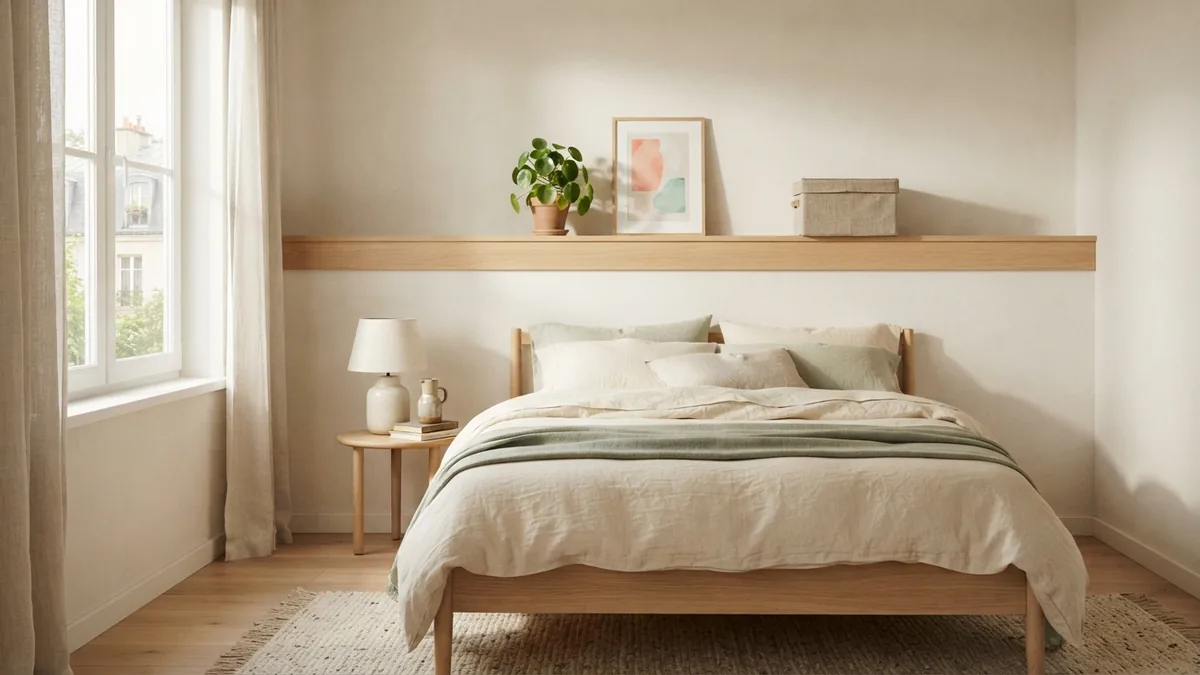
Choose Items That Suit the Scale
High ledges need objects that show up from a distance. As a starting point, place taller pieces near the ends or within a group, then use lower objects to fill the middle. On a short ledge, one larger piece and one small accent may be enough. On a longer shelf, repeat a few shapes to create a steady rhythm.
Mix height, shape, and texture, but keep the number of objects modest. A tall vase can sit beside a low bowl, while a small box adds a different form. Avoid a long row of objects with the same height. It can look flat from below.
Think about what happens if something shifts. Avoid top-heavy vases, loose stacks, and pots that tip easily. Pick pieces with broad bases and flat bottoms. For overhead decor, light items are usually the safer choice.
- Measure the ledge's length, depth, and height above the floor.
- Choose one main piece that suits the ledge's size.
- Add two or three lighter items with varied shapes.
- Stand across the room and check the view before adding more.
Use this simple test before you settle on a layout: take a photo from the main seat or bed. The camera shows whether the display feels balanced from the usual viewing angle. It can also reveal gaps or items that blend into the wall. Adjust the grouping before you lift everything into place.
Use Color and Material to Tie the Room Together
A high ledge can help link wall color, furniture, and soft furnishings. Repeat one or two colors already found in the room, such as pale oak, sage, or warm cream. A small accent in terracotta or soft coral can add contrast without taking over. Keep the palette simple so the display feels calm.
Materials matter as much as color. Matte ceramics, natural wood, linen, and woven fibers suit relaxed rooms and add gentle texture. A brushed metal detail can work if it echoes a lamp or cabinet fitting nearby. Too many shiny surfaces may draw more attention than the display needs.
Consider the wall behind the ledge, too. Pale objects may vanish against a cream wall, so add contrast through shape or texture. Darker decor can stand out, but use it in small amounts if the room has a soft, airy feel. The aim is to connect the display to the room, not make it compete with the furniture.
In a bedroom, keep color choices restful and close to those in the bedding or curtains. In a living room, the ledge can repeat a color found in a rug or cushion. This small link helps the room feel put together. It also gives the display a clear place in the overall scheme.
Place and Maintain Decor Safely
Before styling, check that the ledge is firmly fixed and in good repair. Do not assume a built-in shelf can hold any amount of weight. If you are unsure about its support, ask a qualified tradesperson to check it. Keep heavy or fragile objects off ledges above beds, sofas, or walkways.
Use a stable step ladder and ask another adult to steady it when you place or remove items. Keep one hand free when carrying objects, and move pieces one at a time. Do not stand on a chair, bed, or table to reach the ledge. If the shelf is too high to reach safely, get help.
Dust the ledge as part of a regular room clean, and lift items down rather than stretching or leaning over furniture. Check plant saucers for water and look for marks on the wall or shelf. Once or twice a year, remove the display and check the ledge for loose fittings or wear. A quick check can catch small problems early.
When you want a new look, clear the surface first. Clean it, then return only the pieces that still suit the room. Try a new layout on the floor before lifting items back up. This makes it easier to decorate a ledge in a living room or bedroom without needless lifting.
Frequently asked questions
- What should I put on a high ledge in a living room?
- Try a few framed prints, matte ceramics, a small plant, or light storage boxes. Choose stable pieces that look clear from across the room.
- How do I decorate a ledge in a bedroom?
- Use a calm mix of a small plant, one framed piece, and a light fabric box. Keep heavy or breakable items away from the area above the bed.
- How many items should go on a high ledge?
- Start with three to five items on a short ledge, then check the view from the main seat or bed. A small ledge may need only two well-chosen pieces.
- Are plants safe to put on a high ledge?
- They can be, if the pot is stable and the ledge gets suitable light. Use a saucer, check for drips, and keep trailing leaves clear of walkways.
- How can I make a high ledge look less cluttered?
- Group pieces by shape or color, then leave open space between groups. Remove small objects that cannot be seen clearly from below.
- How do I place decor on a ledge safely?
- Check the ledge and its fixings before adding decor. Use a stable step ladder, move one item at a time, and ask for help if you cannot reach safely.
Related reading
Dining Table Finishing — Paint, Stain and Protection
Strip, refinish and seal your dining table for a fresh look that lasts.
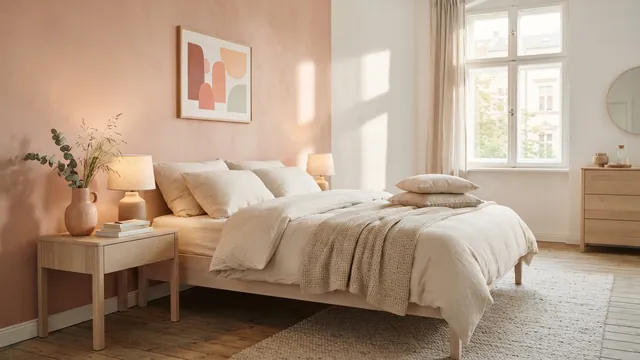
Decorating a Pink Room — Color, Texture and Warmth
Use balanced color, layered textures, and warm light to make a pink room feel personal.
Interior Design Degrees — Careers and Study Paths
Explore interior design careers, study options, and routes into the field.