How to Make a Room Feel Cozy: Easy Strategies That Work
Make any space feel warm and inviting with light, texture, color, and smart layout.
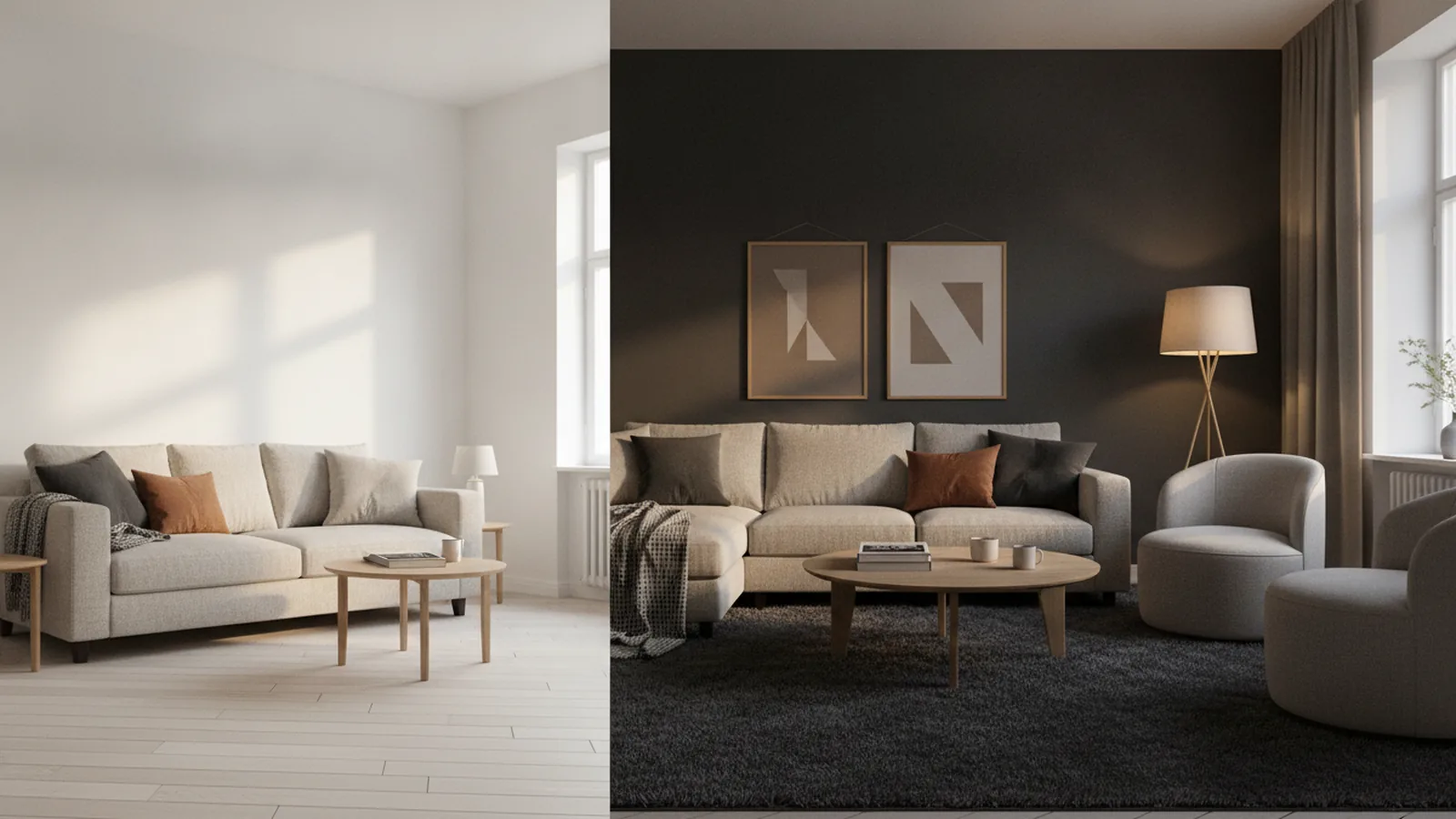
Understanding what “cozy” really means
If you want to know how to make a room feel cozy, start with the basics: comfort, softness, and calm. Coziness is not only about decor. It is also about how light lands on surfaces, how textures contrast, and how your space supports relaxing moments.
Coziness is influenced by color, texture, lighting, and arrangement. Color sets the emotional tone. Texture adds physical “signals” of comfort. Lighting controls mood, and layout affects how easy it is to talk, move, and unwind.
When people ask how to make a room feel warm and cozy, they usually mean they want fewer harsh edges and less visual glare. They also want seating that invites staying longer. You can get there with a few changes that work together.
- Color guides the mood you feel in a room
- Texture makes surfaces feel more inviting
- Lighting softens contrast and reduces glare
- Arrangement supports conversation and rest
Color schemes for warmth without making things heavy
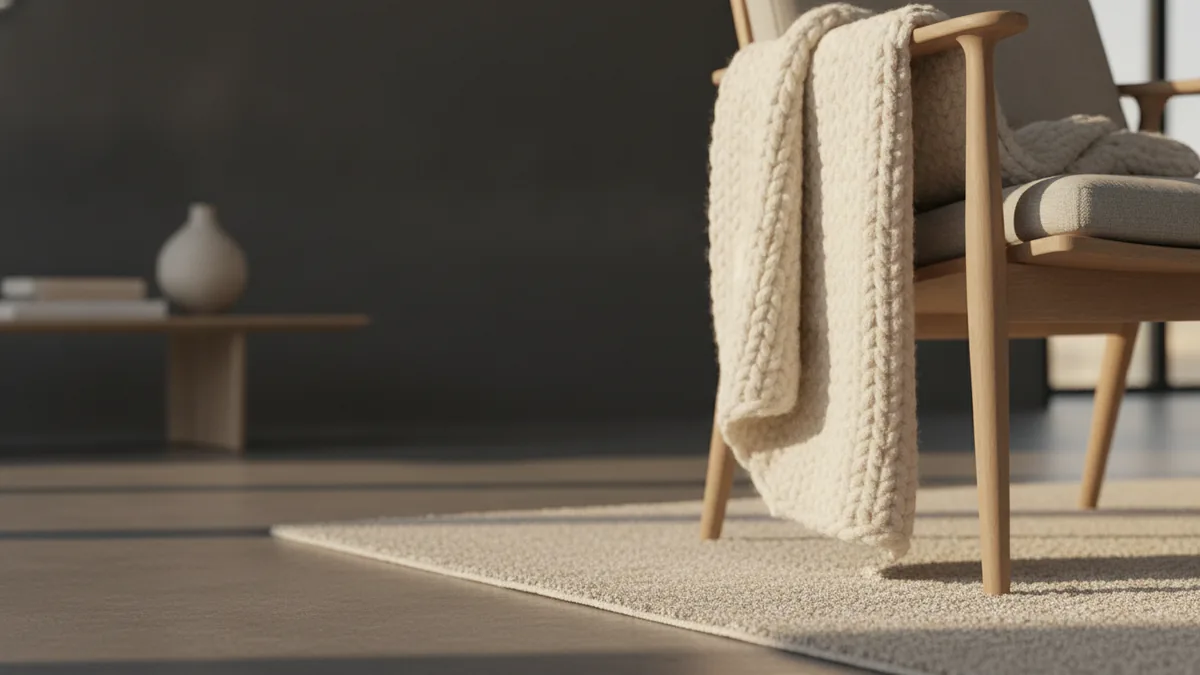
Warm colors create an inviting environment. If you are figuring out how to make room feel cozy, choose tones that read as friendly and grounded. Think soft neutrals, warm whites, sandy beige, clay, terracotta, and muted earthy greens or browns.
Use color psychology to guide the balance between calm and energy. Warm hues tend to feel welcoming, while very cool tones can feel crisp or distant. You do not need a full repaint to get the effect. Try warming up the space with paint samples, curtains, rugs, and larger accessories first.
For a simple rule, keep your walls and big pieces in softer neutrals. Then add warmth through decorative accents. A small pop of deeper brown, olive, or rust in a cushion or art print adds depth without making the room feel crowded.
| Color role | Cozy examples | How to use it |
|---|---|---|
| Base | Warm white, cream, oatmeal | Walls, large curtains, bedding |
| Mid-tone | Sand, taupe, clay | Rug, sofa, chair upholstery |
| Accent | Rust, olive, deep brown | Throw, lampshade, framed art |
Textiles and soft furnishings that change the feel fast
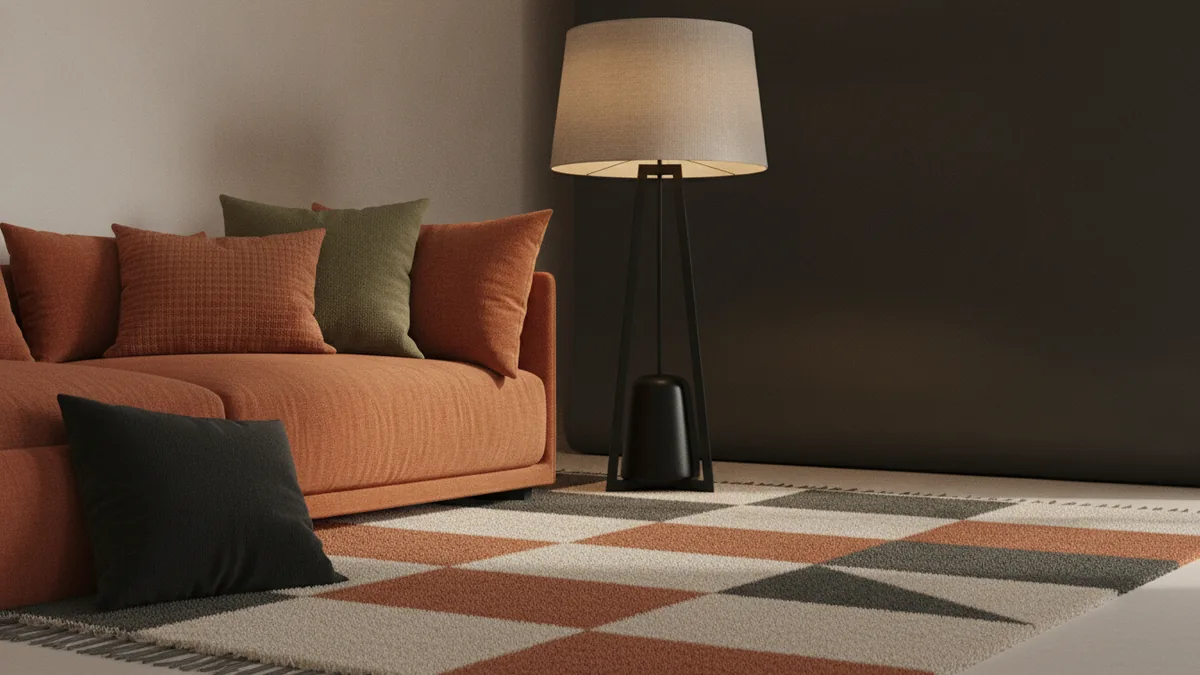
Soft textiles like blankets and cushions enhance comfort and warmth. When you are learning how to make my room feel cozy, focus on adding fabric where your body naturally rests. That means seating, the edge of beds, and the spaces where you sit to read.
Mix materials for textural contrast. Combine smooth knits with woven baskets, plush with matte, and light fabrics with heavier ones. This layering helps your eye and your hands “feel” comfort, even before you notice the decor.
Start with the highest impact items. A larger rug can reduce the feeling of emptiness, and curtains can soften the room’s geometry. Then add smaller details like a knitted throw, extra cushions, and even a textured footstool.
- Add a layered rug. Choose a warm under-tone and enough size to anchor furniture.
- Upgrade window softness. Use heavier curtains or lined sheers for a warmer look.
- Create a cushion zone. Aim for a mix of sizes so it looks lived-in, not cluttered.
- Include a throw blanket. Drape it where you reach for it often.
Do not forget surfaces that your feet and hands meet. A rug pad adds comfort underfoot, and a fabric ottoman makes a room feel more inviting in seconds.
Lighting for a cozy atmosphere, not a bright showroom
Lighting plays a key role in how a space feels. If you want how to make a room feel cozy, replace harsh overhead light with warm, layered ambient lighting. Your goal is a soft glow, not strong pools of brightness.
Use warm LEDs and dimmable lamps for a gentler mood. A color temperature around 2700K to 3000K typically reads warm. Dimmers help you shift the room from active evenings to relaxed night mode.
Place light at different heights. Floor lamps and table lamps create shadows that feel natural. Wall sconces can add glow without taking up space, which is helpful if you are trying how to make your room feel smaller.
- Warm bulbs for comfort and less glare
- Dimmable lamps for mood control
- Multiple light sources to avoid hard shadows
- Light near seating so it feels like a zone
To build a cozy focal point in rooms, try one statement light near a reading chair or sofa corner. Keep the rest of the room dimmer so the focus feels intentional.
Furniture arrangement tips for conversation and calm
Furniture arrangement affects comfort more than many people expect. If you are exploring how to make a large room feel cozy, layout is often the fastest fix. Large spaces can feel cold when furniture floats too far apart or when the room has no clear “hangout” area.
Promote conversation and relaxation by arranging seating around a shared center. A coffee table also helps. It gives you a natural place for drinks, books, or a tray with candles, which increases the cozy feel.
For smaller rooms, the trick is to create flow without making everything visible at once. If you want how to make a room feel smaller, keep bigger furniture pieces low and visually calm. Use fewer tall items and anchor with one substantial rug instead of many small ones.
- Create a seating cluster. Keep chairs within comfortable conversation distance.
- Anchor with a rug. Place front legs of sofas or chairs on the rug.
- Define one main focal point. TV, fireplace, or a gallery wall can work, if you light it well.
- Leave clear paths. Coziness improves when you can move easily.
Edge case: if you cannot pull furniture into a cluster, use decorative accents to guide the eye. A narrow runner, a layered throw, or a small side table can still form a cozy mini-zone.
Personal touches and natural elements that make it feel like yours
Personal items for comfort are what turn a “nice room” into your space. If you are wondering how to make your room feel cozy, think about what you do every day. Add items that connect to those routines, like a favorite book stack, a framed photo, or a small tray for everyday essentials.
Decorative accents should feel intentional, not random. Choose a few pieces with meaning and repeat shapes or colors. For example, if you use warm wood in one spot, add a matching wood detail on a side table or shelf.
Natural materials also support cozy interior design. Bring in wood, linen, wool, rattan, or stone. Add a plant for softness and life. Even a simple vase with fresh stems can shift the room’s mood toward warm calm.
- Use personal photos in warm frames or matte prints
- Add natural materials like wood, wool, and linen
- Create a small ritual corner with a tray and a soft light
- Keep surfaces styled so clutter does not compete with relaxation
If you want how to make a room feel more cozy quickly, focus on one cozy corner first. Add warm lighting, a soft throw, and a rug in that area. Then repeat the same warmth across the rest of the room gradually.
Quick ways to tailor coziness to your exact space
Every home has different constraints, so it helps to match changes to your room size and layout. When you are trying how to make a large room feel cozy, you need to add zones and visual warmth. When you are trying how to make a room feel warm and cozy in a small space, you need softness without crowding.
Try these targeted adjustments. They work because they follow the same four drivers: color, texture, lighting, and arrangement.
| Goal | What to change first | Why it helps |
|---|---|---|
| Make a large room cozier | Cluster seating, use a bigger rug | Creates a cozy zone and reduces empty visual space |
| Make a room feel smaller | Use one strong rug and fewer tall items | Reduces “visual stretch” and sharp lines |
| Boost warmth fast | Swap bulbs, add a throw and curtains | Improves mood with minimal disruption |
Once you get the core comfort right, you can refine with decorative accents and natural elements. That is where cozy becomes personal.
Frequently asked questions
- How can I make a room feel cozy without redecorating everything?
- Start by warming the lighting and adding one or two textiles. Swap to warm bulbs, add curtains, and place a throw and extra cushions on the main seating.
- How do I make a large room feel cozy?
- Create zones by clustering furniture and using a rug large enough to anchor seating. Add a focal point and layer lighting so the room does not rely on one bright overhead source.
- What colors make a room feel warm and cozy?
- Use warm whites, creams, beige, clay, terracotta, and muted earth tones. Keep walls and large pieces soft, then add deeper accents through cushions, art, or decor.
- How do I make my room feel smaller while still cozy?
- Choose one substantial rug, reduce tall visual clutter, and keep the palette calm. Use softer lighting and lower-profile furniture to avoid visual “stretch.”
- What kind of lighting is best for a cozy atmosphere?
- Use warm LEDs and add dimmable lamps near seating. Combine multiple light sources so you avoid glare and harsh contrast.
- How many throw pillows or blankets should I use for a cozy look?
- Aim for a layered mix that looks lived-in. Start with two to four cushions and one throw, then adjust based on your couch size.
Related reading
Room Painting Costs — What Shapes Your Quote
Room painting often costs $200–$1,000. See what drives the price and how to compare quotes.
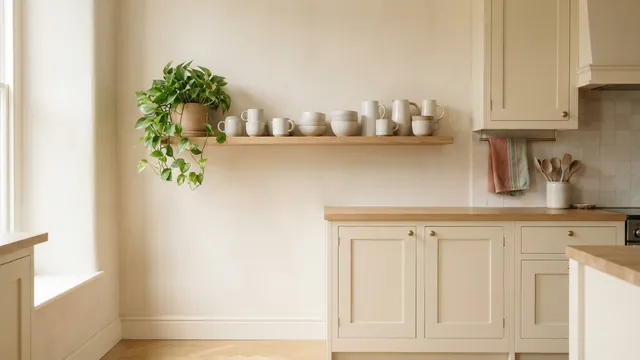
Kitchen Cabinet Tops — Style, Texture and Seasonal Charm
Style cabinet tops with balanced layers, useful texture, and decor that suits your kitchen.
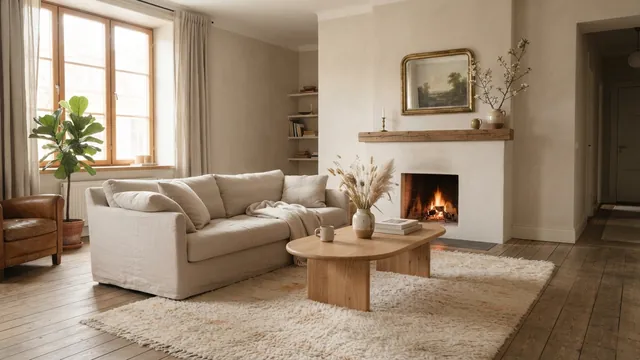
Couch Placement—Flow, Focus and Comfort
Place your couch to frame a focal point, keep paths clear, and make the room feel balanced.