Best Paint Colors for Your Living Room: Mood, Schemes, Testing
Pick living room paint colors by mood, lighting, and proven color schemes.
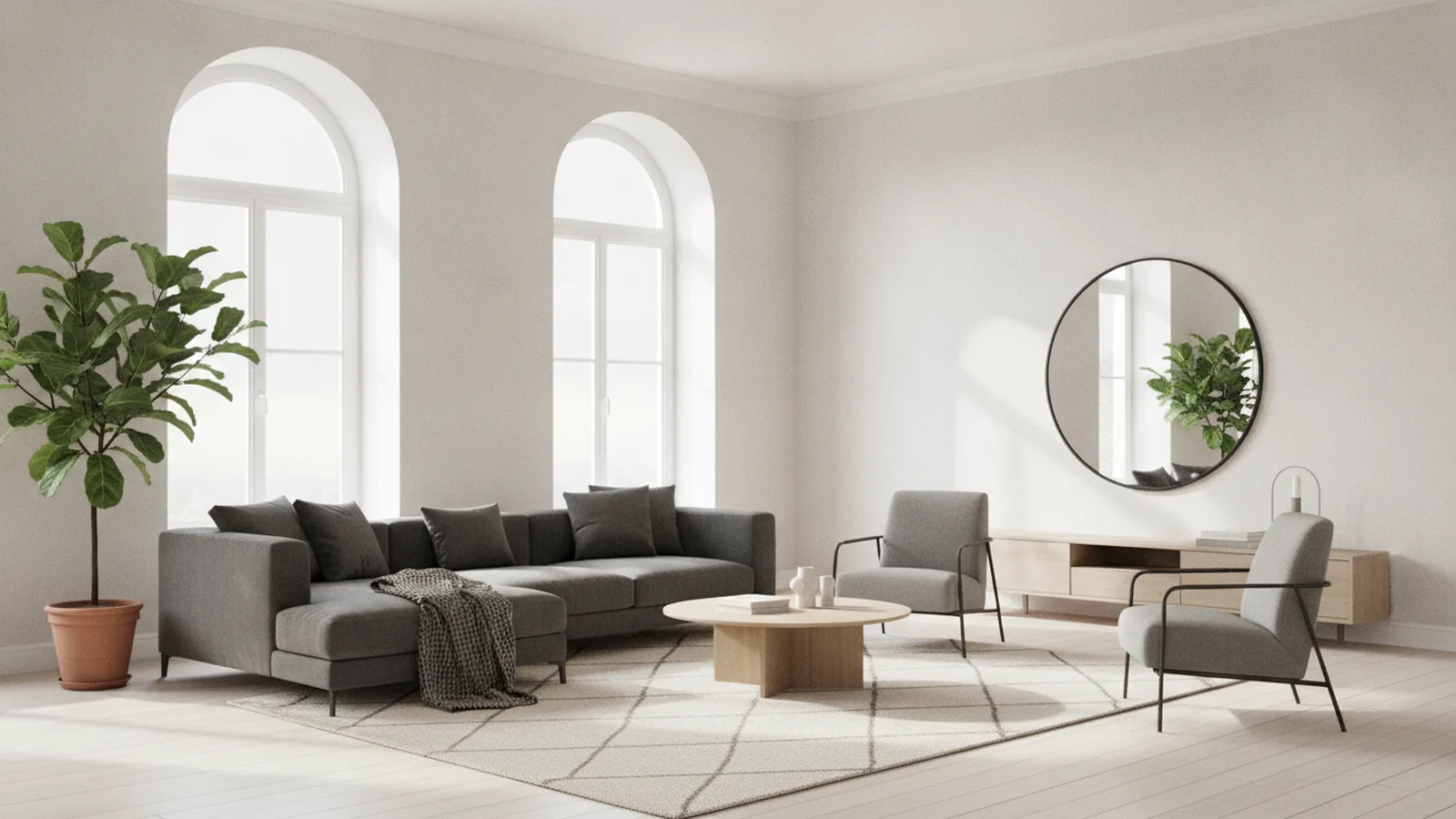
Start with the mood: what color should i paint my living room?
If you only choose one thing first, choose the feeling. For most living rooms, the best answer to what color should i paint my living room is the one that supports how you want to use the space. Want cozy evenings? Soft warm neutrals and muted earth tones usually fit. Want calm focus for reading? Light, airy blues and greens can make the room feel quieter.
Color psychology is real, but it is not magic. Your brain responds to brightness, contrast, and warmth faster than you notice “the color name.” That means the same paint color can feel cozy in one room and flat in another. Your job is to match the paint to your daily experience in the room.
To make this decision quickly, write a one-sentence goal. Example: “I want the living room to feel warm and welcoming at night.” Then pick a direction: cozy, modern, airy, or dramatic. The rest of the guide helps you land on paint that looks right in your exact lighting.
Choosing the right mood for your lifestyle
Think about your living room at different times. Morning light feels different from lamp light, and the paint will reflect that shift. A color that flatters sunrise may look dull under cool LED bulbs. So your mood choice needs to include both daylight and evening light.
Here are practical mood targets and the color families that usually deliver them. These are starting points, not rules. Use them to narrow choices before you test on walls.
- Cozy and inviting: warm whites, creamy off-whites, beige, greige, and warm taupe
- Modern and clean: soft cool whites, light greys, greige with lower warmth, and crisp blues
- Relaxed and calm: muted blues, dusty greens, and softened sage tones
- Dramatic and high-contrast: deep navy, charcoal greys, rich olive, or warm terracotta accents
When you ask what color to paint living room walls, also ask what should happen when you walk in. If the room feels cluttered, choose a calmer background. If the room feels empty, choose deeper tones or a stronger accent wall.
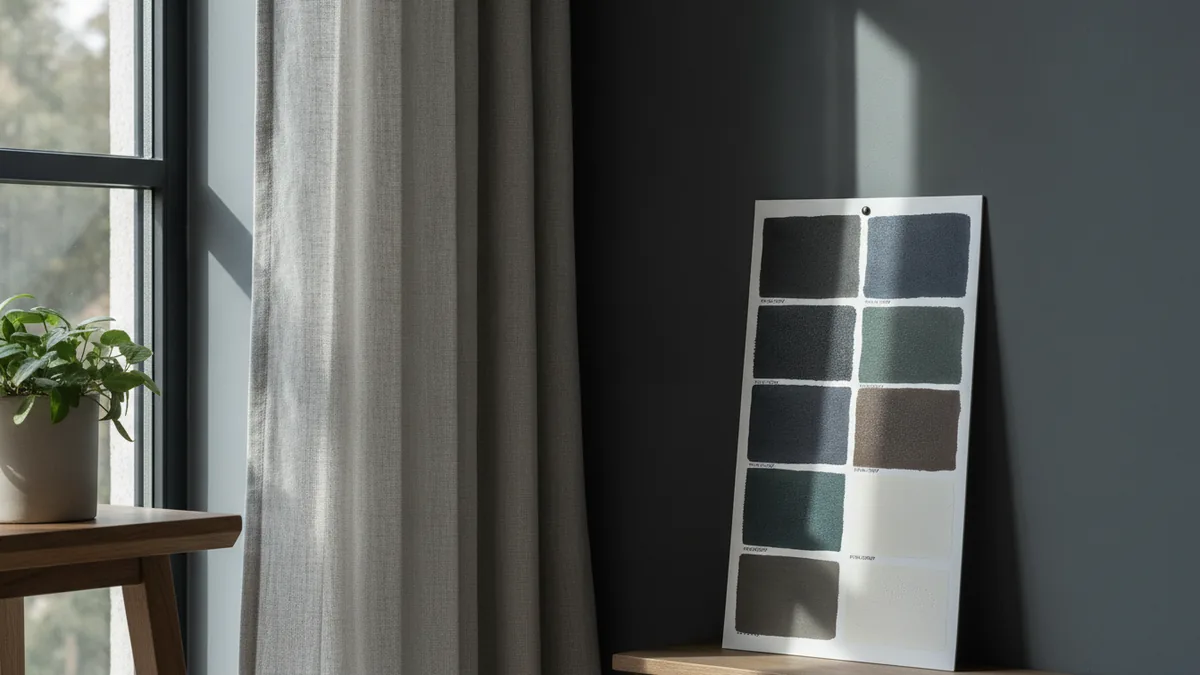
Factors that change how paint looks in real life
Lighting is the biggest “gotcha.” Natural light direction and intensity change paint depth hour by hour. North-facing rooms usually get less direct sun, so colors can lean cooler and feel darker. South-facing rooms often look brighter, which can make some muted colors wash out.
Artificial lighting matters too. Warm bulbs (around 2700K to 3000K) make whites look creamier and can soften blue tones. Cool bulbs (around 4000K) keep whites sharper and can make grey look more noticeable. Before you pick paint, check what bulbs you already use.
Also note how much of your wall is actually visible. A living room with lots of windows needs a different approach than one with heavy drapes. Room size plays a role too. In smaller rooms, light and medium tones typically keep the space from feeling crowded.
Finally, consider what is staying put. Your furniture, flooring, and large rugs set your “color map.” If you want to know what color should i paint my living room, start by listing your dominant neutrals. Then choose a wall color that either matches that undertone or creates a planned contrast.
| Factor | What it changes | Quick rule of thumb |
|---|---|---|
| Natural light (direction) | Warmth and depth | North rooms often need warmer tones |
| Artificial light (bulb temp) | White and grey appearance | Match paint undertone to bulb warmth |
| Wall finish | How light reflects | Choose satin for durability; test sheen |
| Existing surfaces | Undertone “pull” | Sample where furniture sits |
Popular living room color schemes that work in many homes
When people search what color to paint living room, they usually want a reliable direction. Living room color schemes help you avoid random choices. They also make it easier to coordinate home decor styles, since you know how background and accents relate.
Below are four common schemes. Each has a typical look and the best use case for your room. Pick one scheme, then refine it with undertone and contrast.
- Neutral colors (easy, flexible): warm whites, soft greige, and light taupe. Great if you change decor often.
- Pastels (gentle, airy): pale blush, light lavender, soft mint, and powder blue. Best when you want calm without “flat white.”
- Deep colors (grounded, dramatic): navy, deep green, charcoal, and espresso tones. Use them for a strong mood and a more styled feel.
- Vibrant hues (energy, focus): saturated teal, warm terracotta, bold berry, or vivid yellow. Usually best as accents, not full-room walls.
Warm whites and earthy tones are especially common in real living rooms. They photograph well, hide wall imperfections better, and pair with most woods. Calming blues and greens also show up a lot because they tend to feel restorative.
If you are thinking what color do i paint my living room walls, start with a neutral base. Then decide if you want interest from depth (a darker shade), color (a pastel), or contrast (a deep accent).
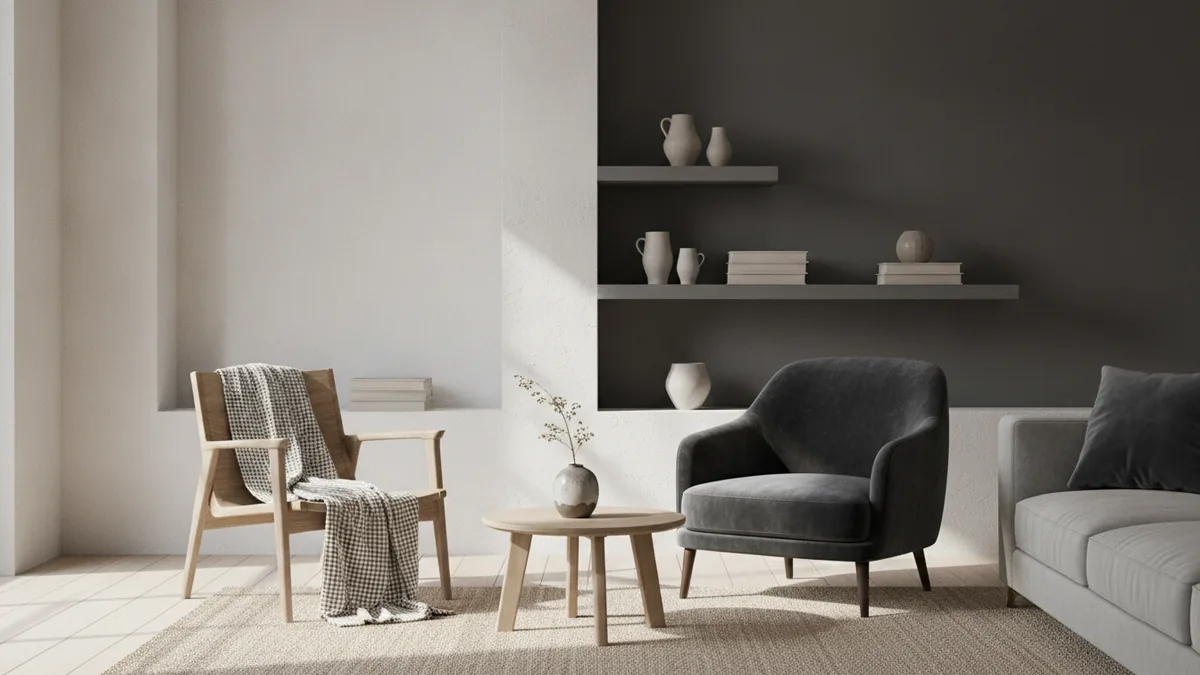
Accent colors and smart techniques for extra depth
Accent colors can make the primary color look intentional. Without an accent, even a beautiful wall color can feel one-note. With the right accent, the room gains layers that match how people actually live there.
Use bold accent colors in controlled areas. A feature wall, built-ins, or a trim color can do the job without overwhelming the room. In many homes, the easiest technique is to pair a neutral wall with a richer shade for details.
Here are technique ideas that help when you are unsure what color to paint the living room. Choose one and keep the rest simple.
- Accent wall: pick a deeper version of your main color family. Keep it cohesive with your rug and sofa tone.
- Color-blocked trim: paint trim a crisp neutral to frame walls and add structure.
- Built-in units: use either the wall color or a slightly darker neutral so shelves stay readable.
- Ceiling or upper walls: try a lighter shade overhead to make the room feel taller.
Don’t forget the tricky surface: what to do with paneling in living room. Paneling can create strong lines and color separation. If you want a modern look, paint paneling in a lighter neutral than the wall to reduce contrast. If you want it to feel intentional and architectural, paint paneling a darker shade within the same undertone family.
When choosing an accent, use the “two reference rule.” Take two items you love - like a pillow and a piece of art - and match the accent to one of their tones. That keeps bold choices grounded.
Sample color combinations to try with common furniture tones
Furniture color affects wall color more than people expect. Even when your sofa is a neutral, its undertone can steer the entire room. If you are asking what color to paint living room with brown couch or what color to paint living room with brown furniture, start by matching undertones first.
Brown furniture usually works with warm whites, creamy beige, and earthy greens. It also pairs well with deeper accents like deep olive or warm charcoal. For a cooler vibe, try greige walls with less warmth, then add a soft blue or slate accent.
Below are grounded starting pairs you can test. Treat them as “find your undertone,” then adjust brightness and depth.
| Furniture tone | Wall base ideas | Accent ideas |
|---|---|---|
| Brown | warm white, beige, warm greige | olive, terracotta, deep charcoal |
| Grey sofa | soft warm greige or light cool grey | muted teal, navy, or slate |
| Grey furniture | off-white with cream undertone | sage green or smoky blue |
| Natural wood | neutral taupe or light sand | forest green or warm navy |
If your room has both grey and warm wood, aim for a greige that sits in the middle. That is often the difference between “it looks right” and “it feels off.”
And if you are curious about a “what color should i paint my living room quiz,” skip generic results. A real quiz can’t see your light, your floors, or your sofa undertone. Use it only as inspiration, then confirm with wall samples.
Tips for testing colors before you commit
Paint testing tips save money and prevent regret. Most people fail by using tiny swatches that do not reflect how the color will look all day. If you are deciding what color should i paint my living room walls, test like you live there.
Buy sample sizes and test at least two or three close options. Choose one that matches your “mood” direction and one that is a step lighter or darker. Then paint each sample section in a place with similar light to where you will see it most.
Use these testing rules for faster clarity. They work because lighting and contrast reveal undertones quickly.
- Test in two spots: one near a window and one on the opposite wall.
- Use the right sheen: match the finish you plan to buy.
- Watch across the day: check in morning, late afternoon, and evening.
- Compare with real decor: view it next to your sofa throw or rug.
If you want extra accuracy, tape off a section big enough to live with for a week. Look at it in photos you take at home. Avoid judging only under store lighting.
One more detail: color interaction. If you have strong warm tones in flooring or woodwork, cool wall colors can look steel-like. In that case, soften the wall with a warmer undertone or lower the contrast with neutral colors.
When you find the paint color to paint living room walls that “reads” right in both daylight and lamp light, commit. That is the moment your answer to what color do i paint my living room becomes obvious.
Frequently asked questions
- What color should I paint my living room walls if I want it to feel cozy?
- Warm whites, creamy off-whites, and earthy taupes usually create a cozy baseline. Pair them with an olive or warm charcoal accent for depth at night.
- How do I choose what color to paint living room walls with natural light?
- Start with light direction. North-facing rooms often need warmer undertones, while south-facing rooms can handle cooler colors without looking flat.
- What color to paint living room with brown furniture without clashing?
- Choose warm greige, beige, or a warm white on the walls. Then add accents like deep olive, terracotta, or warm charcoal to tie everything together.
- What color to paint living room with grey sofa for a more inviting look?
- Try soft greige or an off-white with a cream undertone to avoid a cold feel. Add muted teal or smoky blue as an accent if you want calm contrast.
- Should I use deep paint colors on all walls or just an accent?
- Deep colors can work on all walls, but they often feel best with enough daylight and balanced decor. If the room is small or dim, use a deep accent wall and keep the rest lighter.
- What paint testing tips actually prevent bad results?
- Use real sample sizes in two spots and observe them morning, late afternoon, and evening. Compare the samples next to your rug or sofa fabric, not just bare walls.
Related reading
How to Decorate Your Living Room With Style and Purpose
Create a warm, useful living room with simple design steps.
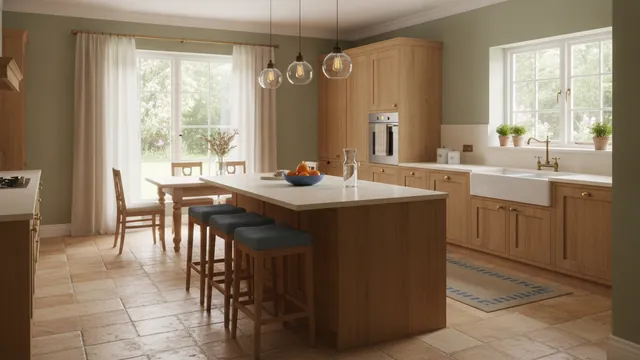
The Best Paint Colors to Pair With Beige Tile
Find warm and cool paint colors that pair well with beige tile in every room.
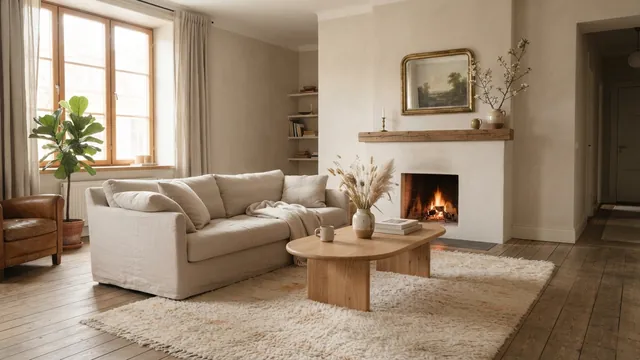
Couch Placement—Flow, Focus and Comfort
Place your couch to frame a focal point, keep paths clear, and make the room feel balanced.