Interior Designer Qualifications — Education, Skills and Career Paths
Explore the education, skills, experience, and state rules needed for an interior design career.
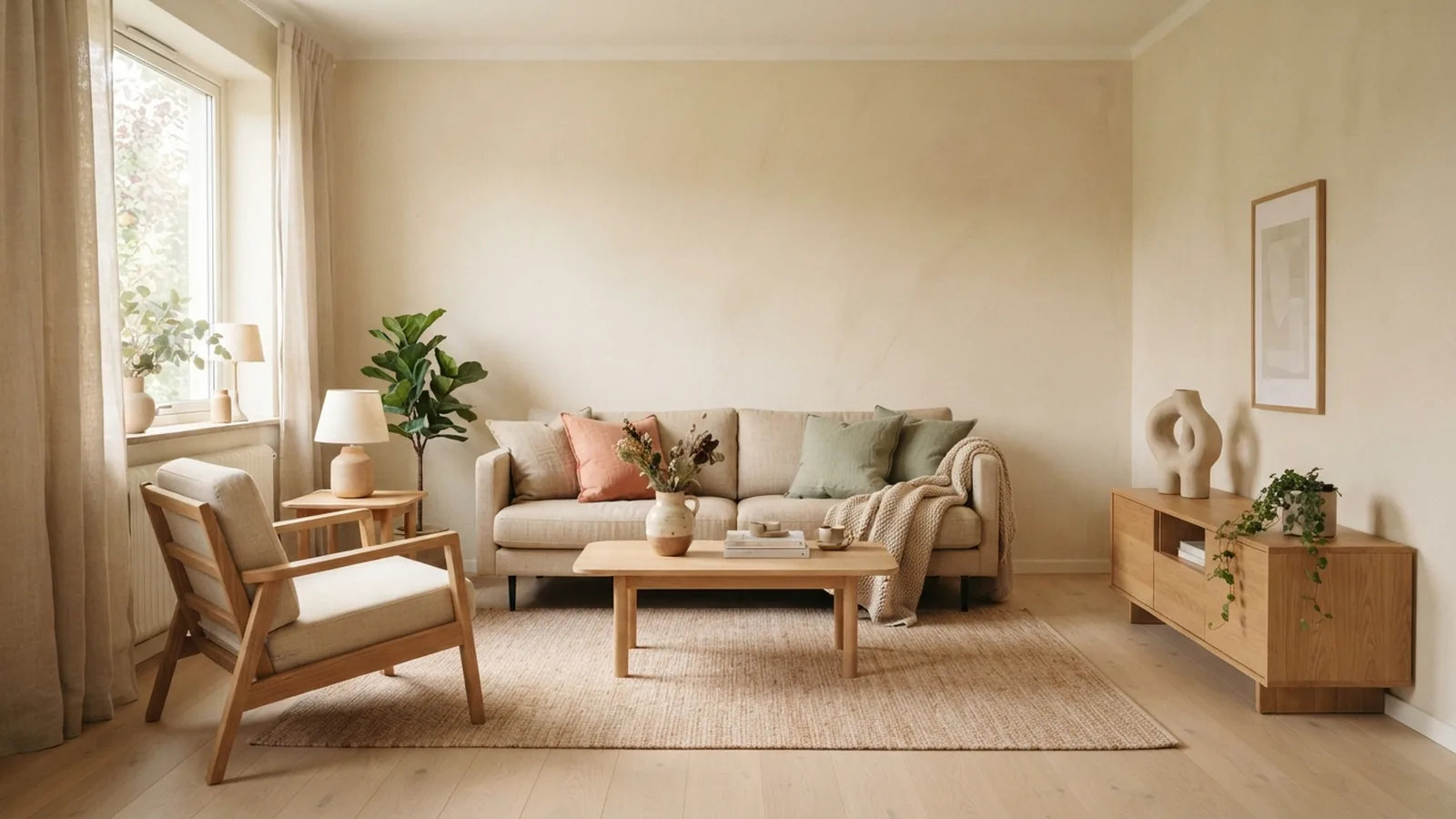
What interior designers do and what qualifications matter
Interior designers plan useful, safe, and appealing indoor spaces. The qualifications for an interior designer often include formal education, hands-on experience, and strong design skills. In some places, a license or credential is also needed to offer certain services.
Rules differ by state and by the work you plan to do. A designer who selects finishes for homes may face different rules from one who prepares plans for commercial buildings. Check the rules where you intend to work before choosing a course or career path.
- Education helps build design knowledge and technical skill.
- Work experience teaches you to handle real clients and projects.
- Licensing rules depend on your location and scope of work.
Education and training for interior designers
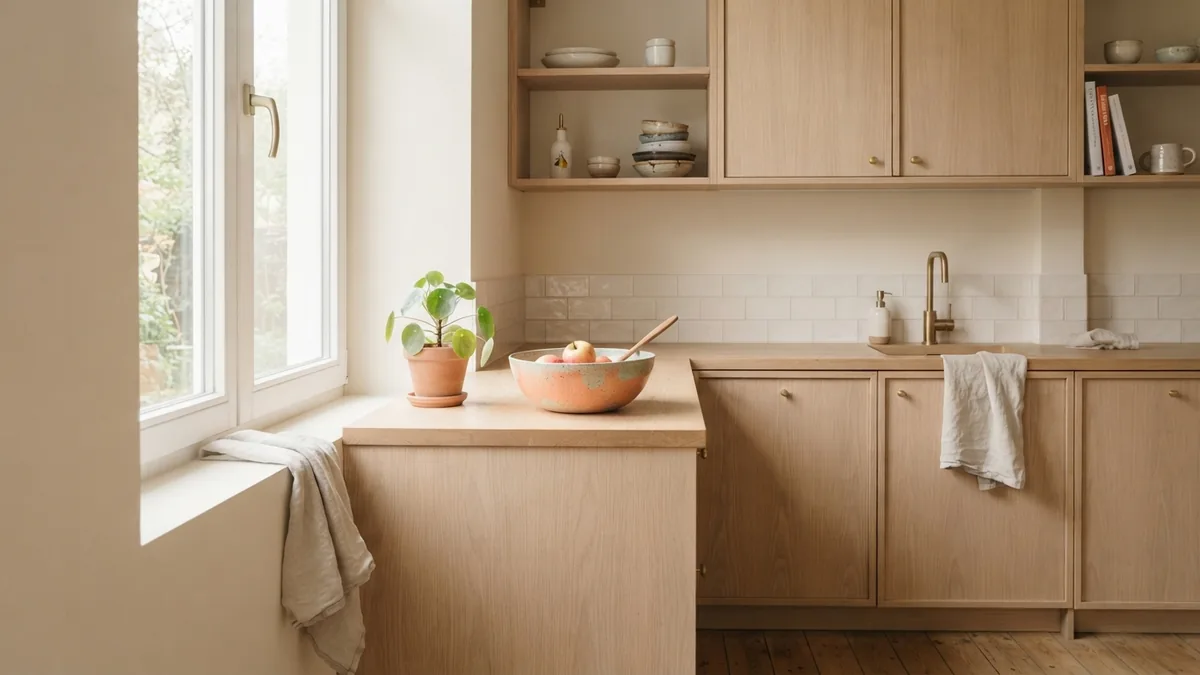
Many employers seek candidates with a bachelor’s degree in interior design or a related field. Some roles may accept an associate degree, especially with relevant experience and a strong portfolio. Look for a program with a clear focus on interior design, not only general art or decoration.
A solid interior design curriculum blends creative work with technical study. Courses often cover color theory, space planning, lighting, textiles, materials, and design history. Students also learn to use computer-aided design tools to draft plans and show ideas clearly.
Check whether a program holds accreditation from the Council for Interior Design Accreditation, known as CIDA. Accreditation can help show that a course meets set standards for professional study. Read the program’s course list and ask about studio work, job placement, and graduate outcomes.
Classroom study is only part of the work. Internships in interior design let students support live projects, learn from senior staff, and build contacts. Keep examples of permitted work, such as plans or material boards, for a portfolio. Ask your supervisor before sharing client work.
Licensing, certification, and the NCIDQ exam

Do you need qualifications to be an interior designer? The answer depends on your location and the services you provide. Some states regulate the title or limit who may sign plans for certain projects. Other places allow broader practice without a state license.
The NCIDQ exam is a key credential in the United States and Canada. It tests knowledge of design, building systems, codes, and professional practice. Eligibility rules apply, and they can depend on education and work experience. Check the NCIDQ exam and eligibility details before you plan your route.
Certification and state registration are not the same thing. A credential may support your job search, while local law sets the legal right to practice. Review your state’s licensing board rules for title use, permitted work, and renewal steps. Do not assume one credential grants the same rights everywhere.
Core skills that help designers succeed
Technical knowledge matters, but clients also need to trust your judgment. Good designers listen closely, ask clear questions, and explain trade-offs in plain language. They turn a client’s needs into choices about layout, budget, materials, and style.
Creativity helps solve space problems, while organization keeps the work on track. Designers often juggle plans, suppliers, budgets, and deadlines at once. Basic project management skills help prevent missed steps and costly delays.
Learn to read floor plans and understand building codes that affect a project. Get comfortable with design software, but do not let a polished drawing hide a weak plan. Your choices must work in real rooms, meet safety needs, and fit the client’s budget.
- Communication: Share ideas, ask for feedback, and set clear expectations.
- Space planning: Make rooms easy to move through and use.
- Attention to detail: Check sizes, finishes, costs, and order dates.
- Adaptability: Revise plans when needs, costs, or site limits change.
Career paths and areas of focus
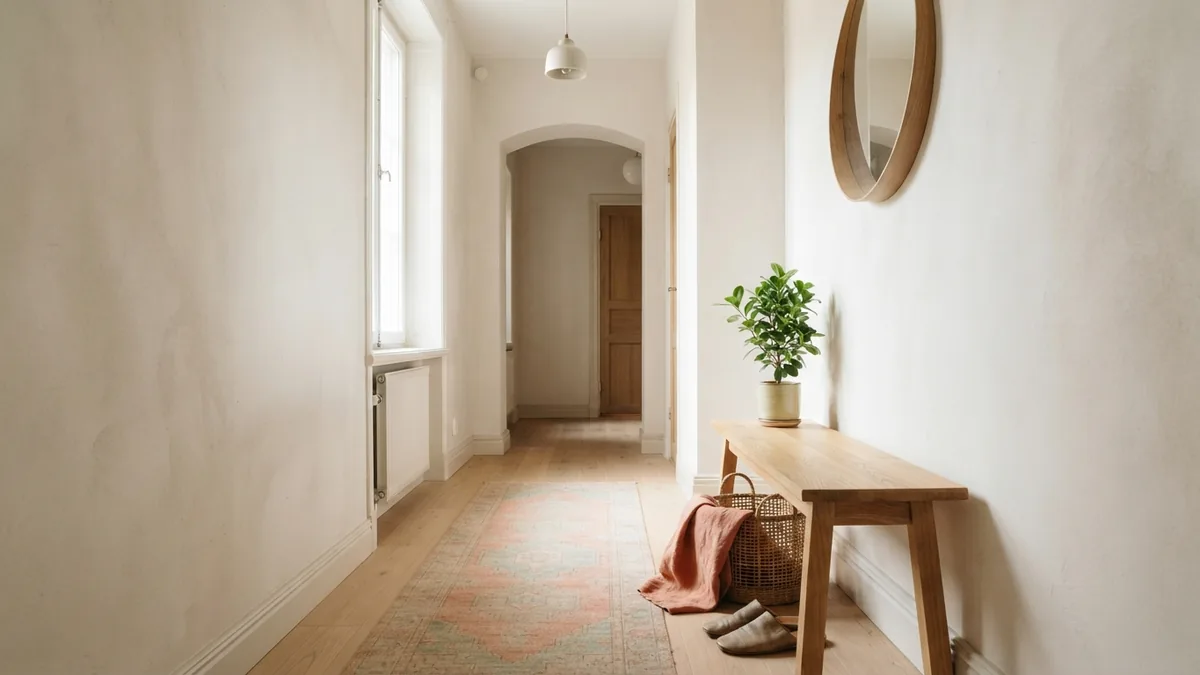
Interior designers work in homes, offices, shops, hotels, schools, and health settings. Residential designers shape rooms for daily life, from kitchens to whole-home plans. Commercial designers focus on spaces used by staff, customers, or the public.
Some designers focus on sustainable design, accessible spaces, lighting, or kitchen and bath work. These paths may call for extra study or specialist knowledge. For example, a sustainable designer may need to compare material sources, energy use, and long-term care.
Early roles may include design assistant, junior designer, or showroom staff. With experience, you may manage projects, lead a team, or start a studio. A focused portfolio can help show your fit for a certain type of work.
Interior designer versus interior decorator
People often use “designer” and “decorator” as if they mean the same job. Interior decorators tend to focus on finishes, furniture, color, and styling. They may not need formal education or a license, though training can still help.
Interior designers often take on wider space-planning and technical tasks. Their work can involve layouts, lighting plans, building systems, and code needs. The exact divide varies by location, so check local rules before using a title or offering regulated services.
A degree does not by itself make someone a skilled designer. Practical work, sound judgment, and clear client communication matter too. A decorator can also build deep expertise through training and years of practice.
Trends and opportunities in the field
Clients increasingly ask for flexible rooms, lasting materials, and homes that support changing needs. This creates room for designers who can balance comfort, access, upkeep, and cost. Skill with digital plans also helps teams share options and spot problems early.
New tools can speed up drafting and client reviews, but they do not replace sound design choices. A designer still needs to measure carefully, understand how people use a room, and check site limits. Strong work rests on a clear process and useful results.
Build your path in stages. Choose an education route that fits local rules, seek supervised experience, and save suitable work for your portfolio. Then check licensing needs and pick a focus that matches your strengths.
Frequently asked questions
- What qualifications do interior designers need?
- Many employers seek a degree in interior design or a related field. Practical experience, a strong portfolio, and any required local license also matter.
- Do you need qualifications to be an interior designer?
- Rules vary by state and by the work you offer. Some places regulate the title or certain services, while others have fewer limits.
- Is a bachelor's degree required for interior design?
- A bachelor’s degree is common and can help with technical roles and certification paths. Some jobs accept other training and relevant work experience.
- What is the NCIDQ exam?
- The NCIDQ exam tests knowledge used in interior design practice. Education and work experience rules apply to people seeking to take it.
- What skills should an interior designer have?
- Designers need space planning, color, material, and software skills. Clear communication, creativity, organization, and problem-solving are also vital.
- Can you become an interior designer without a degree?
- Some roles may accept other training and a strong portfolio. Check local rules first, since some paths or services may require set education.
Related reading
Interior Design Education — Courses, Skills, and Career Steps
See the courses, skills, and experience needed for an interior design career.
Interior Designer Licensing, Education, and Insurance Guide
Learn the license, education, insurance, and state rules interior designers face.
Are Online Interior Design Courses Worth the Investment?
Compare online interior design courses, degrees, costs, and career value.