How Interior Designers Work From Home and Serve Clients Remotely
See how interior designers plan, manage, and deliver projects from home.
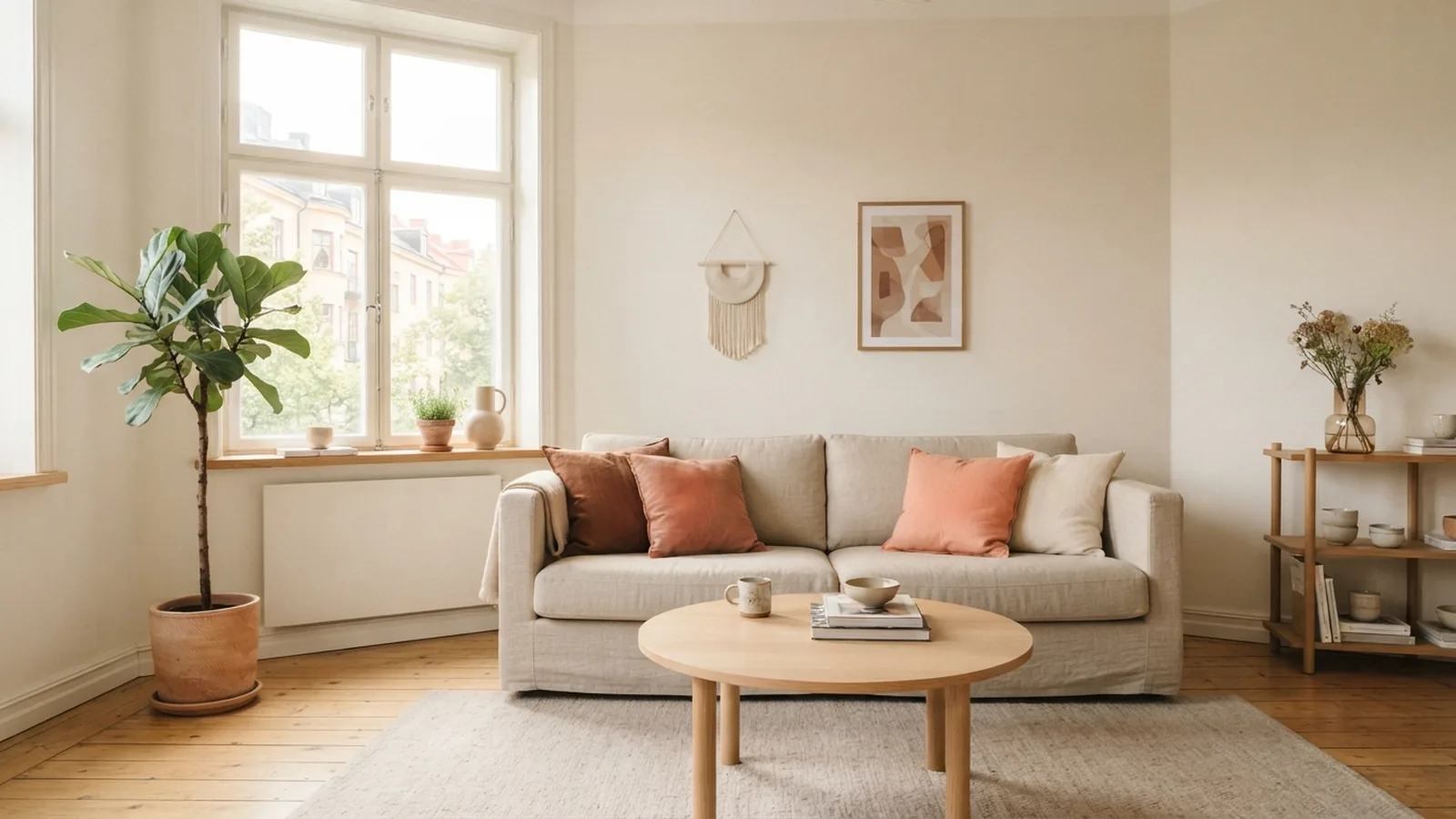
Remote interior design starts with a clear yes
Yes, interior designers can work from home. Many now plan rooms, meet clients, and manage projects online.
Remote work grew after the pandemic. It now supports both solo designers and larger design studios. A home-based designer may serve nearby clients or work across a whole country.
The work still covers space planning, colour choices, furniture, lighting, and finishes. The main change is the way the designer gathers details and shares ideas.
- Clients share room sizes, photos, videos, and style goals.
- Designers build plans, mood boards, and shopping lists online.
- Builders and suppliers receive clear files through shared tools.
Some projects need site visits. Others suit a fully remote plan. The right model depends on the room, budget, and client needs.
Why e-design keeps growing
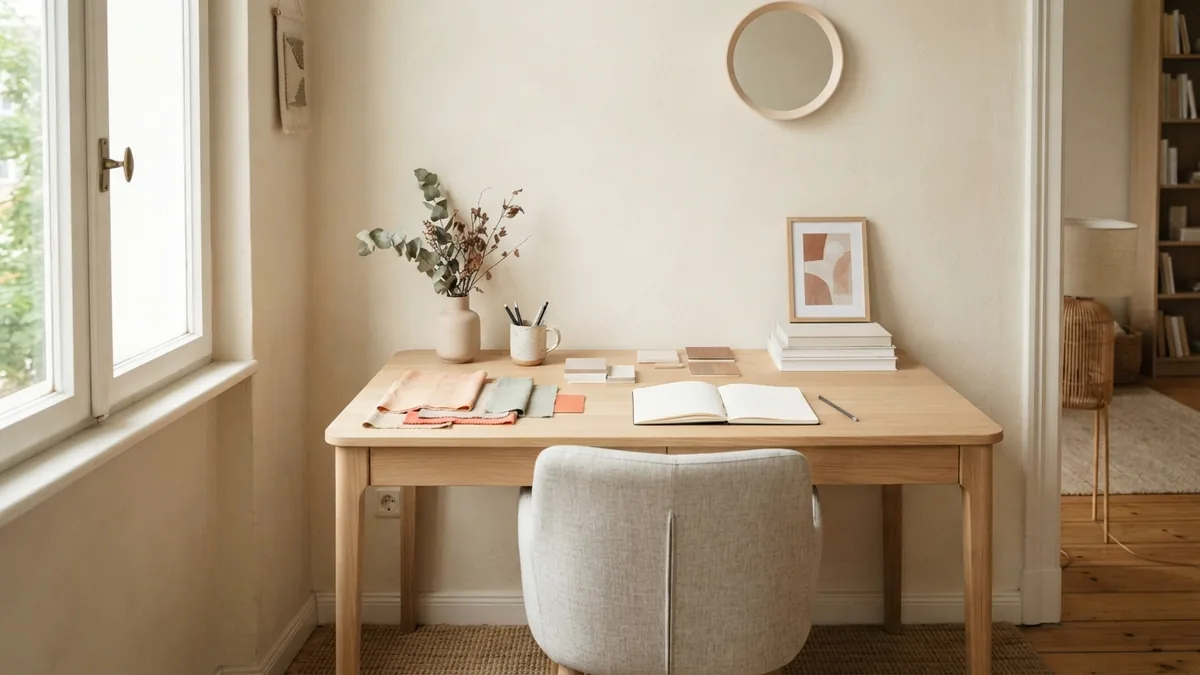
E-design is a remote design service. It lets a designer guide a project without regular in-person visits.
A typical e-design package starts with a form and a video call. The client then sends room photos, rough plans, and measurements. The designer creates a plan and explains each choice.
This model can cost less than full-service design. It also gives clients more control over buying and fitting items. A client may receive a mood board, floor plan, product list, and styling guide.
Traditional design often includes site visits, trade orders, and install day support. E-design places more tasks with the client. This difference matters before anyone signs up.
| Service point | E-design | Traditional design |
|---|---|---|
| Site visits | Rare or not included | Often included |
| Buying items | Usually handled by the client | May be handled by the designer |
| Project pace | Flexible and client-led | Often managed by the studio |
| Best fit | Smaller rooms and clear goals | Large builds and complex changes |
Remote design also widens a designer's reach. A strong process can serve clients far beyond the local area.
Tools that make home-based design work
Home-based designers need a reliable digital setup. They use video calls for advice and cloud folders for project files.
Design software helps turn ideas into useful plans. A designer may create a scaled floor plan, a simple 3D view, or a detailed room board.
Good tools reduce missed details. They also keep the client, designer, supplier, and contractor aligned.
- Communication: Video calls, email, and shared chat spaces.
- Planning: Floor plan tools, drawing apps, and room templates.
- Project control: Task boards, calendars, budgets, and file folders.
- Client review: Shared boards for comments, choices, and sign-off.
Designers should keep one source of truth for each project. That folder can hold the latest plan, product links, and open questions.
Clear file names also help. A plan named “Kitchen layout final” can still cause confusion later. Use dates or version numbers instead.
Remote services designers can offer
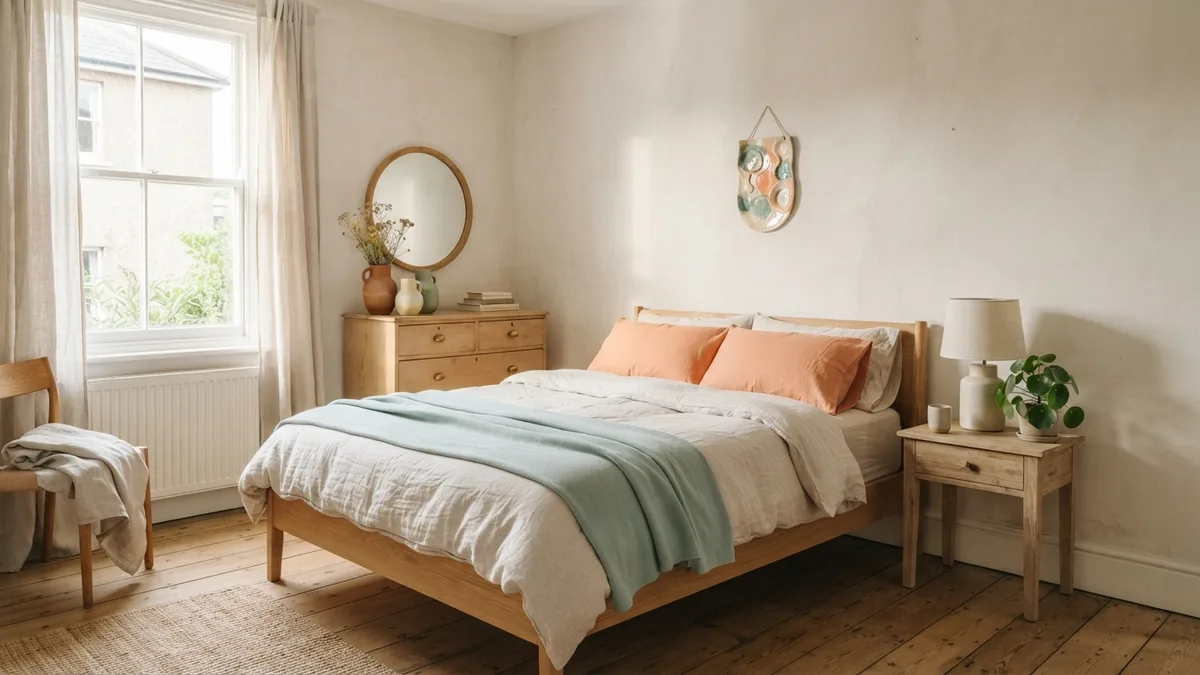
Remote interior design covers more than full room makeovers. Designers can shape their services around project size and client skill.
Some clients need one focused session. Others need a full plan with many room views. A home-based studio can offer both.
- One-off virtual consultations for layout or colour advice
- Room refresh plans with furniture and finish ideas
- Full e-design packages with plans and shopping lists
- Kitchen and bathroom concept plans
- Rental-friendly updates that avoid major building work
- Remote styling support before a home sale or move
Scope must be clear from the start. A package should state how many calls, revisions, and room views it includes.
Some designers also offer paid follow-up calls. These calls help clients solve issues during buying or fitting. They can replace some site support, but not every site visit.
How designers work with clients and contractors
Many people ask, “Do interior designers work with contractors?” The answer is often yes, but the level of help varies.
A designer may suggest a trusted contractor, share drawings, or check progress by video. Some designers manage the full build. Others only supply the design plan.
Remote work makes the client a key link between the design team and the site team. The client may need to confirm sizes, book trades, and report site changes.
Before work starts, agree who owns each task. This simple step prevents gaps and costly delays.
- Designer confirms the brief, plan, and finish choices.
- Client checks the site size and shares current photos.
- Contractor checks the plan and flags build concerns.
- Client approves changes before work moves ahead.
- Designer reviews updates and records any new decisions.
Remote design works best when updates follow a set rhythm. A weekly call can cover progress, risks, costs, and the next tasks.
Designers should never guess about hidden site issues. A contractor must check walls, pipes, wiring, and structure before work begins.
What clients must do in a remote project
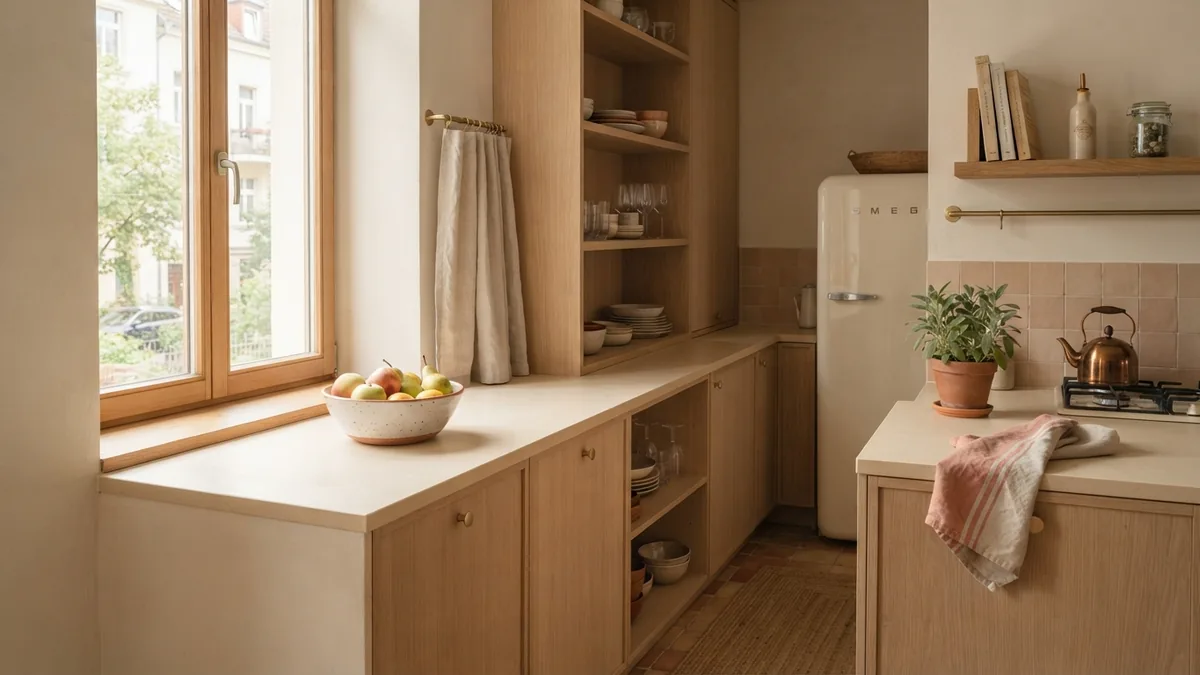
Remote design gives clients more control. It also asks them to take an active role.
Accurate measurements form the base of every remote plan. Clients should measure wall lengths, ceiling height, doors, windows, and fixed items.
Photos should show each wall and the room from each corner. A short video can reveal paths, light levels, and awkward features.
Clients must also explain how the room feels now. Share what works, what fails, and what the room must support each day.
- Measure twice and note each measurement in one shared file.
- Send clear photos in daylight, without heavy filters.
- List items that must stay in the room.
- State the budget before the designer builds the plan.
- Give quick feedback on each draft.
Feedback should name the reason behind each reaction. “Too cold” helps more than “I dislike it.” The designer can then adjust colour, texture, or light.
Clients should ask what the fee includes. Check delivery dates, revision limits, buying help, and contractor support.
Working hours and flexibility from home
How many hours do interior designers work? There is no single answer. Hours change with deadlines, site work, and the designer's business model.
The U.S. Bureau of Labor Statistics profile of interior designers notes that some designers work evenings and weekends.
A designer may work 30 hours one week and 50 hours the next. A solo designer often handles sales, design, billing, and client care.
Remote work gives more choice over the day. It does not remove deadlines or client needs.
| Work block | Common tasks |
|---|---|
| Morning | Plans, drawings, product research, and focused design work |
| Midday | Client calls, supplier talks, and contractor updates |
| Afternoon | Revisions, budgets, orders, and project notes |
| Evening | Optional calls for clients with day jobs |
So, how many hours a week do interior designers work? Full-time designers often plan for about 35 to 45 hours.
That range can rise near a launch, install, or major build deadline. Part-time designers may set fixed days or offer short advice sessions.
Where interior designers work next
Where can interior designers work? They can work from a home office, studio, showroom, supplier space, or client site.
Many use a mixed model. They complete design work at home, then visit sites for key checks.
The future will likely bring more blended services. Clients may start with a video call, review a 3D plan, and book one site visit.
Designers who set clear limits will serve clients well. They need strong plans, fast updates, and honest notes about what remote work cannot cover.
Remote design is not a lesser form of interior design. It is a different way to share skill, manage choices, and guide a room.
Choose e-design when you can handle measurements and buying tasks. Choose full service when your project needs site control, trade orders, or build oversight.
Frequently asked questions
- Can interior designers work from home?
- Yes. They can plan rooms, meet clients, create drawings, and manage projects from a home office.
- How do interior designers work remotely?
- They use video calls, shared files, design tools, room photos, and client measurements. They send plans and product lists online.
- What is the difference between e-design and traditional interior design?
- E-design happens mainly online and gives clients more tasks. Traditional design often includes site visits, trade orders, and install support.
- Do interior designers work with contractors?
- Many do. Their role may include sharing plans, suggesting trades, checking progress, or managing the full build.
- How many hours do interior designers work each week?
- Full-time designers often work about 35 to 45 hours. Deadlines can push that total higher.
- What must clients provide for remote interior design?
- Clients should provide accurate measurements, clear photos, room goals, budget details, and fast feedback.
Related reading
Couch Placement — Comfort, Flow, and Style
Arrange couches for easy movement, good conversation, and a balanced room.
Small Kitchen Design — Light, Space and Smart Storage
Use light, smart storage, and slim furnishings to make a small kitchen feel more open.
Living Room Paint — Measurements and Buying Tips
Measure your walls, count coats, and buy the right amount of living room paint.