How to Place Furniture in a Small Living Room
Get practical furniture arrangement tips to maximize small living room space—without clutter.
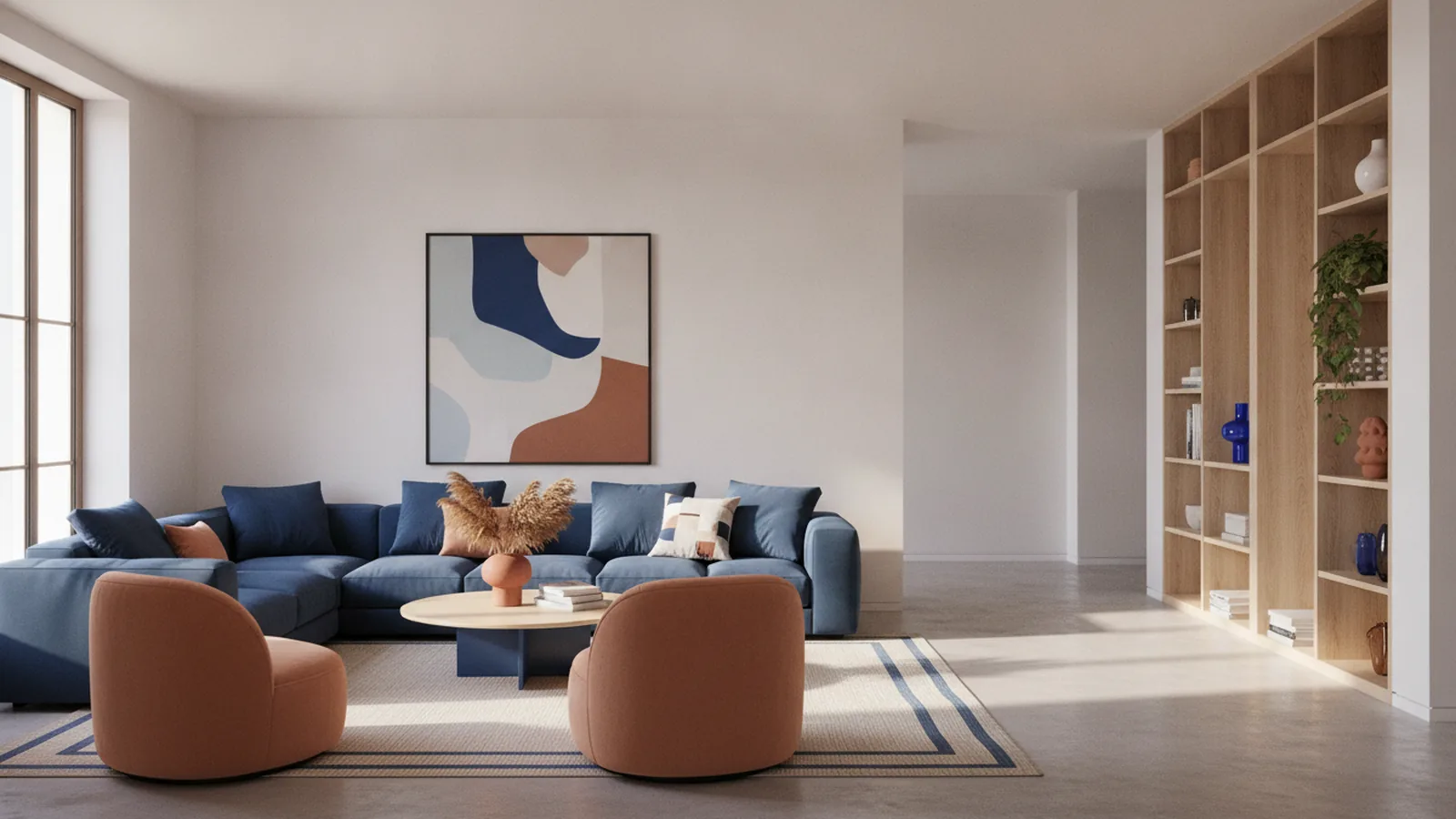
Understanding small living room challenges
Small rooms rarely fail because you picked ugly pieces. They fail because the room layout has too many fixed limits.
Doors, windows, and outlets decide where seating can go. Radiators and vents also block common “easy” placements. When you ignore those constraints, you end up with blocked routes.
Another problem is unclear furniture order. Many people plan by placing the couch first, then panicking around it. Instead, start with traffic flow, then anchor points.
If your room has a fireplace, it adds another anchor. That can make arranging furniture for small spaces feel harder. The trick is to choose one main focal point and plan around it.
- Traffic flow breaks when chairs sit too close to doors.
- Sight lines get awkward when seating faces away from the TV or fireplace.
- Visual clutter increases when rugs, shelves, and side tables compete.
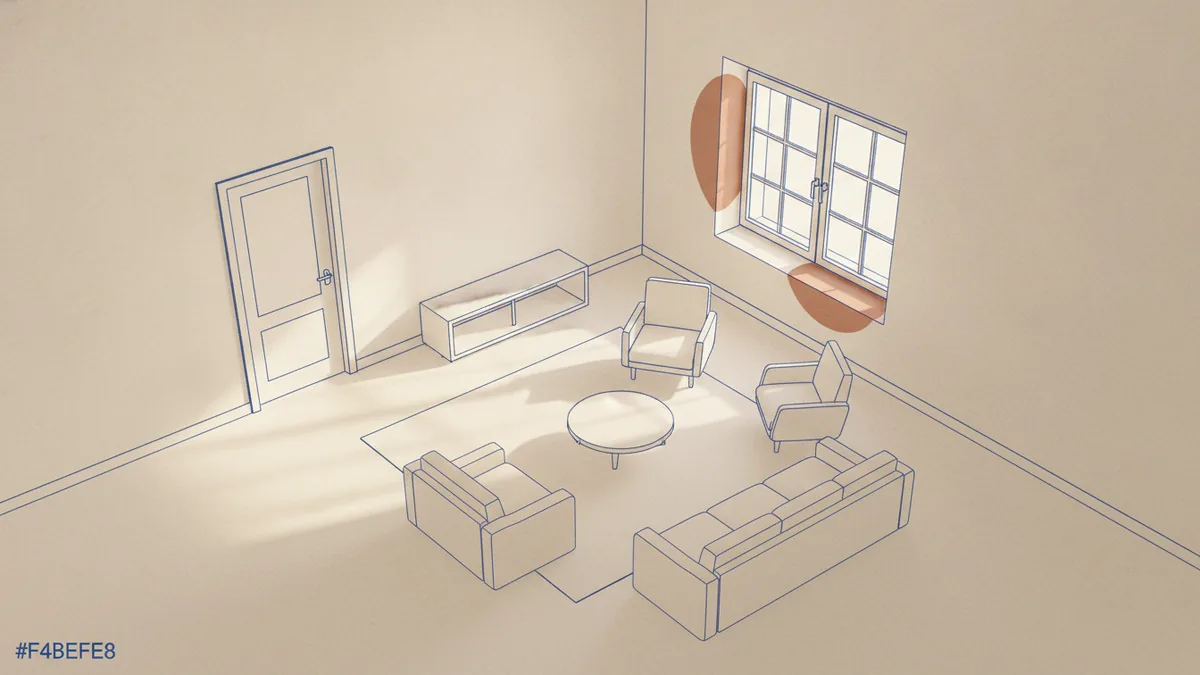
Essential furniture arrangement tips for maximizing small space
When you search for how to place furniture in small living room, you usually want a fast plan. You can get one by using a repeatable room layout checklist.
First, measure the room layout areas you cannot move. Mark door swings, window trim, and heating points. Then measure your furniture depth, not just width.
Next, map a clear traffic flow path. A common target is 30 to 36 inches for main movement. If space is tight, make the route wider where people turn.
Now build an effective furniture layout around an anchor wall. Use the TV wall, or place furniture around a fireplace as the focal point. After that, arrange the rest using symmetry or balanced weight.
- Pick the anchor wall (TV or fireplace) and center the main seating.
- Confirm door clearance for both open and closed positions.
- Test one effective furniture layout by swapping seating angles.
- Match the rug size and place it correctly under seating.
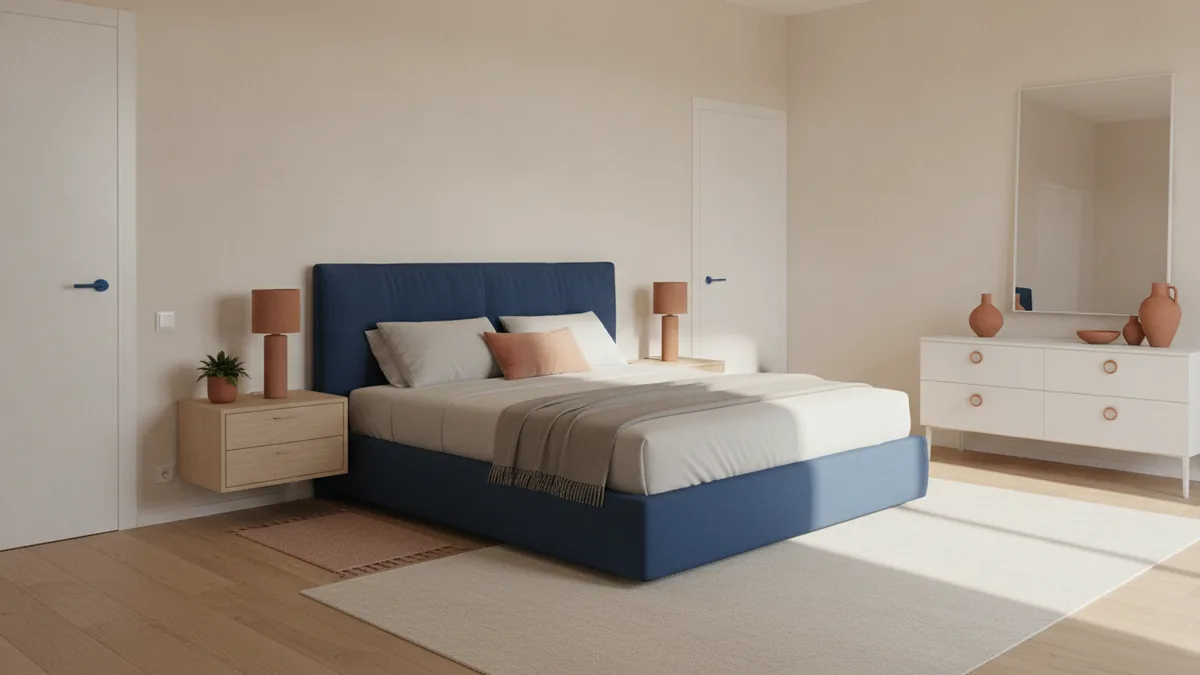
How to place furniture in a bedroom while keeping the same rules
The bedroom version of how to place furniture in a bedroom follows the same logic. You still need traffic flow, a clear anchor, and smart proportions and scale.
Start by deciding what the room’s center of focus is. Often it is the bed wall, or sometimes a window. Then plan the walkway from the door to the bed and closet.
When you are figuring out how to place bedroom furniture in a small bedroom, spacing matters even more. Aim for enough clearance to open drawers without shoulder checks. Also leave room to stand beside the bed comfortably.
For a small room, you may need to adjust bed orientation. Some people want the bed centered, but it blocks the door swing. Try the bed slightly offset and let the nightstands fit the usable lanes.
| Goal | Bedroom placement idea | Why it works |
|---|---|---|
| Keep movement easy | Route a clear path beside the bed | You avoid side-stepping at night |
| Use small space well | Swap a large dresser for a slim chest | Less bulk keeps the room open |
| Make storage usable | Place bins where drawers do not clash | You reduce daily friction |
Utilizing multi-purpose furniture and storage solutions
Multi-purpose furniture is one of the best space-saving solutions for arranging furniture for small spaces. It replaces multiple items with one piece and reduces clutter.
A storage ottoman can act like a coffee table and a spare seat. A bench with lift-up storage can cover two needs at once. If you need media, pick a console with drawers to keep cords contained.
When you add storage, plan for how to keep furniture covers in place. If you use covers for cushions or throw pillows, choose pieces sized to your furniture. Also use ties or elastic straps so covers do not slide during daily use.
Storage placement should protect pathways. If a drawer sticks out into the walkway, it creates a “hidden” traffic problem. Put heavier storage where people naturally pass less, like near corners.
- Replace a spare side table with an ottoman you can open.
- Use vertical storage with care to avoid visual heaviness.
- Keep small items contained in closed cabinets or baskets.
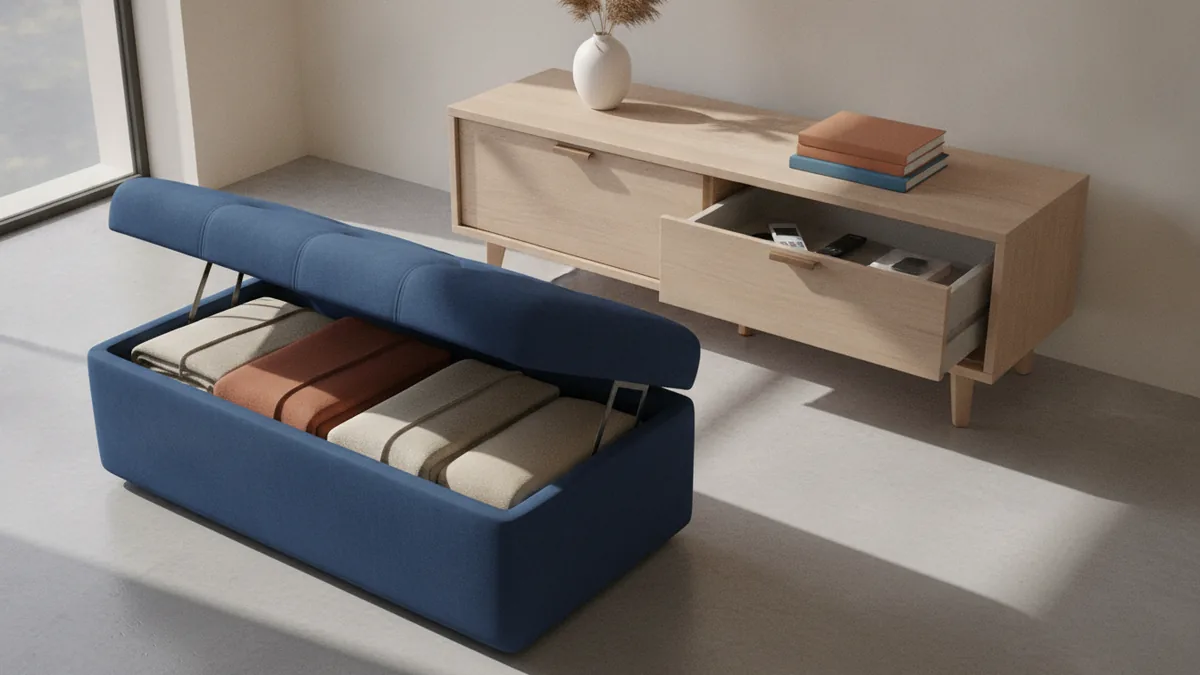
Defining zones in small spaces for relaxation and entertainment
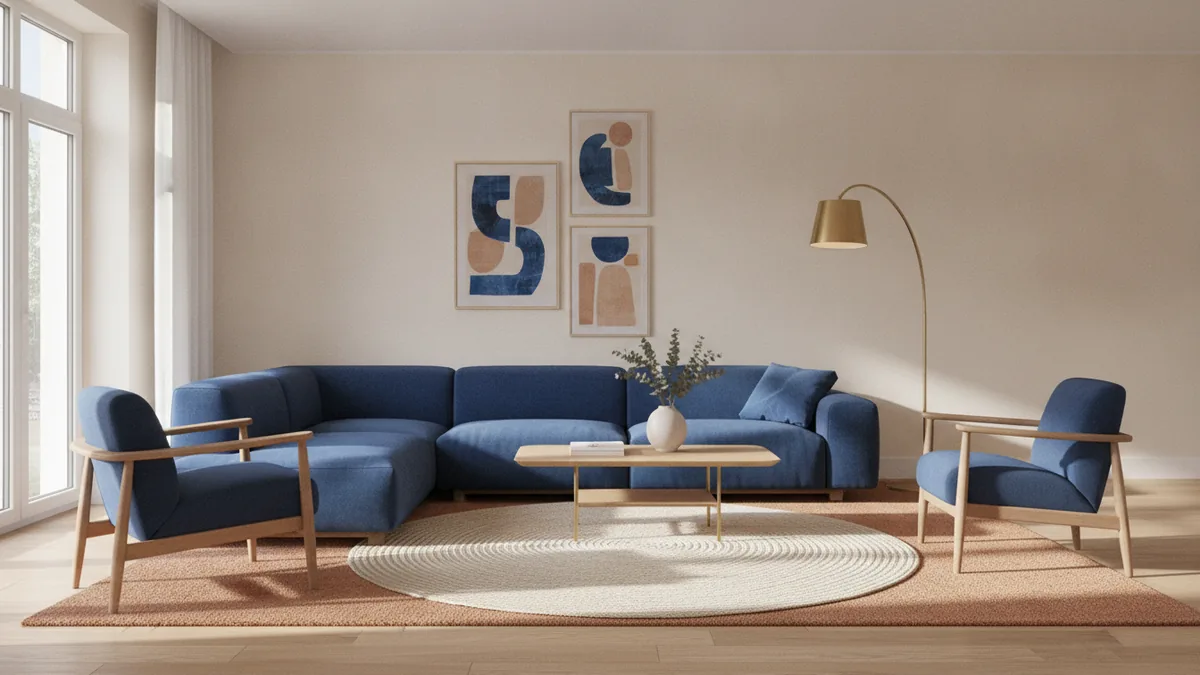
Zone definition helps when you want to maximize small living room space without crowding. It also makes decisions easier when you are arranging furniture for small spaces.
Start with two zones: relaxation and entertainment. The relaxation zone centers on the couch and a comfortable seating angle. The entertainment zone centers on the TV or where you place furniture around a fireplace.
Keep each zone’s furniture grouped, but avoid tight stacking. If chairs float too far away, the zone feels incomplete. If they overlap, the room feels cramped.
In some homes, you also need a “reading pocket.” A small chair paired with a floor lamp can fit near the corner. Keep the side table compact so you do not steal movement space.
Even in a small living room, functional design beats perfect symmetry. Balance what you can see, then make sure people can pass through.
| Zone | Main pieces | Small-space tip |
|---|---|---|
| Relaxation | Couch, chair, side table | Keep a clear path behind seats |
| Entertainment | TV stand or fireplace surround | Align seating toward one focal point |
| Reading | Compact chair, lamp, small surface | Pick one small accessory per wall |
How to place lighting in a room for comfort and function
How to place lighting in a room is easier when you treat lighting as a system. Use layers: overhead for basics, then lamps for mood and tasks.
In a small living room, start with a primary light source. Then add a floor lamp or table lamp near seating. This lets you read without lighting glare on the TV.
Next, place light to support zones. If your entertainment zone is centered on the fireplace, add a warm lamp nearby. If your focus is the TV, aim indirect light toward the wall edges.
For a bedroom, the same idea holds. If you are deciding how to place furniture on a rug, lighting also matters. Warm light makes the rug area feel intentional and helps the space feel bigger.
- Choose warmer bulbs for evening comfort.
- Add task lighting for reading and side tables.
- Control glare near TV screens.
- Use lamps to shape zones, not just brighten rooms.
Decorative elements and layout choices that avoid clutter
Decorative accents can strengthen a layout if they support the room layout strategies you already chose. If they fight the plan, they create noise and reduce usable space.
Start with the rug. How to place furniture on a rug often comes down to consistency. Ideally, the front legs of seating sit on the rug, not only the couch back area.
For small rooms, keep patterns and colors simple. Too many competing textures make the room feel smaller. Use one larger visual element, then repeat a smaller theme elsewhere.
Finally, pay attention to visual balance. If one side has a tall bookshelf, the other side needs a matching visual weight, like a taller lamp or framed art. This helps your effective furniture layout feel stable.
- Use one bold rug instead of multiple small floor accessories.
- Keep surfaces clear so storage actually works.
- Repeat tones across pillows, art, or curtains.
Common mistakes to avoid when arranging furniture for small spaces
People often overstuff a small living room and call it “full.” In reality, overcrowding forces people to walk around furniture instead of through space.
Another mistake is ignoring proportions and scale. A chunky sofa may look nice, but it can block light and shrink the room. Conversely, tiny furniture can look lost and make the room feel unfinished.
Some layouts fail because they do not respect where people move. If you block sight lines to the TV or fireplace, the room stops feeling functional. It also increases frustration during daily use.
You should also avoid trying to copy a large living room plan. A large living room can handle bigger distances and more pieces. In a long living room, you may need a tighter arrangement to prevent wasted zones.
Rectangular rooms can be tricky too. If you place furniture in a rectangular living room without a plan, the layout can feel like a hallway. Instead, focus on one clear anchor and define zones so the room reads as intentional.
- Do not block doorways or block circulation behind seating.
- Do not skip measuring door arcs and furniture depth.
- Do not use the wrong rug size for your seating group.
- Do not chase trends over traffic flow and comfort.
- Do not forget the fireplace rule if you place furniture in a room with a fireplace.
Quick check: match your layout to your room shape
Room shapes change how to place furniture in a room. A long room needs a plan that prevents dead space, while a rectangular room needs better anchoring.
For how to place furniture in a long living room, aim to create an entertainment zone near the focal wall. Then place relaxation furniture in the open area, not along tight edges. This keeps the room usable from both ends.
For how to place furniture in a rectangular living room, align the main seating toward the anchor wall. Then use side tables and rugs to visually “complete” the grouping. If you have a fireplace, the same approach works for how to place furniture in a room with a fireplace.
If you are still unsure, test two effective furniture layout options before buying. Small swaps can make a room feel larger without spending money. It is one of the fastest ways to maximize small living room space.
And if you are also planning how to place furniture in a large living room, start by making sure the zones are distinct. Large rooms need breathing distance, not extra clutter. The goal stays the same: functional design that supports everyday flow.
Frequently asked questions
- How do I place furniture in small living room without blocking walkways?
- Measure door swings first, then keep a main traffic path. Test two layouts by swapping chair angles before finalizing.
- What is the best way to place furniture on a rug in a small living room?
- Choose a rug big enough for the seating group. Ideally the front legs of the couch and chairs sit on the rug.
- How do I place your bedroom furniture in a small bedroom?
- Leave a clear path beside the bed and ensure drawers open fully. Adjust bed orientation if the door swing conflicts with nightstands.
- How should I place furniture around a fireplace in a small room?
- Treat the fireplace wall as the anchor, then align seating toward it. Keep side pieces near corners to preserve open movement lanes.
- How do I place lighting in a room for a small living room?
- Use layered lighting: overhead for basics and lamps for zones. Aim light to avoid glare on the TV area.
- How do I keep furniture covers in place on sofas and chairs?
- Use properly sized covers and secure them with ties or elastic straps. Check fit after moving cushions or changing seating position.
Related reading
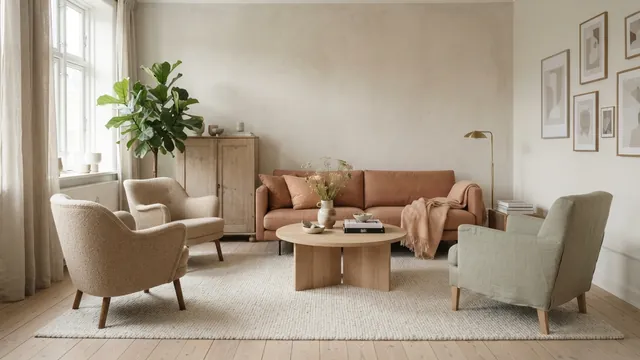
Living Room Rugs — Size, Placement, and Style
Find a rug size that anchors your seating and suits the room.
How to Learn Interior Design on Your Own or Online
Learn interior design through clear principles, free courses, and hands-on home projects.
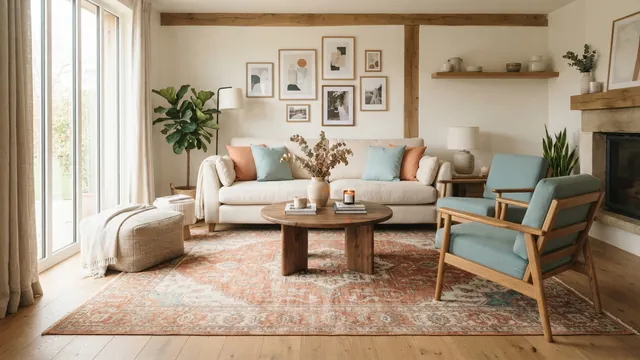
How to Place a Rug in a Living Room With Style
Set the right rug size, layout, and flow for a better living room.