Smart Ways to Fill an Empty Living Room Corner
Turn an empty living room corner into a useful, stylish part of the room.
Why Empty Corners Deserve a Plan
A bare corner can make a room feel half done. It can also waste useful floor space. Good corner design adds balance, storage, comfort, or height.
The best answer to what to put in a corner of living room space depends on the room. Start with the corner's size, light, and nearby furniture. Then choose one clear job for the space.
Ask how people move through the room. Keep about 30 to 36 inches for a main walking path. Mark each item's footprint with painter's tape before you shop.
- Choose a purpose before you choose an item
- Measure wall width, depth, and ceiling height
- Keep doors, windows, and vents clear
- Repeat one color or finish from the room
These steps help answer how to fill an empty corner in living room layouts. They also stop a useful idea from becoming a cramped one.
Furniture Ideas for Living Room Corners
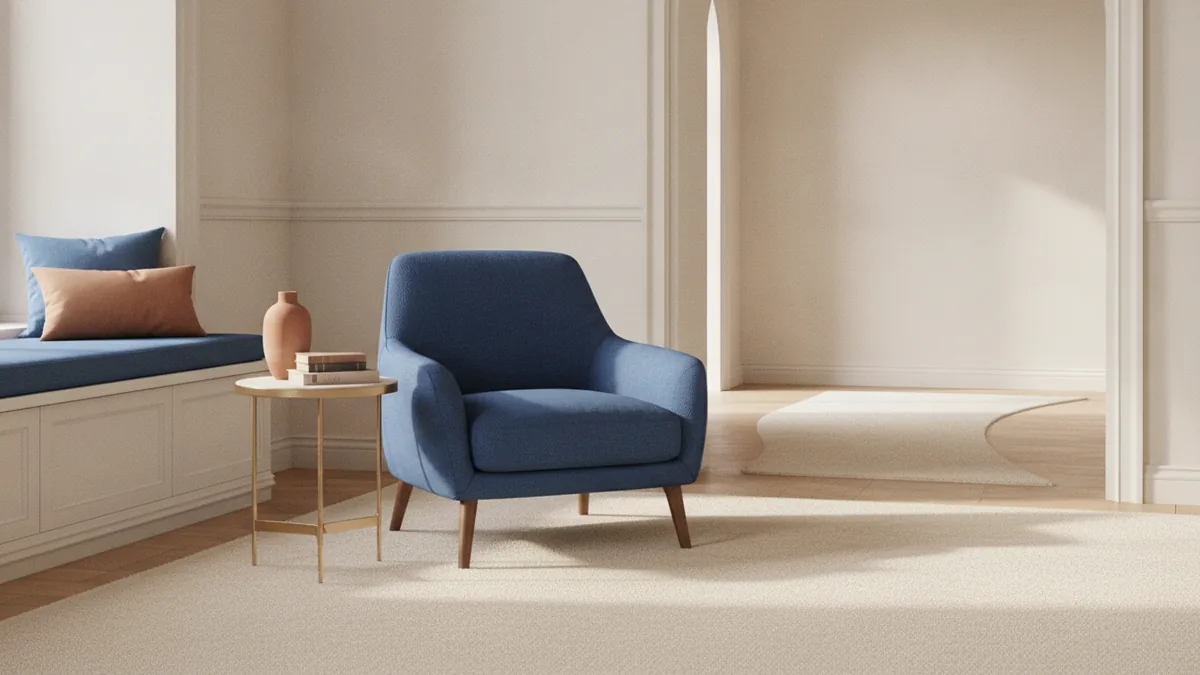
A corner sofa can make good use of a wide, open angle. Place its long side beside the largest wall. Leave room for a side table and easy access.
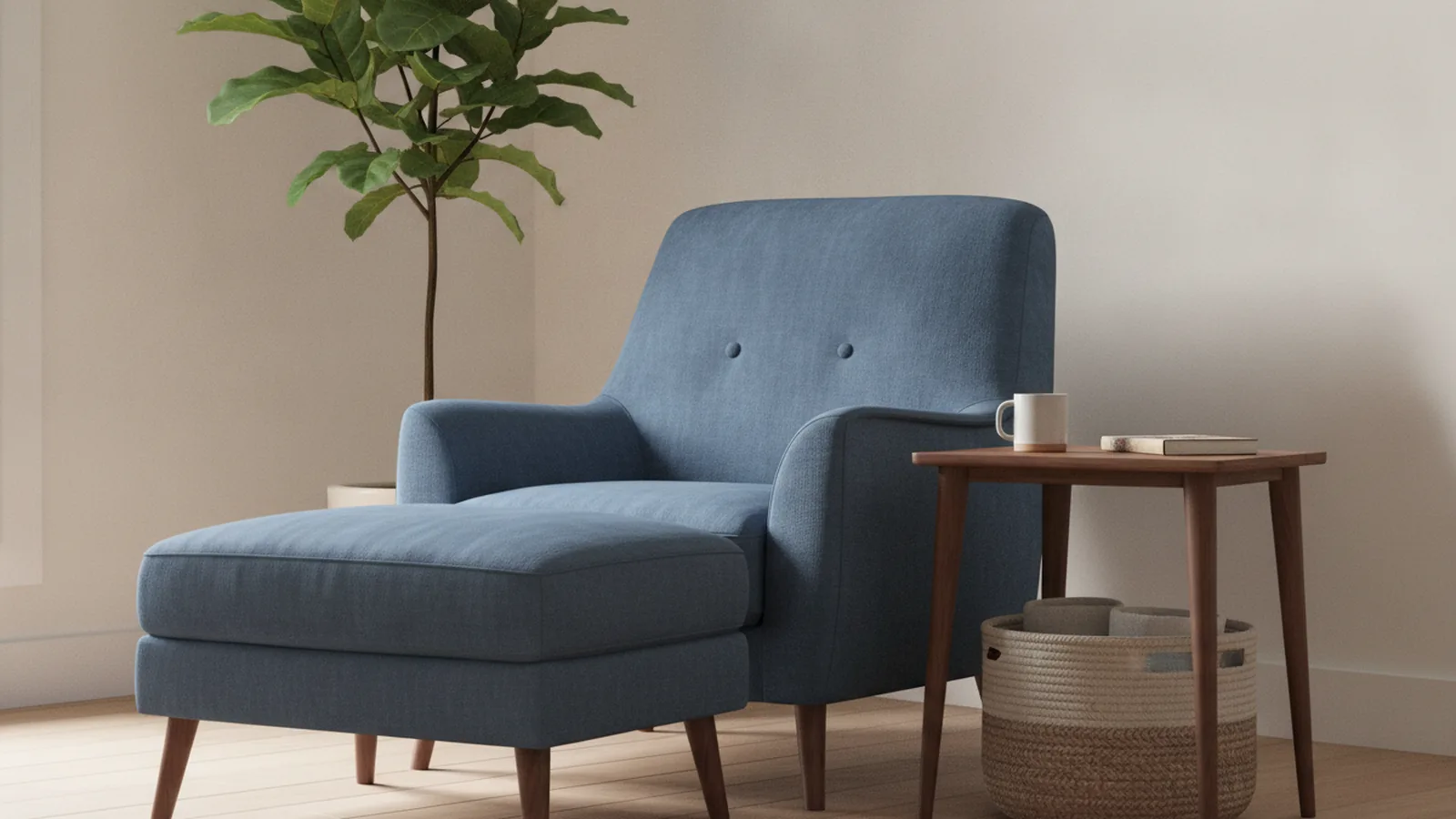
For a small room, try one lounge chair with a slim table. Two light chairs can create a chat spot without taking over the floor. A storage bench can add both seating and space for throws.
Think about sight lines before you settle on a layout. A chair should face the sofa, fireplace, or main view. Turn it toward a blank wall only when it serves a quiet reading spot.
If you wonder what to put in an empty corner of living room space, match the item to your daily life. A compact desk suits work or reading. A low pouf suits guests, games, and flexible seating.
To fill a corner in a living room, keep the furniture scale in line with the room. A large chair may suit a broad corner. A narrow frame works better beside a busy walkway.
Shelves and Useful Storage
Corner shelving adds height without using much floor space. A ladder shelf suits a narrow corner. A tall bookcase offers more storage, but it needs a firm base and a safe wall fix.
Use shelves for books, baskets, framed art, and small keepsakes. Leave open space between groups. Filling about two-thirds of each shelf keeps the display calm.
Built-in shelves suit homes that need a lasting storage plan. Freestanding shelves suit renters and people who change layouts often. Choose a finish that echoes your table, floor, or media unit.
| Corner need | Useful choice | Best placement |
|---|---|---|
| Books and records | Tall bookcase | Along the longest wall |
| Small items | Ladder shelf | In a narrow corner |
| Hidden storage | Closed cabinet | Near the media area |
| Extra seating | Storage bench | Under a window |
Use a low cabinet when a tall piece would crowd the room. Add baskets for toys, throws, or pet gear. Keep daily items easy to reach.
This is a strong answer to how to fill corner of living room space without adding clutter. Storage gives the corner a job. It also keeps the rest of the room clear.
Decorative Touches That Add Character
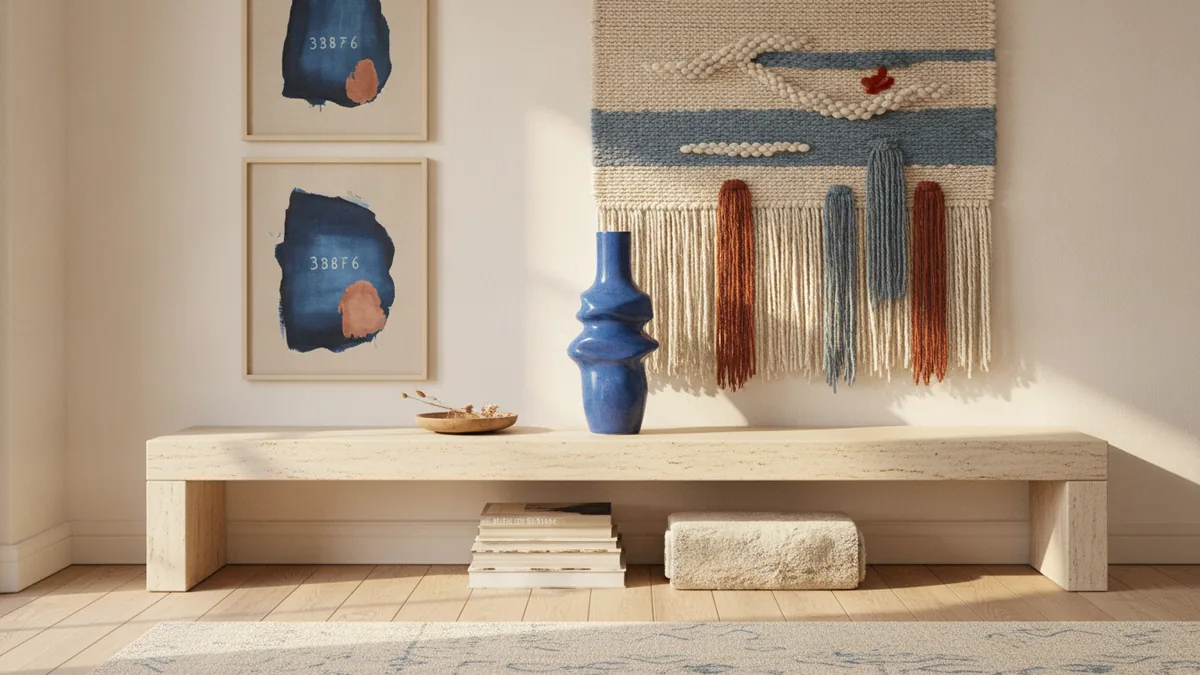
Not every corner needs a large piece of furniture. A wide vase on a small stand can create a clean focal point. Choose one strong shape instead of many tiny objects.
Wall art can turn a blank angle into a planned feature. Hang one large piece, or group three smaller works with even gaps. Keep the display near eye level from the main seating area.
Wall hangings add softness to a sharp corner. Try woven fiber, a framed textile, or a wood panel. Repeat one color from the sofa or rug so the corner feels linked.
- Use a vase for height and a calm shape
- Choose art that reflects a place, craft, or interest
- Repeat one room color in the corner
- Mix smooth and rough textures for depth
If you ask what to do with an empty corner in living room space, start with one focal piece. That choice creates a clear visual anchor. Add a second item only when the space still feels bare.
For a dining area, the answer to what to put in corner of dining room may be a mirror, narrow console, or framed print. A small bar cart can work when it leaves the path clear. Keep the surface useful and easy to clean.
Plants and Greenery in Corners
Plants add life, color, and shape to an unused corner. A tall plant fills vertical space without much furniture. A rubber plant, palm, or snake plant can suit many styles.
Match the plant to the light, not just the look. A bright spot may suit a fiddle-leaf fig. A dim spot may suit a snake plant or cast-iron plant.
Use a stand to lift a small plant from the floor. A woven basket can hide a plain pot and add texture. Leave space around the leaves for air and easy watering.
Keep plants away from hot vents and cold drafts. Use a tray under pots to protect wood floors. If pets share the room, check each plant's safety first.
Plants can help when deciding what to put in a corner in a living room. They work well beside a chair, shelf, or low cabinet. Choose one large plant for impact, or group two small plants at different heights.
Lighting Solutions for Dark Corners
Good lighting can make a corner useful after sunset. A floor lamp beside a chair creates a simple reading spot. A slim lamp also adds height without a wide base.
Use a table lamp on a console or side table for a warm pool of light. An uplight can wash a wall and make the ceiling seem higher. Aim light away from screens to reduce glare.
Layer the corner with the room's main lights. A warm bulb often feels softer than a cool white bulb. Choose a shade that spreads light without shining into people's eyes.
When learning how to style corner of living room space, pair light with one useful object. Try a lamp beside a chair, plant, or small table. The pairing looks planned and supports real use.
How to Choose the Right Corner Idea
To fill empty corner in living room spaces well, rank your needs first. More seating, storage, light, and visual interest call for different choices. The right answer solves a real problem.
Use a chair for comfort, shelves for storage, plants for life, and lamps for evening use. Use art when the corner needs shape but not more floor pieces. This simple match keeps the design focused.
Personal style matters too. A calm room may suit pale wood, woven baskets, and soft green plants. A bold room may suit dark metal, bright art, and sculptural forms.
So, what to do with corner of living room space depends on the mood you want. You can make it useful, restful, or striking. You do not need to fill every inch.
- Measure the corner and mark the usable floor area
- Choose one main purpose for the space
- Pick an item that fits the room's scale
- Add one layer of light, texture, or color
- Walk through the room and check the path
These steps also answer how to fill empty corner in living room layouts with less guesswork. Edit the corner if it feels crowded. A small, well-placed piece often works best.
Frequently asked questions
- What to put in a corner of living room?
- Start with the corner's size, light, and location. Then choose a chair, shelf, plant, lamp, or art piece that serves one clear purpose.
- How to fill an empty corner in living room?
- Use a chair, storage bench, tall plant, slim shelf, or floor lamp. Keep the piece in scale with the room and protect the walking path.
- What to put in an empty corner of living room?
- Try a corner sofa, lounge chair, ladder shelf, plant stand, or narrow cabinet. Mark the footprint first to test the fit.
- What to put in corner of dining room?
- A mirror, narrow console, framed art, plant, or small bar cart can work well. Leave enough space for chairs and people to move.
- How to style corner of living room?
- Use one focal item, then add a lamp, plant, or small table if needed. Repeat a room color to make the corner feel connected.
Related reading
How to Arrange Living Room Furniture for Better Flow
Plan a living room that feels open, useful, and easy to enjoy.
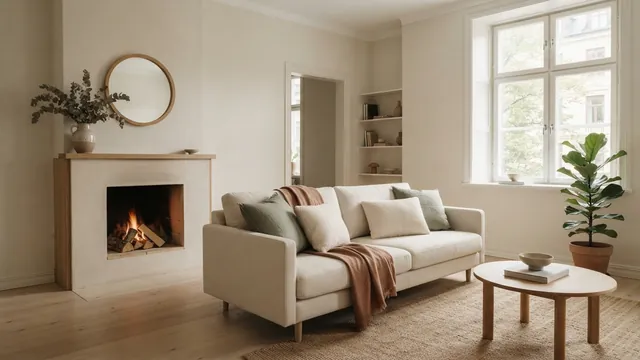
Couch Placement — Comfort, Flow, and Style
Arrange couches for easy movement, good conversation, and a balanced room.
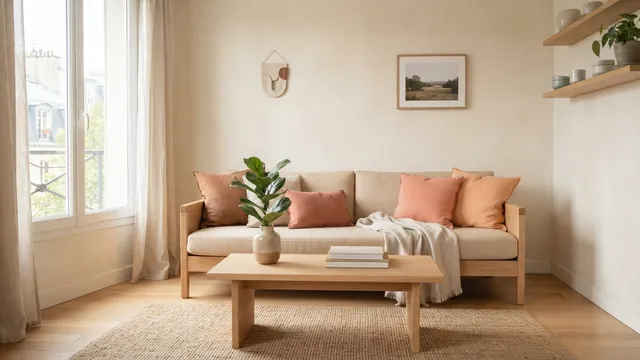
Living Room Design: Style and Function
Shape a living room that feels warm, useful, and distinctly yours.