Living Room Design: Style and Function
Shape a living room that feels warm, useful, and distinctly yours.
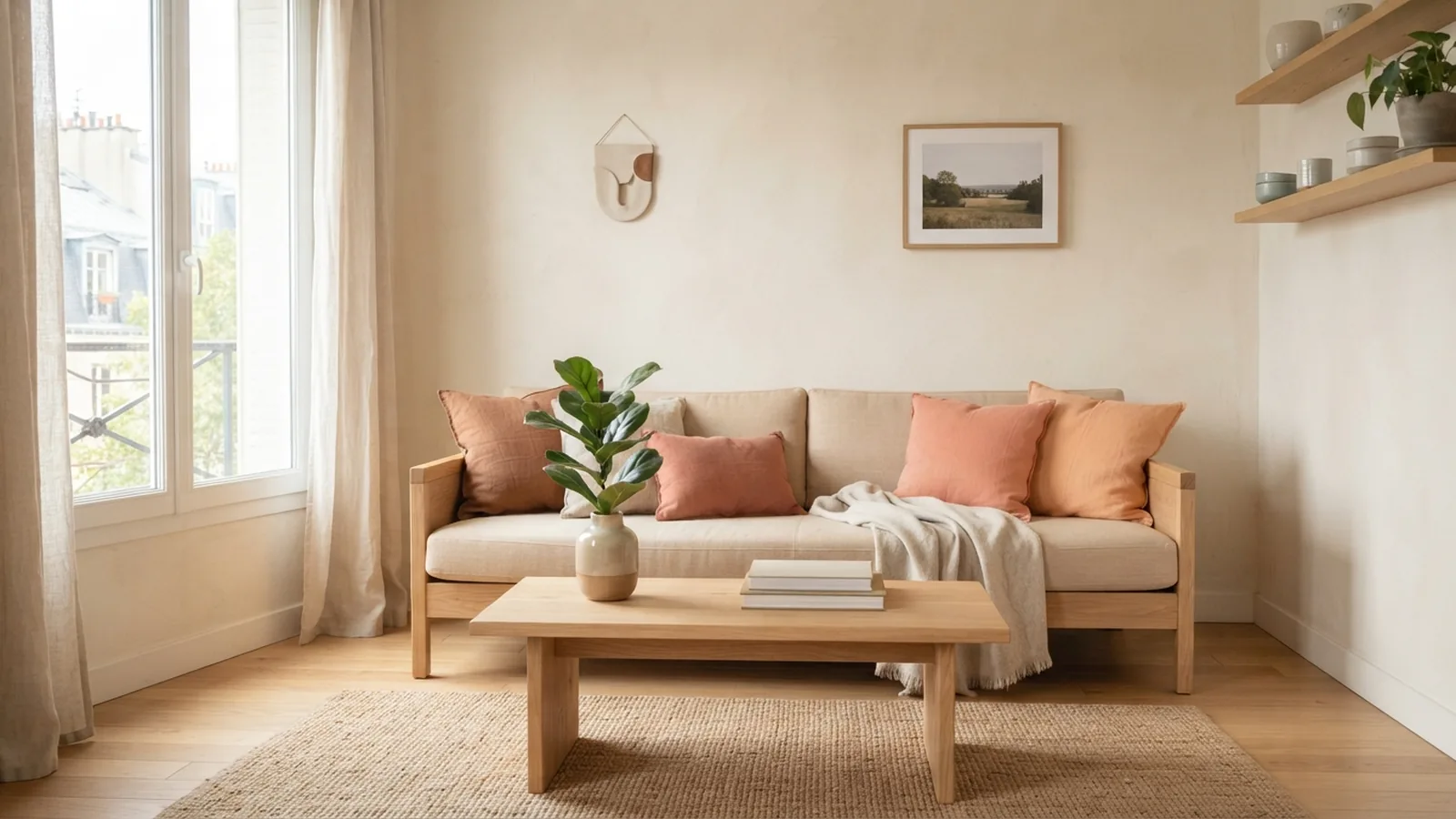
Establish a Living Room Style
When you wonder how to design a living room, start with how you use it. List the room’s main jobs, such as reading, relaxing, hosting, or play. A good plan makes those tasks feel easy. Style should support daily life, not get in its way.
Modern rooms use clean lines, simple shapes, and open space. Rustic rooms bring in natural wood, woven textures, and earthy shades. Industrial rooms often mix brick, metal, and sturdy furniture. Bohemian rooms layer color, patterns, plants, and collected pieces.
You do not need to follow one style from floor to ceiling. Choose two or three traits that you love, then repeat them with care. For example, pair modern shapes with rustic wood and soft linen. This mix feels personal without looking scattered.
If you ask, “how can I design my living room?” begin with a short list of needs and styles. Save room photos that show details you like, such as a pale wood table or linen curtains. Look for patterns in those choices. They can guide your first design decisions.
- Name the room’s main use.
- Choose two or three style cues.
- Repeat a few shapes, colors, or materials.
Choose a Color Palette
Color shapes a room’s mood and can change how large it seems. Pale walls reflect more light, so they can make a small room feel open. Deep shades add warmth and depth. Yet they may feel close in a room with little daylight.
Build a palette with one base shade, one supporting color, and one or two accents. Warm white, pale oak, and soft green make a calm mix. Cream, terracotta, and muted coral feel warmer. Repeat accent shades in a cushion, vase, or piece of art.
Test paint in the room before you choose a final shade. A color can shift as daylight changes. North-facing rooms may suit warm tones that soften cool light. Sunny rooms can handle muted earth shades. Light trim can help a low ceiling feel less heavy.
For an open living room and kitchen, use related colors in both areas. A rug or a different wall shade can still mark the sitting zone. The goal is a smooth link between spaces, not a perfect match.
Select Furniture That Fits
The sofa is often the largest piece and the room’s main anchor. Measure the wall, doors, and walking paths before you buy. A sofa that blocks a doorway or crowds a window can make the whole room harder to use. Leave room to move around it.
Choose furniture for real tasks as well as looks. A storage ottoman holds blankets and works as a footrest or spare seat. Nesting tables tuck away when guests leave. A sofa bed gives overnight guests a place to sleep. These pieces add use without taking up more floor space.
Balance the sofa with chairs or a bench that suit the room. Slim chairs may fit a narrow room better than a bulky loveseat. A round coffee table can ease tight paths. A long, narrow table can suit a rectangular space. Check seat height and table reach before buying.
To work out how to design living room furniture, map each piece before it arrives. Mark its size on the floor with tape. Allow about 30 to 36 inches for a main walkway when space permits. A smaller path can work, but avoid tight turns around sharp corners.
- Measure the room and each large piece.
- Pick furniture that serves more than one purpose.
- Test the layout with tape before you buy.
Arrange a Layout for Easy Movement
To learn how to design a living room layout, first mark doors, windows, radiators, and built-in features. Keep a clear route from the entry to the seats. Then place the sofa and chairs around a focal point. That might be a fireplace, a view, or a media unit.
When planning how to design a rectangle living room, avoid lining every piece along the long walls. Float the sofa across part of the room to form a seating zone. A rug can mark that zone. Set chairs across from the sofa or at an angle, with a walkway along one side.
Small rooms often work best with fewer pieces and some open floor. Try wall shelves instead of a wide bookcase. Choose tables with open legs. If you are thinking about how to design a living room with a fireplace, keep safe space around the hearth. Arrange seats so people can enjoy its warmth and still talk.
For a room with a fireplace and TV, check the view from each seat before you settle on a plan. They can share one wall when the setup allows. If they sit apart, angle the seats to serve both. Avoid placing a screen where window glare makes it hard to see.
In an open kitchen, the back of a sofa can define the living area without a wall. Keep a clear path between the kitchen and seats. A slim console behind the sofa can add storage. Leave enough room for people to pass.
- Map door swings and main paths first.
- Set seats around one main focal point.
- Use a rug, light, or sofa back to mark zones.
- Walk each route to find tight spots.
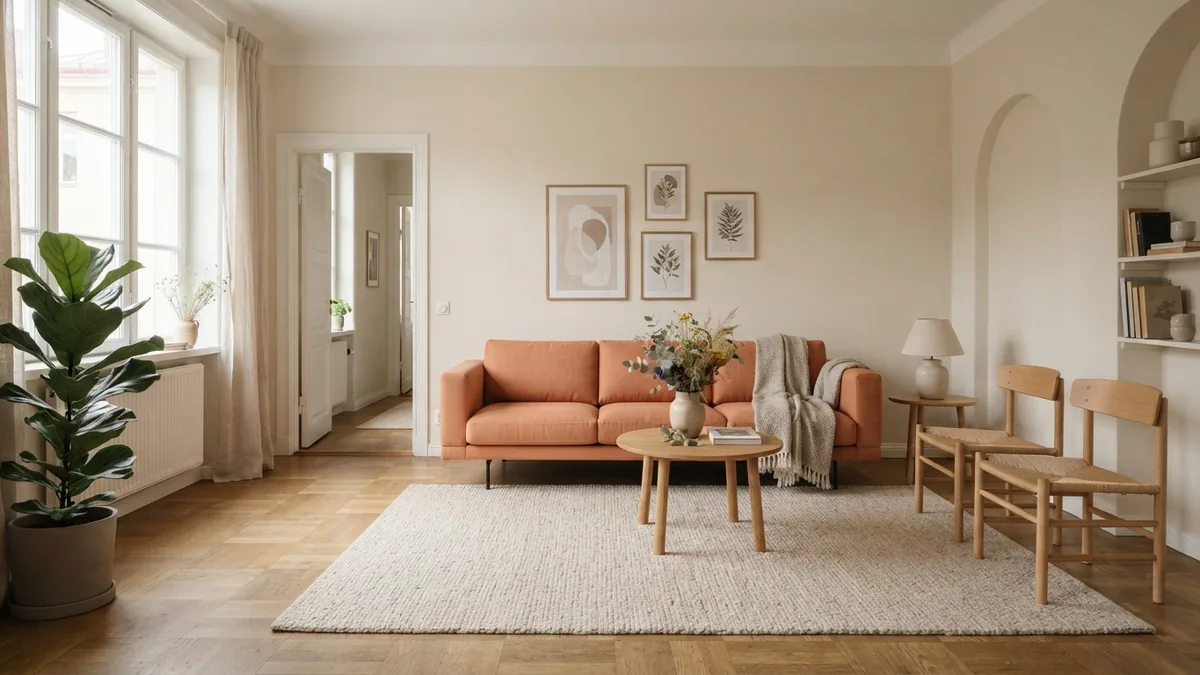
Layer Natural and Artificial Light
Good light helps a living room feel open and work for more tasks. Keep window areas as clear as you can. Light curtains soften daylight while still letting it through. Add a shade if you need more privacy.
Use more than one light source. A ceiling light can brighten the whole room, while a floor lamp can help with reading. Table lamps add a softer glow near seats. Choose bulbs with a warm tone for a relaxed feel.
For how to design living room lighting, think about what happens in each part of the room. Place a reading lamp beside a chair, not across the room. Use a dimmer where possible. It lets you shift from bright light for tasks to softer light at night.
Natural light, lamps, and shades all shape the room’s mood. Keep cords tucked away, and avoid lamps that block a walkway. Aim light toward a wall or ceiling if you want a gentle glow. The room should feel bright without harsh glare.
Add Decorative Details
Decorative pieces bring warmth and character to a room. Curtains can soften hard edges and frame a window. Hang them close to the ceiling to make the room feel taller. Choose a length that suits the window and keeps fabric clear of the floor.
Artwork gives the eye a place to rest. Hang one larger piece above a sofa, or group a few smaller works with even spacing. Keep the art at a height that feels natural from the seats. A few chosen pieces often look calmer than a crowded wall.
Plants add color and a link to the outdoors. Choose kinds that suit the light in each spot. Use ceramics, books, and cushions to bring in small touches of color and texture. Leave some surfaces open so the room does not feel cluttered.
If you are collecting living room ideas, focus on details that suit your home and habits. A handmade bowl or a well-loved chair can mean more than a room full of new things. A few personal touches make a space feel lived in.
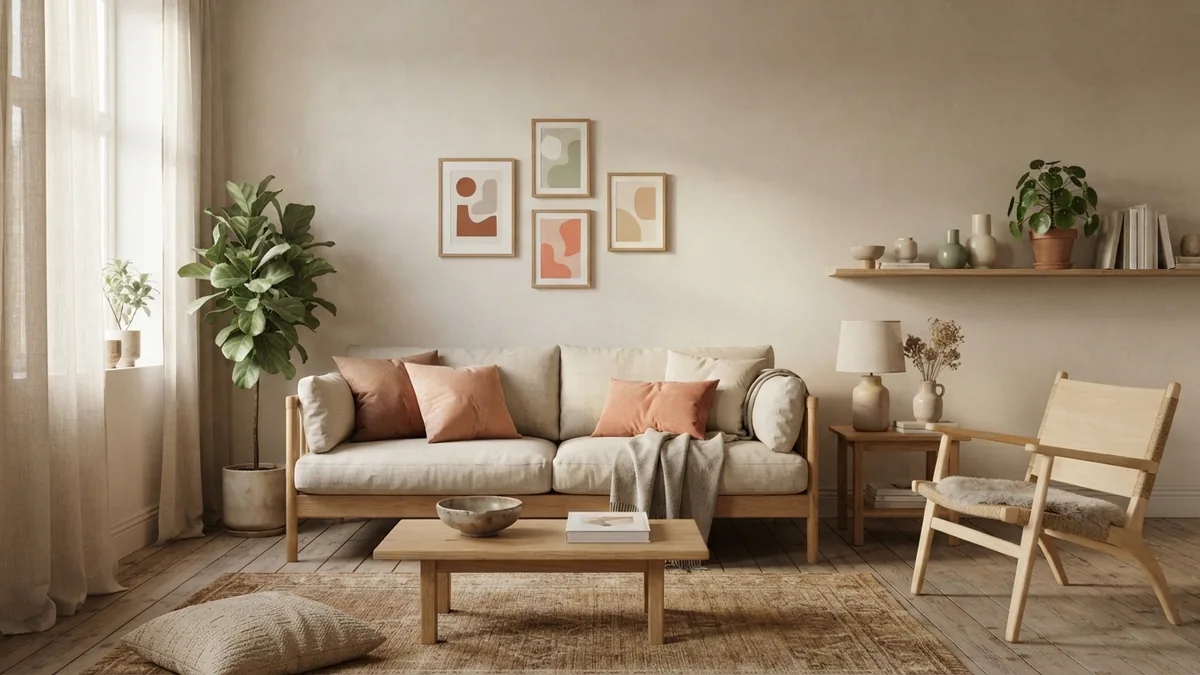
Design a Living Room on a Budget
To design a living room on a budget, first set a spending limit and list the changes that matter most. A fresh coat of paint can shift the whole mood. Moving furniture costs nothing and may fix a poor layout. Try these steps before you shop.
Spend first on items you use every day, such as a sofa or a good reading lamp. Look for side tables, art, and storage at secondhand shops. Check each item for wear, fit, and repair costs. A low price is not a bargain if the piece does not suit the room.
Refresh what you already own. Change cushion covers, move a lamp, or place a rug in a new spot. You can also paint a small table or replace worn knobs. These modest changes can give familiar pieces a new role.
Shop with measurements and a short list. Compare sizes and materials before you pay. Leave room in your budget for delivery or small repairs. A steady plan helps you shape a room that feels complete without buying everything at once.
Ask yourself, “how should I design my living room?” Start with the room’s use, then set the layout and choose key pieces. Add color, light, and personal details in stages. That is how to design my living room in a way that feels both useful and true to me.
Frequently asked questions
- How do I start designing my living room?
- List the room’s main uses, then measure the space and mark doors, windows, and paths. Choose a style and layout that suit those needs.
- How should I arrange furniture in a rectangular living room?
- Avoid placing every piece along the long walls. Float the sofa to define a seating zone, then keep a clear walkway along one side.
- How can I make a small living room feel larger?
- Use fewer, well-sized pieces and keep some floor visible. Pale colors, open-leg tables, and clear walking paths can make the room feel more open.
- How do I arrange a living room with a fireplace and TV?
- Check sightlines from each seat and avoid glare from windows. Place both on one wall if that works, or angle the seating to face each feature.
- How can I design a living room on a budget?
- Start by moving furniture and repainting before buying new pieces. Spend on items you use often, and look for sound secondhand furniture and decor.
Related reading
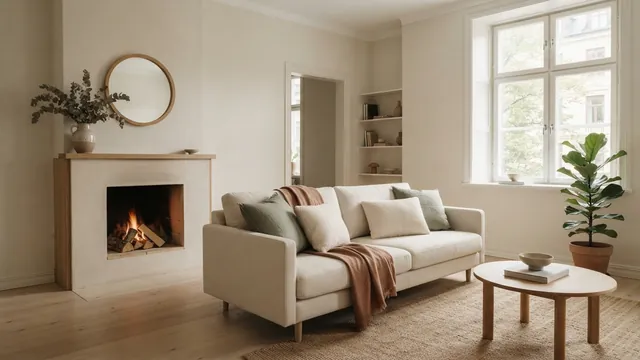
Couch Placement — Comfort, Flow, and Style
Arrange couches for easy movement, good conversation, and a balanced room.
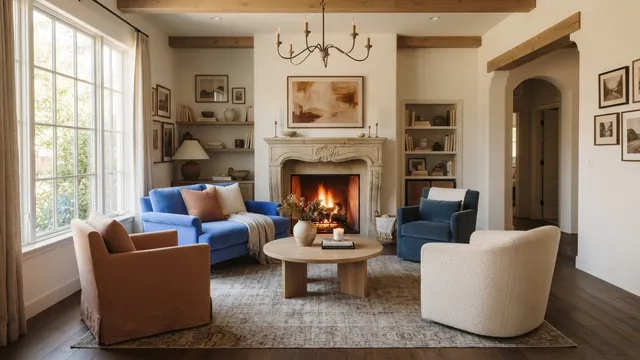
How to Arrange Living Room Furniture for Better Flow
Plan a living room that feels open, useful, and easy to enjoy.
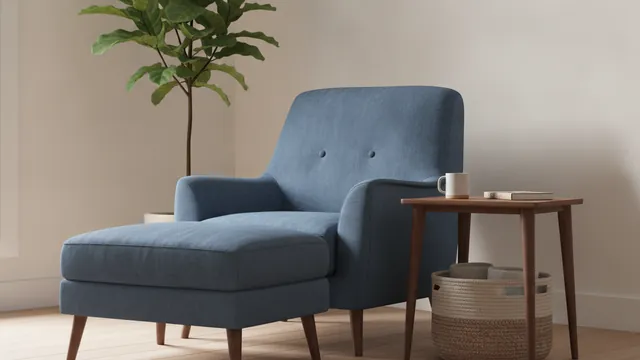
Smart Ways to Fill an Empty Living Room Corner
Turn an empty living room corner into a useful, stylish part of the room.