How to Decor Your Home (Plants, Lighting, Layout, Style)
Decorate with confidence using plants, art, layered light, and a layout that feels right.
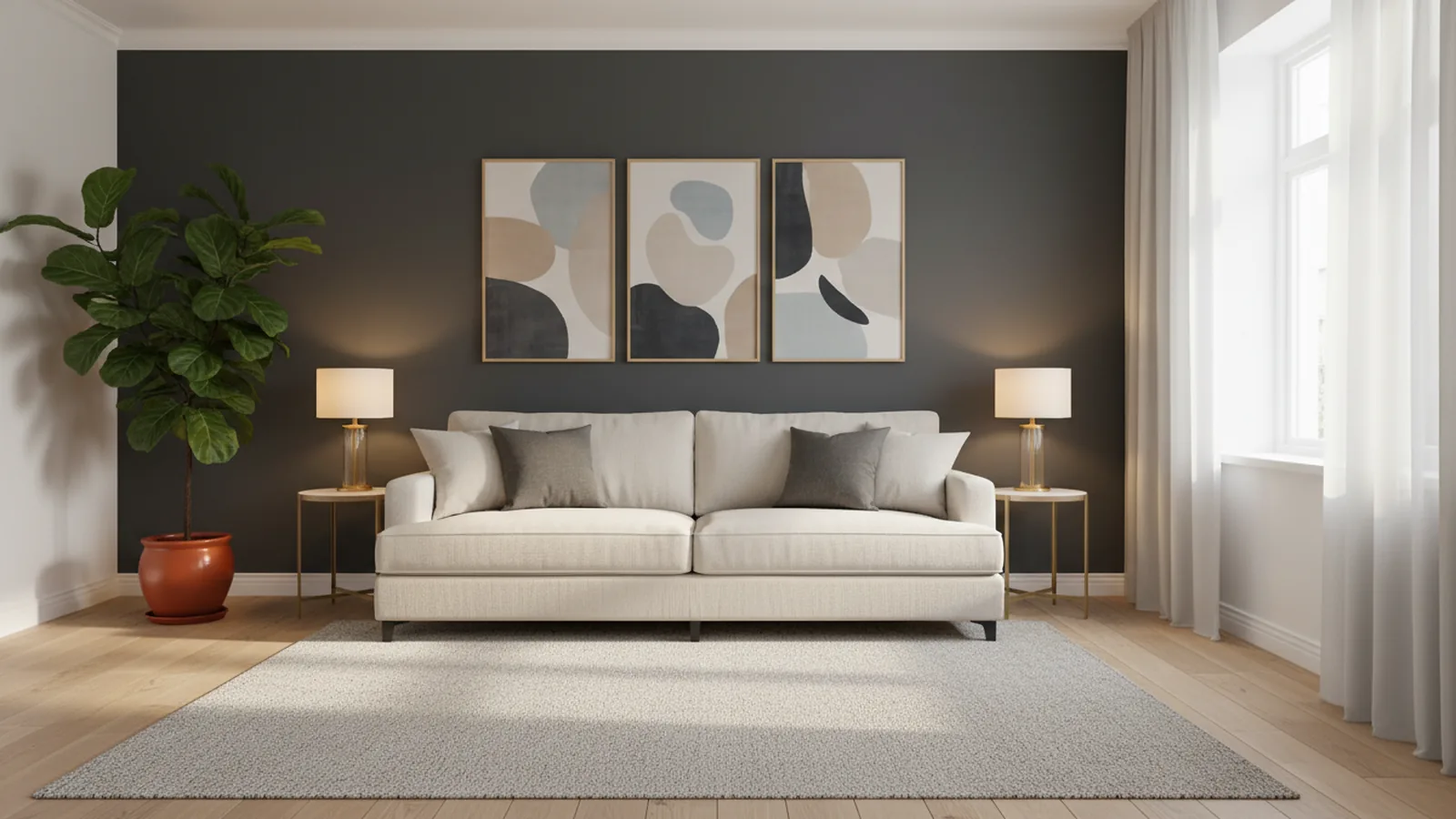
Start with home décor basics that feel welcoming
If you want a home that feels inviting fast, focus on flow, balance, and comfort. A good starting point is to pick one room to stage, then improve it in small steps. When you change just one element, you can feel what works and what clashes. This is the simplest way to learn how to decor your home without wasting money.
Begin by noticing what the room already offers. Look at natural light direction, ceiling height, and the biggest items you cannot move easily. Then choose a goal for the room, like “calm and cozy” or “bright and playful.” Your goal will guide decisions on color schemes, art scale, and where plants can anchor the space.
Finally, aim for a finished look, not a showroom look. Most lived-in rooms have layers: soft textiles, a few varied heights, and a couple of focal points. When everything matches too closely, the space can feel flat. When a few things coordinate loosely, it feels real and intentional.
- Pick one room and set a clear mood before shopping.
- Work from the largest items toward smaller details.
- Create balance with both color and height.
- Use “layers” to avoid a flat, empty look.
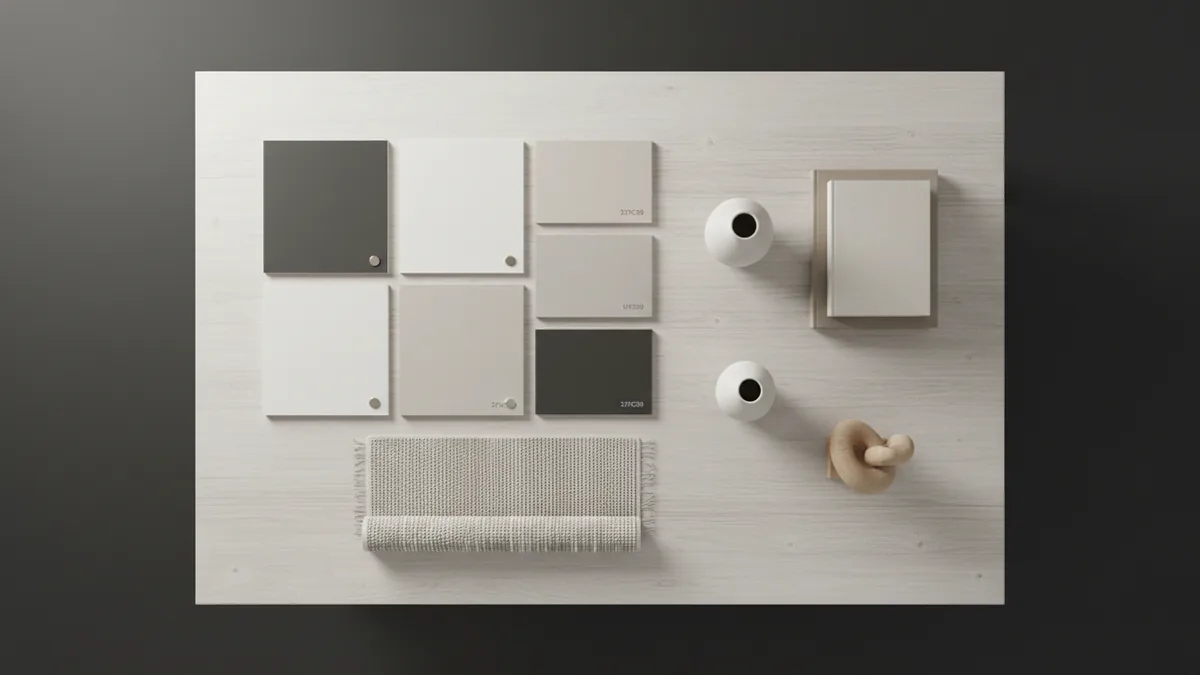
Choose a color palette that matches your mood
Color schemes for home start with how the room is lit and used. If a room gets cool light, warm colors can help it feel more comfortable. If it gets warm light, deep cool tones can prevent the space from feeling washed out. Try to decide your palette as you would decide an outfit: a base, a main color, and one accent.
Use the 60-30-10 rule as a practical guide. About 60% can be your main neutral, like warm white or light beige. About 30% is your secondary color, such as a sofa or wall tone. The last 10% is your accent, like a plant pot, pillow, art frame, or small rug pattern.
To make it feel personal, borrow colors from things you already love. A favorite sweater, a travel photo, or a natural wood finish can guide your choices. This also helps if you are figuring out how to decor my home while working around existing furniture. Keep two main colors consistent across the room so the space looks cohesive.
| Palette role | What to choose | Easy examples |
|---|---|---|
| Main neutral (60%) | Walls, big upholstery, large rugs | Warm white, light greige, soft taupe |
| Secondary tone (30%) | Accent walls, drapes, larger decor | Olive, clay, navy, muted teal |
| Accent color (10%) | Small decor, pillows, frames, lamps | Terracotta, brass, deep green, black |
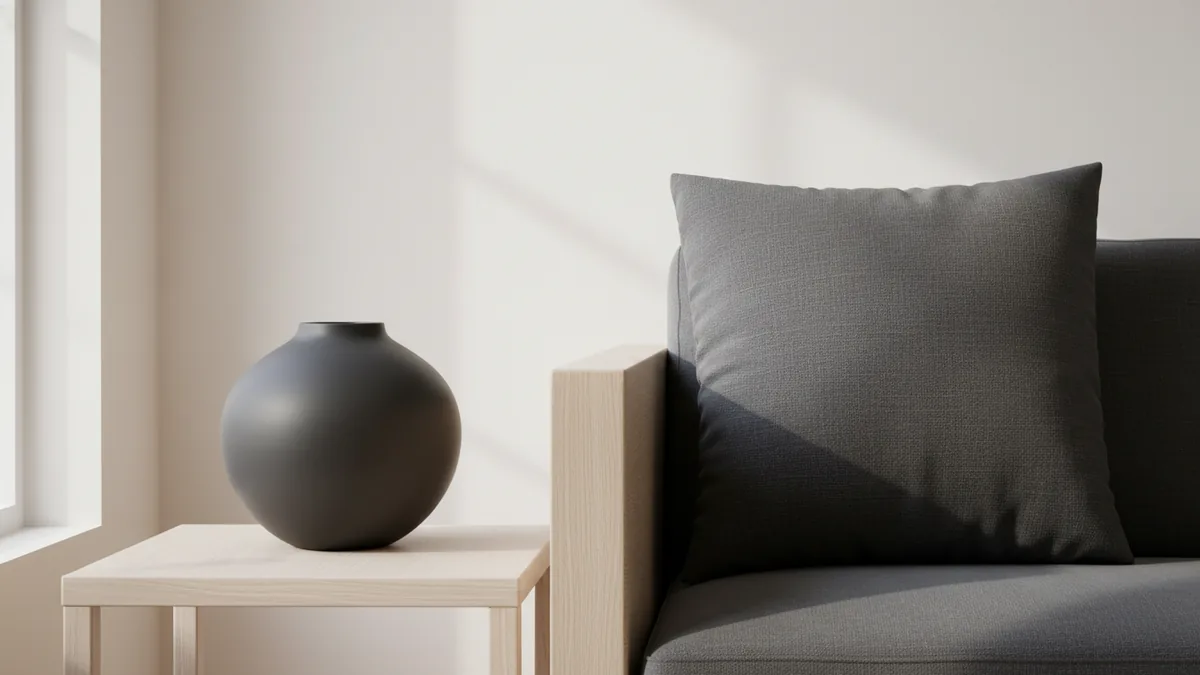
Make plants part of the design, not an afterthought
Indoor plants add life, texture, and a calmer feel. They also support better air quality by increasing plant cover in living spaces, though results vary by plant type and room setup. The key is to design around plants with the same care as furniture. This is the most reliable way behind how to decor home with plants.
Start with placement and scale. A tall plant works as a visual anchor near a couch or in a corner that needs height. A mid-size plant can sit beside a chair or console to break up visual space. A cluster of smaller plants looks intentional on shelves, window ledges, or a bedside table with enough clearance.
Choose plants that match your light, not just your taste. For bright windows, consider succulents or rubber plants. For medium light, try pothos, ZZ plants, or peace lilies. If you are unsure, pick one “easy” plant first, then add another after you learn your care routine. This keeps home styling realistic.
- Use one plant as a focal piece, then add supporting greenery.
- Group plants by height to create a clean silhouette.
- Match pot style to your palette, like matte for calm rooms.
- Keep plants near the window or use a simple grow light.
For quick styling, repeat leaf shapes in the room. If your plants have broad leaves, add a few matching textures with woven baskets or linen. If your plants have narrow leaves, you can add sleek metal accents to echo that rhythm.
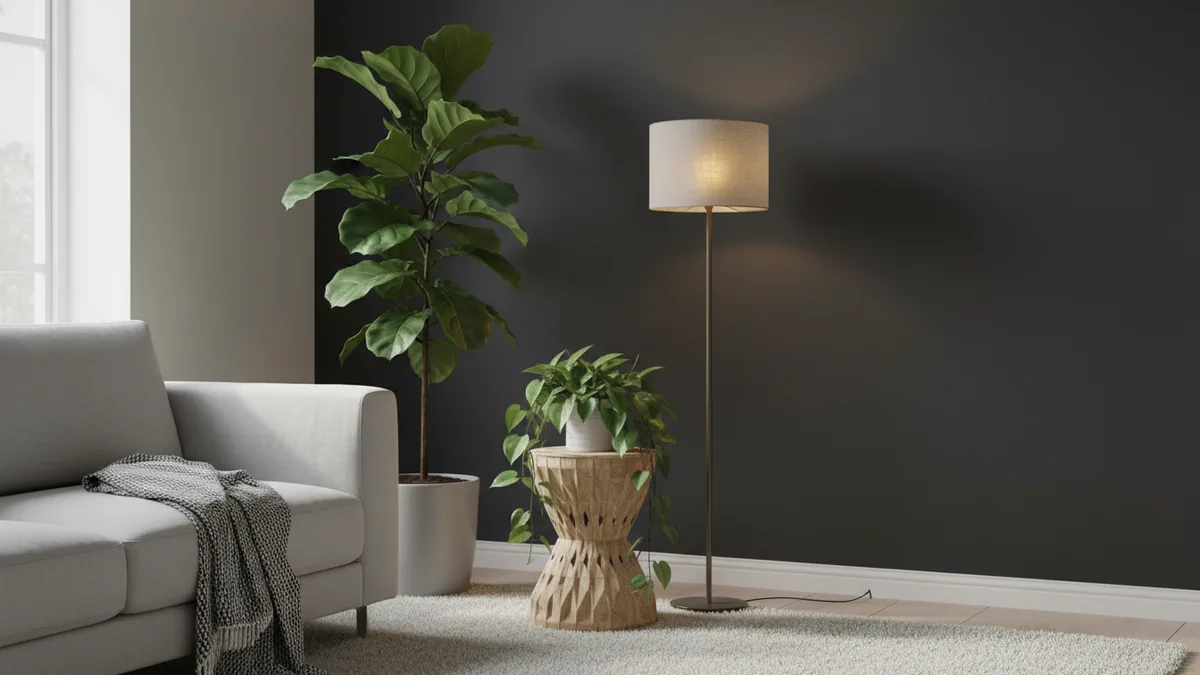
Use art and personal photos for character
Art and photography display turn a decorated room into your room. Start by picking one theme, like travel, family moments, nature, or abstract color studies. Then choose pieces that share similar color tones with your palette. This helps your decor feel curated instead of random.
For wall art, decide between a single statement piece or a gallery layout. A single large artwork often looks best above a sofa or bed because it creates a clear focal point. A gallery wall works well on hallways and stair landings where viewers move naturally past the frames. If you go gallery, keep frame colors consistent and vary sizes for depth.
For photos, avoid mixing too many styles. Choose either black-and-white prints or full-color images, then keep the same finish across the set. You can also add texture by using matte paper, wood frames, or simple glass options. The goal is for the photos to enhance the room, not compete with furniture and plants.
If you want an easy way to place art, use paper templates on the wall. Tape each frame outline, step back, then adjust until it feels balanced. This saves time and reduces the “was it too high?” guessing that happens after hanging.
- Pick a theme that matches your daily life.
- Match art tones to your color palette.
- Choose one framing style to keep cohesion.
- Use paper templates to test placement.
Layer lighting for depth, comfort, and better atmosphere
Lighting design is where rooms start to feel expensive. Most people rely on one ceiling light, but that flattens the space. Instead, layer light in three types: ambient, task, and accent. When these work together, you get both function and mood.
Ambient light is your general illumination. Use it as the base, then build from there with lamps and wall fixtures. Task lighting should focus on what you do, like reading near a chair or cooking near a counter. Accent lighting adds dimension by highlighting art, shelves, or architectural features.
Choose bulbs with temperature in mind. Warm light around 2700K to 3000K usually feels cozy in living rooms and bedrooms. Neutral light can be useful in kitchens and home offices. Also consider dimmers, even a simple one, because they help you shift moods for evenings.
- Ambient: ceiling fixture or overhead track.
- Task: floor lamp, desk lamp, or under-cabinet light.
- Accent: picture lights, shelf lights, or small spotlights.
To avoid harsh shadows, place lamps at different heights. A floor lamp plus a table lamp often beats two lamps at the same height. Aim light slightly off the surface, not directly into your eyes.
Arrange furniture for function first, then style
Furniture arrangement shapes how you move and relax in a room. Before you decorate, measure the walkway paths you need. Then set a few “anchors,” like where the sofa sits and how chairs relate to it. A good rule is to leave enough space to walk without sidestepping around coffee tables.
Think in zones. Living rooms can have a conversation zone around seating. Dining areas need clear sight lines and room for chairs to slide out. Bedrooms benefit from clear paths between bed, closet, and door. When zones are clear, the room feels calm even with bold decor.
Use proportions to avoid overcrowding. If your rug is too small, furniture can feel like it is floating. If your sofa is too big for the room, everything else becomes cramped. A practical starting point is to size a rug so at least the front legs of key seating sit on it.
| Room | Arrangement goal | Quick setup tip |
|---|---|---|
| Living room | Conversation and comfort | Face seating toward a shared focal point |
| Bedroom | Rest and easy movement | Keep the bedside route clear |
| Dining | Easy chair pull-out | Leave space behind chair backs |
| Entry | First impression | Set a drop spot near the door |
When you style after arranging, keep heights consistent. Use taller decor at the corners and near focal walls. Keep smaller items on surfaces where people will naturally look, like a console or nightstand.
Finish with decorative accessories that tie everything together
Decorative accessories are the final layer of home styling. They make the room feel complete because they add color pops, texture, and personal meaning. A good approach is to select accessories that repeat your palette and match your plant and art choices. This creates a coherent look without feeling overdone.
Start with textiles. Layer a rug, then add pillows and throws that share at least one tone with your walls or upholstery. Textiles help hide imperfections and soften hard edges. Next, bring in functional decor, like a tray for keys, a basket for blankets, or a vase that can hold fresh stems.
Balance surfaces. If you decorate a coffee table, choose a small set of items and leave negative space. Too many objects can make the room feel busy. Use height and texture variation, such as pairing a smooth ceramic bowl with a woven basket and a leafy plant.
- Textiles: rug, pillows, and a throw in matching tones.
- Table items: trays, vases, and candle holders.
- Storage decor: baskets and book stacks.
- Wall add-ons: mirrors for light and depth.
If you are working on how to decor my home over time, rotate accessories seasonally. Swap pillows or wall accents rather than replacing everything. That keeps your budget steady and your style evolving.
Frequently asked questions
- How do I decor my home without making it look cluttered?
- Pick one room goal and limit yourself to a few repeating tones. Leave some negative space on tables and surfaces, and vary height with plants and framed art.
- What is the best color scheme for a living room?
- Choose a warm neutral base and one secondary color, then add an accent. Use the 60-30-10 rule so big items and small decor stay connected.
- How to decor home with plants when I have low light?
- Start with low-light friendly plants like ZZ plants or pothos. Place them near windows first, then add a small grow light if needed.
- How many light sources do I need in a room?
- Aim for at least three layers: ambient overhead, task light for activities, and accent light for art or shelves. Dimmers make it easier to shift mood at night.
- What size rug should I use under a sofa?
- Choose a rug large enough that at least the front legs of key seating sit on it. This helps the furniture look grounded and proportional.
- How do I arrange a gallery wall for personal photos?
- Pick one frame finish and mix sizes for a natural rhythm. Use paper templates on the wall, then step back to check balance before hanging.
Related reading
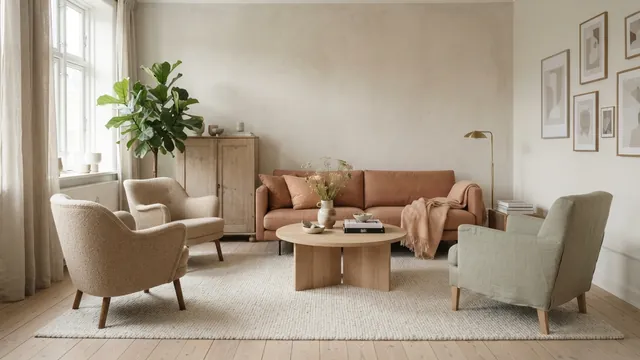
Living Room Rugs — Size, Placement, and Style
Find a rug size that anchors your seating and suits the room.
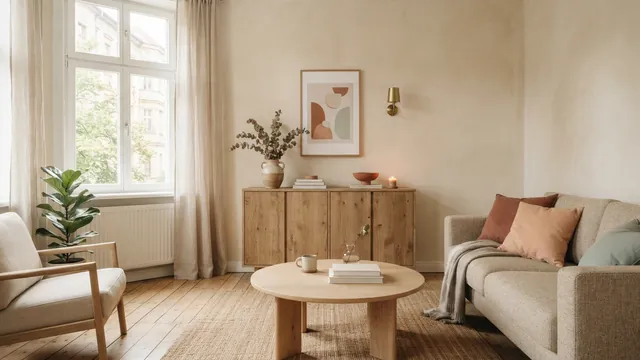
How to Learn Interior Design on Your Own or Online
Learn interior design through clear principles, free courses, and hands-on home projects.
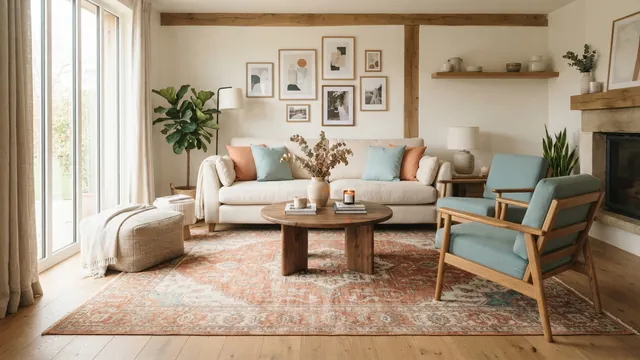
How to Place a Rug in a Living Room With Style
Set the right rug size, layout, and flow for a better living room.