How to Decorate an Apartment Living Room: Style Meets Function
Style + function for a cozy apartment living room—furniture, colors, and small space ideas.
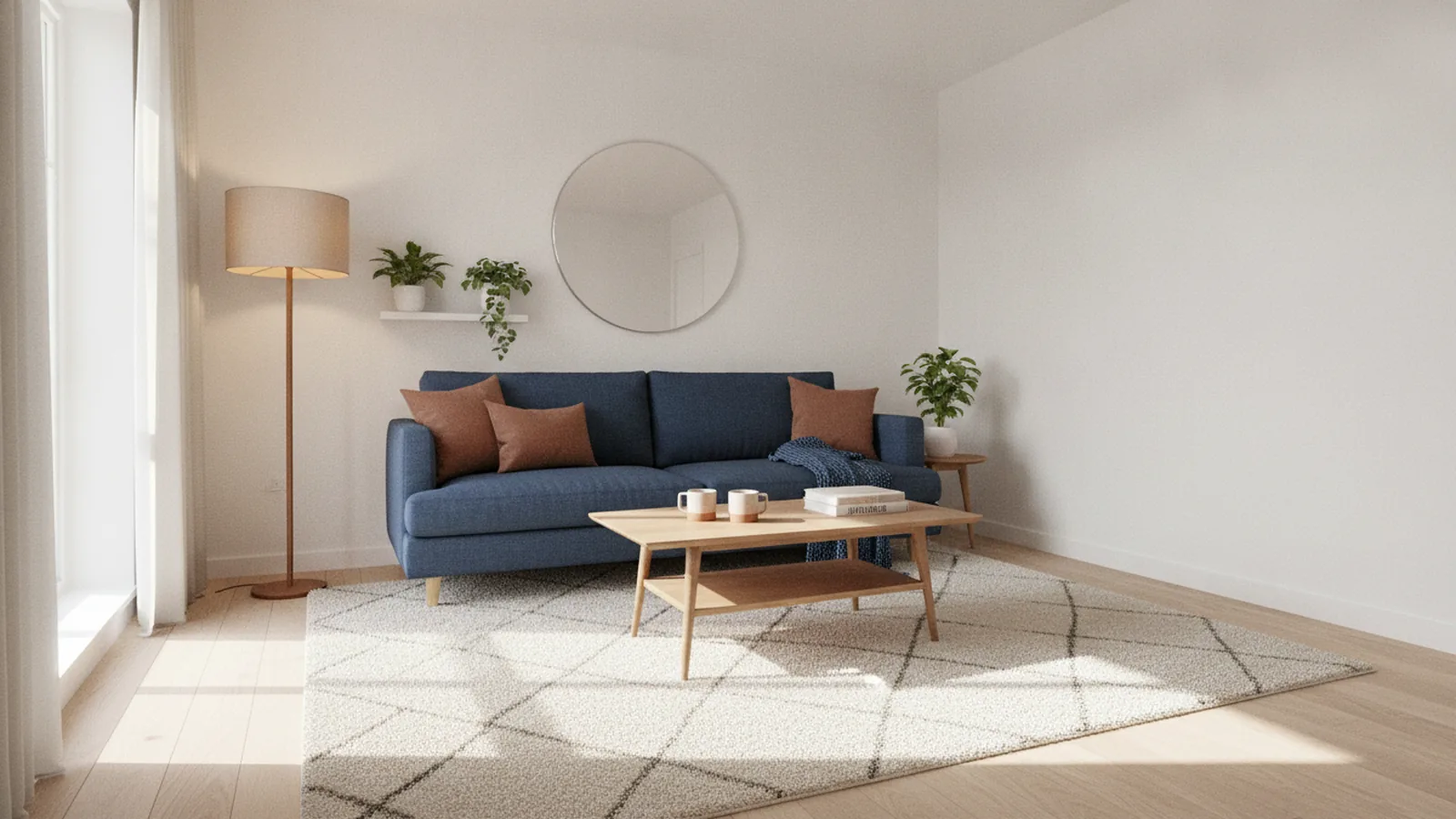
If you want how to decorate an apartment living room that looks good and works every day, start with one layout goal and one style direction. Then build from the largest items inward: seating, a rug that anchors the room, and storage that keeps clutter off surfaces. After that, add warmth with color, texture, and lighting options, and finish with personal art and photos.
Apartment rooms vary a lot in shape, so your first move is planning around the way you actually use the space. Once the room has a clear flow, decoration becomes much easier and decisions feel less random.
Choosing a Style That Fits Apartment Life
Before you buy anything, pick a style you can live with. Minimalist works well when you want clean lines and fewer visual distractions. Bohemian adds comfort through layered textiles, mixed patterns, and relaxed shapes. Modern leans on simple forms, a mix of materials like wood and metal, and a tighter color story.
To choose between styles, look at your daily routines. Do you host friends and need flexible seating? A modern or minimalist base with a couple of soft accent pieces keeps the room welcoming. Do you spend evenings on the couch watching TV? Bohemian or a warm contemporary style usually feels cozier.
Also match your style to the room’s size and layout. A small living room often benefits from lighter colors and slimmer silhouettes. A long, narrow layout can still feel stylish if furniture is arranged to support clear pathways.
- Minimalist: fewer pieces, strong forms, neutral base
- Bohemian: layering, textiles, warm accents
- Modern: clean lines, mixed materials, controlled palette
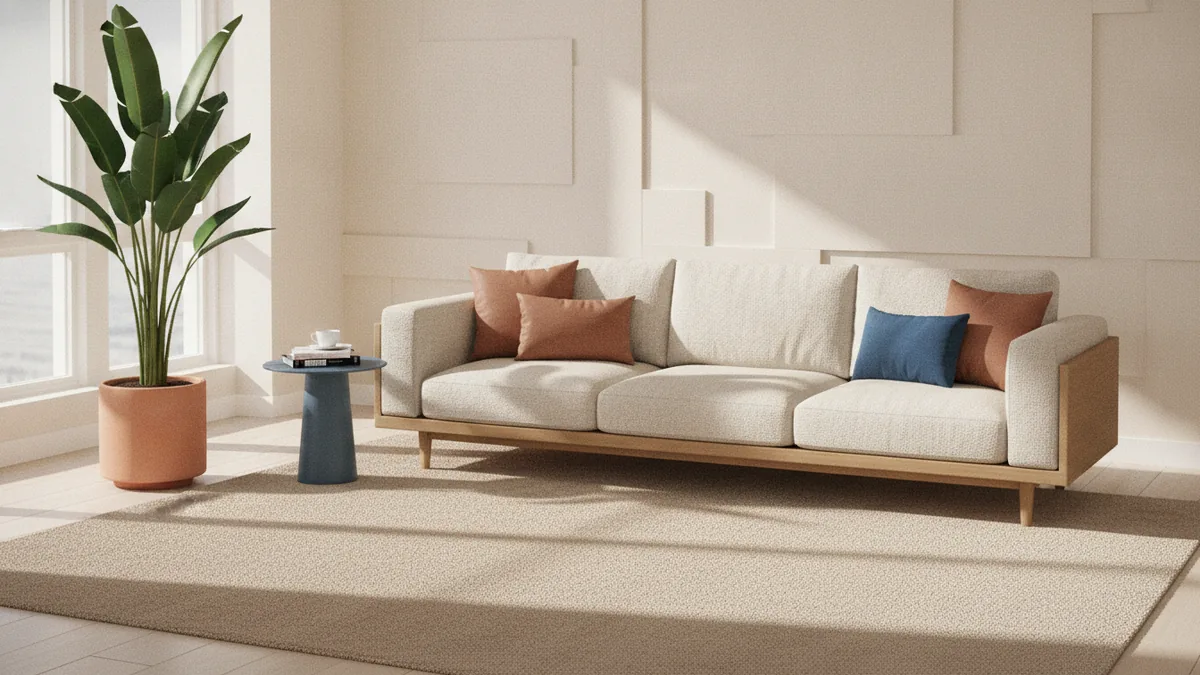
Essential Furniture for a Functional Living Room
Apartment living room decoration ideas usually fail when the furniture scale is wrong or the arrangement blocks movement. Start by measuring the room and sketching a simple floor plan. Mark doors, windows, radiators, and where power outlets sit. Then decide what the room needs most: lounging, hosting, or a work corner.
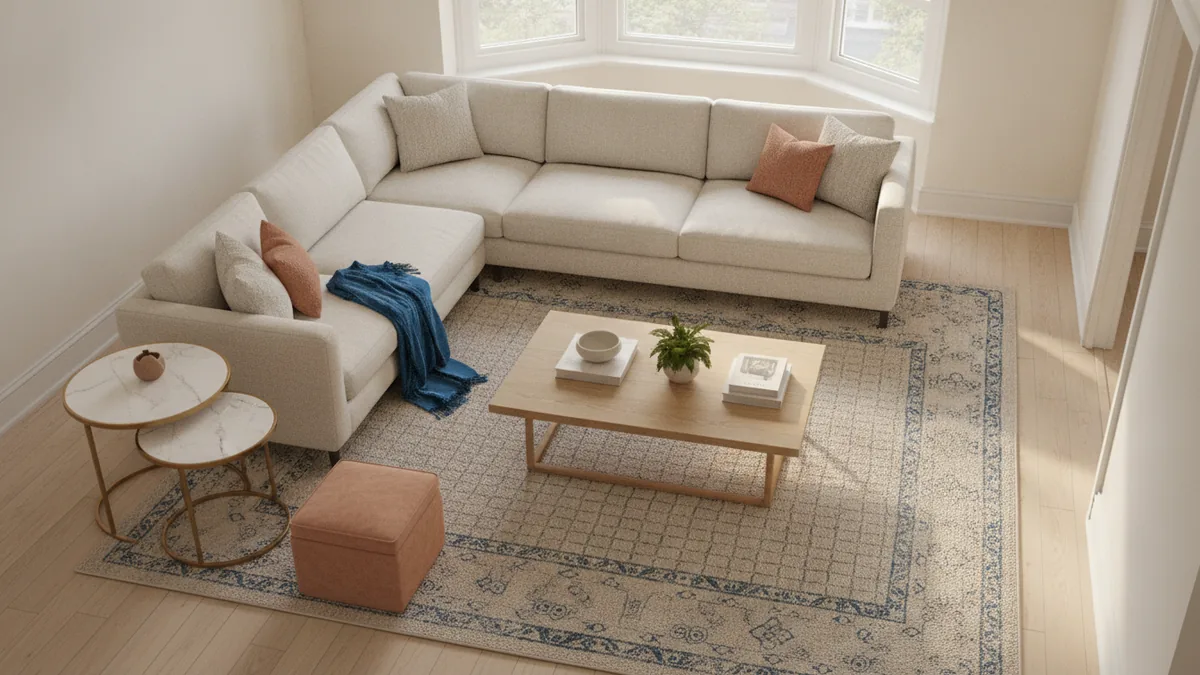
Next, choose pieces based on your layout. For many apartments, a compact sofa or a sectional that faces the TV wall is a practical anchor. If your space is very small, two chairs instead of a bulky sofa can open up walkways. The goal is comfortable seating with a clear path from entry to the main seating zone.
Use furniture arrangement to define zones. Place seating around a focal point like a media console, fireplace, or art wall. Keep a consistent gap between the rug and furniture edges. That small detail makes the whole room feel intentional.
- Anchor piece: sofa or main seating, sized for your room
- Support piece: coffee table or nesting tables
- Storage: media console, sideboard, or bookcase
- Optional seating: accent chairs or a small loveseat
For small space solutions, multifunctional furniture helps a lot. A storage ottoman holds blankets and doubles as a footrest. A coffee table with drawers keeps remotes and chargers nearby. If you work from home, consider a slim console that can serve as a desk.
Color Schemes and Wall Treatments That Feel Warm
Color psychology matters in a living room because your eyes notice it every day. Start with a base color that matches the room’s light. North-facing rooms often feel colder, so choose warm whites or soft beige tones to add comfort. South-facing rooms can handle deeper shades because they already get more daylight.
Pick a palette with one main color, one secondary color, and one accent. For example, pair warm neutrals with a medium wood tone and a muted green or terracotta accent. This structure prevents the common problem of “random matching,” especially when you buy cushions and art separately.
Wall treatments also add style without needing a full renovation. Paint is the quickest upgrade and works especially well if you limit bold color to one wall. Wallpaper can be used behind a sofa or on a narrow section to create focus. If you prefer lower effort, use framed art as a “gallery wall” and treat it like a wall covering.
| Room light | Base color idea | Easy warm accent |
|---|---|---|
| Low light | Warm off-white, light cream | Caramel, muted rust |
| Balanced light | Soft greige, light taupe | Olive, dusty blue |
| High light | Light gray, cool white | Charcoal, deep navy |
To make the room feel finished, coordinate color across the biggest surfaces first. That means sofa and wall tones before small accessories. Once those align, throws, rugs, and lamps feel natural instead of forced.
Rugs, curtains, and throws are your best warmth tools. Choose a rug that adds texture and helps define the seating zone. Use curtains that reach near the ceiling for height. Add a throw in a complementary color to soften hard edges.
Accessorizing With Textures, Lighting, and Decorative Accessories
After the furniture and color palette are in place, accessorizing is where the room becomes personal. Decorative accessories should support the style you chose, not fight it. If you went minimalist, use a few larger items instead of many small ones. If you went bohemian, you can lean into variation while still keeping colors mostly consistent.
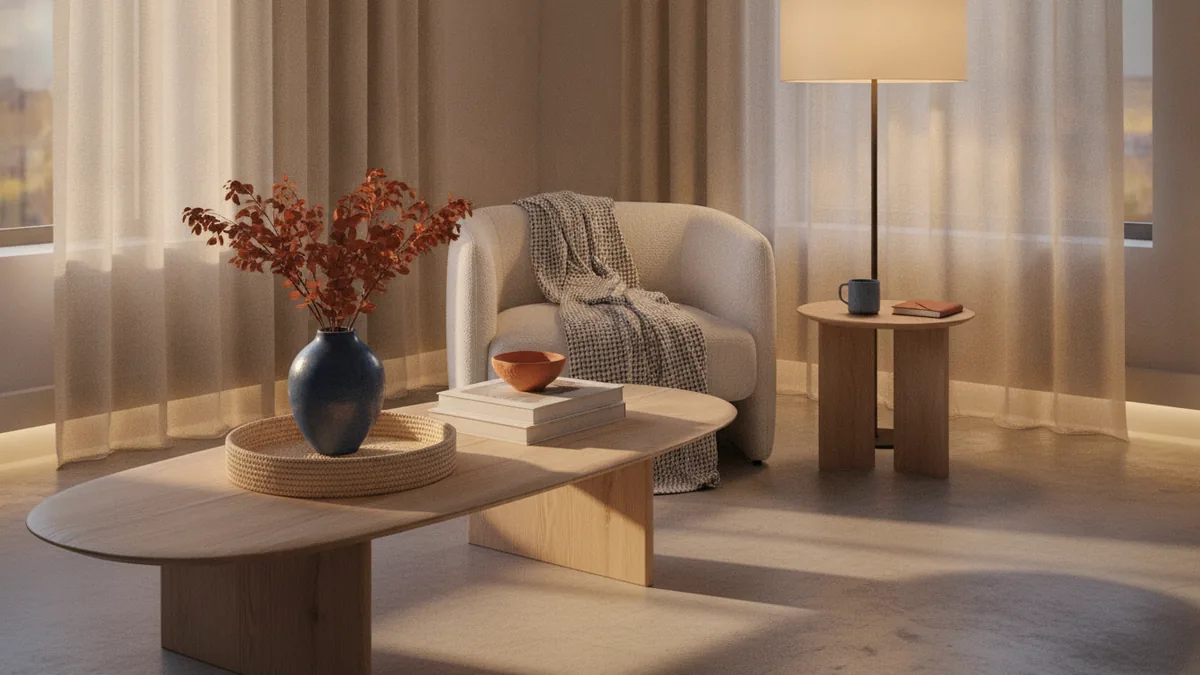
Lighting options can completely change how an apartment living room looks at night. Aim for layered light: an overhead source, plus a floor lamp or table lamp near seating. A dimmable lamp is even better because it lets you set the mood for movie nights. Warm bulbs also reduce the “sterile” look that can happen in smaller apartments.
Textures tie everything together. Mix materials like knit throws, woven baskets, and a ceramic vase with matte finishes. Add greenery sparingly if it fits your lifestyle. One plant on a shelf or near a window can make the room feel lived in.
- Rug: anchors the seating zone and adds softness
- Throw: adds color and comfort on the sofa
- Curtains: frame windows and boost height
- Lighting: sets mood and adds depth
Decorative accessories also work as storage. Use a basket for remote controls, a tray for keys, or a book stack that matches your palette. When accessories have jobs, the room stays tidy without losing style.
Maximizing Small Spaces With Smart Storage and Space Optimization
Small space solutions are less about squeezing every inch and more about keeping the room breathable. Start with clear walkways and avoid overcrowding the center. If the room feels cramped, it’s usually because too many items sit at eye level or because furniture blocks flow.
Make your furniture arrangement support storage. Instead of random bins on the floor, use a console with drawers or shelves behind seating. Choose pieces with legs so the room looks lighter. If you can, keep the coffee table surface mostly clear and put everyday items inside.
Use vertical space to fix the “no room for anything” feeling. Shelves and wall-mounted storage pull clutter upward and keep floors open. That makes the room feel bigger, even when storage capacity stays the same.
- Go vertical: wall shelves above a sofa or near a doorway
- Mount small storage: floating shelves for decor and books
- Use the back of doors: hooks for bags, coats, and scarves
- Choose nesting tables: extra surfaces without extra footprint
A smart rule: store items you use often within arm’s reach. Store items you rarely need in cabinets or higher shelves. This approach supports space optimization while still making the room easy to live in.
Adding Personal Touches Without Cluttering
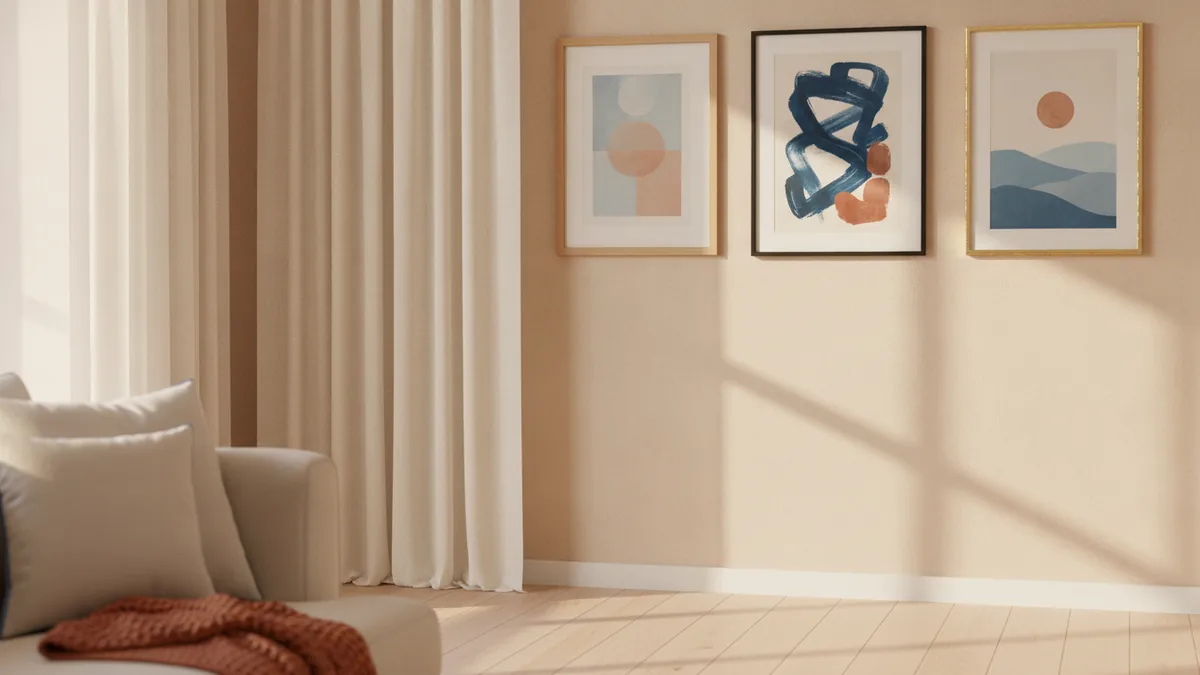
To make how to decorate my apartment living room feel like yours, add personal touches that reflect your tastes and routines. Artwork and photographs are the most direct way to do this. Choose pieces that match your color palette so they support the room, not compete with it.
Create a photo display that looks intentional. For a small living room, a tight gallery of three to five frames is usually easier than a large, busy wall. For larger walls, mix one bold piece with smaller accents. This keeps the layout balanced.
Decorative accessories can also tell a story. A patterned cushion from a favorite trip, a book cover in your preferred color, or a ceramic piece you genuinely love works better than a random “trend” item. Aim for a few standout pieces, then repeat materials or colors in smaller accents.
- Pick a focal wall: gallery wall or large art above the sofa
- Use repeating colors: echo the palette in frames and accessories
- Balance open space: leave some wall blank so art feels calmer
- Keep surfaces functional: trays and baskets reduce clutter
When everything is done, step back and check flow. If the room supports conversation, comfortable lounging, and easy movement, it will feel stylish and functional. That’s the real test of apartment living room decoration ideas.
Frequently asked questions
- What are good apartment living room decoration ideas for small spaces?
- Use a compact seating setup, a rug that anchors the zone, and multifunctional furniture like storage ottomans. Keep walkways open and use vertical shelves for items you need.
- How do I decorate your apartment living room if it has awkward layout issues?
- Start by marking doors, windows, and radiators on a quick floor sketch. Then choose an anchor piece that supports a clear path to the seating area.
- What color palette works best for apartment living rooms?
- Pick one main color, one secondary color, and one accent. Match the base to your light level, then echo the palette in cushions, art, and accessories.
- How can I add warmth to my living room without repainting?
- Layer textiles with a textured rug, curtains that reach near the ceiling, and a throw on the sofa. Add warm bulbs and a lamp near seating to improve the evening feel.
- How do I decorate an apartment living room with personal touches?
- Use artwork and photographs to create a focal wall, usually with three to five pieces for smaller rooms. Keep frame colors and artwork tones aligned with your palette to avoid visual noise.
- Does lighting matter for how to decorate an apartment living room?
- Yes. Layer light sources so the room feels welcoming at night, not flat. Use warm bulbs and place lamps near seating for the coziest effect.
Related reading
Room Painting Costs — What Shapes Your Quote
Room painting often costs $200–$1,000. See what drives the price and how to compare quotes.
Kitchen Cabinet Tops — Style, Texture and Seasonal Charm
Style cabinet tops with balanced layers, useful texture, and decor that suits your kitchen.
Couch Placement—Flow, Focus and Comfort
Place your couch to frame a focal point, keep paths clear, and make the room feel balanced.