How to Make Interior Decoration Work in Any Room
Plan a cohesive room with smart color, layout, lighting, and decor choices.
Why Interior Decoration Matters
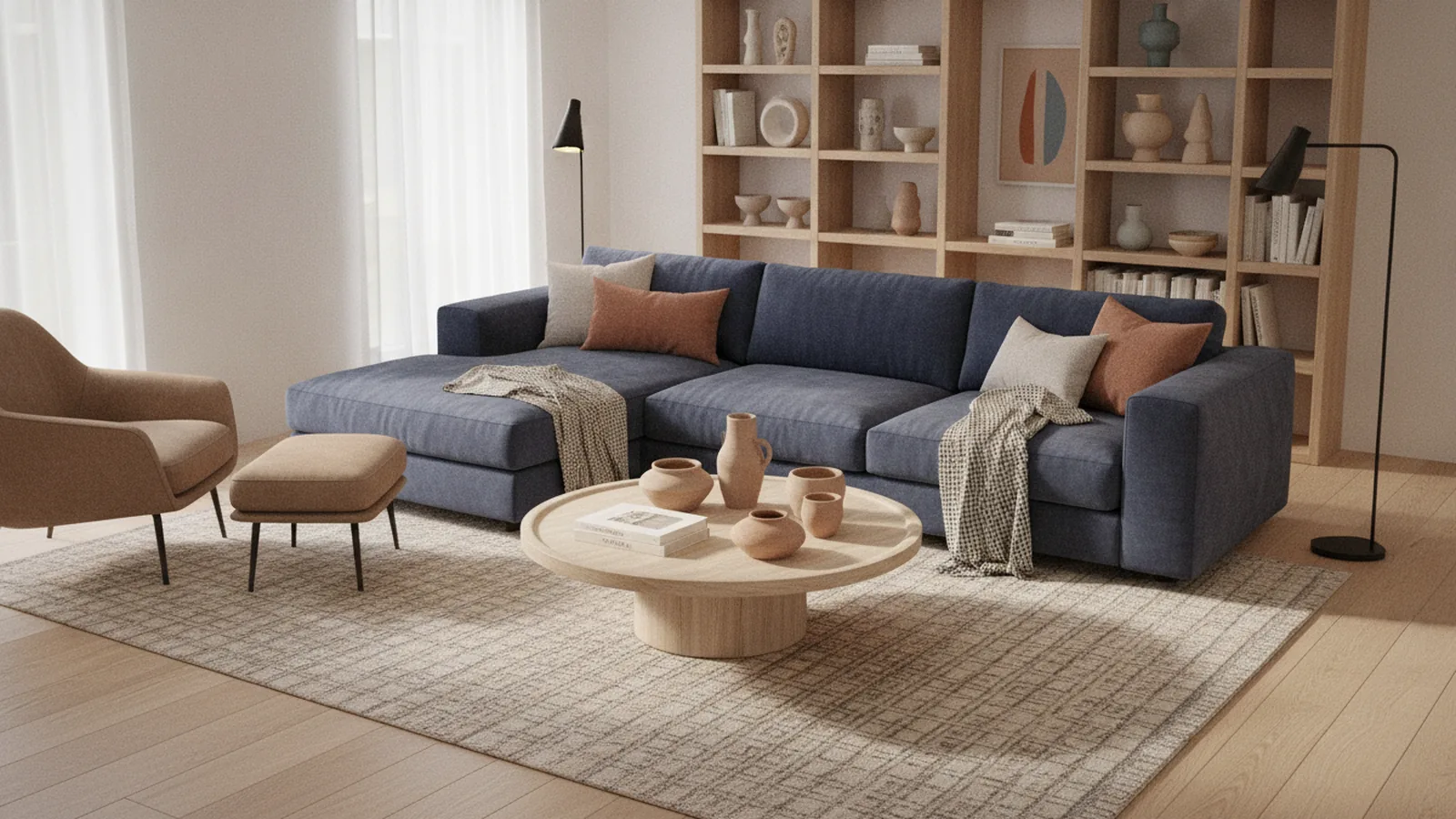
Learning how to make interior decoration work starts with the room’s purpose. A bedroom needs rest, storage, and soft light. A living room may need seating, reading light, and room for guests.
Write down the main tasks before you shop. This step keeps each choice tied to daily life. It also stops you from buying items that look good but serve no clear use.
Set a budget before you buy anything. Split it into furniture, lighting, finishes, decor, and delivery. Keep 10% to 15% aside for repairs or late changes.
- List the room’s main purpose.
- Measure walls, doors, windows, and outlets.
- Set a total budget and a spare fund.
- Choose three style words, such as calm, warm, and simple.
Build a Clear Interior Design Plan
The interior design process works best when you move from broad choices to small ones. Start with needs, measurements, and a rough floor plan. Then choose a style and test key pieces.
Measure each wall, window, door, and fixed feature. Record the ceiling height too. Mark walking paths and areas where doors, drawers, and chairs must open.
For larger projects, use adjacency to guide room links. An adjacency matrix interior design plan lists spaces in rows and columns. Mark spaces that need close links, such as a kitchen and dining area.
Keep the plan simple at first. You can refine sizes after the main links feel right. This method helps you spot weak flow before buying materials.
- Define the room’s purpose and users.
- Measure the space and draw a rough plan.
- List key room links in an adjacency matrix.
- Set a budget with a 10% to 15% spare fund.
- Choose a style direction and gather design inspiration.
Create a Mood Board for Inspiration
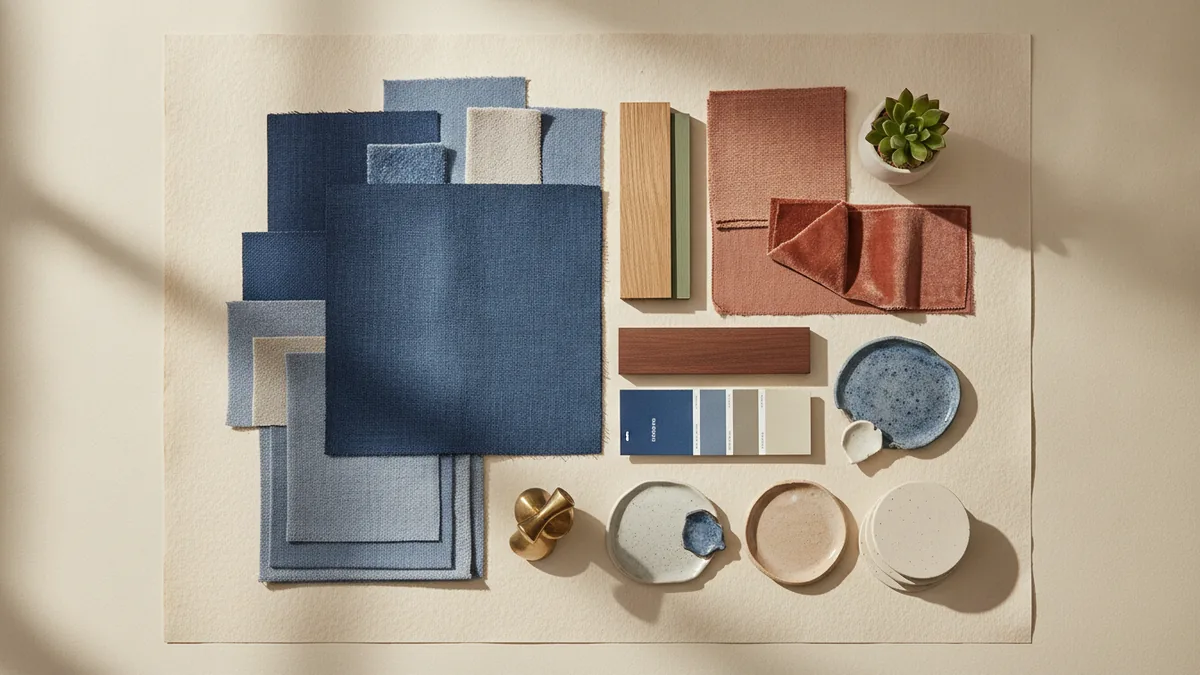
Creating a mood board turns loose ideas into one visual guide. Add room views, fabric samples, paint colors, furniture shapes, and finish samples. Keep every item tied to the room’s purpose.
Use one strong image to set the mood. Add five to ten useful references around it. Too many images can blur the style and make buying harder.
Look for repeated details across the board. You may see warm wood, curved forms, soft linen, or dark metal. These patterns can guide later choices without making every item match.
- Use one board for each room.
- Mix full-room views with close material views.
- Include real samples when you can.
- Remove items that do not support the room’s mood.
If you need to work online, an interior design board online can speed up early planning. Save source links beside each sample. A printed board helps when you compare paint, tile, and fabric in daylight.
Choose Colors and Materials That Work Together
Interior color schemes should suit the room’s light and size. Start with one main color, one support color, and one accent. A 60-30-10 split gives you a useful starting point.
Use the main color on large surfaces, such as walls or rugs. Use the support color on furniture and curtains. Save the accent for cushions, art, lamps, or small objects.
Test paint on large boards before painting the room. Watch samples in morning, afternoon, and evening light. A shade can look cooler or darker after sunset.
Materials need the same sense of balance. Pair hard finishes with soft ones. A wood table can work with wool, cotton, glass, and brushed metal.
| Room element | Useful starting choice | What to check |
|---|---|---|
| Walls | Soft neutral or muted color | Natural light and room size |
| Large furniture | Plain fabric or simple finish | Durability and cleaning |
| Accent pieces | One stronger color or pattern | Links to the mood board |
| Floor and metal | Warm or cool finish family | Nearby surfaces |
Do not match every finish exactly. A room often feels richer when close tones vary. Repeat each key color at least twice for a joined look.
Select Furniture and Plan the Layout
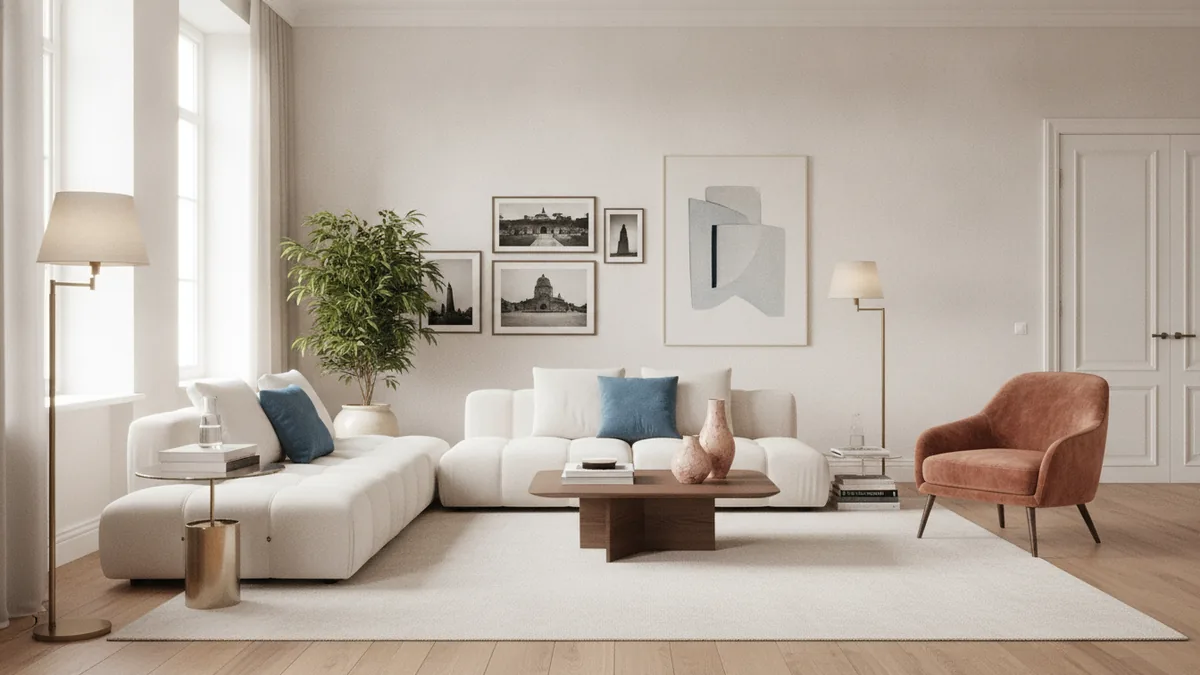
Furniture selection for interior design starts with scale, not style. Measure the room and compare those figures with each item’s size. A beautiful sofa can still block a door or fill every open area.
Place the largest piece first. In a living room, this is often the sofa. Build the rest of the furniture layout around clear paths and useful conversation zones.
Leave about 30 to 45 centimeters between a sofa and coffee table. Main paths often need 75 to 90 centimeters. Treat these figures as guides, not hard rules.
Use paper shapes or a room planning tool to test each layout. A simple mockup can reveal poor scale before delivery. Check sight lines, storage access, and plug locations too.
- Place the largest item first.
- Keep main paths clear.
- Check door and drawer swing space.
- Leave room for cleaning and repair.
Use Lighting for Mood and Daily Tasks
Good lighting uses more than one source. Ambient lighting gives the room a soft base glow. Task lighting helps with reading, cooking, work, or grooming.
Add accent lighting to draw attention to art, shelves, or texture. Put lights on separate controls when possible. This lets you change the room’s mood without moving furniture.
Check the light color before you buy many bulbs. Warm light often suits bedrooms and living rooms. Brighter, cooler light may help in work areas.
Place lamps where you need them, not where they simply look neat. A side lamp should light the page or seat. A pendant should light the surface below it without blocking sight lines.
Personalize the Space with Decor and Accents
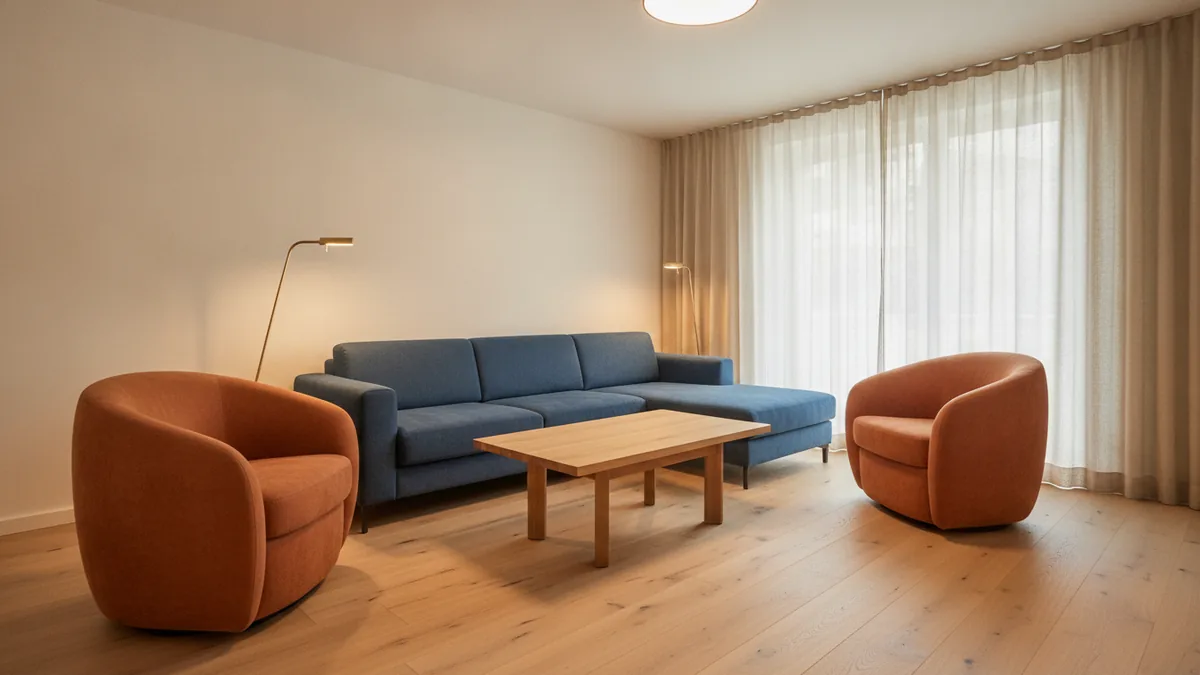
Personal style comes from the details you choose and repeat. Use art, books, plants, textiles, and objects with a clear link to your life. A room should feel collected, not filled in one rush.
Vary height and texture across shelves and tables. Group three related objects instead of spreading small items everywhere. Leave some empty space so key pieces can stand out.
If you want to know how to make an interior door look rustic, start with the door’s base material. Clean it, test a small area, then use a warm stain or matte paint. Add simple black or aged metal hardware that suits the room.
Skip fake aging that hides damage or weakens the door. A sound door with a new finish often gives a better result. Match the finish with nearby wood, rather than forcing every wood tone to be the same.
Document Your Design Work
A designer can use this process to build a clear portfolio. To learn how to make interior design portfolio pages, show the problem, plan, choices, and final result. Add floor plans, mood boards, sketches, and material notes.
You can learn how to make an interior design portfolio with no experience by using a home project. Show before and after views with honest notes about your role. Clear process shots can prove skill even when you have no paid client work.
For hand work, learn how to make interior design sketches with quick lines and simple forms. Begin with boxes for walls and furniture. Add scale notes, light direction, and material marks after the layout feels right.
The same method explains how to do interior design sketches for a client review. Use one page for the plan and one page for key views. A clean sketch can show an idea faster than a long description.
For polished work, learn how to make interior design renderings with a model, set camera views, and add light. Use a mockup to place a finish or furniture piece in the room. These tools help clients judge scale before the build starts.
If you need to know how to make interior design boards, keep each board focused. An interior design presentation board should show the concept, plan, palette, materials, and key furniture. Keep the order easy to scan.
Income also varies by region, role, and skill. If you ask how much do you make as an interior designer, check current local data. Salary figures can differ greatly between a junior role, a studio lead, and self-employed work.
Review the Plan Before You Buy
Review every choice against the room’s purpose, budget, and style words. Remove items that solve no problem or repeat a weaker choice. This final check protects both the look and the budget.
Walk through the room on paper. Check paths, light, storage, outlets, and door swings. Then price the full list, including delivery and fitting.
Buy large pieces first. Add decor after the main layout works. This order leaves room for real needs to shape the final layer.
Step-by-step
- 01 Define the room’s purpose
List the main tasks, users, storage needs, and mood. Choose three words that describe the desired feel.
- 02 Measure and map the space
Record walls, doors, windows, outlets, and ceiling height. Draw a rough floor plan with walking paths.
- 03 Set the budget
Split costs across furniture, lighting, finishes, decor, delivery, and fitting. Keep 10% to 15% aside for changes.
- 04 Build a mood board
Gather room views, materials, colors, furniture shapes, and finish samples. Remove any item that does not support the room’s purpose.
- 05 Plan furniture and light
Place the largest item first, then test paths and scale. Add ambient, task, and accent lighting where each is useful.
- 06 Review before buying
Check the plan against the budget, room use, storage, and style. Buy large pieces first, then add personal decor.
Frequently asked questions
- How do you make interior decoration work?
- Start with the room’s purpose, measurements, budget, and style words. Then build a mood board before choosing furniture and finishes.
- How do you plan furniture layout for interior design?
- Measure the room first, then place the largest furniture piece. Keep walking paths clear and check doors, drawers, outlets, and sight lines.
- How do you choose interior color schemes?
- Use one main color, one support color, and one accent. Test large samples in morning, afternoon, and evening light.
- How do you make an interior design portfolio with no experience?
- Show the design problem, plan, mood board, sketches, materials, and final views. Home projects can form a portfolio when you have no experience.
- How do you make interior design sketches?
- Use quick boxes for walls and furniture first. Add scale notes, light direction, and material marks after the main layout works.
- How do you make an adjacency matrix for interior design?
- An adjacency matrix lists spaces in rows and columns. Use marks to show which rooms need close links, such as a kitchen and dining area.
Related reading
How to Decorate White Walls With Color and Texture
Make white walls feel warm with color, texture, art, and smart lighting.
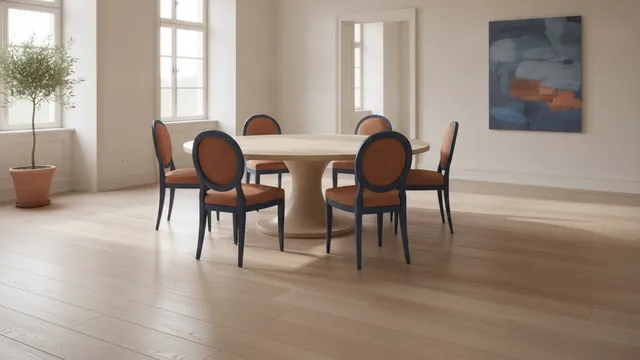
The Right Amount of Space Around a Dining Table
Plan the right dining table clearance for comfort, chairs, storage, and easy movement.
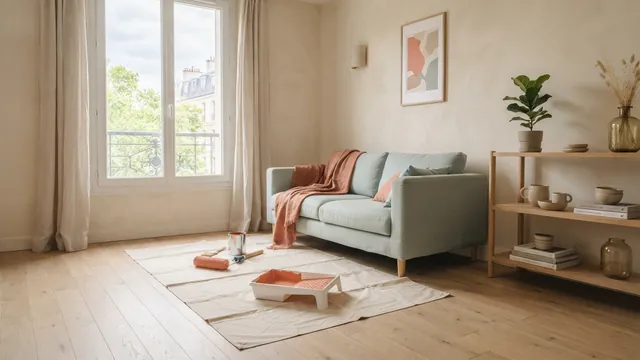
Room Painting Costs — What Shapes Your Quote
Room painting often costs $200–$1,000. See what drives the price and how to compare quotes.