Interior Design Education — Courses, Skills, and Career Steps
See the courses, skills, and experience needed for an interior design career.

What Education Do You Need for Interior Design?
Most interior designers start with a two-year or four-year design degree. A bachelor’s degree offers deeper studio work, building knowledge, and career options. Some designers enter through a diploma, certificate, or related degree in architecture.
The right path depends on your goals and local rules. A degree can prepare you for residential work, commercial spaces, or public buildings. It can also help you meet exam or license rules in places that regulate the title.
If you ask what is required to become an interior designer, begin with three things. You need design education, a strong portfolio, and real project experience. You also need a clear grasp of space, materials, safety, and client needs.
- Certificate: A short path for basic skills or a career change.
- Associate degree: A two-year route into junior design roles.
- Bachelor’s degree: A wider path with more studio and technical work.
- Master’s degree: An option for advanced study or teaching.
Core Courses That Build Design Skills
The answer to what courses are required for interior design varies by school. Still, most programs share a set of core classes. These classes blend creative work with technical skills.
Interior Design Studio Work forms the center of most programs. You may plan a small home, workplace, shop, or hotel room. Each project can include research, sketches, floor plans, material choices, and a final presentation.
Design Innovation teaches you how to find fresh answers to real space problems. History of Interior Design shows how styles, cultures, and building methods have changed. These subjects help you make choices with purpose.
- Design foundations: Learn balance, scale, color, shape, and light.
- Design studio: Solve space problems through guided projects.
- History of Interior Design: Study styles, makers, and past buildings.
- Interior Environmental Technologies: Explore light, sound, air, heat, and comfort.
- Computer Applications in Design: Create plans, models, and clear views of your ideas.
- Materials and finishes: Compare wood, stone, fabric, paint, tile, and metal.
- Building systems: Learn basic structure, power, plumbing, and safety needs.
- Professional Practice of Interior Design: Study fees, schedules, contracts, and client work.
Schools often grade both the design result and the process. Keep early sketches, notes, and feedback. They can later show how you think, not just how you draw.
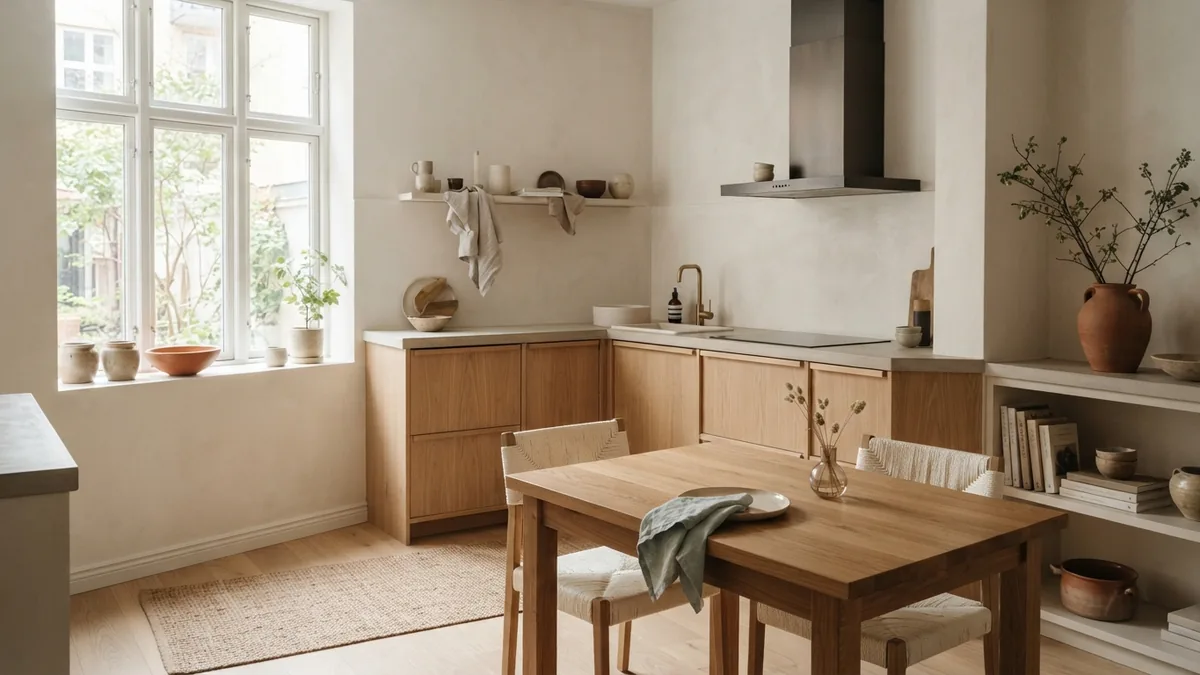
Electives and Special Study Areas
After core classes, electives let you shape your focus. One student may choose kitchen planning. Another may study lighting, retail, or green building. These choices can support the type of work you want after graduation.
Sustainable Design Principles are useful in nearly every field. You may study low-waste materials, energy use, water saving, and healthy indoor air. A course in universal design can help you create spaces for people with varied needs.
Choose electives that add a clear skill to your portfolio. A set of strong projects often helps more than a long list of unrelated classes.
- Lighting design: Plan layers of light for mood, safety, and task work.
- Kitchen and bath design: Solve tight layouts with durable materials.
- Historic preservation: Work with old buildings and careful repairs.
- Universal design: Support access, ease, and safe movement.
- Retail or hospitality design: Shape spaces around brand goals and visitor flow.
- Furniture design: Explore form, comfort, making, and material limits.
Skills Required for a Successful Interior Designer
What skills are required to be an interior designer? Creativity matters, but it is only one part of the job. Designers must also listen well, solve limits, and explain choices with care.
Technical skill turns a good idea into a buildable plan. You may use drawing tools, 3D modeling software, and shared project files. You must also read plans, check measurements, and spot conflicts before work begins.
Business skills matter too. Designers track budgets, set work stages, and speak with builders. They also manage feedback without losing the main goal. Calm communication builds trust.
- Creative thinking: Find useful ideas within real limits.
- Communication: Explain plans through speech, drawings, and samples.
- Technical skill: Use design software and make accurate drawings.
- Space planning: Arrange rooms for flow, comfort, and purpose.
- Material knowledge: Judge cost, wear, care, and safety.
- Time and budget control: Keep work on track and costs clear.
Build these skills through repeat practice. Redraw a room from its measurements. Present one idea in three ways. Ask for direct critique, then revise the work.

Accreditation, Exams, and Professional Entry
Accreditation shows that a school meets set standards for interior design education. In the United States, the Council for Interior Design Accreditation, or CIDA, reviews professional programs. You can check its interior design accreditation information before you apply.
An accredited program may help with work goals and later exam steps. Rules differ by state, country, and job type. Some places protect the title of interior designer. Others focus on the work itself or reserve some tasks for licensed professionals.
Ask each school about its graduate outcomes, studio hours, and work links. Check whether its course plan supports the exam or title rules in your area. This step can prevent a costly change of path later.
Internships and Field Experience
Hands-on work helps connect class lessons with real projects. Look for internships at design firms, furniture studios, building firms, or architecture practices. You may help with site visits, samples, plans, schedules, or client notes.
Design Field Experience can also come from volunteer work or a part-time role. Keep a record of your tasks and the skills you used. Ask before using project images in your portfolio.
Portfolio Building and Ongoing Learning
A portfolio is often the clearest proof of your ability. Include six to ten strong projects rather than every class exercise. Show the brief, research, sketches, plans, materials, and final views for selected work.
Include at least one project with real limits. Show a small budget, a tight room, an access need, or a repair challenge. Employers want to see how you make choices when space, cost, and time are not unlimited.
- Choose projects that show different skills and space types.
- Remove weak work and repeated examples.
- Add short notes about your role and design choices.
- Check every plan, label, image, and measurement.
- Update the portfolio after each internship or major project.
Learning does not end with graduation. Designers can take short courses in software, lighting, green materials, codes, or business. Trade events and supplier sessions can also keep product knowledge fresh.
Set one learning goal each season. For example, you might improve rendering skills in spring. You might study low-impact materials in autumn. Small, steady steps keep your work current.
Frequently asked questions
- What education is required to be an interior designer?
- Most designers complete a certificate, associate degree, or bachelor’s degree. A bachelor’s program gives more time for studio work and technical study.
- What courses are required for interior design?
- Common courses include design studio, design history, materials, building systems, software, and professional practice. Course names differ by school.
- What classes are required for interior design students?
- Students often take classes in color, space planning, drawing, lighting, environmental systems, and design presentation. Many programs also include an internship or field project.
- What skills are required to be an interior designer?
- Key skills include creative thinking, communication, space planning, technical drawing, software use, material knowledge, and budget control.
- Is CIDA accreditation required to become an interior designer?
- CIDA accreditation is not required everywhere. It can support study and career goals, but local title, license, and exam rules decide what you need.
- Do interior designers need an internship?
- An internship is not required for every path, but it gives useful site and client experience. It can also strengthen your portfolio and job applications.
Related reading
Interior Designer Licensing, Education, and Insurance Guide
Learn the license, education, insurance, and state rules interior designers face.

Curtains for a Blue Room — Color, Texture and Scale
Pair blue walls with curtains that suit your light, style, and room size.
Furnishing a New House — Spend Wisely, Settle In
Plan your budget, buy the essentials first, and make each room feel like home.