How Much Does a Dining Room Table Cost? Price Range Guide
Most dining room tables cost $200–$5,000+. Learn what drives price.
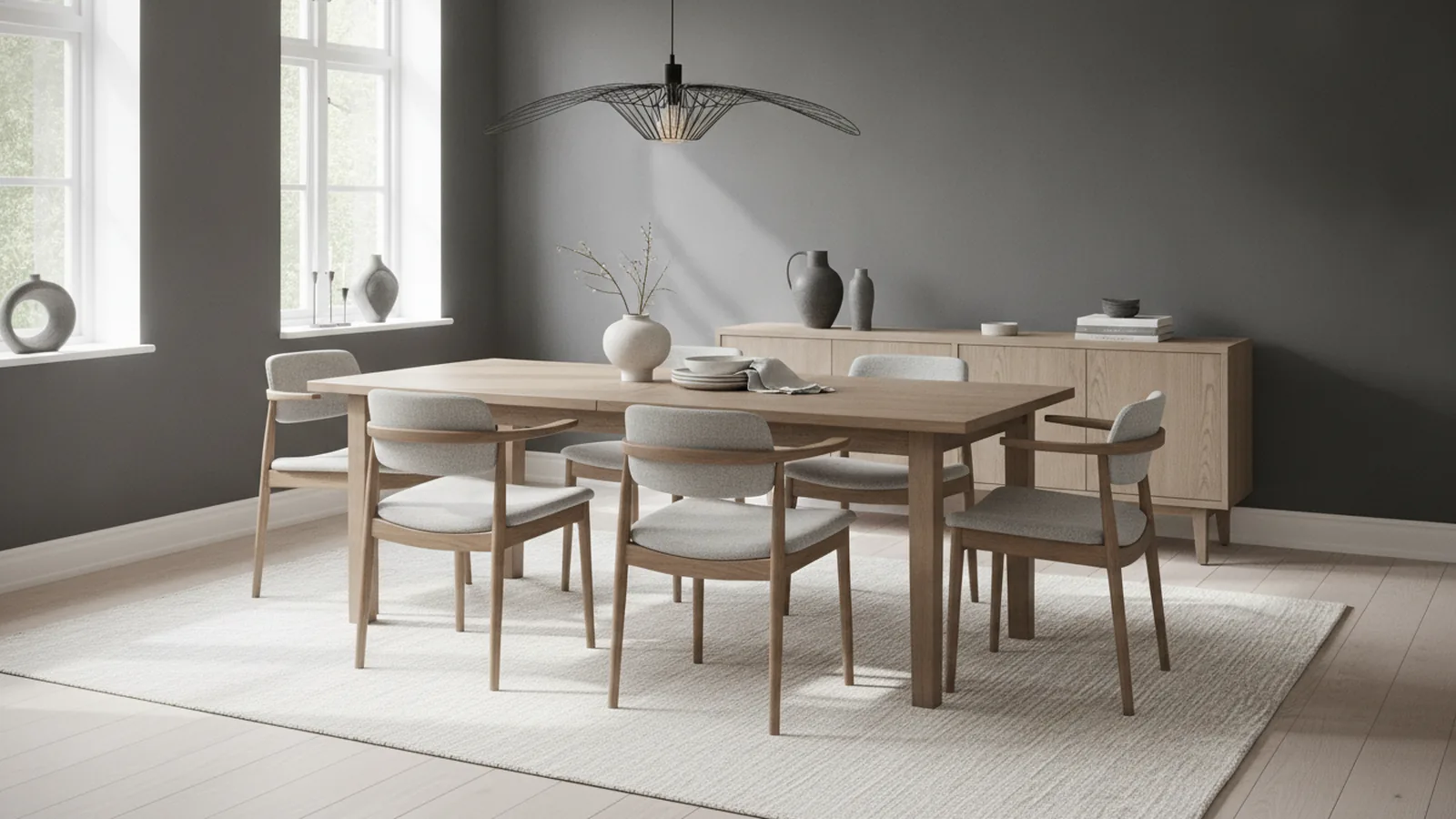
Understanding Dining Room Table Costs
So, how much does a dining room table cost? Most tables land between $200 and $5,000+. The exact average dining table price depends on material, size, build quality, and whether the table extends.
A useful way to think about price is the “total dining setup” effect. Buyers often pair the table with matching chairs, a buffet, and a rug, which can shift the budget even if the table price stays the same. Still, the table itself is the biggest line item for many rooms.
If you are trying to set a budget fast, start with your size and seating. Larger tables and extension mechanisms usually push you into higher price tiers. From there, you can choose the look and material that fit your daily use.
- Budget fixed table: often $200–$800
- Mid-range solid wood or veneer: often $800–$2,500
- Premium handcrafted or designer pieces: often $2,500–$5,000+
Factors Influencing Pricing
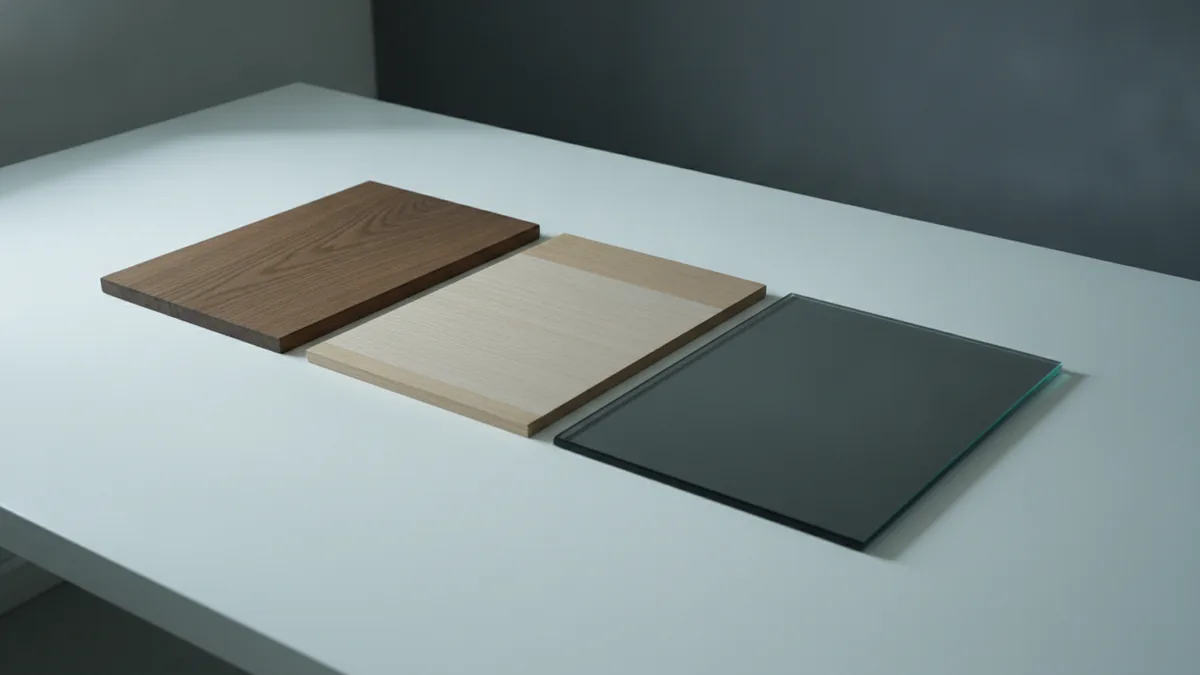
When people ask about the cost factors for dining room tables, they usually mean more than the sticker price. Design complexity matters. A simple rectangular top costs less than a sculpted edge, pedestal base, or carved apron.
Material differences explain a large part of the spread. Solid wood typically costs more than veneer because the entire structure is wood. Veneers can look like wood grain while using less expensive core materials.
Construction details also affect longevity. Dovetail joinery, sturdy rails, and thick tabletops tend to cost more because they take more labor. Even when two tables share the same material label, build quality can vary a lot.
- Material: solid wood, veneer, glass, or metal
- Design: edge shaping, base type, and hardware quality
- Mechanism: extensions cost more than fixed designs
- Craftsmanship: joinery, finishing, and stability
- Brand reputation: proven consistency often raises price
- Size: larger tops and more seating usually cost more
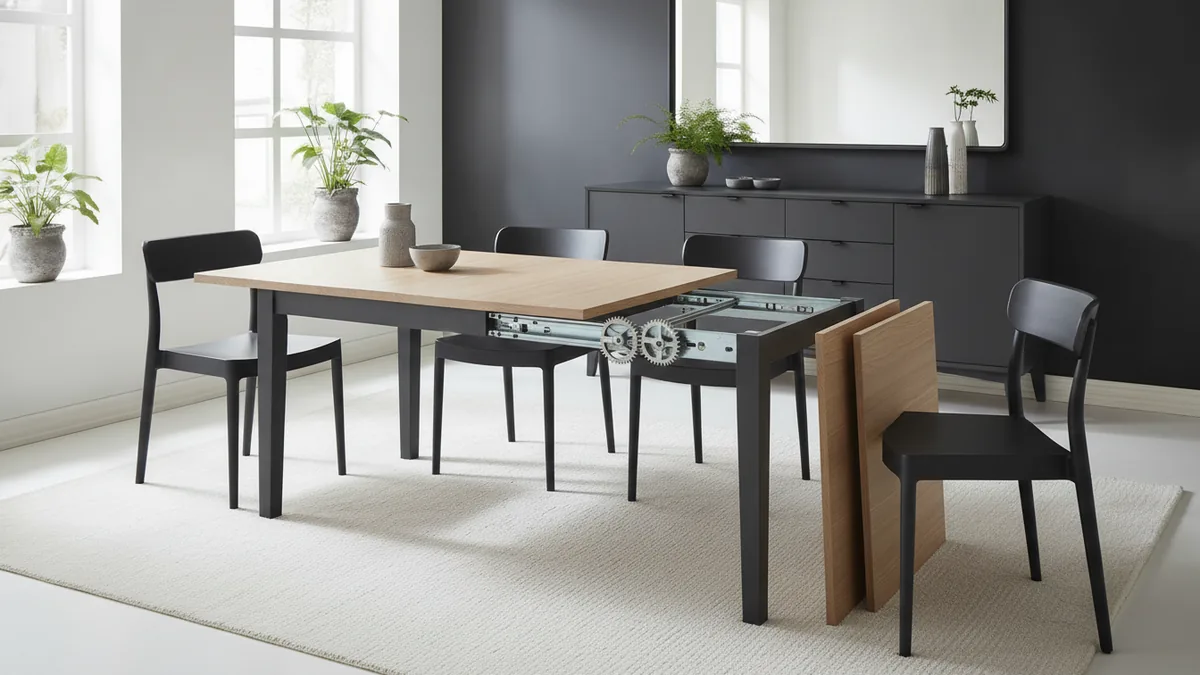
Extension tables are a key pricing driver. They include hardware, tracks, and extra support points. Those parts add materials and also add risk, because the table must align smoothly for daily use.
Lastly, brand reputation plays a role. Trusted makers often have better quality control. They also tend to offer finishes that resist everyday wear, which can protect resale value.
Average Price Ranges by Budget Tier
Here is a practical dining table price range breakdown you can use while shopping. These ranges assume you want a table that works for real meals, not just a temporary display.
At the low end, you will often see particleboard cores with veneer tops. You might also find metal and glass combinations that look sleek but need careful support for stability. Tables in this tier can work well if you pick the right size for your room.
Mid-range pricing usually brings better frames and more durable finishes. You may see solid wood sections, thicker tops, and more consistent color. This tier is where many buyers find the best balance between look and daily toughness.
| Budget tier | Typical price | What to expect |
|---|---|---|
| Entry | $200–$800 | Less expensive cores, simpler bases, shorter warranties |
| Mid-range | $800–$2,500 | Better joinery, thicker tops, more material options |
| Premium | $2,500–$5,000+ | Hand-finished details, premium woods, robust extension systems |
What most buyers miss is how quickly size changes the price. A table that seats four may cost far less than one that seats eight. That difference reflects more material, more labor, and heavier frames.
If you are planning for guests, extension capacity can be worth the cost. Even so, consider how often you will extend. If you extend only twice a year, a larger fixed table can sometimes be the simpler long-term choice.
Different Styles and Materials (and How They Change Cost)
Style is one of the biggest contributors to dining table styles pricing. Modern designs often use sleeker lines and can include metal or glass. Farmhouse styles may emphasize thick tops and visible joinery. Traditional tables often lean into classic silhouettes and detailed finishing.
Material choices also affect daily use and maintenance. Solid wood offers warmth and repair options, which can be valuable for families. Veneers can give you an elegant look at a lower cost, but they may be less forgiving with deep scratches.
Glass and metal can create a light visual footprint. They can also feel cool and show fingerprints or water marks more easily. If you choose glass, plan for careful cleaning and use coasters regularly.
- Solid wood: higher cost, great longevity, repair-friendly
- Veneer: mid cost, wood look, depends on finish thickness
- Glass: often mid to premium, needs regular wipe-downs
- Metal: varies widely, great for modern looks and light frames
Base type can add cost too. Pedestal bases may cost more because they require stable support. Turning legs or carved aprons also require more finishing time.
When you shop by style, compare the same seating target. A modern table sized for six may cost less than a traditional table designed for eight. That comparison helps you separate “style cost” from “size cost.”
As you measure your space, also think about dining room dimensions. If your room is tight, an oversized top can look wrong and feel crowded. Many buyers also ask whether the dining room needs a rug, especially in open-plan spaces.
In most dining rooms, a rug helps the table feel grounded. Choose one that fits under chairs with people pulled out. If the rug is too small, chairs will slide off the edge and the room will feel uneven.
Buying Considerations: Size, Seating, and Matching Pieces
Table size directly affects comfort. Before you fall in love with a finish, answer how big does a dining room need to be and how you will use it. If your table seats four, make sure you can still walk behind chairs without bumps.
Here is a reliable approach for table planning. Measure your available width and allow room for chairs. A common rule is to aim for about 36 inches of clearance for chairs when fully used. Then pick a table size that leaves that space around the room.
You might also wonder how wide does a dining room need to be. The key is the usable clear lane around the table. Narrow rooms can still work if you choose a rectangular table and avoid bulky chair arms.
- Measure the room: note the walls, door swings, and window trim.
- Pick seating: count everyday diners and likely guests.
- Choose the table shape: round saves space, rectangular supports long rooms.
- Plan chair clearance: keep the walking path comfortable behind seating.
- Check the rug: ensure chairs stay on it when pulled out.
Matching is another practical question. Does dining room table have to match buffet? Often, it does not. Many interiors look best when the table and buffet share tone or finish family rather than exact wood species.
If you want a coordinated look, match on undertone first. For example, a warm oak table can pair with a warm oak buffet even if the shade differs slightly. If you dislike the mismatch risk, choose one piece as the “anchor” and let the other complement it.
Finally, think about weight and everyday handling. Heavy solid wood tables can be great, but moving them is work. If you rent or plan to rearrange often, confirm whether the table comes apart for easier transport.
Maintaining Your Investment (So the Table Ages Well)
Once you buy, maintenance determines whether your table stays beautiful. Start with the basics: use coasters and protect against heat and moisture. For most wood tables, a simple wipe with a soft, slightly damp cloth prevents buildup.
Different finishes respond differently. Some tables handle waxes and oils, while others need specific cleaners. Before you treat the surface, check the manufacturer’s care guidance or ask the retailer what product is safe.
For solid wood, you can also address minor wear over time. Light scuffs may buff out, and some finishes can be refreshed. Veneer tops can be less forgiving, so avoid aggressive sanding unless the finish is designed for it.
- Use placemats to reduce scratches and rings
- Wipe spills fast to limit staining
- Protect from direct sun to reduce uneven fading
- Clean with gentle products made for the table finish
- Rotate the load pattern if the table gets heavy daily use
Extension tables need extra care because the hardware sees motion. Keep tracks clean and dry. Also, avoid forcing misaligned leaves, which can wear the mechanism faster.
With the right routine, a quality dining room table can stay central for years. The best investment is one that fits your room today and still works with your lifestyle in five years.
FAQ: Dining Room Table Cost and Planning Questions
Here are quick answers to common shopping questions. They focus on cost and fit, since those two topics drive most buyer confusion.
- How much does a dining room table cost typically? Most cost $200 to $5,000+ based on material and size.
- What raises the price most? Solid materials, craftsmanship, extension mechanisms, and larger sizes.
- Can I use a smaller table? Yes, if you plan chair clearance and real seating needs.
- Does dining room need a rug? Often yes for visual grounding and comfort, as long as it fits chairs when pulled out.
If you share your room size and seating count, you can narrow down the right table tier quickly. Then you can choose the style and material that match your budget and daily use.
Frequently asked questions
- How much does a dining room table cost in most homes?
- Most dining room tables cost between $200 and $5,000+. The range depends on material, size, and build quality.
- What are the biggest cost factors for dining room tables?
- Material choice, table size, and extension mechanisms are major drivers. Craftsmanship and brand reputation also affect price.
- Does dining room need a rug under the table?
- Often yes, especially when you want chairs to slide comfortably. Choose a rug large enough for chairs when pulled out.
- Does dining room table have to match buffet?
- No. Matching on wood tone or finish family is usually enough for a cohesive look.
- How wide does a dining room need to be for a dining table?
- Plan for chair clearance so people can move behind seats. Measure your clear walking lane, then choose a table width that fits.
- How big does a dining room need to be for comfortable dining?
- Size depends on seating and chair space, not just the table footprint. Measure room dimensions and allow room for everyday movement.
Related reading
Couch Placement—Flow, Focus and Comfort
Place your couch to frame a focal point, keep paths clear, and make the room feel balanced.
Master Bedroom — Color, Comfort and Personal Style
Build a calm, personal bedroom with smart choices and a budget that works.
Room Painting Labor Costs — Rates and Budget Factors
See typical room-painting labor rates and learn what drives the final price.