Dining Room Table Heights: A Comfort Guide for Chairs and Legroom
Average dining table height is about 28–32 inches. Match chairs for comfort and legroom.
Understanding dining table heights
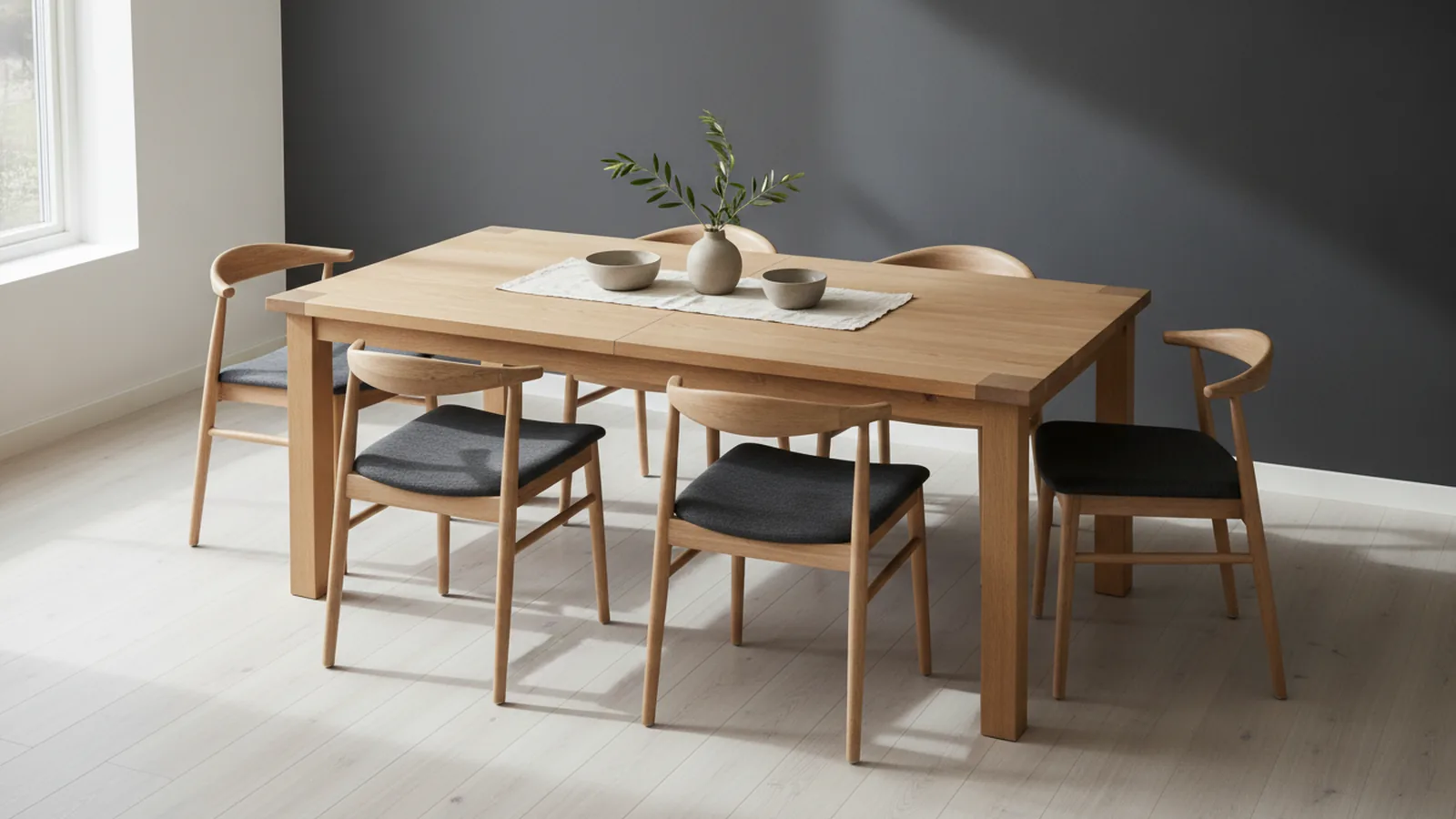
What is the average height of a dining room table? In most homes, you will see table tops around 28 to 32 inches tall. That range is the starting point for comfortable eating because it supports good posture. It also sets up the right table height vs chair height relationship so your arms land naturally on the surface.
People often ask what is the normal height of a dining room table, then compare it to what they already own. The key is that dining table dimensions matter most at the tabletop edge. That is where elbows, forearms, and knees line up during meals. Small changes in height can feel big once you sit and reach for plates.
When you plan seating, think in three layers. First, the tabletop height. Second, the average dining chair height, meaning seat height more than back height. Third, the legroom clearance under the table, which affects comfort over time.
Standard height of dining room tables
What is the standard height for a dining room table? The most common answer is 28 to 32 inches from floor to tabletop. Many dining table styles land near the middle of that range. You will find this height used for most traditional dining room setups.
Standard table heights pair well with chairs that are about 18 to 23 inches high. In practice, this refers to chair seat height, not the total height to the top of the backrest. When chair seat height sits in that 18 to 23 inch window, most people can rest their forearms without lifting their shoulders.
Here is a practical way to sanity-check a set. Sit in the chair you plan to use. Then measure your elbow height while seated. Your elbows should feel slightly above table level, not forced down toward the tabletop.
- Average dining table height: 28–32 inches
- Typical chair seat height to match: 18–23 inches
- Goal feel: relaxed shoulders and stable forearms
Counter and bar table heights
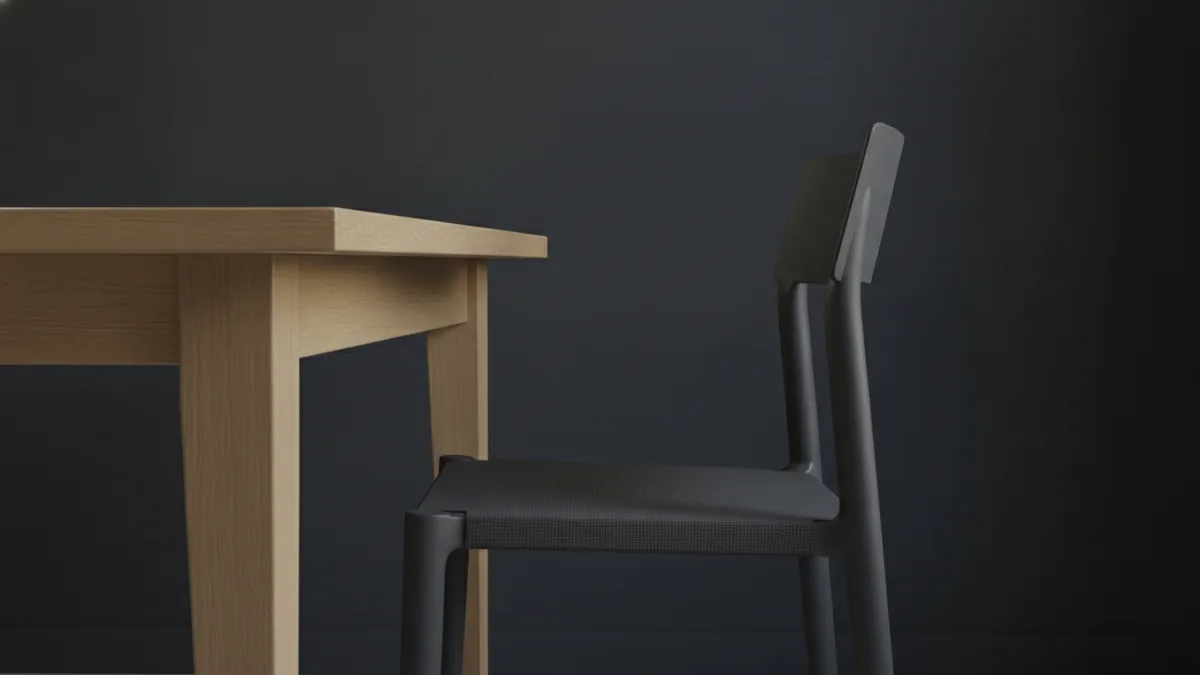
Not all dining happens in a traditional room. Counter height tables and bar height tables are popular for kitchens and casual dining. Their table height vs chair height relationship changes because your seating setup is different.
Counter-height tables are usually 34 to 36 inches tall. That top height is meant to work with stools that are about 24 to 26 inches high. If the stool seat is too low, you will lean forward. If it is too high, you will reach up and your shoulders will work harder.
Bar-height tables are taller still, typically 40 to 42 inches from floor to tabletop. They require stools around 28 to 30 inches high. This setup is common at islands, home bars, and high-top dining areas.
| Table type | Typical height | Match seating height |
|---|---|---|
| Standard dining table | 28–32 inches | Chair seat: 18–23 inches |
| Counter-height table | 34–36 inches | Stool seat: 24–26 inches |
| Bar-height table | 40–42 inches | Stool seat: 28–30 inches |
Choosing the right table height
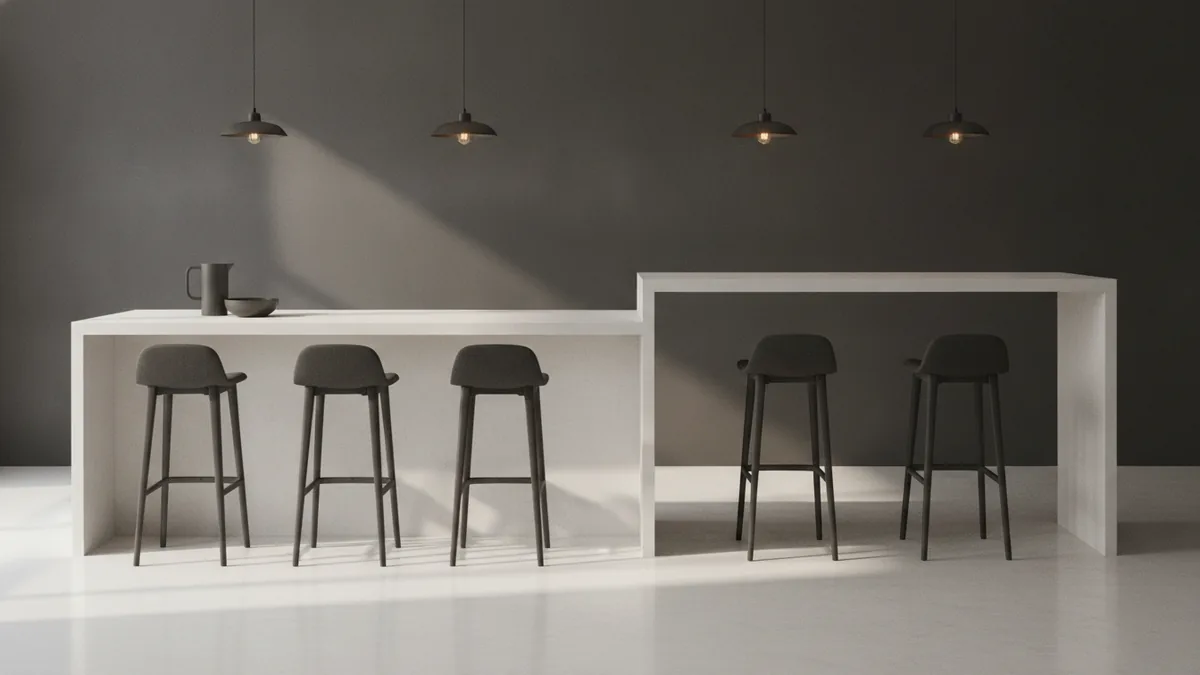
Picking the right dining table height is not just a measurement task. It directly affects comfort in dining furniture, including reach, posture, and how long people will actually want to sit. A table that is too tall can make you shrug. A table that is too low can push you to hunch, which gets tiring fast.
Start by deciding the activity. A daily family meal often needs more relaxed posture and longer sitting time. A quick breakfast with standing traffic might allow a slightly taller counter height table. Then match the seating to the table height, not the other way around.
Use a simple comparison for any style of dining table dimensions, like drop-leaf or pedestal designs. Measure the tabletop height you are considering. Then compare it to your chair seat height. Aim for the same “reach feel” across the set, especially for people who will sit at the ends.
- Measure tabletop height from floor to the eating surface.
- Measure chair seat height to the top of the seat cushion.
- Check comfort by sitting for five minutes, not a quick test.
- Verify reach by setting plates at normal placement spots.

Chair height compatibility
What is the standard height for a dining room chair? Many buyers focus on the full chair height, but the useful number is usually seat height. Standard chair seat height for a dining room setup typically lands near 18 to 23 inches when paired with 28 to 32 inch tables.
Think of table height vs chair height as a matched pair that controls elbow level. When the seat is in the right band, people can bring plates close without lifting their hands too high. When the seat is too low, people compensate by scooting forward and leaning in. That can reduce back support and makes dining feel crowded.
Seat design also changes the outcome. A chair with thick padding can raise your effective height. A firm seat or slatted design can feel lower even if the measurement is similar. For accuracy, measure at the cushion or top surface where you actually rest.
- Table top: 28–32 inches → chair seat: 18–23 inches
- Counter height: 34–36 inches → stool seat: 24–26 inches
- Bar height: 40–42 inches → stool seat: 28–30 inches
Legroom considerations
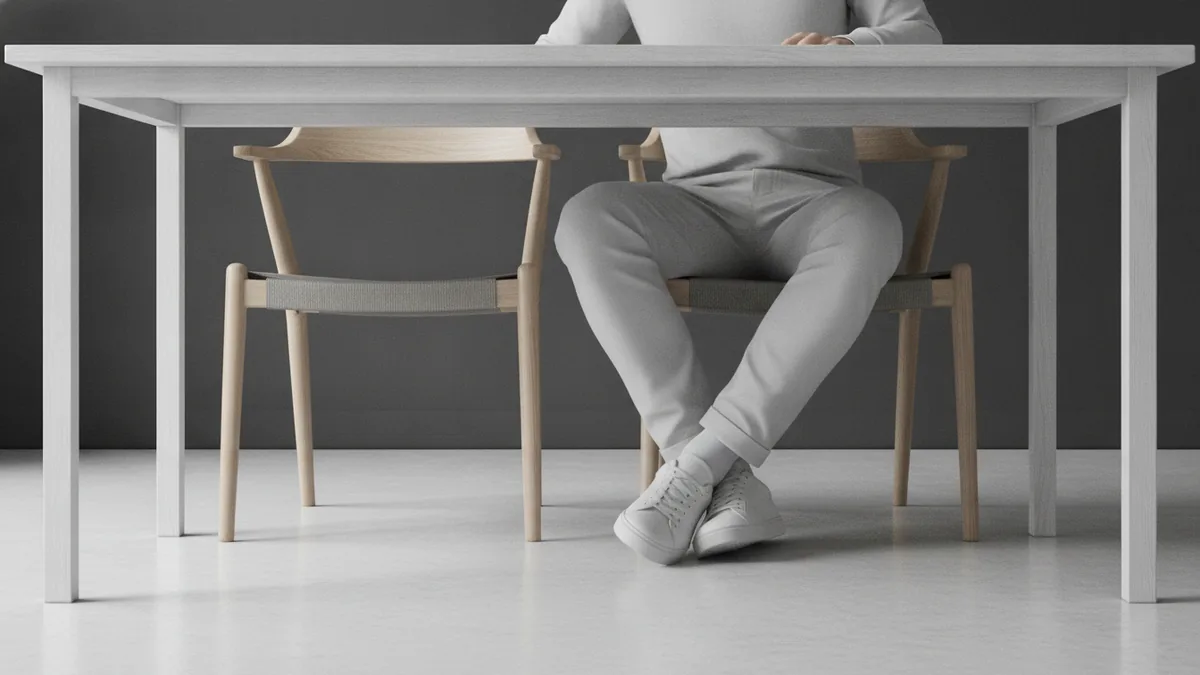
Good chair fit is only half the comfort story. Legroom clearance matters just as much, especially for longer meals. Proper legroom clearance should be about 10 to 12 inches between the chair seat and table. This space helps knees move freely and lets people slide in without fighting the tabletop.
When legroom clearance is too tight, people will sit farther back than they should. That reduces how comfortably they can reach. It can also make chairs feel unstable because feet angle awkwardly. If your dining table has a base or pedestal, legroom can vary across positions.
Test leg clearance at the real chair placements. If you can, put the chair where it will sit and measure the distance to the underside of the tabletop. Also consider table height vs chair height in relation to any support structure. Crossbars under the table can change knee space even when the overall measurements seem right.
Finally, remember that dining table styles can affect how seating lines up. A pedestal base may feel roomier than a four-leg design for the same table height. Built-in benches can change effective chair height too, depending on padding thickness. If you want a fast way to tune comfort, start with seat height and then adjust seating position.
Quick comfort checks before you buy or build
- Can a seated person rest forearms comfortably without shrugging?
- Do knees fit under the table without touching the base?
- Does the chair feel steady when sliding in and out?
- Do plates land at a reachable spot without leaning forward?
When your table height and chair seat height are matched, meals feel effortless. Legroom clearance then keeps that comfort from breaking over time.
Frequently asked questions
- What is the average height of a dining room table?
- Most dining tables measure about 28 to 32 inches from the floor to the tabletop.
- What is the normal height of a dining room table?
- The normal range is typically 28 to 32 inches, depending on dining table styles and base design.
- What is the standard height for a dining room chair?
- When matching a dining room table, use chair seat height. Standard chair seats are often about 18 to 23 inches.
- What height of stools fit a counter-height table?
- Counter-height tables are usually 34 to 36 inches tall. They pair with stools around 24 to 26 inches high.
- What height stools fit a bar-height table?
- Bar-height tables are commonly 40 to 42 inches tall. They usually need stools about 28 to 30 inches high.
- How much legroom clearance should I expect under a dining table?
- A good target is about 10 to 12 inches between the chair seat and the underside of the tabletop.
Related reading
Couch Placement—Flow, Focus and Comfort
Place your couch to frame a focal point, keep paths clear, and make the room feel balanced.

Master Bedroom — Color, Comfort and Personal Style
Build a calm, personal bedroom with smart choices and a budget that works.

Room Painting Labor Costs — Rates and Budget Factors
See typical room-painting labor rates and learn what drives the final price.