How to Decorate a Large Dining Room Wall With Style
Large dining room wall decor ideas with art, color, shelves, mirrors, and textiles.
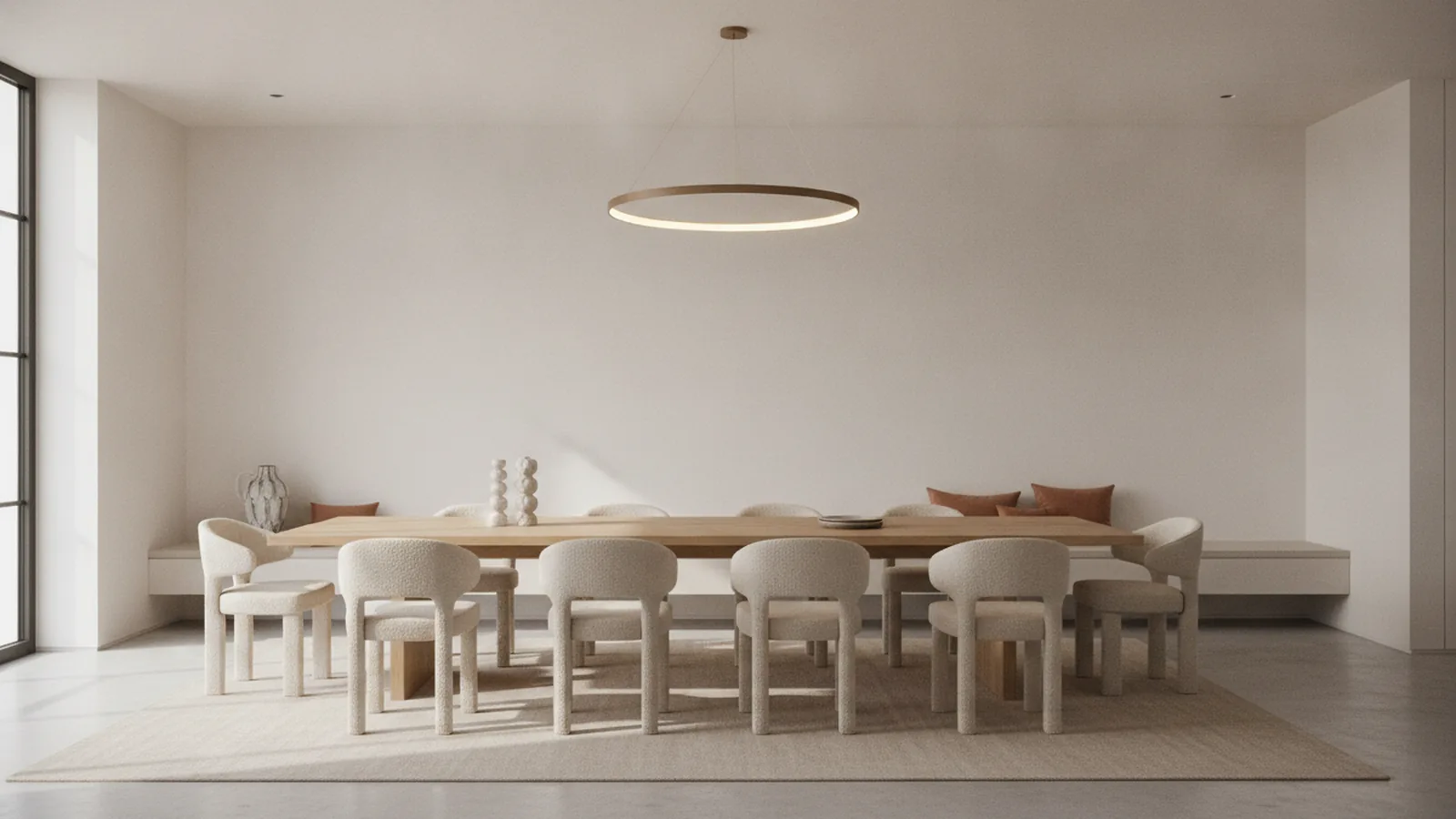
Understanding Large Dining Room Spaces
If you want a dining room that feels inviting, start with the wall. In a large space, blank walls read as cold or unfinished. Wall decoration also helps set the “zone” for dining, so the room feels intentional instead of cavernous.
Large dining room walls also change how light moves. With more surface area, small design choices can feel either subtle or overwhelming. That is why your plan should combine scale, color accents, and room layout considerations.
Before you pick decor, look at three things. Measure the wall width and ceiling height. Note the lighting direction from windows and fixtures. Then consider what is already dominant, like the dining table size and any built-ins.
- Scale matters: aim for art that fills a large portion of the wall.
- Lighting matters: glossy finishes and mirrors can amplify highlights.
- Flow matters: keep sight lines from the entry and adjacent rooms.
Wall Art Options for Dining Rooms
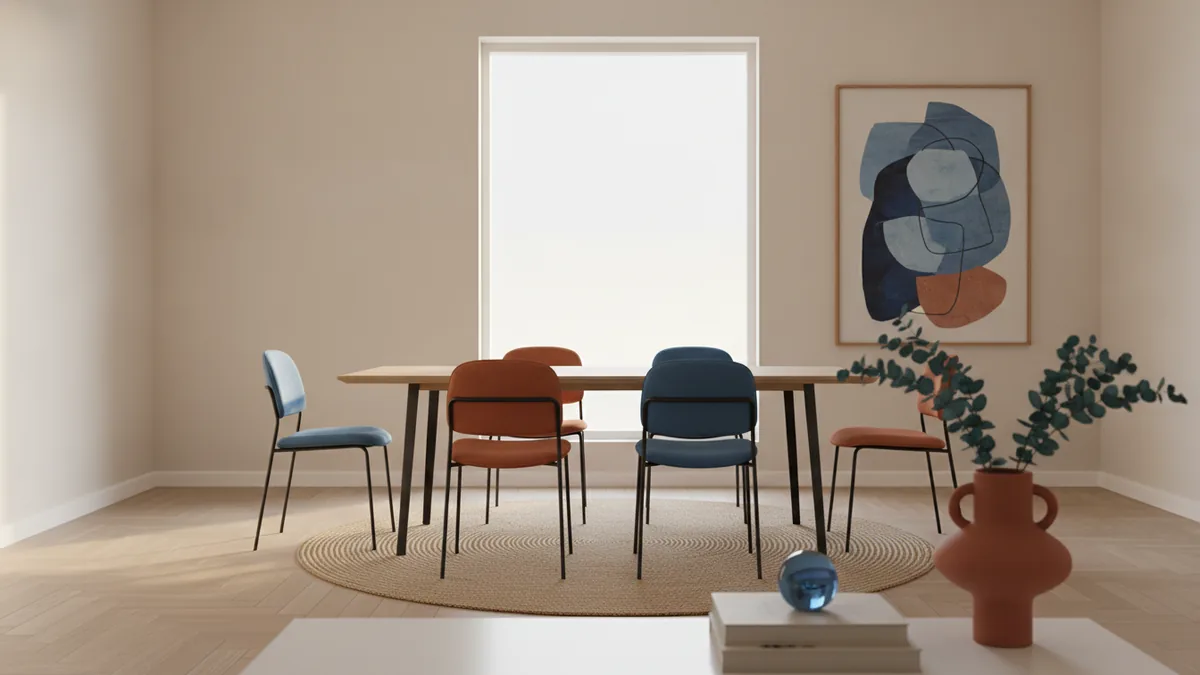
When people ask how to decorate a large dining room wall, they usually mean “what type of wall art works?” The best answer depends on your dining style and the wall’s shape. For many homes, large art pieces and grouped sets provide the strongest impact.
Paintings and framed art create warmth and personality. Consider a bold single piece if your room already has pattern in curtains or rugs. Prints work well when you want a cohesive theme, like botanical studies or modern abstracts.
Sculptures and three-dimensional wall decor add depth. A sculptural relief above a buffet or sideboard can make the wall feel less flat. If you like a curated look, mix materials, like wood frames with metal details.
- Single statement piece: one large painting or oversized photograph.
- Gallery wall: several prints with consistent frame finishes.
- 3D accents: relief panels, woven baskets, or a sculptural installation.
- Dining-themed art: still lifes, landscapes, or abstract color fields.
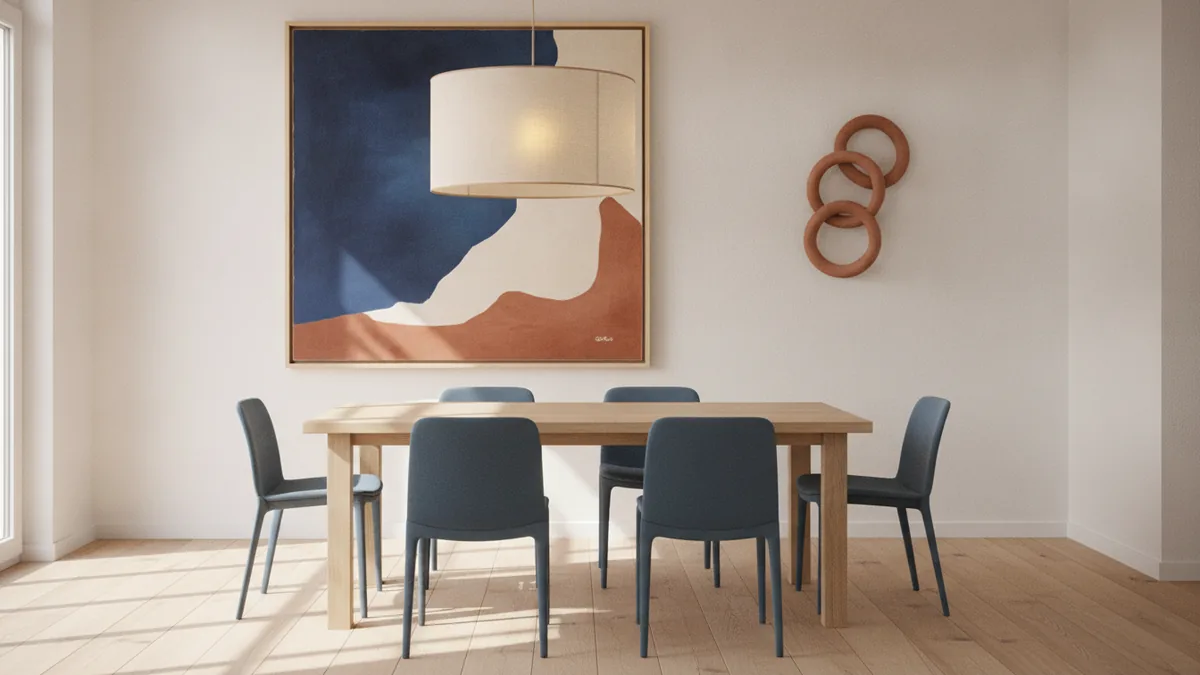
As a rule of thumb, treat your art like it is part of the furniture. It should visually “sit” with the dining table and chairs. If your wall is much taller than the art, add a second layer, like a smaller piece above eye level.
Using Color to Enhance Walls
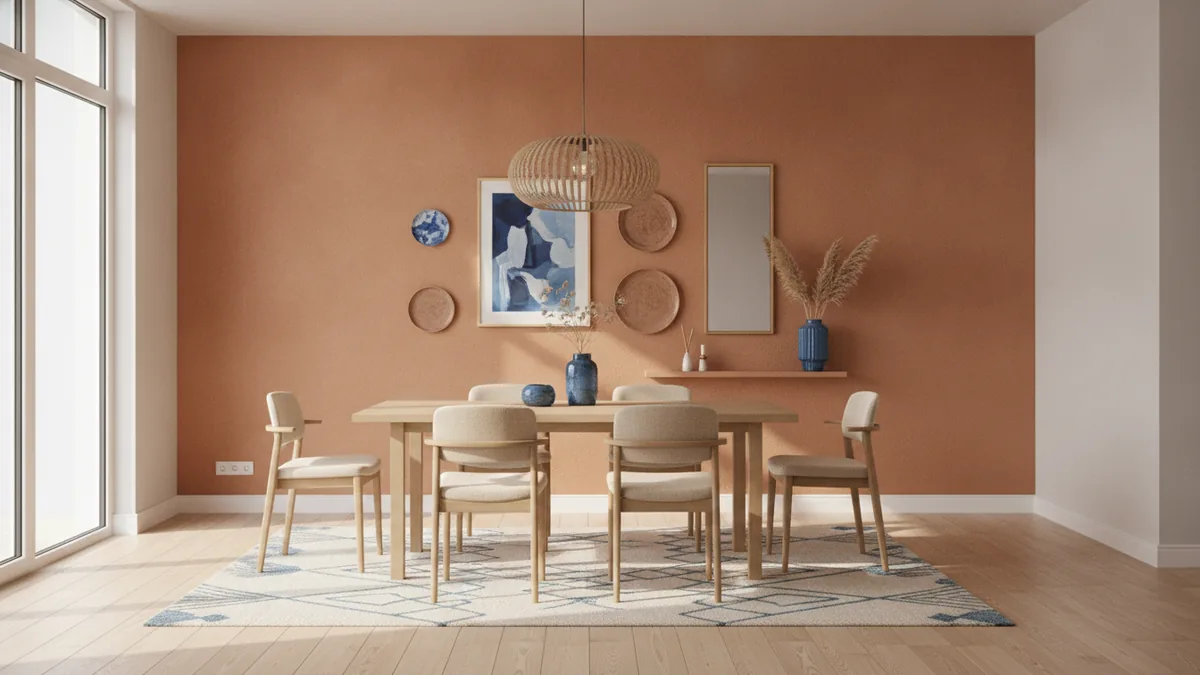
Color is one of the fastest ways to change how large a dining room feels. Darker paint can make a big wall feel grounded. Lighter paint can keep the space airy, especially when you have good natural light.
Think in terms of color accents that echo the room. If you have warm wood floors, look for warm neutrals or earthy tones on the wall. If your dining chairs are cool gray, a soft blue-gray wall can feel cohesive.
Paint vs wallpaper choices can also affect texture. Wallpaper adds pattern and interest, even with minimal art. Choose a scale that matches the wall size, because tiny prints can look busy in large expanses.
| Goal | Color approach | Best pairing |
|---|---|---|
| Make wall feel closer | Deep tone or warm accent | Matte art frames, soft lighting effects |
| Keep room bright | Light neutral or tonal beige | High-contrast prints |
| Add energy | Bold color field or striped accent | Simple decor style on the sideboard |
| Soften hard surfaces | Muted earth tone | Textiles in decor and layered lighting |
Test color with samples on the wall, not on a card. Observe it in morning and evening light. Many tones shift quickly once the dining lights are on.
Incorporating Shelving and Decor
Functional decor is a smart solution for large dining room wall decoration. Shelving ideas let you fill a wall while still using the space. They also make it easier to change the look seasonally.
Start with what you already own. Display plates you love, not just everything you have. A set of coordinating ceramics creates an intentional vibe. For greenery, add plants or small vases, but keep heights varied so the wall does not look like a row.
Built-in style shelves can work even in non-built-in walls. Floating shelves provide a clean line, while open bookcase units bring structure. If your dining room decor style is modern, choose slim shelves with a consistent finish.
- Dish display: stack bowls and lean plates on plate stands.
- Plant moments: use trailing plants or small pots with matching planters.
- Layered lighting: add under-shelf LEDs for warm glow.
- Storage plus art: books can act like vertical art.
Plan shelf spacing before you mount anything. Place the tallest item first, then design the middle shelves around it. Leave enough room above for decor style accessories, like framed menus or small wall hooks.
Mirrors and Their Effects
Mirrors can be one of the best mirror strategies for large dining spaces. They reflect light and add depth, which helps a big room feel more connected. When you position a mirror well, it also “extends” what is across the room.
Try a large mirror if your wall is wide and open. A single oversized frame can act like a piece of art. If you prefer a softer look, use several smaller mirrors in a pattern that matches your dining room decor.
Placement matters more than the mirror shape. Aim the mirror so it reflects a bright window, a chandelier glow, or a styled table centerpiece. Avoid reflecting clutter, like an open doorway with storage items visible.
- Pick the right size: large enough to visually anchor the wall.
- Align the sight line: reflect key light sources.
- Choose the frame: match wood tones or metal finishes elsewhere.
- Watch reflections: confirm it does not mirror an empty area.
If your room has dramatic shadows, mirrors can help even out the mood. Pair them with warm bulbs to keep reflections flattering at dinner time.
Textile and Wallpaper Ideas
Textiles in decor bring softness to large dining room walls. Even if the rest of your room is sleek, a fabric element can reduce the “hard” feel of big surfaces. This works especially well above a sideboard or near a buffet where people linger.
Fabric wall hangings add warmth without making the room look crowded. Choose materials like linen, woven tapestries, or textured fabric panels. Keep the scale large so it reads as intentional, not like a small decoration stretched too far.
Removable wallpaper is another solid option. It lets you create a feature wall without a long-term commitment. Use it behind a mirror, above shelves, or in a narrow section to create a focal point.
- Fabric wall hanging: hang with a rod for a tailored look.
- Textured paneling: choose neutral tones to let wall art stand out.
- Removable wallpaper: pick one pattern that repeats cleanly.
- Soft contrast: pair warm textiles with cool paint tones for balance.
Textile placement also helps with acoustics. Dining rooms can echo, especially with high ceilings. Adding fabric can make the space feel calmer when you host guests.
Practical Tips for Wall Decoration
Now for the part that makes everything work together: arranging decor elements with balance. Even beautiful wall art can look off if it clashes with sight lines or furniture proportions. Start with a “main anchor,” then build around it.
If you are placing art over a dining table, align it to the table center. The visual center should match the dining table’s centerline. Use room layout considerations so the art does not compete with pendant lights or a chandelier.
For gallery walls, keep frame finishes consistent. Mix sizes, but avoid mixing finishes and styles at the same time. A clean mat or matching frame color creates unity, even when the artwork varies.
| Decoration type | Arrangement tip | Common mistake |
|---|---|---|
| Single art piece | Center it over the table or anchoring furniture | Choosing a piece that feels too small |
| Gallery wall | Use a grid-like layout and consistent frames | Mixing random spacing and sizes |
| Shelves | Alternate heights to avoid a flat line | Overloading every shelf |
| Mirrors | Reflect a bright, tidy focal point | Mirroring clutter or dark corners |
Finally, check the room at night. Dinner lighting reveals what looks balanced by day. Adjust art brightness, mirror angles, and shelf lighting effects so the wall supports the dining mood.
If you are also planning the rest of the dining room, consider how to make a large dining room table feel “set.” Matching the wall anchor with the table scale makes the whole room look designed. And if you are choosing floors, remember how large should a dining room rug be, since it affects how the wall feels in relation to the seating zone.
Frequently asked questions
- What are the best large dining room wall decor ideas?
- Use one large statement piece, a curated gallery wall, or 3D accents like relief art. For functional style, combine shelves with plants or dish displays. Add mirrors for depth and softer lighting effects.
- How to decorate a large dining room wall if it has a chandelier?
- Center your main art or mirror on the dining table line, not directly under the fixture. Leave clear space so the lighting does not visually fight the decor. Choose matte finishes to reduce glare.
- Should I use paint or wallpaper for large dining room wall decoration?
- Paint works best when you want a smooth, grounded backdrop. Wallpaper is ideal for adding pattern without many small decor pieces. Pick larger pattern scale for big walls.
- How can mirrors help with large dining room walls?
- Place a mirror so it reflects a window, chandelier glow, or a styled centerpiece. This increases perceived depth and brightness. Keep the reflection free of clutter.
- What shelving ideas work well for dining room decor?
- Use open shelves to display plates, bowls, and small vases. Add plants for softness and vary heights for visual balance. Consider warm under-shelf lighting to make displays feel intentional.
- How do I arrange multiple wall elements without clutter?
- Choose one anchor, then build around it with supporting items. Use consistent frame finishes and repeat materials. Step back and check the layout from the doorway and at dinner lighting.
Related reading
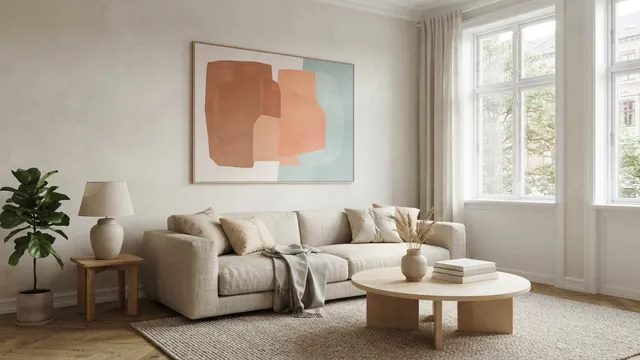
Large Living Room Walls — Scale, Style, and Warmth
Use scale, art, texture, shelves, and light to make a large wall feel balanced.
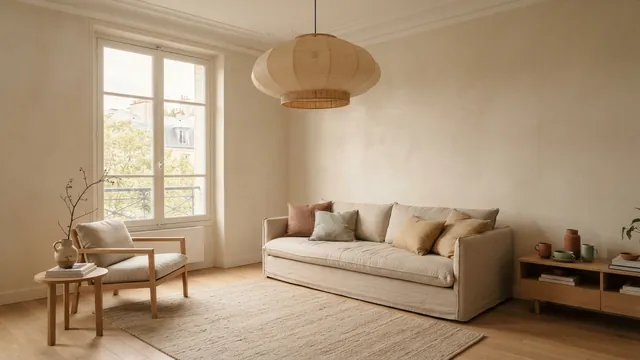
High Ceilings — Warmth, Scale and Style
Use color, scale and soft textures to make tall rooms feel inviting.
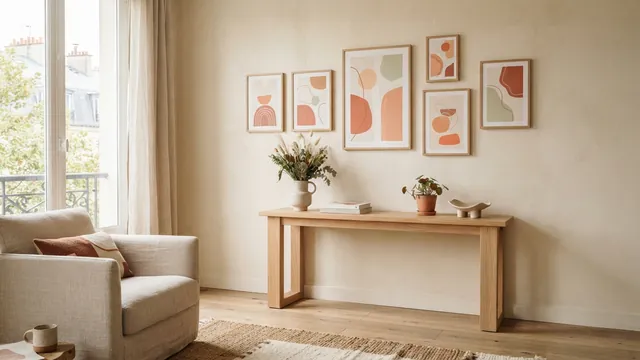
Long Walls — Ideas That Add Balance and Character
Make a long wall feel balanced with color, art, shelves, and warm light.