How to Choose a Colour Scheme for Any Room
Choose room colors that suit your style, light, furniture, and daily life.
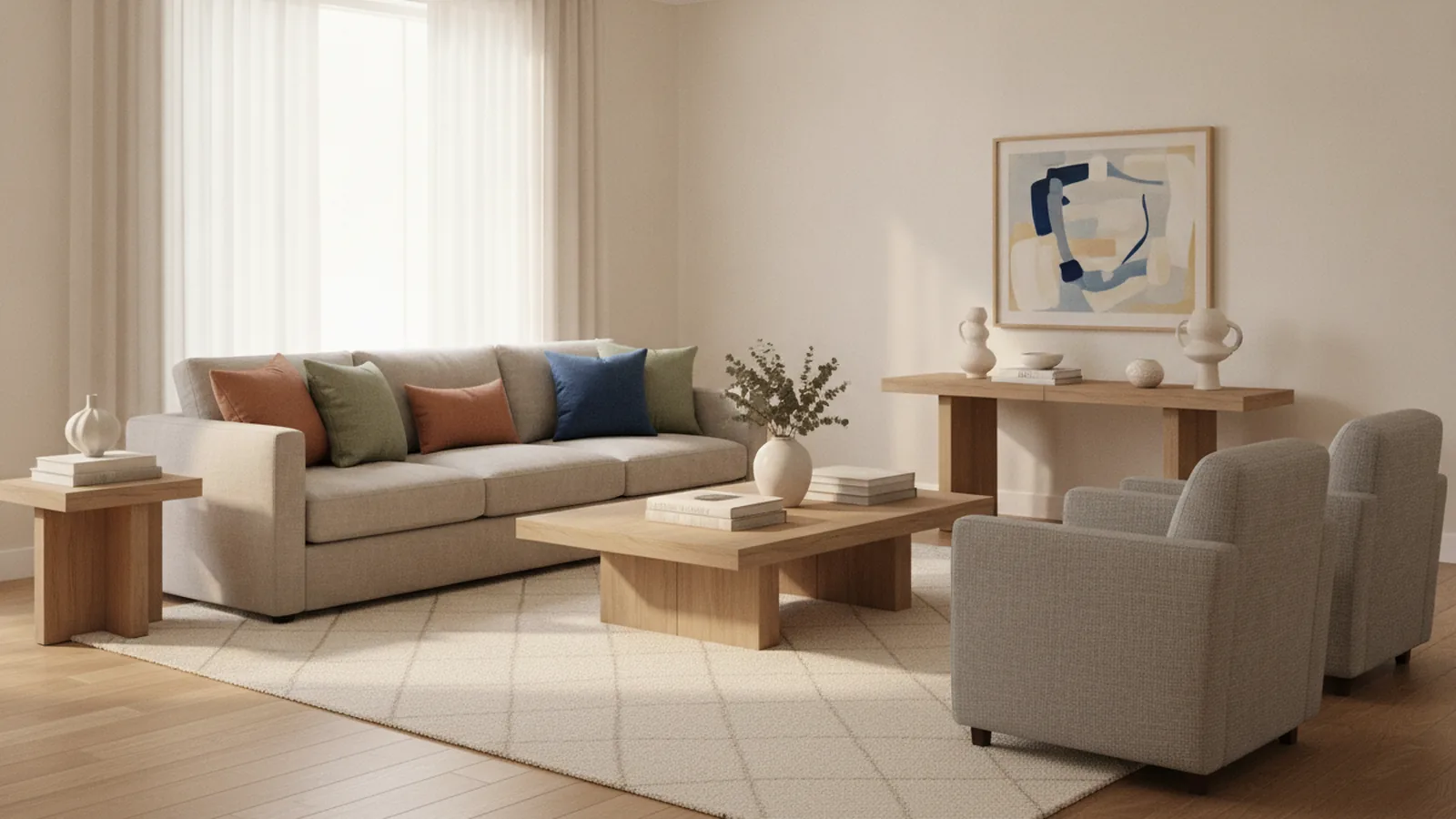
Start with the room’s job and mood
To choose a colour scheme for a room, start with its purpose, light, and fixed features. Then pick one main color, two supporting colors, and one small accent.
Ask what you do most often in the space. A living room may need to feel warm and social. A bedroom may need softer colors that help you rest. A study may suit calm tones that support focus.
Next, note the items you cannot change soon. These may include flooring, a sofa, curtains, cabinets, or artwork. Your new colors should work with these items, not fight them.
- Write down the room’s main use.
- List the colors in your largest furniture pieces.
- Check the room at different times of day.
- Choose a mood before you choose paint.
Use color theory to build a clear base
Color theory gives you a simple way to link shades. The color wheel shows which hues sit near each other or across from each other.
A monochromatic scheme uses several shades of one color. It feels calm and neat. An analogous scheme uses nearby colors, such as blue, green, and blue-green.
Opposite colors can add more energy. For example, blue works well with small touches of orange. Use this pairing with care. Strong contrast can feel busy when used across large walls.
Warm tones include reds, oranges, yellows, and many soft browns. Cool tones include blues, greens, and blue-based grays. Warm shades can make a large room feel closer. Cool shades can make a small room feel more open.
| Scheme | Effect | Good starting point |
|---|---|---|
| Monochromatic | Quiet and joined-up | Three shades of green |
| Analogous | Soft and lively | Blue, green, and teal |
| Contrasting | Bold and active | Navy with small orange touches |
Choose a dominant color first
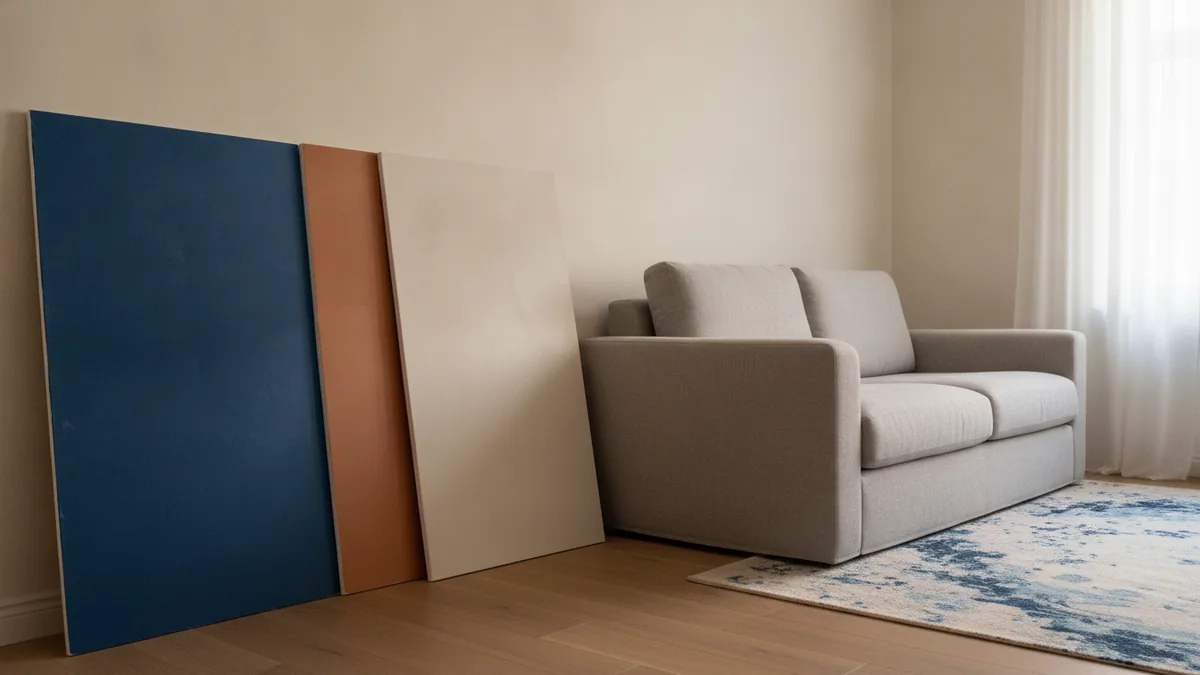
The dominant color covers the most visual space. In many rooms, this means the walls, large rugs, or main upholstery.
Choose a shade that fits both the room’s use and your taste. Soft gray, warm white, muted green, and pale blue suit many restful spaces. Deep blue, clay, or forest green can add weight to a social room.
Do not choose wall color from a small paint card alone. Large surfaces make color look stronger. A shade that seems mild in the shop may feel bold across four walls.
Existing decor should guide your choice. Pull one quiet color from a rug or sofa. Use that color as a bridge between old and new pieces.
Set the balance before you paint
A useful starting split is 60 percent dominant color, 30 percent secondary color, and 10 percent accent color. This is a guide, not a strict rule.
For example, use warm white on the walls, tan on the sofa, and rust in cushions. The room feels layered without needing many shades.
Add secondary and accent colors with purpose
Secondary colors support the dominant shade. Use them on curtains, chairs, bedding, rugs, or a painted cabinet.
Look for shared undertones. A warm gray works best with cream, tan, brass, and muted olive. A cool gray may suit crisp white, blue, and silver.
Accent colors add depth and character. They work best in small items that you can move or replace. Try cushions, books, lamps, vases, or one piece of art.
Repeat each accent color at least twice. This creates color flow across the room. Keep strong colors away from every surface, or they may lose their impact.
- Use secondary colors on medium-sized items.
- Keep accent colors to small areas.
- Repeat an accent across two or three objects.
- Limit the full scheme to three or four main hues.
Match the scheme to room function
Room functionality should shape your color choices. A space for rest needs a different mood from a space for meals or play.
Think about noise, mess, and upkeep too. Pale fabrics may show marks quickly in a busy family room. Mid-tone colors can hide daily wear better.
Light changes the result. North-facing rooms often receive cooler light. South-facing rooms may receive warmer, brighter light. Bulbs also change color after sunset.
Test your colors under both daylight and electric light. A shade that looks green at noon may look gray at night.
Room-by-room color ideas
Living room
If you wonder how to choose a colour scheme for living room spaces, start with the sofa and floor. These pieces often cover more area than expected.
For a calm living room, try warm white walls, beige upholstery, and muted green accents. For more drama, try pale walls, a deep blue sofa, and small brass details.
When asking what colour scheme for living room design works best, consider how guests move through the space. Keep the main path light and open. Place bold color near seating or artwork.
Bedroom
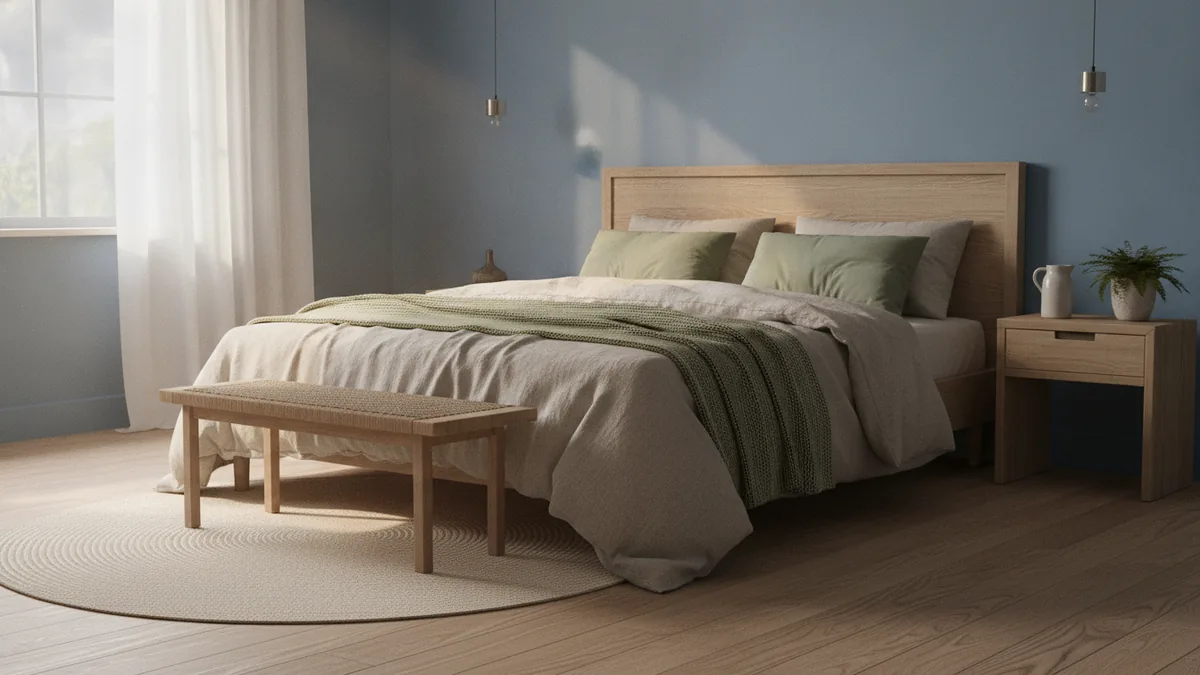
To choose a colour scheme for your bedroom, begin with the mood you want before sleep. Dusty blue, soft green, warm beige, and muted rose can feel gentle.
Avoid filling every wall with a sharp, bright shade. Use stronger color behind the headboard instead. Keep bedding, curtains, and walls within the same tone range.
Kitchen and dining area
Kitchens can handle clearer contrast. Cream walls with olive cabinets feel warm. White walls with deep blue units feel crisp and bold.
Dining areas can use richer tones because people spend less time there. Test dark colors first on one wall. Check them beside worktops, wood, and metal.
Bathroom and home office
Bathrooms suit fresh blues, greens, warm whites, and soft stone shades. Strong contrast can add shape to a small room.
For an office, choose a background that feels steady. Mid-tone blue, green, or clay may work better than a very bright wall.
Test color samples in the actual space
Samples show how colors interact with your room’s light and decor. Paint at least two large boards for each leading option.
Use boards about 30 by 40 centimeters. Move them beside the sofa, floor, trim, and largest window. Keep each board in place for a full day.
Check the samples in the morning, afternoon, evening, and under your usual lamps. Look at them from the doorway too. The view from across the room often changes your choice.
Do not place samples only on a white wall. Nearby colors affect how your eyes read each shade. A cream carpet may make gray paint seem cooler.
- Paint two coats on each sample board.
- Label the boards on the back.
- View them beside fixed furniture and flooring.
- Check them at four times during the day.
- Pick the shade that works across the full light cycle.
Make the final choice with a simple plan
When deciding what color scheme should my room be, use the strongest evidence from the space itself. Start with fixed items, then check light, purpose, and mood.
Choose one dominant color first. Add one or two secondary colors. Finish with a small accent that brings life to the room.
Write down the paint name and finish before you buy. Buy enough paint from one batch when possible. Keep a small amount for later touch-ups.
The best scheme feels linked from wall to wall. It also works with the things you already own. Test first, then commit.
Frequently asked questions
- How do I choose a colour scheme for a room?
- Start with the room’s purpose, fixed furniture, natural light, and desired mood. Then choose a dominant color and add supporting shades.
- How do I choose a colour scheme for my living room?
- Use the sofa, rug, and flooring as your starting point. Choose wall color that shares an undertone with these large items.
- How do I choose a colour scheme for my bedroom?
- Soft blue, muted green, warm beige, and dusty rose can create a calm bedroom. Test each shade beside your bedding and flooring.
- What color scheme should my room be?
- Use a 60-30-10 split as a starting guide. Give most space to one dominant color, then add secondary and accent shades.
- How should I test room color samples?
- Check samples beside fixed furniture and in morning, afternoon, and evening light. The winning shade should work throughout the day.
Related reading
Room Painting Costs — What Shapes Your Quote
Room painting often costs $200–$1,000. See what drives the price and how to compare quotes.
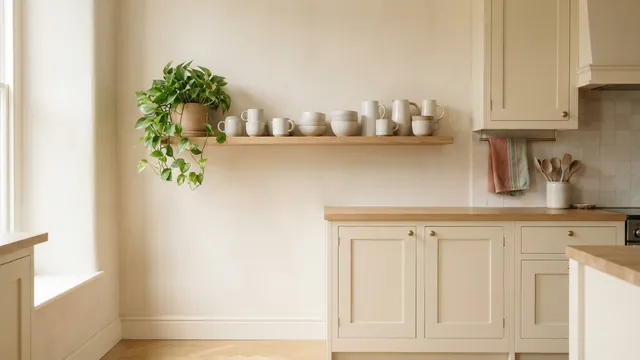
Kitchen Cabinet Tops — Style, Texture and Seasonal Charm
Style cabinet tops with balanced layers, useful texture, and decor that suits your kitchen.
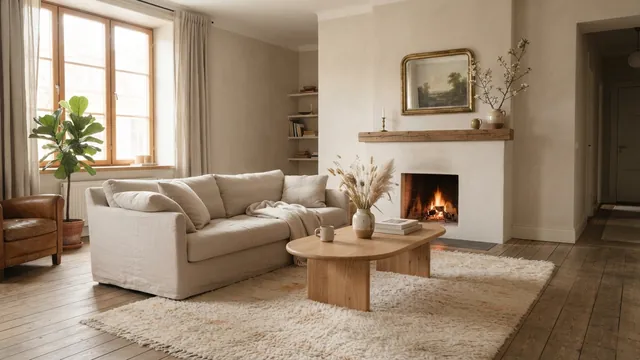
Couch Placement—Flow, Focus and Comfort
Place your couch to frame a focal point, keep paths clear, and make the room feel balanced.