How to Design a Bedroom That Feels Like Your Own
Plan a bedroom that feels calm, useful, and fully your own.
Understand the Space Before You Design
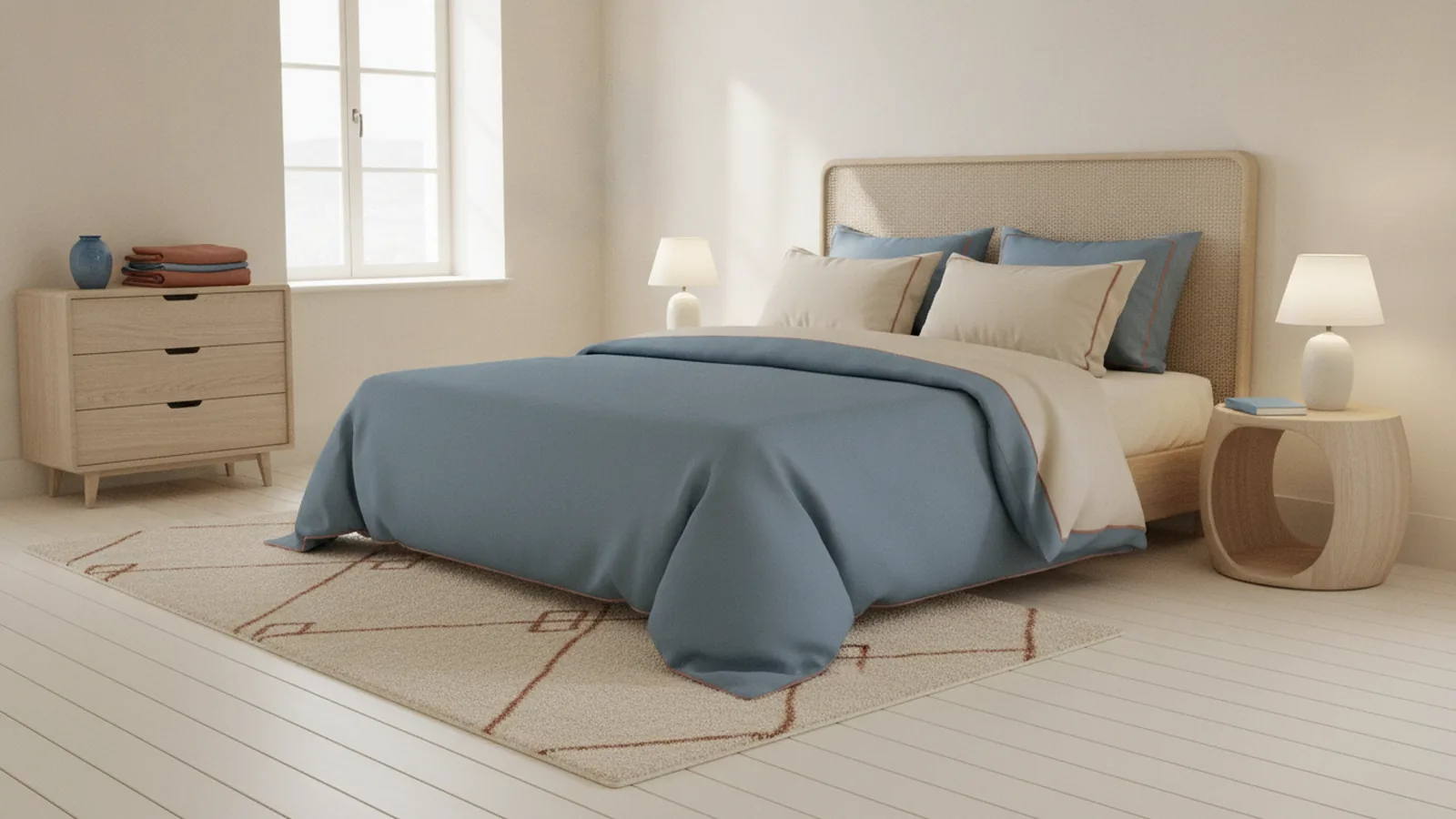
Learning how to design a bedroom starts with the room you have. Measure every wall, window, door, outlet, and fixed fitting. Note the ceiling height too.
Room size shapes each choice. A 10x10 bedroom needs a careful plan for bed size and walking space. A large room can hold sleep, reading, dressing, or work zones.
Draw the room on paper before you shop. You can also use a bedroom design tool online for free. Mark fixed features first. Then test furniture sizes with paper shapes.
Leave about 24 to 30 inches for main walking paths. This space makes daily tasks feel easier. It also helps prevent a crowded look.
- Measure wall length, ceiling height, and door swings
- Record window height and outlet positions
- List items that must stay in the room
- Set a budget before choosing finishes
These steps answer the first part of how can I design my bedroom. Start with facts, then add style.
Define Your Design Style
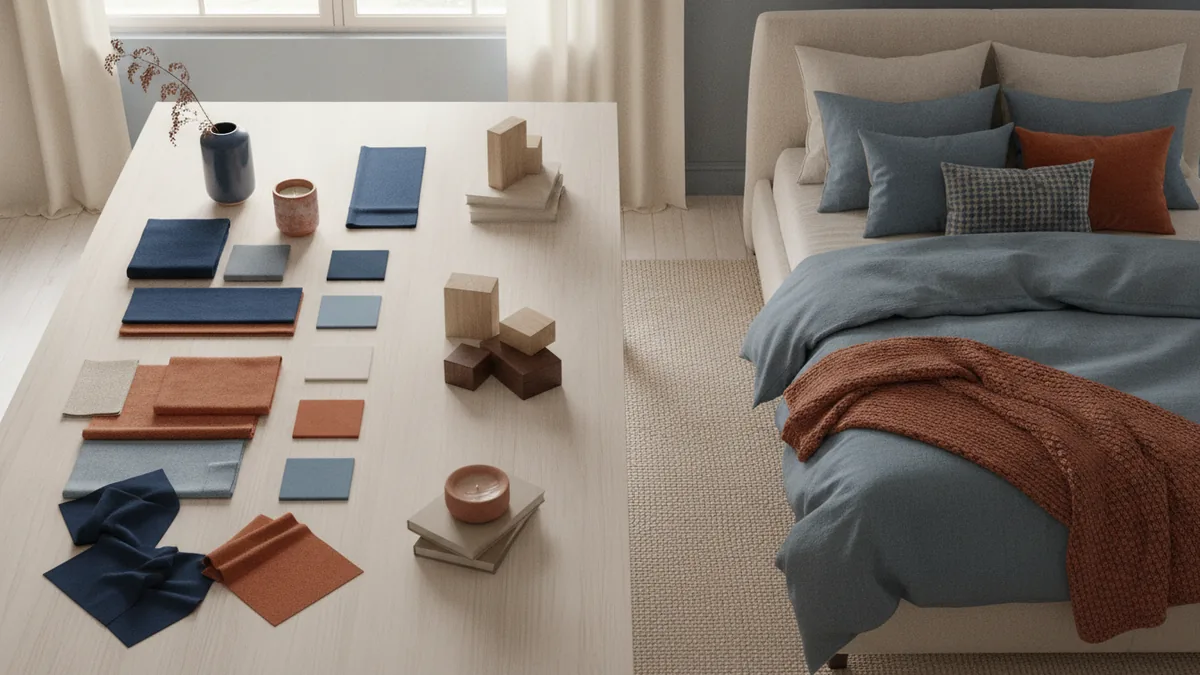
Your bedroom should feel like your space, not a showroom. Gather rooms, colors, fabrics, and objects that you like. Look for patterns across them.
You may prefer warm wood, soft linen, clean shapes, or bold art. Choose three style words before shopping. Try calm, warm, and simple.
These words guide choices when trends compete for your attention. They also help a small room feel more focused. Good style feels clear and easy to live with.
If you wonder how should I design my bedroom, begin with your daily needs. Think about sleep, dressing, reading, work, and storage. Your answers create a useful design brief.
A how should I design my bedroom quiz can help with this choice. Treat it as a prompt, not a rule. Your own habits matter more than a style label.
Make a Simple Design Plan
Make a short list of needs and wants. Needs may include blackout shades, a reading lamp, or more storage. Wants may include a bench, art, or a statement headboard.
- Pick three words for your ideal room
- Save five to ten rooms that feel right
- Circle details that appear more than once
- Use those details as your design guide
Choose a Color Palette That Fits the Mood
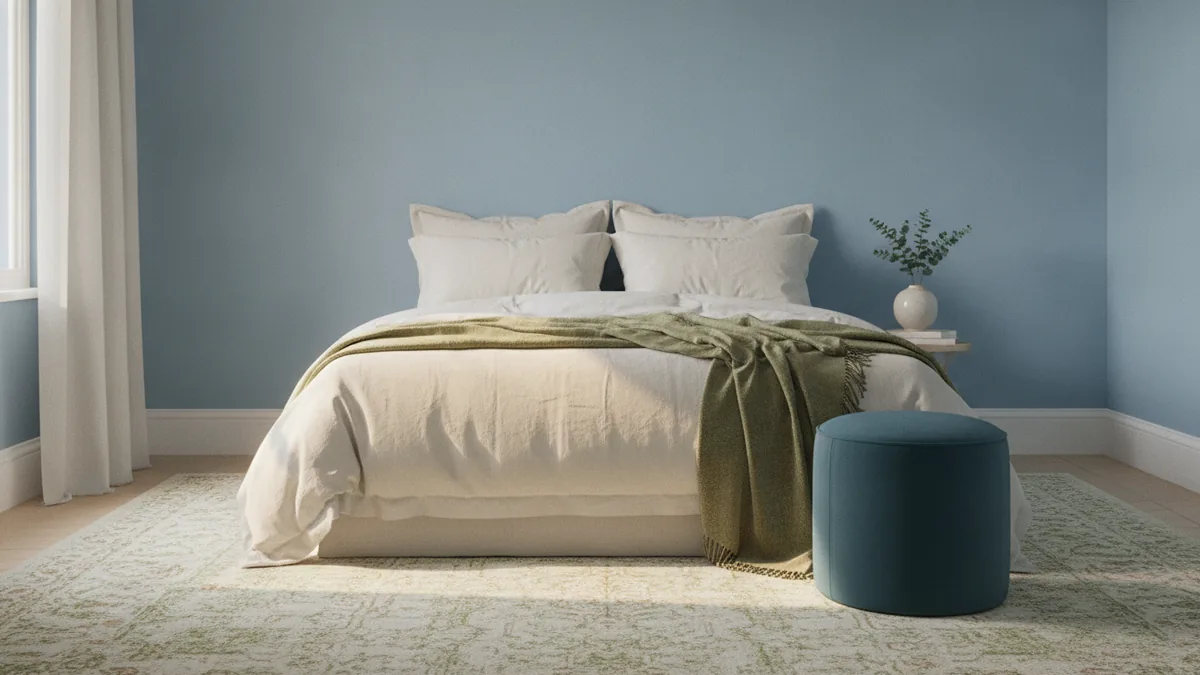
Color changes how a bedroom feels. Soft blue, muted green, warm white, and sandy beige can create calm. Deep navy, clay, and forest green can add depth.
Bright colors can bring energy. Use them on one bedroom wall, a chair, or a duvet. Keep nearby surfaces quiet. This balance prevents visual overload.
Test paint on more than one wall. Light changes from morning to night. A color may look cool near a window and warm under a lamp.
Good bedroom color schemes need a clear base. Add one main color and one or two small accents. Repeat each accent in bedding, art, or fabric.
| Goal | Color direction | Best places to use it |
|---|---|---|
| Relaxed | Soft blue, sage, cream | Walls and bedding |
| Warm | Terracotta, tan, warm white | Walls and textiles |
| Energetic | Cobalt, coral, mustard | Art and small accents |
| Balanced | Neutral base with one bold shade | Whole room plan |
Color should support rest first. Personal taste still matters. The best palette is one you enjoy each day.
Select Furniture That Works Hard
Furniture should support your daily habits. Choose the bed before other pieces. Its size affects every part of the plan.
A nightstand should hold items used at night. A dresser should offer storage without blocking a path. A soft chair can add comfort if space allows.
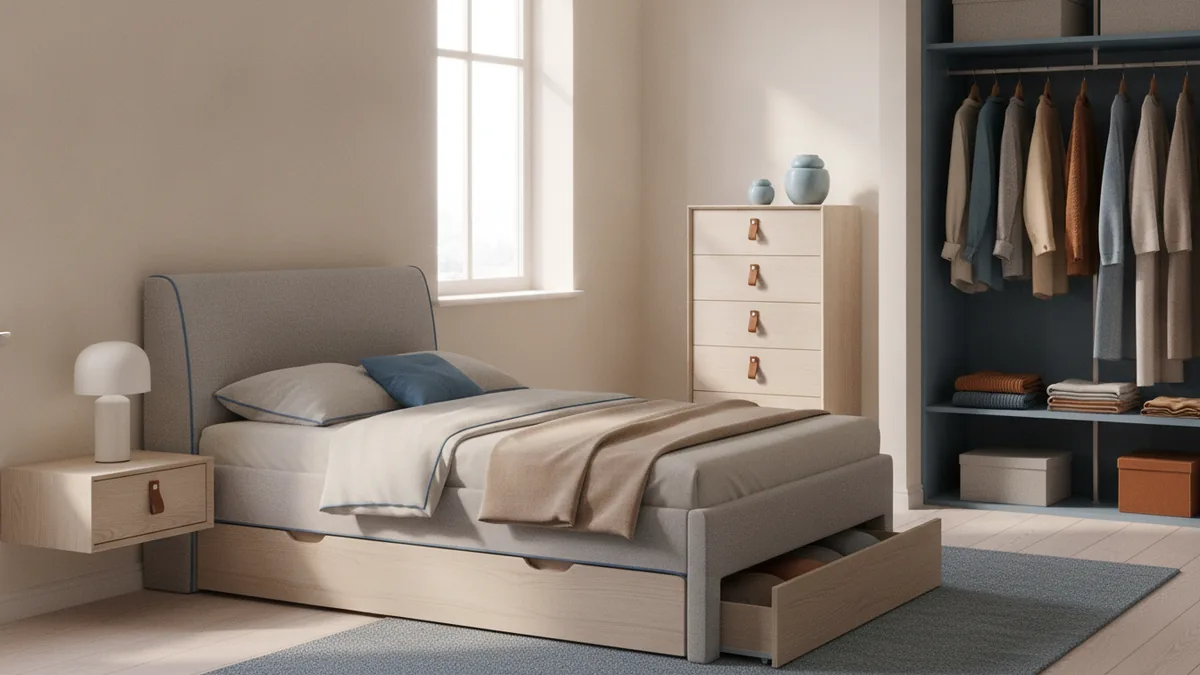
In a small room, a bed with drawers can replace a separate chest. A tall dresser can use wall height. A slim shelf can replace a bulky nightstand.
Learning how to design bedroom furniture means matching each piece to its use. Check depth before delivery. Many dressers extend 18 to 22 inches from a wall.
If you want to design your own bedroom, do not buy pieces one at a time. Check how each new item works with the bed, paths, colors, and storage plan.
Plan Storage Around Real Habits
Store daily items near the place where you use them. Keep books beside the bed. Place laundry tools near the closet.
- Use under-bed drawers for spare bedding
- Add wall shelves where floor space feels tight
- Choose a bench with hidden storage
- Use matching hangers to gain closet space
- Keep one clear surface for a calmer look
To design a bedroom closet well, sort clothes by use. Keep daily items at eye level. Store rare items higher or in bins.
Create a Layout With Easy Flow
Knowing how to design a bedroom layout starts with the bed. Place it on the strongest wall when possible. This wall often sits opposite the door.
Keep the bed clear of direct door swings. Leave equal space on both sides when two people use it. In a tight room, place one side near a wall.
A small bedroom layout needs clear paths and fewer large pieces. Use a bed with drawers or lift the bed with storage boxes. Choose narrow tables and wall shelves.
For a 1 bedroom apartment, connect the bedroom plan with the whole home. Use calm colors and furniture that serves more than one purpose. Keep tall storage close to the walls.
Large rooms need zones. Set a chair and lamp near a window for reading. Place a dresser near the closet. Keep work items away from the bed.
A split bedroom design places sleeping rooms apart from shared areas. It can give privacy in a larger home. The layout may also need a clear path from the hall.
Sketch the Plan Before Shopping
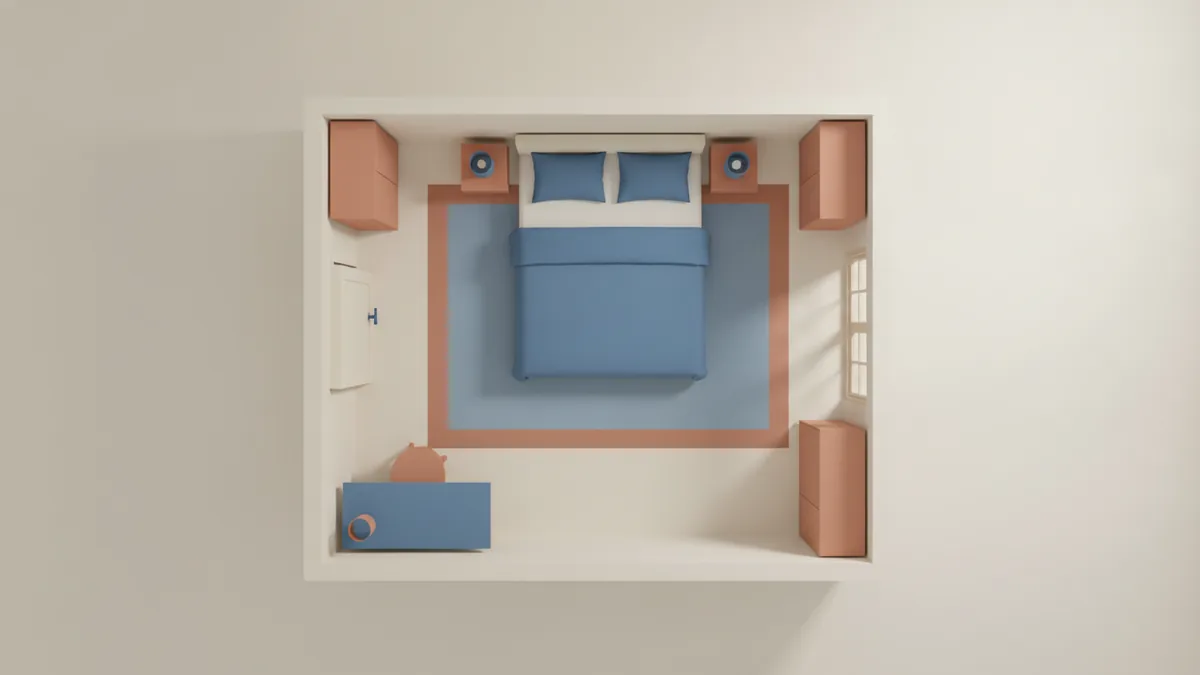
To learn how to sketch a bedroom design, draw the room from above. Use one square for each foot. Add doors, windows, and fixed items first.
Cut paper shapes for the bed and other furniture. Move them until paths feel clear. This simple test can prevent costly mistakes.
Layer Lighting for Comfort and Use
Lighting should support both tasks and mood. Use three layers: ambient, task, and accent light.
Ambient light fills the room. A ceiling fixture can provide it. Use a dimmer when possible.
Task light helps with reading and dressing. Place a lamp beside the bed. Add a focused light near a mirror or closet.
Accent light adds depth and warmth. Try a small lamp, a picture light, or a soft glow behind a headboard. Keep bulbs warm for a restful feel.
Hide cords where you can. Keep switches easy to reach from the bed. Avoid harsh light aimed straight at your eyes.
Add Personal Touches and Accessories
Accessories make a room feel lived in. Add artwork, books, plants, travel items, or objects made by hand. Choose pieces that carry meaning.
To design your bedroom like a hotel room, focus on order and comfort. Use layered bedding, matching lamps, clear surfaces, and soft curtains. Keep the room personal rather than plain.
Cool bedroom ideas do not need costly pieces. Try one bold print, a painted headboard shape, or a bright throw. Keep the rest of the room simple.
For how to design a bedroom on a budget, change small parts first. Paint one wall, move existing furniture, sew new pillow covers, or add thrifted art.
How to design my bedroom for free is often a question of rearranging. Remove unused items, swap pieces between rooms, and use books or plants as décor.
Online tools can help you test these choices. Search how to design my bedroom online or how to design your bedroom online for free. Use the tool to test scale, not to copy a finished room.
Review the room after one week. Notice blocked paths, poor light, unused storage, and surfaces that collect clutter. Small changes can turn a good plan into a room that works.
Frequently asked questions
- How do I design a bedroom from scratch?
- Start by measuring the room and noting fixed features. Then choose a bed, plan clear paths, set a color palette, and add layered light.
- How do I design a bedroom in a small space?
- Use a smaller bed, narrow furniture, wall shelves, and storage under the bed. Keep the main walking path clear.
- How do I design a 10x10 bedroom?
- Measure the room, draw it to scale, and test furniture shapes with paper. This method helps you build a clear layout before shopping.
- How do I design a bedroom closet?
- Use a bed with drawers, tall storage, and a closet plan based on daily use. Keep rare items in high bins or under-bed storage.
- How do I design a bedroom on a budget?
- Start with paint, rearranged furniture, thrifted art, and simple fabric changes. These updates can refresh a room without a large spend.
- How do I design my bedroom like a hotel room?
- Use calm colors, layered bedding, matching bedside lamps, clear surfaces, and soft window treatments. Add personal items so the room still feels like home.
Related reading
How to Style a Master Bedroom That Feels Calm and Personal
Create a calm bedroom with smart layout, soft layers, and personal style.
How to Decorate a Teenage Boy’s Room With Style
Create a stylish teen room with smart storage, personal art, and a calm study zone.
Is Blue a Good Bedroom Color? How to Choose the Right Shade
Learn how blue shades and undertones shape a calm, restful bedroom.