A Beautiful Bedroom on a Small Budget
Refresh your bedroom with smart, low-cost changes that add comfort and style.
Start with a Simple, Low-Cost Bedroom Plan
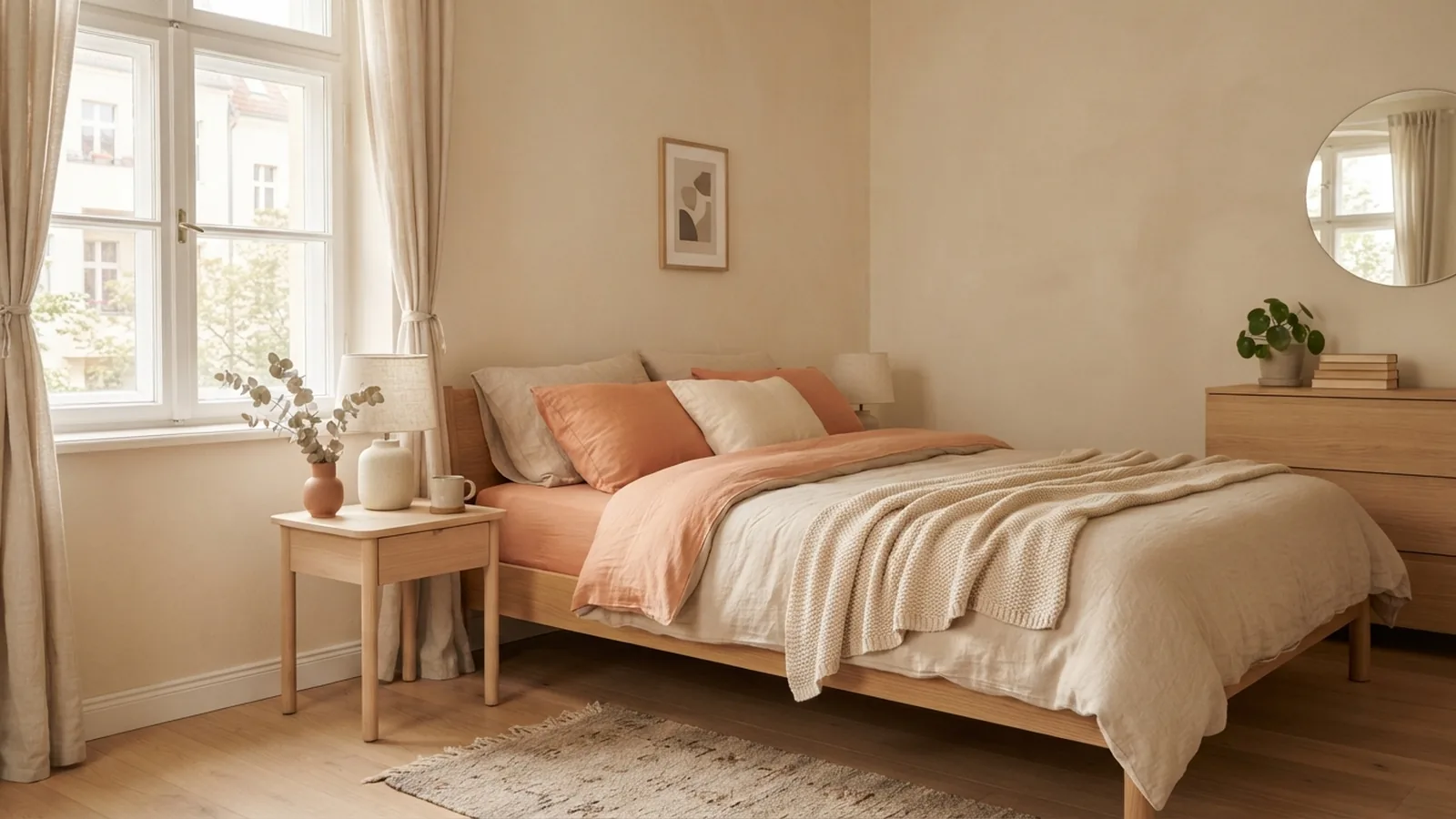
If you want to know how to decorate a bedroom for cheap, start with what you own. Clear the room, clean each surface, and move furniture into fresh positions. These steps cost nothing, yet they can make the room feel larger and calmer.
Next, choose one main change and two small updates. Paint one wall, replace tired bedding, or add a warm lamp. Then bring in small details, such as art, cushions, or a plant. This order helps you avoid buying items that do not work together.
Set a firm budget before you shop. A useful split might include $30 for paint, $25 for soft goods, and $20 for art. Keep the rest for storage or one useful piece of furniture. Small limits can lead to better choices.
- Keep items that serve a clear purpose.
- Choose pieces that suit your room’s size.
- Mix new finds with secondhand items.
- Leave some surfaces clear for a calm look.
A minimalist approach does not mean an empty bedroom. It means each item earns its place. A tidy room also makes low-cost decor look more thoughtful.
Refresh the Walls Without a Large Bill
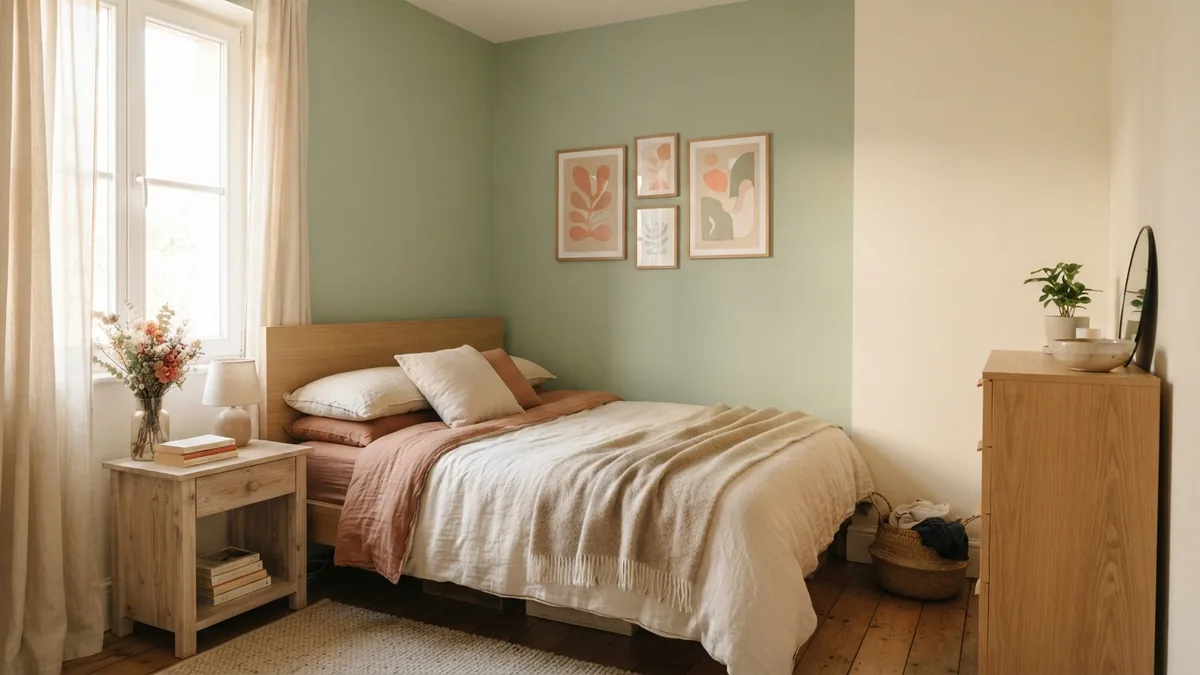
Walls often offer the biggest change for the lowest cost. A fresh coat of paint can hide marks and shift the room’s mood. You do not need to paint every wall. One feature wall may use less than one litre of paint.
Soft cream, pale peach, light sage, and warm beige can make a bedroom feel gentle. White can increase the sense of space, especially near a small window. Deep shades can feel cosy, but they may make a small room seem closed in.
Removable wallpaper can add pattern without a long-term commitment. Use it behind the bed or inside an open shelf. Measure first, and buy only enough for one clear area. Sample sheets can help you test color and pattern in daylight.
You can also make a wall display with low-cost materials. Try a thrifted frame set, a fabric panel, or a row of postcards. Keep the layout simple. Leave equal gaps between pieces for a neat, planned result.
Use Accessories to Add Comfort and Character
Accessories can change the feel of a bedroom without costly work. Begin with bedding, since it covers the largest area. A plain duvet cover gives you room to add color through smaller pieces.
Try two cushion covers, one folded throw, and a washable rug. These items add texture and warmth. Look for cotton, linen blends, and flat-woven rugs. They often last longer than thin synthetic pieces.
Art does not need a high price tag. Frame a calendar page, a fabric scrap, or a page from an old book. You can also print a simple landscape from your own collection. Use matching frames to make mixed art feel connected.
Lighting matters as much as decoration. A warm table lamp can make a room feel more restful at night. Search thrift shops for sound lamps, then replace old shades or cords when needed. Keep the light near the bed for easy reading.
| Item | Low-cost update | Useful tip |
|---|---|---|
| Throw pillows | Buy covers instead of full cushions | Choose two colors from your bedding |
| Rug | Use a small flat-weave style | Place it beside the bed |
| Wall art | Frame prints or fabric scraps | Repeat one color across the display |
| Lamp | Update the shade | Use a warm white bulb |
Add Personality with Easy DIY Projects
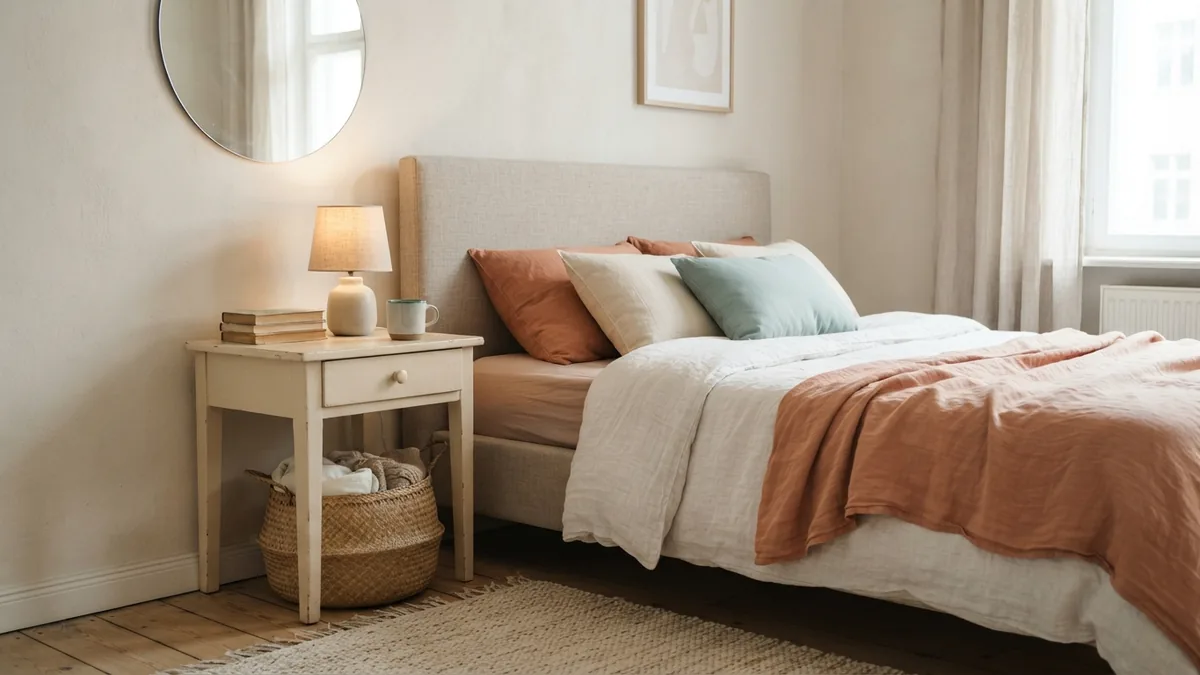
DIY decor can make a bedroom feel personal without raising the cost. Pick projects that use tools and supplies you already have. A small change often gives better results than a complex weekend build.
Paint an old bedside table in a soft neutral shade. Sand rough spots first, then use a small foam roller. Add new knobs from a reuse shop. This simple update can turn tired furniture into a useful focal point.
You can also make a fabric headboard from plywood, foam, and a remnant. Cut the foam to the board’s size, then wrap both with fabric. Secure the back with staples. Choose a plain fabric if the room already has bold art.
For a smaller project, create a hanging rail from a wooden dowel. Add simple hooks for scarves, baskets, or lightweight decor. Keep the rail above a desk or dresser. Do not hang heavy items unless the fixings suit the wall.
- Turn a wooden crate into a bedside shelf.
- Use old jars as holders for dried stems.
- Cover a corkboard with leftover fabric.
- Paint a plain mirror frame in a warm accent shade.
Upcycling furniture works best when the piece has good bones. Check drawers, joints, and the back before buying. Avoid repairs that cost more than a similar used item.
Choose Colors That Shape Mood and Space
Color affects how a bedroom feels. Warm shades can create comfort and energy. Pale shades can make walls seem farther away. The best choice depends on daylight, room size, and your sleep routine.
Start with three colors. Use one main color for walls or bedding. Add one supporting shade through curtains or a rug. Finish with a small accent, such as terracotta, coral, or muted green.
Test each color at different times of day. Morning light can look cool, while evening light can turn beige more golden. Paint a large sample board instead of judging a tiny card. Move the board near the bed and window.
If the room feels narrow, keep walls and large furniture close in tone. Use contrast through cushions, art, or a lamp. This trick keeps the eye moving without breaking the room into small blocks.
Color psychology can guide your first choice, but comfort matters more than rules. A soft green may feel restful to one person. Another person may prefer warm cream. Choose colors that help you unwind.
Make Small Bedrooms Work Harder
Good storage can improve a bedroom more than extra decor. Start by using the space under the bed. Low boxes, zip bags, or shallow baskets can hold spare bedding and seasonal clothes.
Use vertical space when floor area is tight. Add a narrow shelf above a desk or dresser. Install hooks behind the door for robes and bags. Choose matching baskets when storage stays visible.
Furniture can serve more than one purpose. A stool can act as a bedside table and extra seating. A bench can hold blankets below its seat. A wall shelf can display art while keeping the floor clear.
Keep the walking path open around the bed. Aim for about 60 centimetres where possible. This makes cleaning easier and helps the room feel less crowded. Remove one item before adding another.
- Store daily items at waist or eye height.
- Keep rarely used items under the bed.
- Use slim hangers to free wardrobe space.
- Choose closed storage for visual calm.
Functional design keeps a cheap bedroom from feeling temporary. Each storage choice should solve a real problem. The room will look better because it works better.
Shop Smart for Inexpensive Bedroom Decor
Thrift stores, charity shops, and reuse centres are strong places to find bedroom pieces. Search for frames, baskets, lamps, mirrors, and solid wood tables. Visit often, since stock changes each week.
Discount shops can help with basics, such as cushion covers, hooks, and storage boxes. Check seams, finishes, and hinges before buying. A low price does not help if the item breaks within months.
Online resale groups work well for larger items. Search by size, material, and color rather than by style alone. Ask for measurements before you travel. This step prevents many wasted trips.
Shop your own home first. A vase from the living room may suit the bedside table. A spare blanket may become a chair throw. Moving useful pieces can make the bedroom feel new at no cost.
Use this quick buying test before each purchase:
- Does the item serve a clear purpose?
- Will it suit at least three pieces already in the room?
- Can you clean, repair, or replace it with ease?
- Will it still work after your style changes?
The cheapest room is not the one with the lowest receipt. It is the room where every purchase adds lasting value. With paint, soft goods, DIY decor, and smart storage, you can create a bedroom that feels warm, useful, and fully yours.
Frequently asked questions
- How can I decorate a bedroom for cheap?
- Start with cleaning, rearranging, and shopping your own home. Then add one wall update, a few soft goods, and useful storage within a set budget.
- What is the cheapest way to change a bedroom?
- Rearranging furniture and changing the wall color often create the biggest effect. You can also move lamps, art, and textiles from other rooms.
- How can I decorate my bedroom cheaply without buying new furniture?
- Paint or repair your current pieces, change their handles, and improve their layout. Add cushions, bedding, art, and storage instead of replacing large items.
- What colors make a small bedroom look bigger?
- Warm white, cream, pale beige, and light sage can make a small room feel more open. Use similar tones on large furniture to reduce visual breaks.
- Where can I find inexpensive bedroom decor?
- Try charity shops, thrift stores, reuse centres, discount shops, and online resale groups. Check size, condition, and repair needs before buying.
Related reading
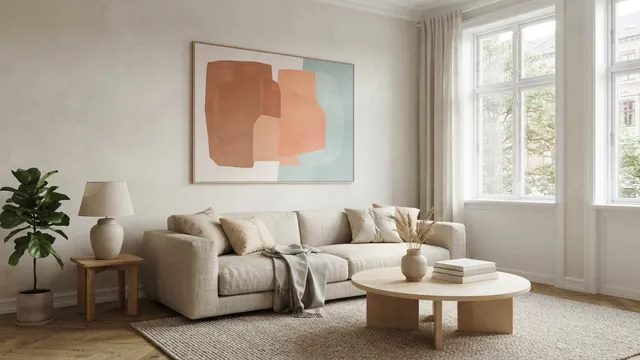
Large Living Room Walls — Scale, Style, and Warmth
Use scale, art, texture, shelves, and light to make a large wall feel balanced.
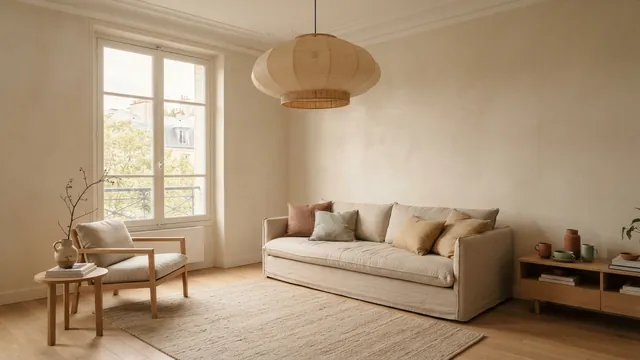
High Ceilings — Warmth, Scale and Style
Use color, scale and soft textures to make tall rooms feel inviting.
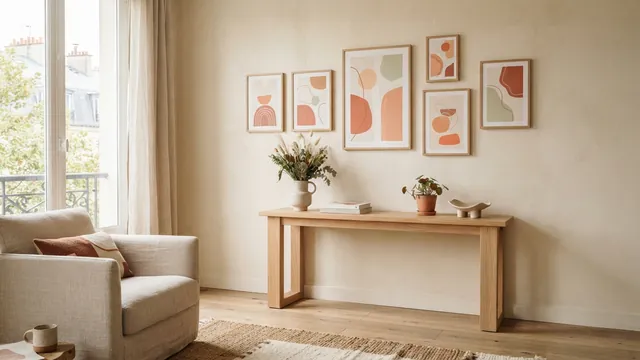
Long Walls — Ideas That Add Balance and Character
Make a long wall feel balanced with color, art, shelves, and warm light.