How to Make Unique Room Decor with Easy DIY Ideas
Make personal room decor with simple projects, warm colors, and low-cost finds.
Start with a Room That Feels Like You
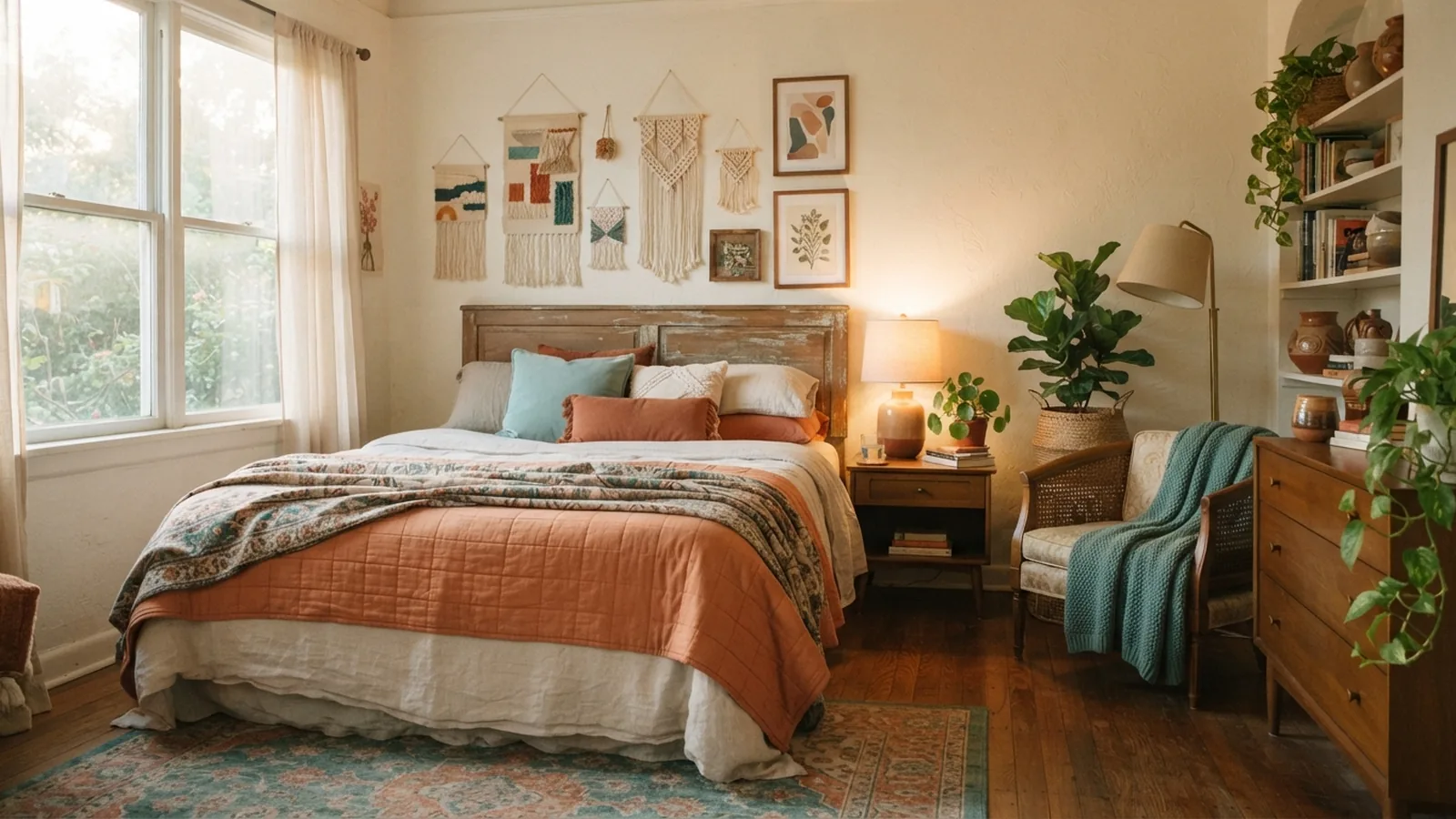
The best way to make room decor is to start with your taste, needs, and daily habits. Choose one theme, two main colors, and a few textures. Then add handmade pieces that tell your story. This method creates a room that feels planned without looking plain.
Personal style matters more than a perfect trend. Your room should support rest, work, hobbies, or time with friends. Think about the objects you already love. Books, records, travel finds, art, and plants can guide your design choices.
Begin with a quick room check. Note the floor color, natural light, wall space, and storage needs. Take photos from each corner. These steps help you spot empty areas and avoid buying items that do not fit.
- Pick one main mood, such as calm, bold, playful, or cozy.
- Choose two base colors and one accent color.
- Keep useful items visible when they add character.
- Leave some open space around large furniture.
Choose a Theme Without Losing Your Personal Style
A room theme gives your ideas a clear path. It does not mean every item must match. Use the theme as a guide for colors, shapes, and materials.
An aesthetic room decor theme often uses soft colors, plants, art prints, and warm lamps. An indie theme may mix records, thrifted frames, bold posters, and unusual objects. Vintage rooms work well with aged wood, brass details, old books, and floral cloth.
You can also mix themes with one shared color. For example, pair vintage furniture with indie art. Keep both styles linked through rust, cream, or deep green. This creates contrast without visual noise.
Write three words that describe your ideal room. Try words such as warm, clever, quiet, bright, or playful. Remove any item that fights those words. A clear theme makes each DIY choice easier.
Try These DIY Room Decor Projects
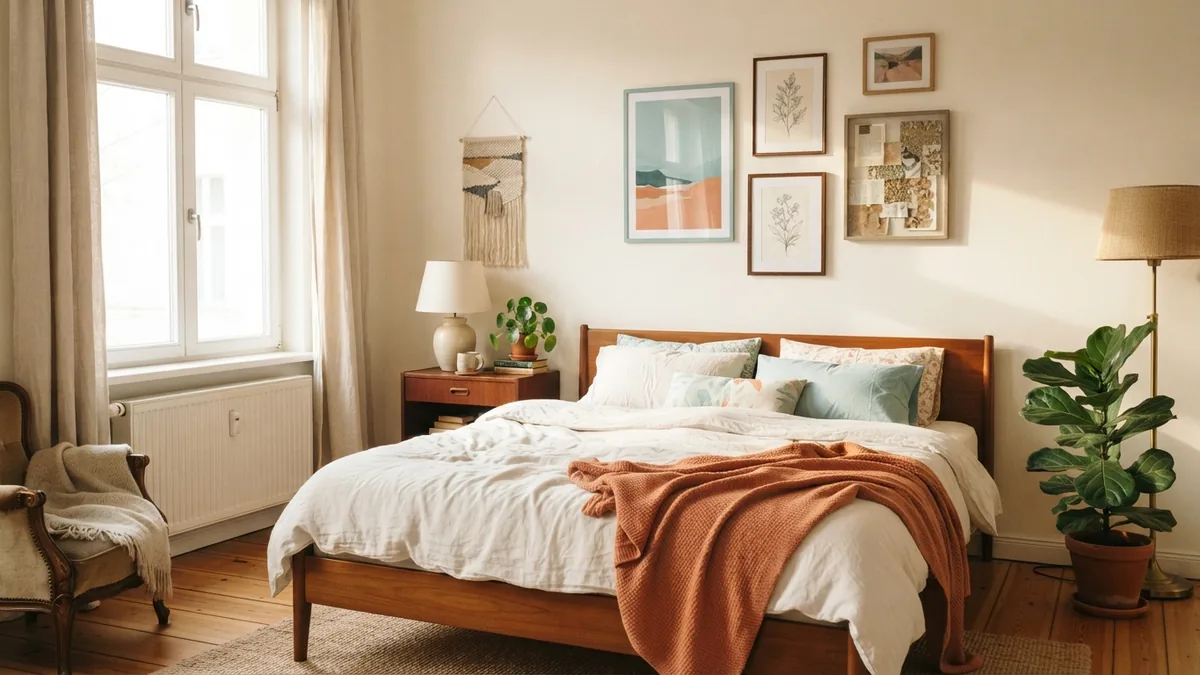
Simple DIY projects can change a room without costly tools. Start with one wall piece and one small functional item. Both projects below need basic supplies and take less than two hours.
Make a layered wall art panel
- Cut a piece of thick card or thin plywood into a 30-centimeter square.
- Paint the base with one color, then let it dry for 30 minutes.
- Add torn paper, cloth scraps, or dried leaves in loose layers.
- Draw simple lines with a paint pen or fine brush.
- Seal the surface with water-based craft sealant.
- Attach picture hooks after the panel dries fully.
Use colors from your bedding or curtains. Leave some base color visible. This keeps the panel light and helps it suit the room.
Build a useful hanging rail
Find a smooth wood strip, two hooks, and a strong cord. Sand the wood before adding stain or paint. Tie the cord through both ends. Mount the rail above a desk or beside a wardrobe.
Use the rail for postcards, headphones, scarves, or small baskets. Add clips for easy changes. The rail then works as storage and personalized decor.
Other DIY room decor ideas include painted plant pots, fabric pennants, and decorated storage boxes. Test each idea on scrap material first. A small test can prevent wasted supplies.
Use Color and Texture to Warm the Space
Color changes how large, bright, or calm a room feels. Warm shades include clay, rust, mustard, peach, and soft brown. Cool shades include blue, mint, and blue-grey.
Grey flooring can look clean, but it may feel cold beside white walls. To warm up a room with grey flooring, add tan wood, cream fabric, and warm lamps. Terracotta, olive, and ochre also work well.
Repeat your accent color at least three times. Place it in a cushion, art print, and small accessory. Repetition makes the room feel joined up.
Texture adds warmth even when the color stays simple. Mix smooth glass with rough wood. Add a knitted throw, woven basket, linen curtain, or soft rug. Aim for three different textures near the main seating area.
- Use a rug to soften hard floors and reduce echo.
- Add cushions with different cloth types, not just different prints.
- Place a wood tray on a glass or metal table.
- Use plants to bring soft shapes and natural color indoors.
Lighting also shapes the whole room. A single ceiling light often creates harsh shadows. Add a table lamp, floor lamp, or small wall light at a lower level.
Choose warm white bulbs near 2,700 to 3,000 kelvin. Use brighter light near a desk. Use softer light near beds and reading chairs.
Keep Your Room Decor Budget-Friendly
Set a spending limit before you shop. Split it across paint, fabric, tools, and display items. Keep at least 10 percent aside for missing supplies.
Affordable materials often come from places you already visit. Check charity shops, reuse centers, hardware offcuts, fabric stores, and local market stalls. Ask paint shops about sample pots and damaged tins.
For online shopping, search by material rather than style. A plain pine board costs less than a named wall shelf. A cotton remnant can become art, a cushion cover, or a small curtain.
Before you buy room decor, compare size, shipping cost, and return rules. Measure your wall and shelf first. A cheap item still wastes money if it does not fit.
- Reuse jars as brush pots, vases, or bathroom storage.
- Turn old frames into pinboards with fabric and cork.
- Use leftover paint on small trays, pots, and plant stands.
- Swap decor with friends when you want a seasonal change.
Upcycling materials keeps useful items out of the bin. It also gives your room pieces with a real story. Clean each item well, then check for loose parts before use.
Add Finishing Touches and Seasonal Details
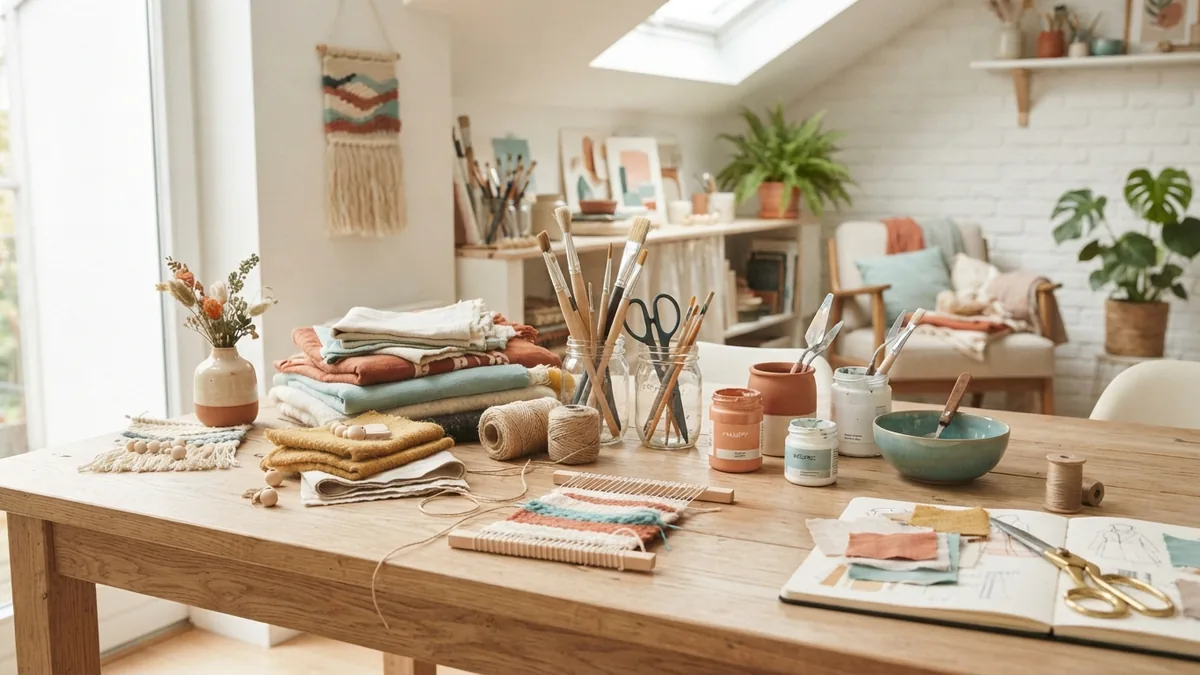
Accessories should support the room instead of filling every gap. Choose a few objects with different heights. A stack of books, a small vase, and a framed print make a strong group.
Use trays to gather small items on desks and dressers. This simple move makes busy surfaces look calmer. It also makes cleaning much faster.
Mirrors can bounce light into darker corners. Place one opposite a window when possible. Keep it away from direct glare near a desk or bed.
Seasonal decor can refresh the room without a full redesign. Change cushion covers, small art, and table items every few months. Keep large furniture and core colors steady.
For handmade Christmas decor, cut paper stars from old packaging. You can also fill clean jars with pinecones, dried orange slices, or small branches. Use LED lights with a safe battery box near fabric.
Indie, cute, or preppy decor can all work on a low budget. The key is choosing pieces that fit your theme. Search local resale shops, craft markets, and maker stores for unusual finds.
Pull the Room Together with a Simple Plan
Work from large choices to small ones. Start with the floor, walls, and main furniture. Then add lighting, textiles, wall art, and small accessories.
Stand at the doorway after each change. Look for empty corners, crowded shelves, and dark spots. Move items before buying new ones.
Keep your strongest personal pieces in easy view. A handmade print or collected object can lead the whole design. That detail makes the room feel yours.
Great room decor does not need a large budget. It needs a clear mood, useful DIY projects, and thoughtful edits. Start with one small surface today. Build the rest as your style grows.
A quick final checklist
- Does the room show your taste and daily needs?
- Do the colors repeat across at least three areas?
- Do the textures add warmth and comfort?
- Does each lamp serve a clear purpose?
- Did you reuse or repair anything before buying new items?
Step-by-step
- 01 Choose the room mood
Write three words that describe the room you want. Use them to guide colors, materials, and decor choices.
- 02 Pick colors and textures
Choose two base colors and one accent shade. Add at least three textures near the main seating area.
- 03 Make one wall art panel
Paint card or thin plywood, then add paper, cloth, or natural materials. Seal the panel and hang it after it dries.
- 04 Build one useful decor item
Turn a wood strip into a hanging rail with hooks and cord. Use it for small storage or display.
- 05 Layer lighting and accessories
Add a lower lamp, then group a few objects at different heights. Remove items that crowd the room.
Frequently asked questions
- How do you make room decor from items at home?
- Reuse jars, frames, boxes, cloth scraps, and leftover paint. Turn them into storage, wall art, planters, or small displays.
- What are easy DIY room decor ideas for beginners?
- Start with a layered wall art panel, painted plant pot, fabric pennant, or decorated storage box. These projects need few tools and little space.
- How do you warm up a room with grey flooring?
- Add warm wood, cream textiles, woven baskets, and lamps with warm white bulbs. Terracotta, mustard, olive, and rust shades also help.
- Where can you buy affordable room decor supplies?
- Try charity shops, reuse centers, hardware offcuts, fabric stores, and local markets. Sample paint pots and recycled materials can lower costs.
- How does lighting affect room decor?
- Lighting changes the room's mood and shows its colors. Combine ceiling light with lower lamps for softer layers and fewer harsh shadows.
Related reading
Room Painting Costs — What Shapes Your Quote
Room painting often costs $200–$1,000. See what drives the price and how to compare quotes.
Kitchen Cabinet Tops — Style, Texture and Seasonal Charm
Style cabinet tops with balanced layers, useful texture, and decor that suits your kitchen.
Couch Placement—Flow, Focus and Comfort
Place your couch to frame a focal point, keep paths clear, and make the room feel balanced.