How to Turn a Bedroom Into a Dressing Room (Practical Guide)
Turn your bedroom into a dressing room with space-saving design, lighting, and smart wardrobe organization.
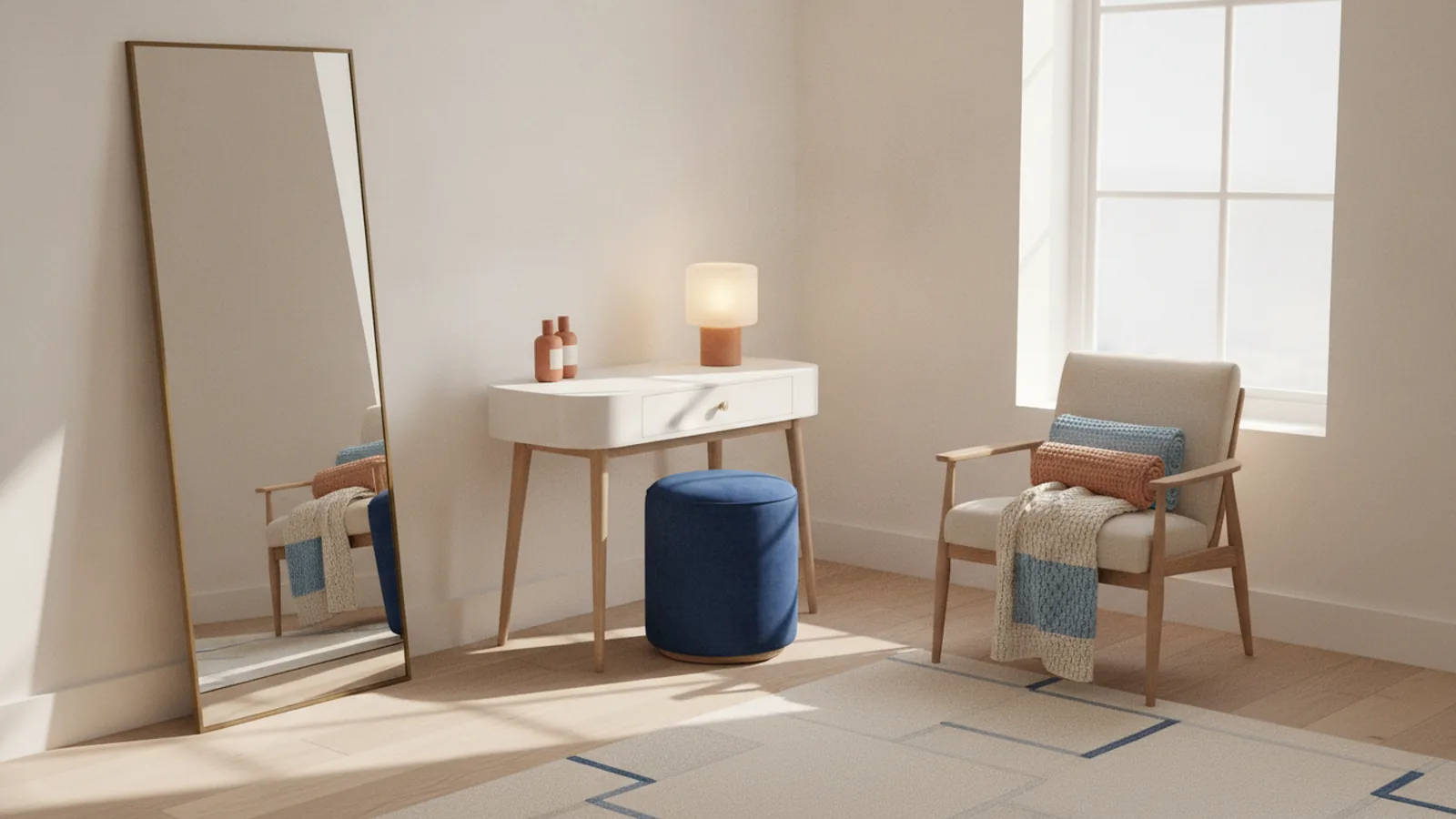
Assessing your bedroom space and layout
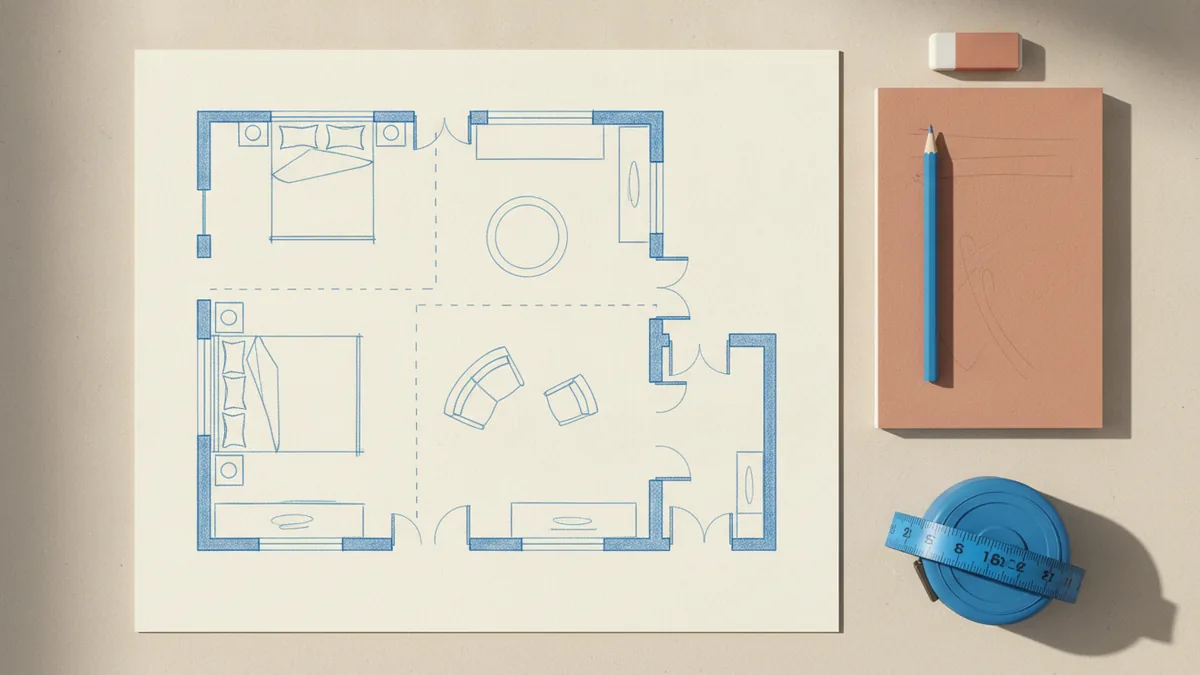
If you want a smooth convert bedroom to dressing room, start with a reality check. Measure the room first, then plan around doors, windows, and walkways. A dressing area fails when people trip, squeeze past doors, or can’t reach storage comfortably.
Begin with basic dimensions. Note wall lengths, ceiling height, window size, and where the bed currently sits. Then mark the paths people will walk daily, especially between the bed, closet, and any new vanity.
Next, decide how much “dressing zone” you truly need. Many bedroom transformation ideas work best when you reserve one side of the room for daily use. For example, you can turn a corner into a dressing nook and keep the rest for sleep.
- Allow at least 30 inches for a comfortable walking path.
- Keep drawers and cabinet doors fully open without hitting the bed.
- Place mirrors where you can see from head to toe.
Finally, think about sound and privacy. If your bedroom has shared walls or thin doors, plan privacy options early. Even solid storage can create better separation, but it must not block light or airflow.
Choosing functional furniture for a dressing room feel
The core furniture usually stays simple. A dressing room needs a place to sit, a place to see yourself, and a place to store clothes and accessories. If you choose pieces that match your room size, you get function without clutter.
Start with a vanity or tabletop. Use one with drawers for space-efficient storage, even if it’s shallow. A width of 36 to 48 inches often fits well in bedrooms, depending on your layout and mirror size.
Then add mirrors strategically. One large mirror beats several small ones when space is tight. If possible, choose a mirror that reflects natural light during the day to reduce harsh shadows.
Storage solutions should match how you actually use your closet. If you fold often, add shelves and drawers. If you hang most items, plan a wardrobe section or a hanging rack with a rod height you can reach.
| Need | Space-efficient option | When it works best |
|---|---|---|
| Quick outfit check | Full-length mirror | When you can dedicate one wall |
| Skincare and small items | Vanity drawers or tray | When you want everything at arm’s reach |
| Folded clothes | Stacked shelves | When your closet has deep space |
| Accessories | Hooks and small organizers | When you want fast daily access |
Pay attention to furniture arrangement too. Keep the vanity and mirror close enough for daily use, but leave room for the chair. If your room is narrow, a slim console with a mirror can work better than a bulky dresser.
Lighting design that improves visibility and mood
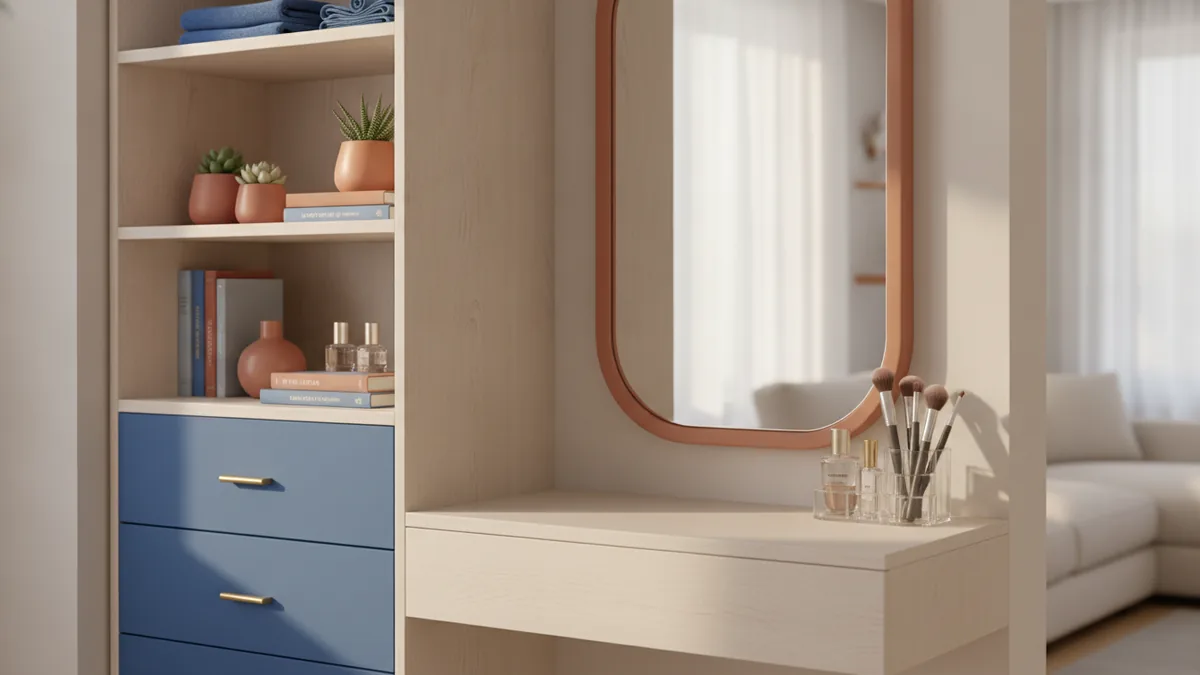
Good lighting is the difference between a bedroom dressing corner and a real dressing room. Use lighting design in layers so you can see clearly and still enjoy the ambiance. Aim for ambient light, task light for details, and accent light for atmosphere.
Ambient lighting sets the baseline. Ceiling fixtures work well, but many bedrooms also benefit from wall sconces or a flush-mount unit. Choose bulbs with a consistent color temperature so your clothes look accurate.
Task lighting should focus on the mirror area. A vanity light bar or two side lights reduce shadows on your face. If you do makeup, place the light so it’s roughly eye level when you’re seated.
Accent lighting helps the room feel warm. Use a small LED strip behind a shelf, or a lamp on a dresser to soften the edges. Keep accent lights dimmable so you can adjust the mood at night.
- Start with the main light and confirm you can move comfortably.
- Add mirror task lighting and test shadows with a phone flashlight.
- Finish with one accent source to warm the space.
Also plan for practical wiring. If you can’t add outlets easily, use battery or plug-in options for sconces and mirrors. That keeps the project flexible without tearing up walls.
For space optimization, consider placing lights near storage. Lighting inside cabinets or behind open shelving makes finding items faster, especially in the evening.
Organizing your wardrobe with smart storage solutions
Once the furniture is set, wardrobe organization makes or breaks the daily experience. Your goal is simple: store items where you can reach them quickly. When you convert bedroom to dressing room, you want less searching and more getting dressed.
Start by sorting your clothing into categories you can repeat. Use everyday grouping like tops, bottoms, dresses, outerwear, shoes, and accessories. Then match each category to a specific storage method.
Shelves and drawers help with folded items, but depth matters. For shirts and sweaters, choose shelves that are deep enough to stack without tipping. For socks and small items, narrow drawers with dividers prevent messy mix-ups.
Hooks work best for items you grab often. Hang belts, scarves, hats, and bags on a small wall section near the mirror. This keeps accessories visible and reduces the “where did it go” cycle.
- Use drawer dividers for small items and undergarments.
- Add a bottom shelf for shoes you rotate regularly.
- Group accessories by type, not by where they came from.
- Store off-season items higher or in sealed bins.
If you have a full closet, you can keep it intact and still create dressing functionality. Consider adding a second storage surface like a small dresser or open shelving system. That lets you separate “ready to wear” from seasonal pieces.
Finally, label only if it helps you stay consistent. Many people benefit from visual cues, like color-coordinated bins or simple categories. The best storage systems are the ones you’ll use every day.
Decorating your dressing room for a welcoming interior decor style
Your dressing room should reflect your personal style, not just look good. Use interior decor to create a calm space where you enjoy getting ready. The trick is to keep the decor tied to function so it doesn’t add clutter.
Pick a color scheme that supports dressing. Light colors make small rooms feel bigger, while warm neutrals feel cozy. If you like bold accents, use them on a chair, curtain, or framed print to avoid visual noise.
Consider textiles and surfaces that handle daily use. A comfortable seat cushion makes the mirror routine better. A washable rug helps with spills and keeps the floor from looking bare.
Decor can also improve storage. Decorative baskets hide small items and keep surfaces clear. A tray on the vanity prevents everyday items from spreading across the top.
- Choose one main wall color and one accent tone.
- Keep patterns small if your room is narrow.
- Match metals on fixtures and hardware for a clean look.
- Use a mirror with a frame that fits your style.
When space is limited, focus on a few “statement” bedroom transformation ideas. A full-length mirror on a prominent wall is often enough. Then add one piece of functional decor, like a fabric storage stool or a stylish organizer that holds accessories.
Keep the layout simple. A dressing room feels best when you can see your options quickly and keep surfaces mostly clear.
Maintaining privacy and comfort with practical options
Privacy isn’t only about sound or visibility. It’s also about how comfortable you feel while getting dressed. If you share your home, or you want more personal space, plan privacy options that still work with your lighting.
Start with curtains if your dressing area sits near a window. Choose a fabric that blocks glare and adds softness. You can also use sheer panels during the day and close fuller curtains at night.
Room dividers help when you want a separate dressing zone. A freestanding divider works well because you can move it for cleaning or rearranging furniture. If your room is larger, consider a folding screen or a bookcase divider with open shelves.
For comfort, make sure air flow and temperature stay pleasant. If you add a vanity chair, allow space for it to pull out without bumping the divider. Comfort also depends on how stable mirrors and shelves feel, so anchor heavier pieces to the wall.
- Use curtains to control visibility and window glare.
- Try a divider that matches your decor style.
- Keep walk paths open for safe, quick movement.
- Choose seating that supports long dressing sessions.
Finally, test the day-to-night routine. Turn on the lights like you would in the evening and check for glare in the mirror. If you see harsh reflections, adjust lamp placement or curtain thickness to soften the look.
Quick checks to make your dressing room work long term
After your setup, do a short “real-life test” before you call the project done. Dress at your mirror with your go-to items and check reach and visibility. If you have to stretch, you’ll be annoyed every morning.
Revisit storage every season. You should be able to swap in winter pieces without redesigning the whole system. Use bins and clear categories so the change takes an afternoon, not a weekend.
Also adjust lighting seasonally. Daylight changes through the year, which affects how your face looks under task lighting. If needed, use dimmers or swap bulbs to keep skin tones and colors consistent.
| What to test | What good looks like | Simple fix |
|---|---|---|
| Mirror visibility | You can see your full outfit | Move mirror or raise the angle |
| Drawer flow | You can find items quickly | Add dividers or label bins |
| Light shadows | No heavy shadow under your eyes | Adjust light height or spacing |
These checks help your convert bedroom to dressing room stay useful, not just pretty.
Frequently asked questions
- How do I turn a bedroom into a dressing room without losing storage?
- Start with furniture that combines functions, like a vanity with drawers. Keep closet hanging space for items you use most, then add shelves or a small organizer for folded pieces.
- What furniture is essential for bedroom dressing area setup?
- You usually need a full or large mirror, a seating option, and storage. A compact vanity or tabletop with drawers often works best in smaller rooms.
- What lighting should I use in a dressing room?
- Use three layers. Ambient lighting sets the mood, task lighting near the mirror improves visibility, and accent lighting adds warmth.
- How should I organize clothes and accessories in a dressing room?
- Group items by category, then store each group in the right system. Use drawers for small items, shelves for folded clothes, and hooks for belts, scarves, and bags.
- How can I add privacy when converting a bedroom into a dressing room?
- Curtains control visibility near windows. For separation, use a room divider that matches your interior decor and can be moved when needed.
- What are good bedroom transformation ideas for small rooms?
- Focus on one dressing zone, keep furniture slim, and use mirrors to expand the feel. Add vertical storage like shelves and use lighting inside cabinets if you have space.
Related reading
Couch Placement — Comfort, Flow, and Style
Arrange couches for easy movement, good conversation, and a balanced room.
Small Kitchen Design — Light, Space and Smart Storage
Use light, smart storage, and slim furnishings to make a small kitchen feel more open.
Living Room Paint — Measurements and Buying Tips
Measure your walls, count coats, and buy the right amount of living room paint.