How to Paint a Room Black Without Making It Feel Dark
Paint a room black with the right prep, finish, light, and decor.

Preparing to Paint a Room Black
If you want to know how to paint a room black, start with careful prep. Black paint shows bumps, dust, and rough edges more than light paint. Clean the walls with mild soap, then let them dry. Fill holes and sand every patch smooth.
Remove outlet covers, curtain hardware, and loose wall plates. Use painter's tape along trim, ceilings, and window frames. Press the tape down with a clean putty knife. Cover floors and nearby furniture with drop cloths. Plastic sheets can slip, so canvas cloths work better under your feet.
Use a primer if the wall has stains, bold color, or many repairs. A tinted primer can help the black topcoat look even. Let the primer dry for the time listed on the tin. Good prep saves time later.
Before you begin, test black paint on two wall areas. Check one patch near a window and one in a dark corner. View them in the morning, afternoon, and evening. This test helps answer, “Should I paint my room black?”
- Clean and dry the walls.
- Fill holes and sand rough spots.
- Protect trim, floors, and furniture.
- Prime bare patches and stains.
- Test the color in changing light.
Choosing the Right Black Paint
Black paint comes in warm, cool, and true-black shades. Warm blacks may show brown or red tones. Cool blacks can lean blue or charcoal. Hold paint cards beside your floor, trim, and large furniture before choosing.
Finish matters as much as color. Matte paint gives walls a soft, chic look. It also hides small flaws and brings out wall texture. Yet matte surfaces can mark more easily. Use a washable matte or low-sheen finish in busy rooms.
Eggshell gives a gentle glow and cleans more easily. Satin reflects more light and works well on trim or doors. Gloss can look bold, but it reveals dents and brush marks. For most black walls, matte or eggshell offers the best balance.
Buy enough paint for the full job. One gallon often covers about 350 to 400 square feet on a smooth wall. Rough walls need more. Check the label, then add a small reserve for touch-ups.
Black Wall Painting Techniques That Work
Cut in the edges first with a two-inch angled brush. Work in small sections, about three feet wide. Keep a wet edge as you roll. This helps prevent lap marks between sections.
Use a short-nap roller on smooth walls. Load it well, but do not let paint drip. Roll in a steady “W” pattern, then smooth the section with light strokes. Keep pressure even from start to finish.
Black paint often needs two coats for full coverage. Some walls need three coats, especially after a pale or bright color. Let each coat dry fully before adding another. A second coat applied too soon can pull up the first one.
Remove painter's tape while the last coat feels slightly soft. Pull it back at a slow angle. If the paint has dried hard, score the edge with a sharp craft knife. Wait until the wall cures before moving furniture against it.
Touch up small flaws with the same tool used for the main coat. A roller touch-up usually blends better than a brush mark. Keep the paint tin sealed and label it with the room name. You will thank yourself later.
Decorating Ideas for Black Walls
Black walls create a strong backdrop for warm wood, brass, cream, and tan. These shades add life without fighting the wall color. Soft textiles also keep the room from feeling cold. Try linen curtains, wool rugs, or boucle seating.
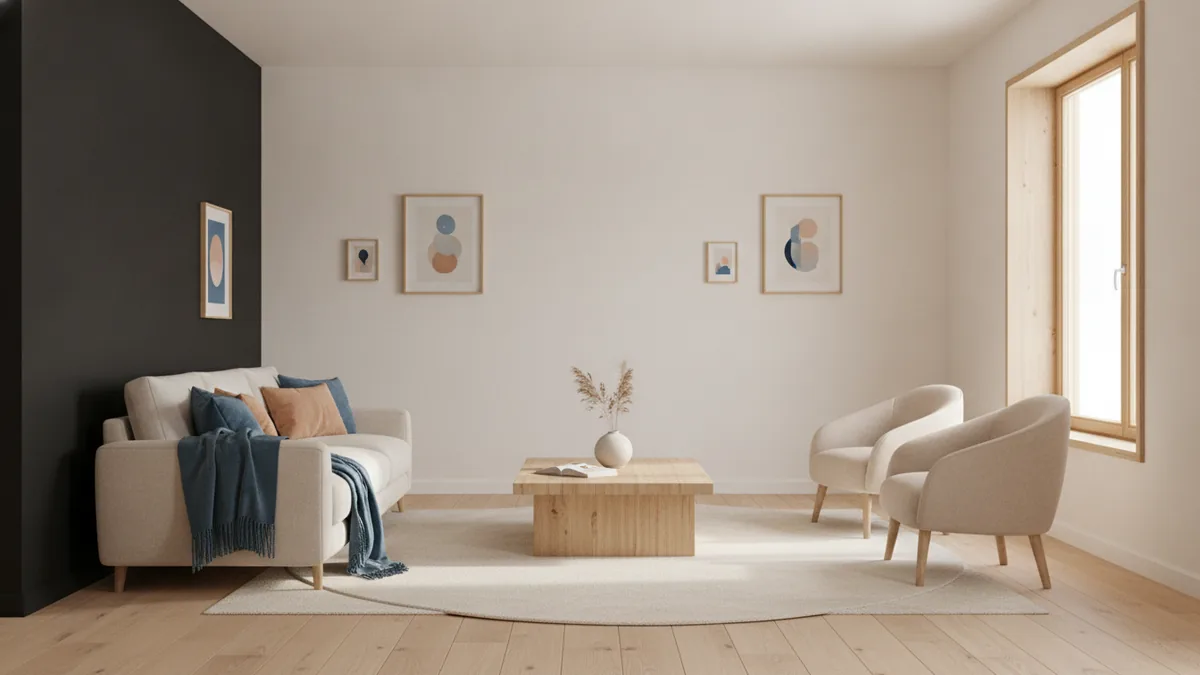
Contrasting colors make a black-painted room feel more vibrant and balanced. White art frames, pale bedding, and light shelves create clear breaks. Jewel tones can add depth. Emerald green, rust, cobalt, and ochre all work well with black.
If you wonder how to decorate a room with black furniture, vary the textures first. Pair a black sofa with a woven rug and pale cushions. Add wood tables or a stone lamp base. The room then has shape and contrast, even with dark pieces.
For a living room, place black furniture against a lighter wall or rug. Use one large light item instead of many small accents. A cream sofa, pale rug, or white curtains can anchor the space. Keep metal finishes consistent for a calmer look.
When asking what color to paint a room with black furniture, consider warm white, putty, clay, or muted green. These colors soften black without making the room dull. Black walls can also work when the room has enough light and pale details.
Simple color pairings
- Black walls, warm white trim, and natural oak
- Black furniture, soft green walls, and brass lamps
- Black walls, rust textiles, and light stone
- Black furniture, pale blue walls, and walnut wood
Keep the ceiling light if you want more height. Painting the ceiling black can feel dramatic, but it needs strong light and careful styling. Start with one dark wall if you feel unsure.

Planning Lighting for a Black Room
Natural light plays a key role in how a black room feels. Sunlight can make black walls look rich and calm. A shaded room may look smaller or more closed in. Watch how sunlight moves across the room before you paint.
Black can make a room feel more spacious when the room has enough light. Dark walls blur corners and create a deep, quiet backdrop. This effect works best when windows stay clear. Avoid blocking them with tall furniture or heavy drapes.
Layer three types of light for a steady feel. Use ceiling lights for general light. Add lamps for warm pools of light. Use wall or picture lights to draw attention to art and texture.
Choose bulbs between 2700K and 3000K for a warm home feel. Higher numbers create cooler light. Test bulbs at night before buying several. Black paint can reflect their tone across the whole room.
Mirrors can spread daylight and lamp light across dark walls. Place one opposite a window, but avoid glare near a seat. Pale rugs and furniture also bounce light upward. The room will feel less heavy.
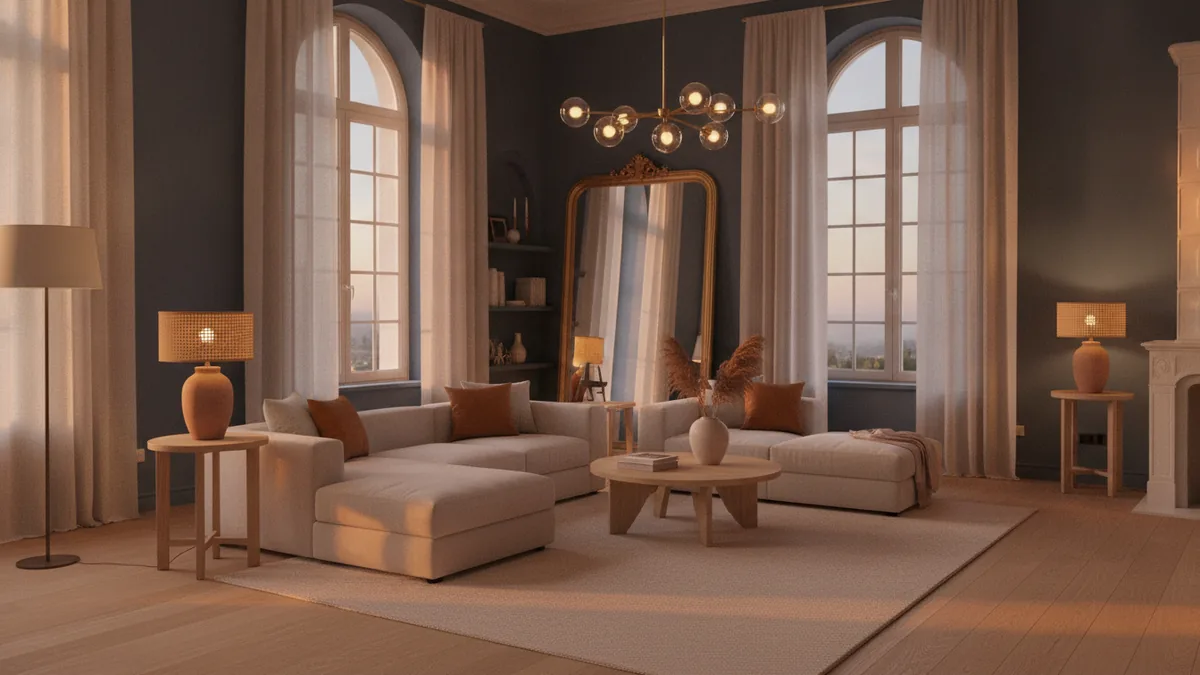
Keeping Black Painted Walls Looking Fresh
Dark paint needs gentle cleaning because dust shows fast. Dust walls with a soft microfiber cloth once each month. Start at the top and work down. Do not scrub with a rough sponge.
For marks, use warm water and a drop of mild dish soap. Test the mix in a hidden spot first. Wipe lightly, then dry the area with a clean cloth. Strong cleaners may change the sheen.
Keep leftover paint for future repairs. Store it in a cool, dry place away from frost. Stir it well before use. If the color looks different, repaint the full wall from corner to corner.
Touch up near light switches, door handles, and hallways first. These spots get the most contact. Add felt pads behind furniture to prevent scuffs. Leave a small gap between large pieces and the wall.
Repaint when cleaning no longer restores the finish. Many homes need a refresh after several years. A fresh coat also gives you a chance to update lamps, rugs, and art. Black walls reward small, well-timed care.
Is Black Paint Right for Your Room?
Black paint suits rooms with clear style goals. It can make art stand out and add depth to plain walls. It also creates a cozy mood in bedrooms, studies, and dining rooms. The result depends on light, finish, and the items around it.
Think twice if the room has no window or weak overhead light. You may need more lamps before painting. Check the wall condition as well. Matte black can hide some flaws, but deep dents still catch light.
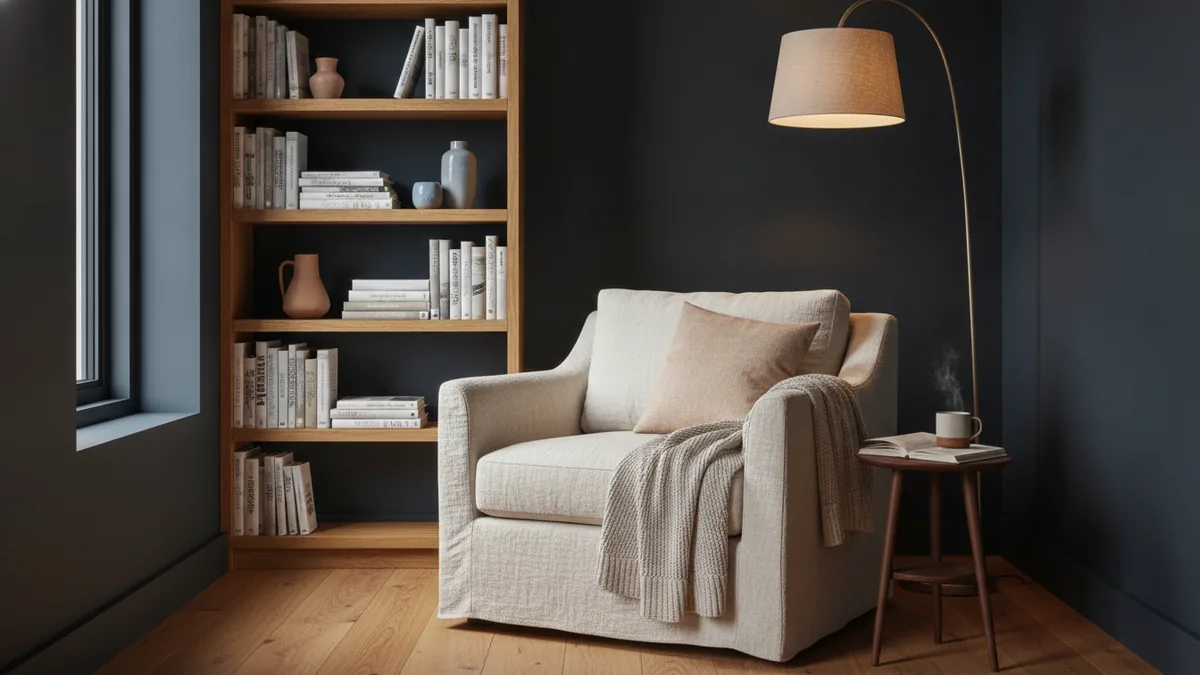
Start with a small space if you want a low-risk test. A powder room, reading nook, or media wall can show the effect. Use the same prep and paint steps as a full room. A small trial gives you useful proof.
Black does not have to mean stark or gloomy. Warm wood, soft fabric, pale accents, and layered light change the mood. Plan those pieces before opening the paint tin. Then the dark wall becomes part of a full room design.
Step-by-step
- 01 Test the black paint
Paint test patches near a window and in a darker corner. View them during morning, afternoon, and evening light.
- 02 Prep the room
Clean the walls, fill holes, and sand repairs smooth. Remove covers and protect floors, trim, and furniture.
- 03 Prime the walls
Prime stains, bare patches, and strong old colors. Let the primer dry fully before painting.
- 04 Cut in the edges
Use an angled brush along trim, ceilings, windows, and corners. Work in small sections.
- 05 Roll the first coat
Use a short-nap roller and keep a wet edge. Roll evenly without pressing too hard.
- 06 Add more coats
Let the first coat dry, then check coverage. Add a second or third coat when needed.
- 07 Finish and clean up
Remove tape while the paint is slightly soft. Let the walls cure before placing furniture nearby.
Frequently asked questions
- Can black paint make a room look bigger?
- Yes, black paint can make a room feel larger when it has strong natural and added light. It can blur corners and create depth.
- Should I paint my room black?
- Test the color in several light conditions. Black paint suits rooms with good windows, layered lamps, and light furnishings.
- What finish is best for black walls?
- Matte or eggshell usually works best for black walls. Matte looks soft and hides flaws, while eggshell cleans more easily.
- How many coats of black paint do walls need?
- Clean the walls, fill holes, protect surfaces, prime as needed, and apply two or more thin coats. Let each coat dry fully.
- What colors go well with black furniture?
- Pair black furniture with warm white, soft green, clay, pale blue, or natural wood. Add rugs and textiles with varied texture.
- How do you maintain black painted walls?
- Use a microfiber cloth for dust and mild soapy water for marks. Test any cleaner first, then dry the wall with a soft cloth.
Related reading
Piano Room Decor — Style, Sound and Everyday Use
Make your piano room feel calm, useful, and beautifully connected to the rest of your home.
Room Squaring — Set the Floor Lines Right
Set accurate floor lines before you start laying planks or boards.
Interior Designer Qualifications — Education, Skills and Career Paths
Explore the education, skills, experience, and state rules needed for an interior design career.