How to Decorate a Living Room Modern Style
Modern living room tips: colors, furniture, texture, lighting, and decor
Modern living room design: what it really means
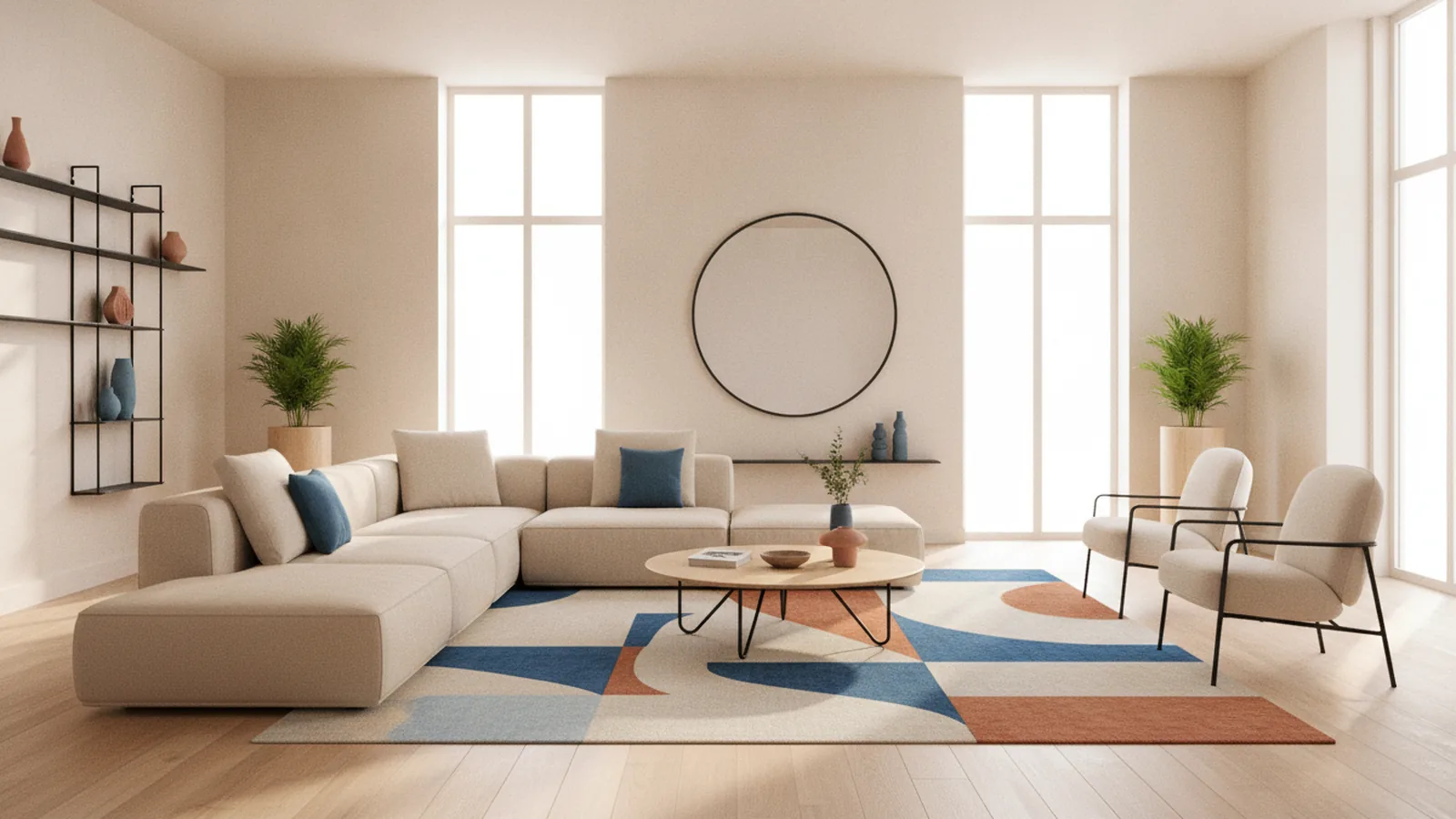
If you want how to decorate a living room modern, start by defining “modern” in a way you can use. In interior design, modern usually means clean lines, simple forms, and a focus on function. It also favors uncluttered surfaces and a clear visual flow between rooms. Think less ornament and more intentional choices.
Most “modern living room design ideas” you see online blend a few related styles. Minimalism is about removing what you do not need. Scandinavian design adds warmth through light woods and soft textiles. Mid-century modern brings rounded edges and tapered legs. You can mix these, as long as the shapes, colors, and materials stay consistent.
A practical way to plan your look is to map three visual anchors. Choose one main color scheme, one furniture silhouette style, and one material direction. Then build the room around those anchors with smaller accents. This keeps your space modern even when you add personal items.
- Clean lines: furniture and shelving with simple shapes
- Clear space: a calm layout with breathing room
- Intentional contrast: light vs dark, soft vs hard
- Quality materials: wood, metal, stone, and good fabrics
Pick a color palette that fits modern living room design
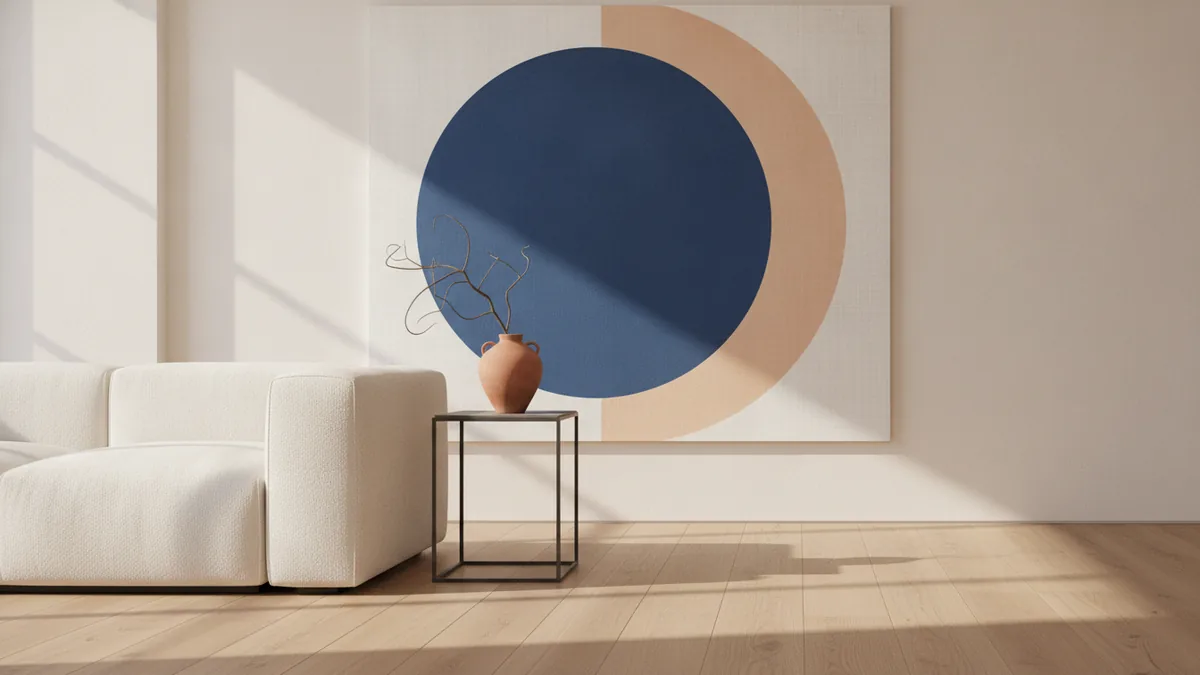
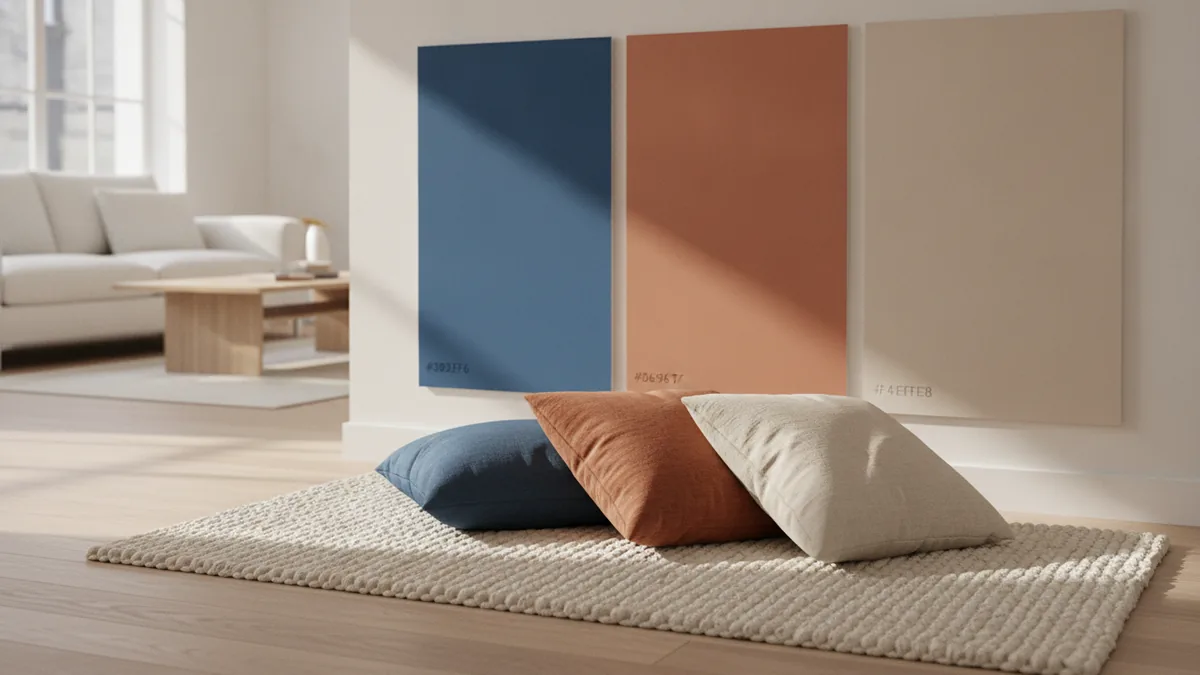
Color theory matters in modern style because it shapes the room’s mood fast. When people ask how to decorate my living room modern style, they usually mean “make it look cohesive.” A good modern starting point is a three-color plan: one dominant, one secondary, and one accent. Keep the accent small and repeat it in two or three places.
Here are reliable palette options that work in most living rooms. If your room has a lot of natural light, you can go lighter and brighter. If it is darker, choose warmer neutrals and add contrast through lighting and textiles. Avoid picking too many mid-tones, since they can blur the modern crispness.
| Palette | Best for | How to use it |
|---|---|---|
| Soft white, warm gray, black accents | Clean, high-contrast modern looks | Use white walls, gray sofa, black frames |
| Beige, tan, and matte olive | Warm modern with a natural feel | Add olive pillows and a wood coffee table |
| Charcoal, cream, and muted blue | Moody modern spaces | Pick cream rug and blue art accents |
| Light wood, ivory, and brass or bronze | Soft modern with a premium vibe | Choose brass lamps and a pale neutral sofa |
To make it feel “designed” instead of random, use color in layers. Paint or wall color is layer one. Large textiles like the rug and sofa cover layer two. Then repeat accent colors through art, cushions, and small decor objects. A simple rule helps: if you add a new accent color, remove one older one.
Choose modern furniture for living rooms with the right silhouettes
Modern furniture for living rooms is less about brand and more about shape. Look for pieces with low profiles, straight or gently curved lines, and slim legs. A sofa with clean seams and a minimal arm reads modern even with neutral fabric. If you love comfort, prioritize seat depth and cushion quality, then keep the form simple.
Furniture arrangement is where modern style becomes real. Start by defining the “conversation zone.” Place your sofa and chairs so people can face each other without stretching. In most living rooms, aim for about 18 to 24 inches between the sofa and the coffee table. This distance keeps the space functional and visually balanced.
If you live with an open floor plan, modern style still works, but you need spatial design. Use the rug to anchor the living area so it feels intentional within the larger space. Arrange furniture so the front edges of seats line up toward the center, not toward the outer walls. This creates a smooth path for walking and reduces clutter.
- Minimalist look: low sofa, low coffee table, hidden storage
- Scandinavian feel: light wood legs, soft neutrals, textured throws
- Mid-century modern: walnut tones, tapered legs, rounded backrests
Also plan your storage. Modern rooms look better when cables, remotes, and small items do not stay visible. Pick a media console with doors or a sideboard with closed compartments. In a living room, visible storage can look tidy, but only if you control it with bins and consistent finishes.
Add texture and materials to keep modern from feeling cold
Modern style often gets misread as “everything smooth and gray.” That is not the point. The best modern living rooms use contrast in texture and materials to feel rich. For example, pair a matte leather sofa with a chunky knit throw and a woven rug. The room looks intentional because every surface has a job.
Use fabric to soften hard lines. Great modern fabric choices include bouclé, linen blends, velvet (in muted tones), and wool. If your furniture is mostly flat and angular, add softer layers through cushions and window treatments. Keep patterns simple so texture carries more visual weight than prints.
For materials, mix at least two “hard” textures. Natural wood adds warmth. Metal adds a crisp highlight. Stone or ceramic brings visual weight. You do not need many pieces, but you do need consistent finishes so it feels curated.
- Choose your base: one main wood tone or one main metal tone
- Soften edges: add one tactile textile (rug or throw) per main zone
- Repeat twice: repeat a material in at least two places
- Balance shine: keep glossy items limited to lamps and small accents
If you want eco-friendly materials, focus on what you can verify. Look for sustainably sourced wood, responsibly made textiles, and durable upholstery you can keep longer. A modern room benefits from longevity because it stays visually stable over time.
Lighting solutions for a modern atmosphere
Lighting can make modern style look “right” or “unfinished.” Use layered lighting: overhead for general light, task lights for specific activities, and accent lights for mood. This approach supports modern atmosphere without harsh glare. It also helps you highlight textures and colors accurately.
Start with natural light when you can. Keep window treatments simple and light-filtering if privacy allows. If you use blinds, consider a soft shade over them so the room does not look too stark. Natural light shifts during the day, so neutral walls and warm neutrals help maintain a stable look.
For fixtures, choose clean shapes with intentional finishes. A floor lamp with a slim profile reads modern. A ceiling fixture with a simple metal shade works well if it does not compete with wall art. Use warm bulbs for comfort, usually around 2700K to 3000K for living rooms, and dimmers if you can.
| Layer | Example fixture | Modern tip |
|---|---|---|
| Ambient | Ceiling light or track light | Pick one clean statement shape |
| Task | Floor lamp near a chair | Target lighting where you read |
| Accent | Table lamp or wall light | Use it to highlight art or shelves |
If you have a traditional dining area and want how to make a traditional dining room more modern, lighting is also the shortcut. Match the dining fixtures to the living room’s finish and bulb warmth. This tie-in makes the whole open space feel designed.
Accessorize with modern decor: art, patterns, and finishing touches
Modern decor should feel curated, not crowded. Decorative accessories work best when they repeat your palette and your material direction. Abstract art can anchor a wall, but choose pieces with colors already in your room. If your sofa is neutral, a bolder artwork palette helps without adding clutter.
Geometric patterns are another modern-friendly option. Use them in small doses through cushions, a rug with subtle pattern, or a folded throw blanket. Keep the pattern scale consistent so the room looks calm. When in doubt, prefer one pattern source over many. A room can be modern with plain surfaces if your textures and art provide the interest.
Plants also fit modern style when they look intentional. Choose planters in matte ceramic, stone tones, or simple metal finishes. Go for larger plants over many tiny ones if you want a cleaner look. Arrange them near natural light sources so they stay healthy and visually strong.
- Wall art: abstract prints, large framed photography, or sculptural pieces
- Decorative accessories: trays, vases, and bowls in consistent finishes
- Rug choices: simple weaves, low-contrast patterns, or solid neutrals
- Window details: minimal frames, clean rods, and soft drapes
Finally, review the room with one question: does every item earn its place? Remove anything that does not support the color plan, the furniture layout, or the texture story. Modern style holds up best when the space feels edited. When you decorate with restraint, your best pieces stand out.
Frequently asked questions
- What does modern living room design mean?
- Modern living room design uses clean shapes, uncluttered surfaces, and an intentional color plan. It often blends minimalism with warmth from materials and textiles.
- How do I decorate a living room modern style without making it feel cold?
- Add warmth through wood tones and soft fabrics like linen blends or wool. Mix matte and subtle texture with one or two metals for contrast.
- What color palette works best for a modern living room?
- Start with a dominant neutral, a secondary supporting tone, and a small accent color. Beige, warm gray, charcoal, and muted blues are popular modern combinations.
- What modern furniture looks best in a living room?
- Look for low-profile sofas, simple side tables, and furniture with straight or gently curved lines. Minimal legs and hidden storage help keep the room crisp.
- How should I arrange furniture in a modern living room?
- Create a clear conversation zone facing inward. Keep pathways open and anchor the seating with a rug in open floor plan spaces.
- What lighting choices make a living room look modern?
- Use layered lighting: overhead for general light, a floor lamp for tasks, and accent lighting for mood. Warm bulbs and dimmers make the look feel polished.
Related reading
Couch Placement—Flow, Focus and Comfort
Place your couch to frame a focal point, keep paths clear, and make the room feel balanced.
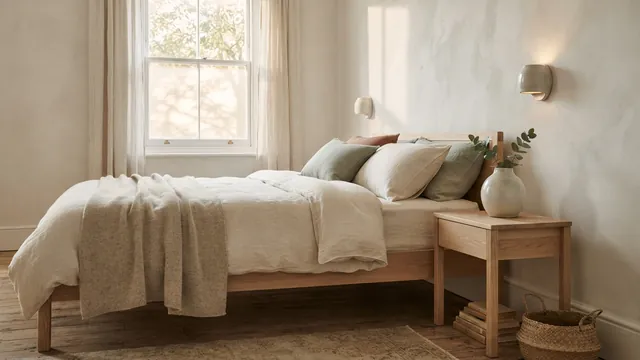
Master Bedroom — Color, Comfort and Personal Style
Build a calm, personal bedroom with smart choices and a budget that works.
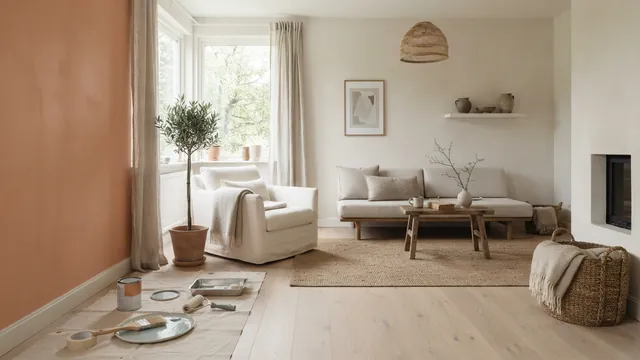
Room Painting Labor Costs — Rates and Budget Factors
See typical room-painting labor rates and learn what drives the final price.