How to Divide an Open Plan Living Room Kitchen Without Losing Light
Divide living and kitchen zones with islands, furniture, dividers, and flooring—without blocking light.
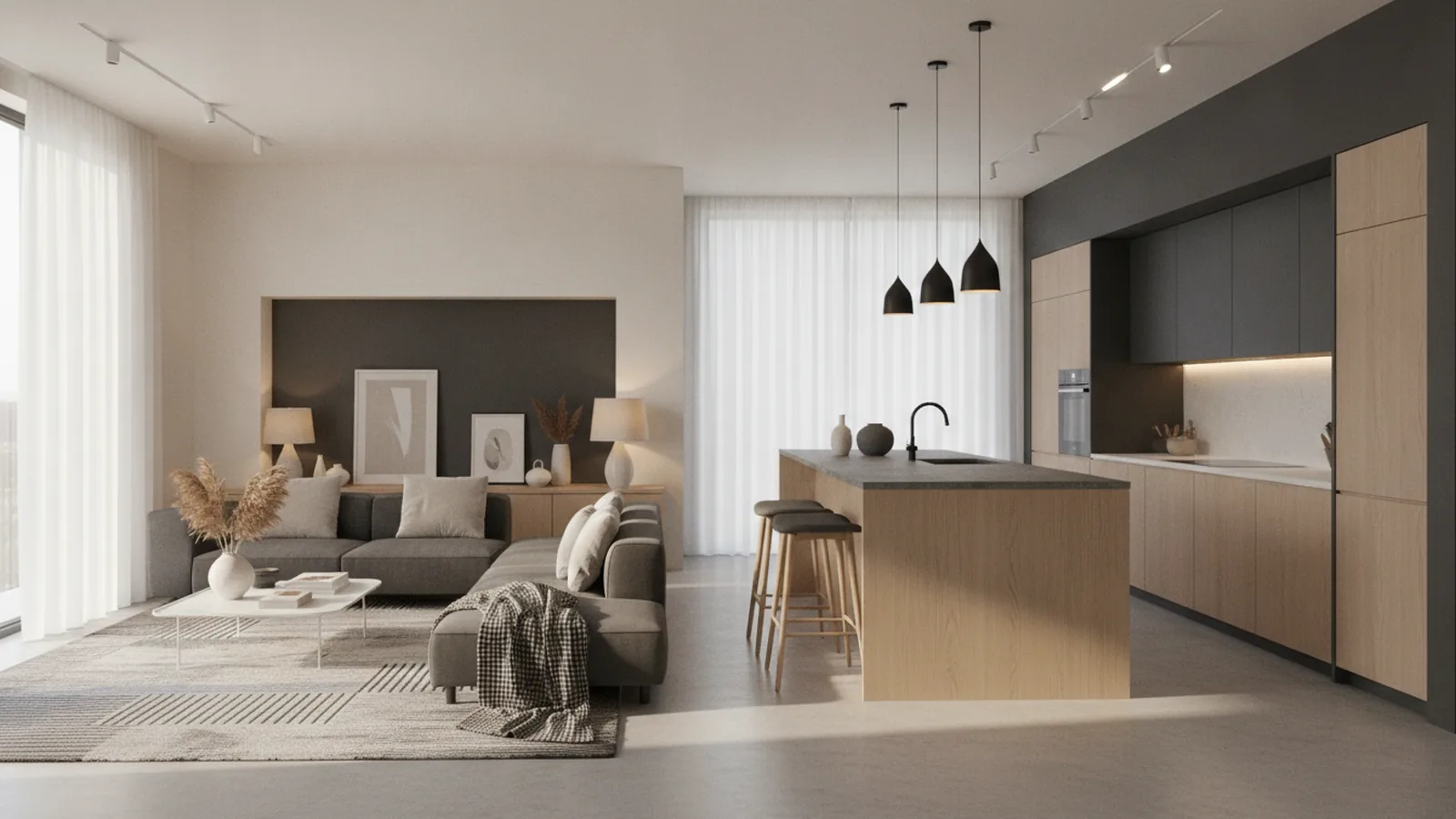
If you’re asking how to divide an open plan living room kitchen, the best answer is simple. Create clear “zones” using visual anchors and a few smart rules. Keep walkways open. Use changes in function, sightlines, and comfort to make the layout feel intentional.
This guide covers open plan living kitchen separation ideas that still feel airy. You will see how to decorate an open floor plan living room with practical boundaries. You will also learn how to support acoustic comfort and reduce cooking odors while you keep the room bright.
Creative ways to separate spaces
In an open floor plan, separation is mostly about perception. Your goal is not a wall. It’s a boundary that people recognize in seconds. Think in layers: sightline control, a change in surface, and a clear “job” for each zone.
Start by mapping how you move. Then decide where the living area begins and where kitchen tasks dominate. Common triggers are lighting zones, seating orientation, and where you place storage or a feature.
Use these zone cues together for a stronger effect. One cue alone can feel accidental. Two or three cues feel designed.
- Sightlines: aim to block a direct view from the sofa to the sink.
- Lighting: use different ceiling fixtures for each zone.
- Furniture scale: anchor seating with a rug and a media wall.
- Materials: swap flooring only where it makes sense.
For functional home design, make sure the separation matches how the home is used. For example, a dining nook needs easy access to kitchen serving. A reading corner needs quiet and softer sound reflections.
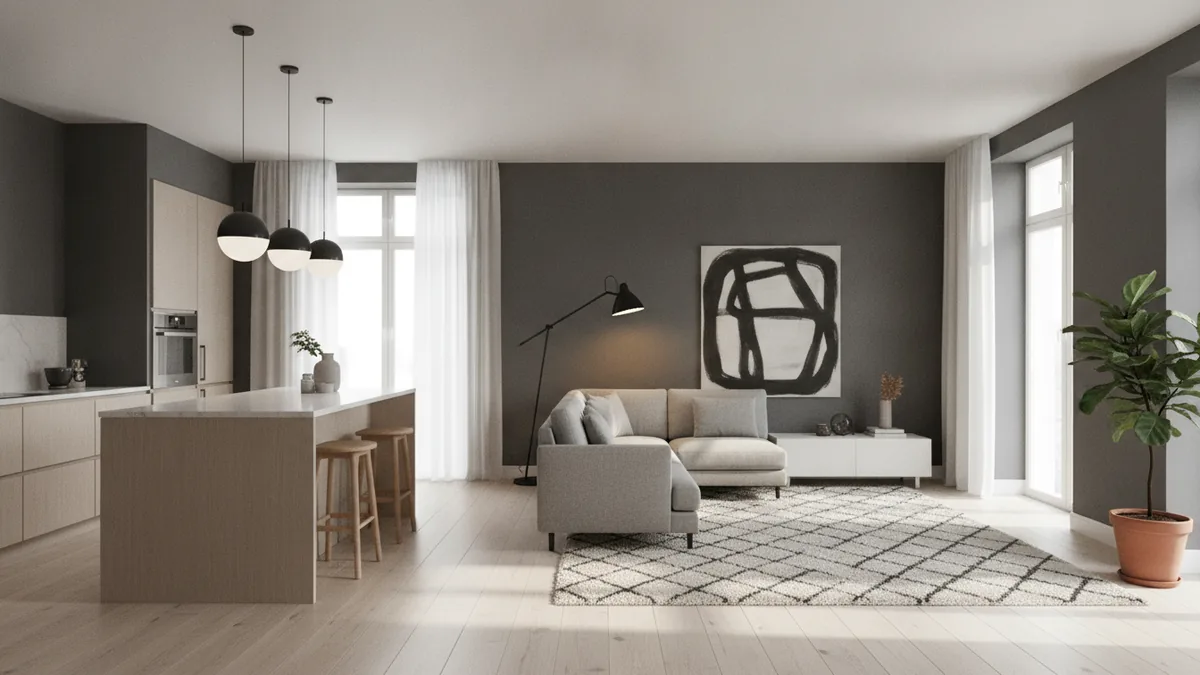
Use furniture as dividers
Furniture is often the easiest way to manage interior space division. It defines boundaries without adding construction. It also gives you storage and seating, which is exactly what open plans can lack.
Begin with the most flexible anchors: sofas, bookcases, and kitchen islands. The key is placement. Position furniture so it creates a “front” for the living zone and a “back” that faces the kitchen.
Here are practical furniture approaches used in real open plan layouts. Choose based on your sightline and your daily routine.
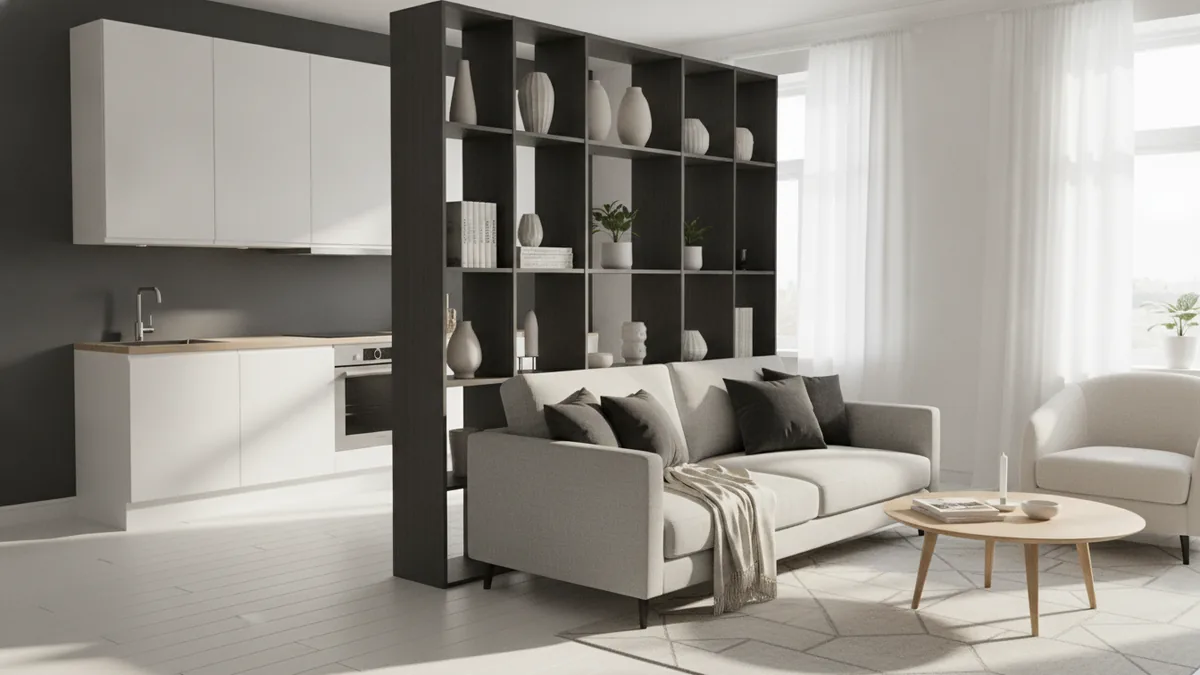
- Bookcase divider: a tall, open-shelf unit separates while keeping light moving.
- Sofa as a boundary: float the sofa slightly or angle it toward the room’s center.
- Rug zoning: size the rug to sit under the front legs of key seating.
- Dining bench line: place a bench to reinforce the transition from kitchen to living.
For a strong “moment,” use multifunctional furniture. A sideboard can hide kitchen clutter. A media cabinet can hold TV and books. This keeps the kitchen visually calmer while the living zone stays inviting.
How islands and peninsulas shape separation
Islands and peninsulas do more than add prep space. They also act as a physical and visual divider. In many designs, they become the boundary people intuitively understand.
An island works best when you can maintain clear circulation around it. A peninsula can be even easier because it tucks into one side. Both options allow you to keep sightlines open while still separating tasks.
Choose based on your kitchen footprint and where you want the living area to start.
| Feature | Best for | Separation effect |
|---|---|---|
| Island | Central prep with room to walk | Strong visual boundary from sofa and dining |
| Peninsula | Smaller layouts or one-side wall access | Clear edge without cutting the room |
| Breakfast bar | Casual meals and quick serving | Creates a “service line” between zones |
Also think about seating direction. Face bar stools toward the living zone. This subtly reduces the “open kitchen view” when you relax.
Employ design elements for separation
Visual design elements can separate spaces without any new structures. Lighting is the fastest lever because it changes mood and task focus. Color and materials also help you define boundaries clearly.
When you decorate an open floor plan living room, avoid using the same palette everywhere at full intensity. Instead, keep the base consistent and change accents. That way, the room still feels bright and connected, but the zones read as different.
Try these design elements for decorating an open kitchen living area that still feels cohesive.
- Layered lighting: pendant lights over kitchen work and a warmer fixture over living.
- Accent materials: wood paneling or tile behind the dining area.
- Feature wall: a media wall for living, not a kitchen backsplash that competes.
- Thermal comfort zoning: a rug in living for feet and acoustics.
Acoustic comfort in homes matters in open plans. Hard surfaces spread sound from voices and appliances. Softer finishes absorb echoes. A combination of curtains, rugs, and upholstered seating can noticeably calm the room.
Balance separation with odor control
Open plans make cooking odors travel. Separation should therefore include functional layers, not only looks. Start with ventilation and plan the layout so the living zone is not directly in the odor path.
An effective range hood with good ducting matters most. If ducting is limited, consider a hood rated for the space and set it at the correct height. Also keep the kitchen zone organized so you do not pile food or trash into the open view.
Here is a simple rule set for odor control. Use it when you plan dividing spaces in open floor plans.
- Vent first: choose the best hood option you can install.
- Reduce spillover: keep the sink and cooktop grouped.
- Soften sound: add curtains or textiles that catch odor-carrying airflow.
- Contain clutter: close storage hides daily cooking mess.
This approach keeps your living zone comfortable while maintaining an open, bright look.
Innovative partition solutions
Movable partitions bring flexibility. They help you switch between a hosting setup and a quiet daily rhythm. If you want how to divide an open plan living room kitchen without permanent barriers, look at modular systems.
Decorative room dividers can be functional home design tools. Use them to block the kitchen when you want calm visuals. Then move them when you need openness for gatherings.
Here are practical partition types that work well in real homes.
- Folding screens: easy to move, great for quick visual change.
- Sliding panels: track systems that open fully for bright days.
- Curtain rails: floor-to-ceiling fabric panels for softness.
- Half-height screens: block sightlines while letting light pass.
When you pick a divider, think about how it will be used. If you host often, choose something you can adjust quickly. If you live day to day, prioritize acoustics and how the panel affects airflow.
Curtains that actually help
Curtains are often dismissed as decorative. In open plans, the right curtain can also improve sound comfort and reduce visual kitchen glare. Choose heavier fabric than you would for a bedroom. Aim for panels that reach close to the floor.
Use a ceiling-mounted track so fabric does not snag. If you place the curtain behind the seating, it creates a softer backdrop for the living zone. It also helps you hide countertop activity during dinner.
For a cleaner look, match curtain color to your living area wall tone. This keeps the room airy while still making the boundary feel real.
Flooring and color strategies
Floor is one of the most effective ways to signal where one zone ends. It is also easy to control visually, which matters when the kitchen and living room share the same ceiling.
When you decorate open plan living room kitchen with flooring changes, keep transitions intentional. A crisp threshold line can look designed, not messy. A random mix of planks usually reads like a renovation patch.
Consider three approaches based on your tolerance for change and your budget.
| Approach | What changes | How it feels |
|---|---|---|
| Same floor, different layout | Direction of planks or tile pattern | Bright and continuous, subtle zoning |
| Different but compatible materials | Tile in kitchen, wood or vinyl in living | Clear boundary, still cohesive with palette |
| Area rug zoning | Rugs over living areas | Soft feel, helps with acoustics |
Color strategies should reinforce function. Lighter kitchen walls keep it fresh. Slightly warmer tones in the living zone make it feel comfortable to linger. You can keep the base color consistent and switch only one accent direction.
Practical zoning rules that look good
Use these rules when you plan how to decorate an open living room without confusing the eye. Keep at least one element shared across both zones, like cabinet color or wood tone. Then let the other zone introduce a new finish.
If your kitchen is busy with cabinetry, simplify the living side. Choose calmer textiles and fewer competing prints. If your living room lacks storage, add it so countertops do not dominate the open view.
This is also where rugs matter. Use one larger rug in living rather than multiple small ones. It makes the living boundary stronger and keeps the room from looking segmented.
Examples of successful divisions
Successful designs share a pattern. They create separation that you feel in movement and seating. They also keep sightlines flattering, so the room stays bright even when zones are distinct.
Below are example setups you can copy. Each one shows a different mix of furniture, design, and flooring.
- Island + media wall: an island with stools faces the living. A low media wall lines up with the sofa edge.
- Sofa + bookcase: a tall open-shelf unit stands behind the sofa back. Lighting changes above each zone help the boundary.
- Rug + curtain: a large rug anchors seating. A ceiling curtain rail lets you close the kitchen off during cooking.
For how to decorate an open floor plan living room kitchen, focus on transitions you can control. For example, place task lighting over the kitchen sink and prep area. Then choose a softer fixture over the dining or living.
Finally, tune comfort. Add textiles for acoustic comfort in homes and close doors to the kitchen when you can. Even with a partial partition, the room should feel easy to use and calm to enjoy.
Quick blueprint you can adapt
If you want a straightforward starting point, use this blueprint for dividing spaces in open floor plans. It works well for many apartment and family layouts.
- Pick your main anchor: sofa wall, island edge, or tall storage.
- Define a second boundary: lighting or flooring change.
- Reinforce it with comfort: rug and curtains.
- Keep one design rule consistent: cabinet color or wood tone.
You will end up with a room that feels open, but not vague.
Frequently asked questions
- What are the best open plan living room kitchen separation ideas?
- Use a mix of zone anchors such as an island edge, a sofa orientation, and lighting differences. Add one strong comfort layer like a large rug or curtains to make the boundary feel real.
- How do I decorate an open floor plan living room without it feeling messy?
- Keep one design element consistent across zones, such as the same wood tone or cabinetry color. Then vary accents using lighting, textiles, and a clear seating area layout.
- How can I divide an open plan living room kitchen if I don’t want construction?
- Rely on multifunctional furniture like bookcases, sideboards, and rug zoning. Add movable dividers such as sliding panels or floor-to-ceiling curtains when you need more separation.
- Do flooring changes help with dividing spaces in open floor plans?
- Yes, flooring can signal the start of a new zone when transitions are clean and intentional. If you prefer continuity, try changing plank direction or rely on rugs for zoning.
- How do I improve acoustic comfort in an open plan living and kitchen?
- Use soft materials like rugs, upholstered seating, and heavier curtains. These reduce echo and make conversations sound clearer.
- What can I do about cooking odors in an open kitchen living area?
- Choose a properly sized range hood and ensure ducting is set up correctly. Keep storage closed and create a seating boundary so the living area sits farther from the main cooking line.
Related reading
Room Painting Costs — What Shapes Your Quote
Room painting often costs $200–$1,000. See what drives the price and how to compare quotes.
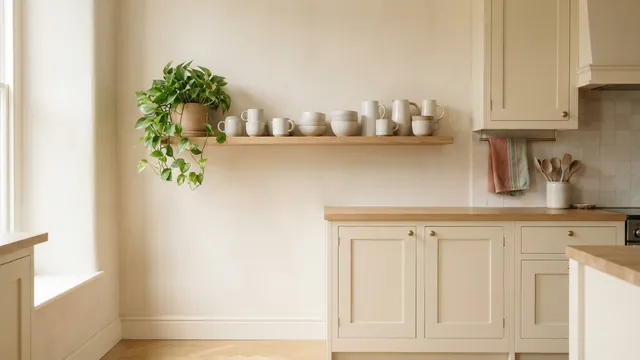
Kitchen Cabinet Tops — Style, Texture and Seasonal Charm
Style cabinet tops with balanced layers, useful texture, and decor that suits your kitchen.
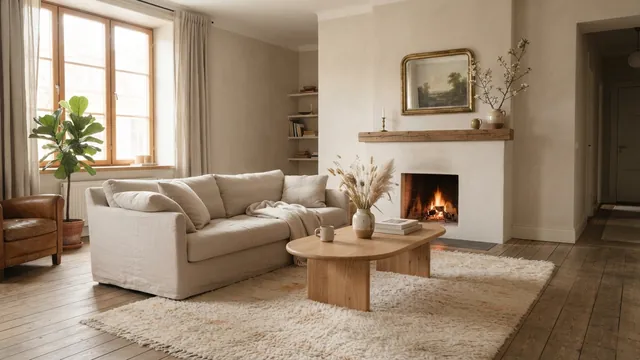
Couch Placement—Flow, Focus and Comfort
Place your couch to frame a focal point, keep paths clear, and make the room feel balanced.