How to Decorate a 10-Year-Old’s Room (Timeless + Fun Ideas)
Fun 10-year-old bedroom ideas with timeless style, smart storage, and creative play spaces.
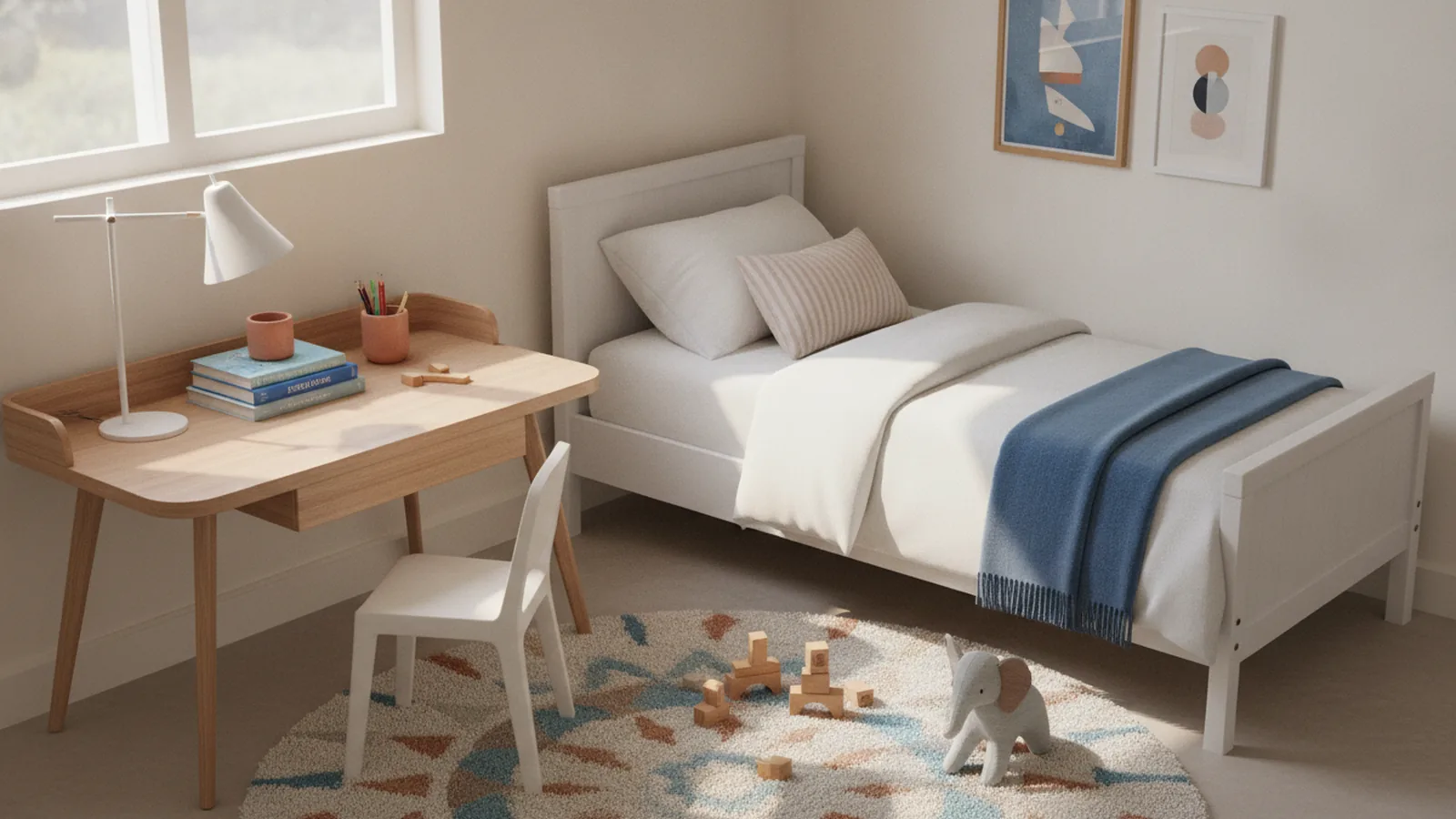
Understanding a 10-Year-Old’s Needs
The fastest way to get kids room design right is to start with your child’s daily life. At age 10, they need a room that supports school work, active play, and downtime. They also start caring more about how things look, so the space should feel “theirs,” not just age-appropriate.
Begin by mapping what happens in the room on a typical weekday. Do they do homework at a desk, read in a corner, or build things on the floor? When you understand those routines, you can plan furniture arrangement and functional layouts that won’t feel annoying in a month.
Next, think about growth. A 10-year-old’s interests can shift quickly, so your choices should be easy to update. Aim for durable basics and swap-friendly decor rather than customizing everything permanently.
- Plan for homework, hands-on projects, and active play in the same space.
- Choose durable materials because spills and scuffs are part of the job.
- Build around “easy to change” items like art, bedding, and themed storage bins.
- Make the room comfortable for both focus and fun.
Choosing a Fun and Meaningful Theme
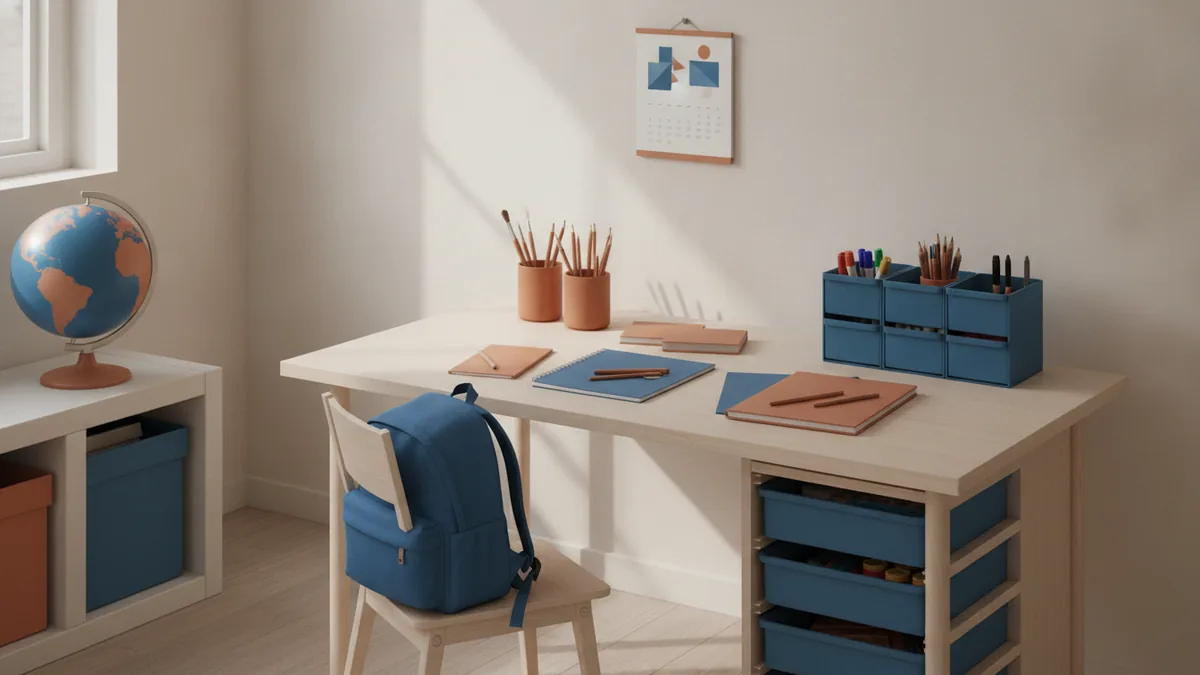
Start with thematic decor that matches your child’s personality and interests. Instead of picking a theme you like, use their current obsessions as the launch point. For example, if they love space, focus on night-sky colors and simple planet shapes rather than cartoon characters that date fast.
The key to age-appropriate style is mixing a theme with timeless elements. Use a simple “anchor” like a neutral wall color or classic wood tones, then bring the theme in through removable items. This approach keeps the room feeling fresh as tastes evolve, even if their interests change.
When you decorate kids room, consider themes that can grow. Animal themes can become zoo-inspired science projects. Sports themes can shift from team banners to goal-setting boards and training schedules. Pick a theme that supports activities, not just visuals.
- Ask your child for 3 interests they would choose for their room.
- Select one broad direction, like space, nature, or games.
- Use timeless base choices: neutral walls, sturdy flooring, classic furniture shapes.
- Add the theme through swapable decor: bedding, posters, wall decals, and themed accessories.
Incorporating Personal Expression
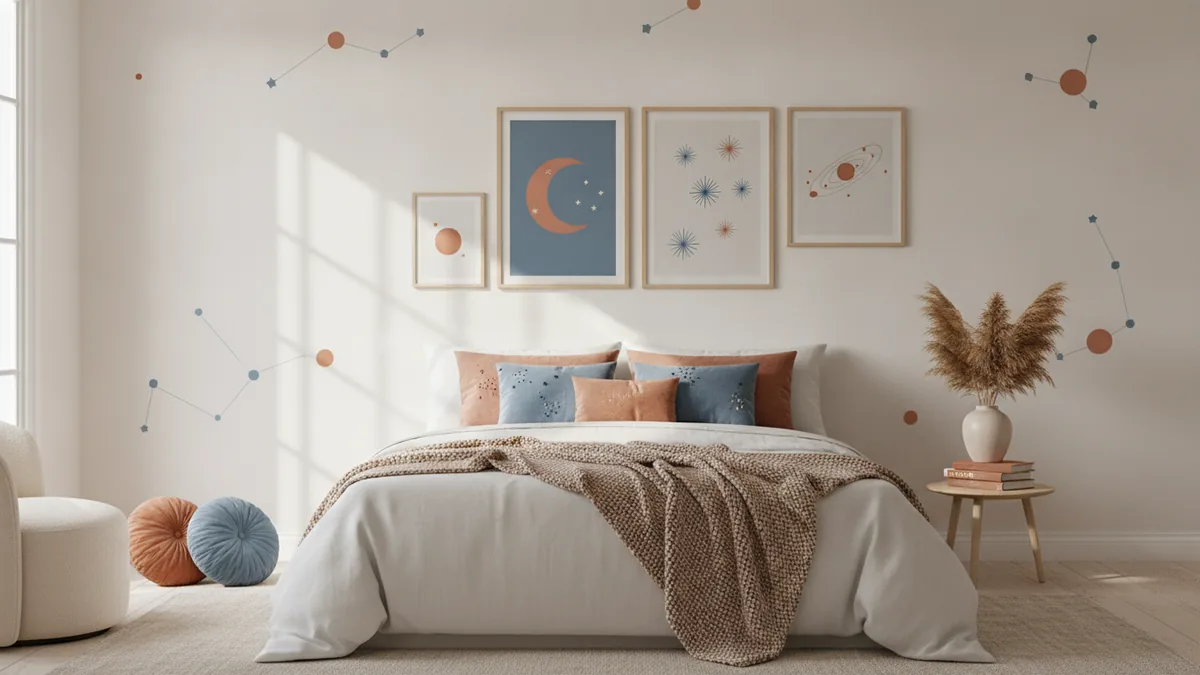
Personalized designs are what make a room feel meaningful, not generic. Add an art display where they can rotate drawings, prints, or craft results. A simple system like clip rails or magnetic frames keeps the process easy and encourages them to take ownership.
Let them contribute to at least one design decision. Choose color choices together, pick a wall for their gallery, or let them select a rug pattern. When kids choose, the room usually stays “loved” longer, even when you’re not replacing everything.
Also include space for creative play spaces that don’t require constant cleanup. A small tabletop for crafts and a bin for WIP projects can reduce the “where do I put this?” problem. If your child builds LEGO or crafts, plan a home for parts that can pause and resume.
- Create a rotating gallery for artwork and personal projects.
- Use a “work-in-progress” bin so projects have a temporary home.
- Involve your child in choosing bedding, posters, or a rug.
- Add a small display shelf for trophies, books, or collectibles.
Selecting Practical Furniture
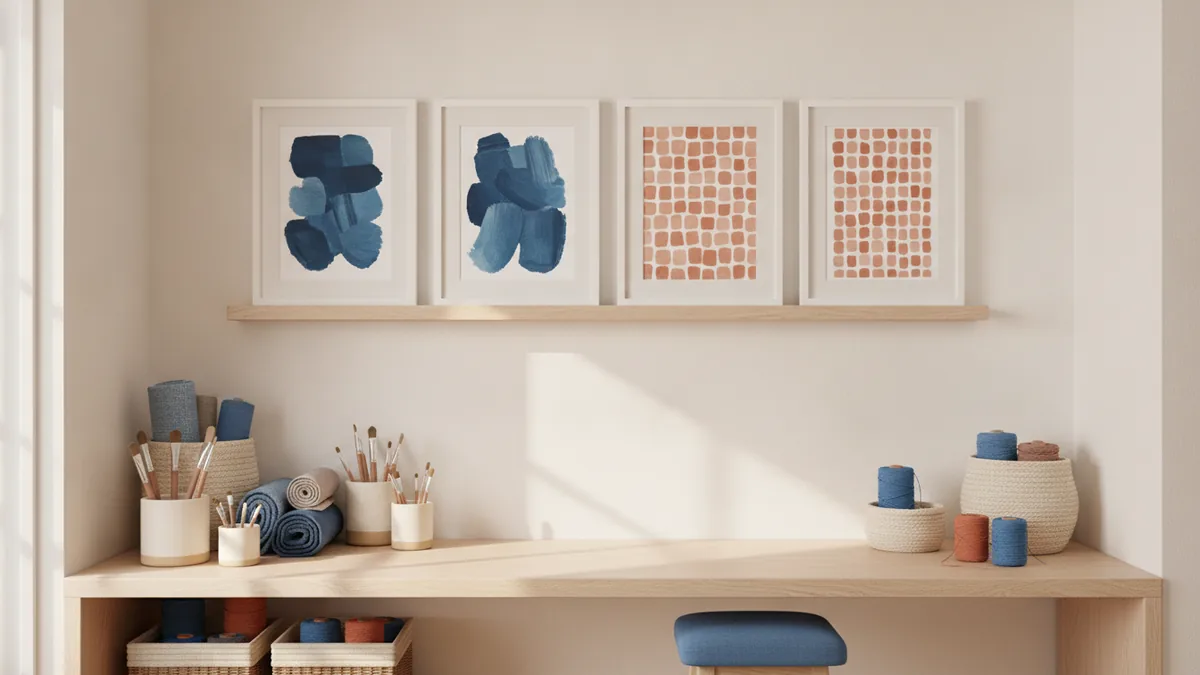
For how to decorate a 10-year-olds room successfully, furniture should support both focus and movement. A multi-use desk works well for homework and also for building models or sorting art supplies. If space is tight, choose a desk that includes drawers or shelves to reduce extra storage clutter.
Look for durable materials and easy-to-clean finishes. Kids tend to use floors and tabletops as “stations,” so wipeable surfaces help a lot. For seating, a comfortable chair with proper height improves focus during reading and assignments.
When you decorate kids room, prioritize flexibility in furniture height and layout. A bed with drawers offers hidden storage without extra floor items. A bookshelf with adjustable shelves can hold books now and switch to storage or bins later.
| Need | Furniture approach | Why it helps |
|---|---|---|
| Homework + crafts | Desk with drawers or side shelf | Supplies stay near work time |
| Books + collectibles | Bookshelf with adjustable shelves | Grows with their collection size |
| Extra bedding or board games | Bed frame with drawers or under-bed boxes | Clears closet and floor space |
| Active play | Low storage ottoman or floor lamp-free zone | Supports movement without mess |
Utilizing Creative Storage Solutions
Ample storage solutions are the difference between a pretty room and a livable one. Children’s bedroom decor looks best when surfaces stay clear. Storage should be visible enough for them to use, but simple enough that putting things away feels doable.
Use a mix of open and closed storage. Open shelves work for books and items they use weekly. Closed bins work for supplies, craft pieces, and games that need containment. Clear labels also help, but you can keep labels minimal by using color-coded categories.
Design for “grab-and-go.” Place frequently used items within reach, like paper, markers, and smaller toys. Put less-used items higher or in closed bins under a bed. This keeps routines smooth without turning the room into a storage maze.
- Choose bins that fit the shelves, not bins that “almost” fit.
- Use drawer dividers for art tools and small game pieces.
- Keep one surface dedicated to creative play projects.
- Plan storage zones: books, crafts, games, school supplies.
Designing Versatile Spaces for Play and Study
Kids room design should support multiple activities without constant rearranging. A simple approach is to divide the room into zones using furniture arrangement. Keep a clear “study zone” with good lighting and a “play zone” with soft landing space, like a rug.
For functional layouts, place the desk away from the bed if possible. That helps the mind switch between rest and work. If your room layout forces it, use a small visual cue like a desk lamp and a tidy supply tray to mark the study area.
Plan for age-appropriate accessories that match both play and study. For instance, a storage cart can hold board games and later organize school supplies. A corkboard can track reading goals and also pin up drawings and photo memories.
- Set the desk near natural light when possible.
- Add a rug to define the play space and soften fall risks.
- Use wall space for a pinboard, shelves, or a gallery system.
- Create a “reset” routine with a single bin for loose items.
- Keep charging and tech storage contained in one spot.
Choosing Appropriate Colors and Decor
Color choices set the mood, and they should feel inspiring without being overstimulating. Many 10-year-olds love bold themes, but you can still keep the room timeless. Start with calming base colors for large areas like walls and curtains, then layer fun through smaller decor.
Use thematic decor in a way that’s easy to update. Swapable items include bedding, removable wall decals, and posters in frames. Paint and built-ins are harder to change, so keep those more neutral unless you’re ready for a longer commitment.
Think about how colors affect comfort. Warmer shades can make the room feel cozy for reading. Cooler shades often feel energizing for building and drawing. Choose a palette that matches your child’s temperament, then test it with fabric swatches before you finalize.
- Pick one main color family for walls or big surfaces.
- Add a second accent color through bedding and art.
- Bring the theme in with removable decor, not permanent paint.
- Use soft lighting for comfort during reading and winding down.
Frequently asked questions
- What are good 10 year old bedroom ideas that won’t look outdated fast?
- Choose timeless base colors and classic furniture shapes. Add personality through bedding, posters, and removable wall decor that you can swap later.
- How do I balance playful design with practical kids room design?
- Create clear zones for study, play, and storage. Use multi-use furniture and keep surfaces wipeable so the room stays functional.
- What storage solutions work best in a 10-year-old bedroom?
- Use a mix of open shelves for weekly use and closed bins for supplies. Place items at kid height and sort by zone, like books, crafts, and games.
- How can I incorporate my child’s interests without committing to permanent changes?
- Use thematic decor in flexible formats like framed prints, clip rails, and themed storage bins. Keep paint, large built-ins, and major furniture neutral whenever possible.
- What color choices are best for a 10-year-old bedroom?
- Start with calming wall colors, then add energy with one accent color through textiles and art. If your child gets overstimulated easily, lean more neutral with softer lighting.
Related reading
Couch Placement—Flow, Focus and Comfort
Place your couch to frame a focal point, keep paths clear, and make the room feel balanced.
Master Bedroom — Color, Comfort and Personal Style
Build a calm, personal bedroom with smart choices and a budget that works.
Room Painting Labor Costs — Rates and Budget Factors
See typical room-painting labor rates and learn what drives the final price.