How to Arrange Living Room Furniture for Space and Comfort
Get practical furniture placement tips for a room that feels open and comfortable.
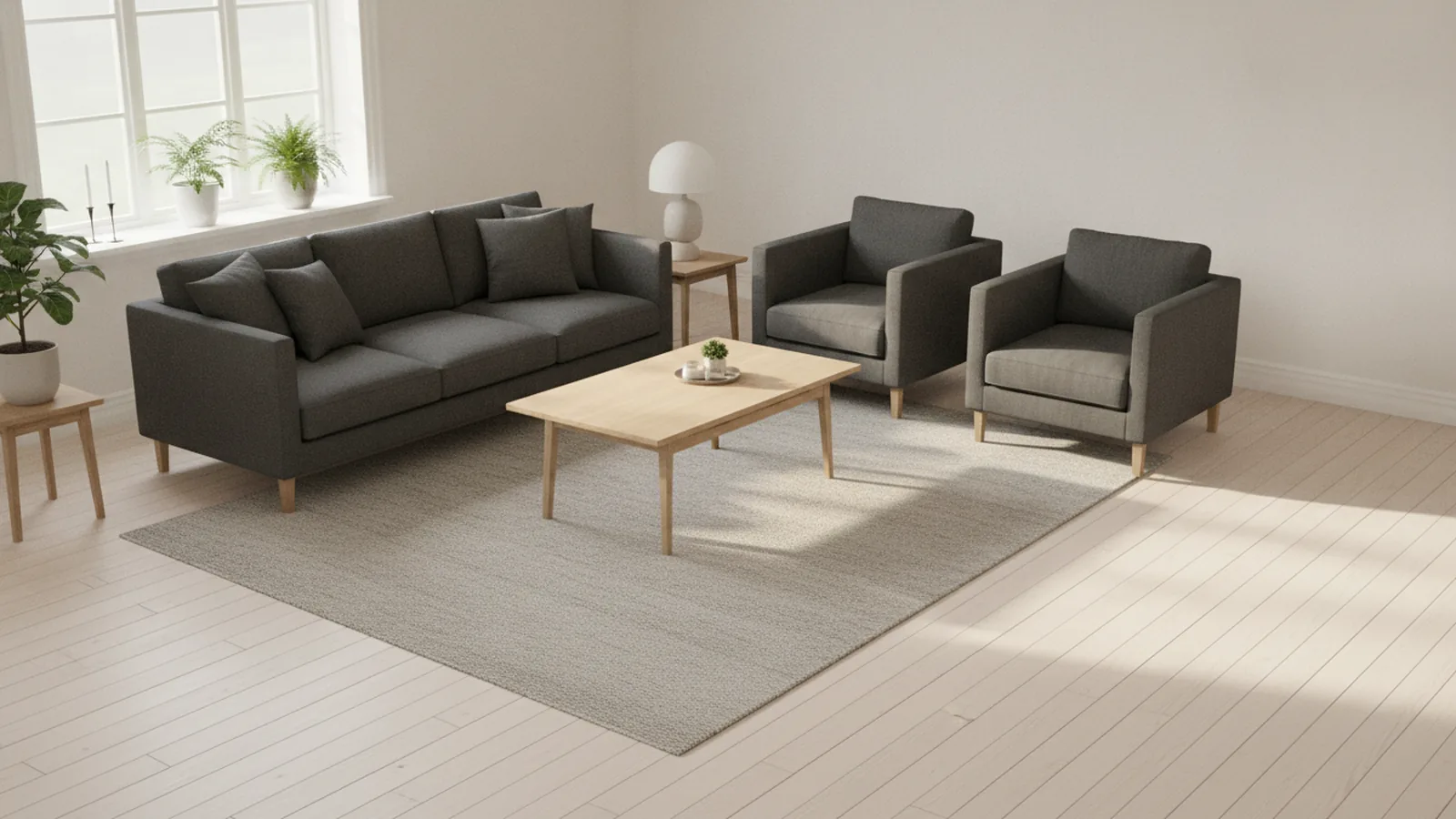
Start with your plan: room size, goals, and comfort
To learn how to arrange living room furniture, measure first, then build around how you live. A great setup keeps paths clear and puts seating near the things you use most. If your room feels crowded, it usually means pieces are too close or they fight each other’s job. Use this guide to figure out furniture placement that fits your space and your routines.
Begin by asking what the room must do. Do you watch TV most nights, or do you host guests often. Maybe the room is also a quiet spot for reading or work. When you know the main activities, you can place seating and focus points in a way that feels effortless.
As a quick sanity check, aim for calm “breathing room” around the center of the room. Leave space for walking, getting to the couch, and pulling chairs out for conversations. If you do that, most other decisions fall into place.
- Measure room dimensions and door locations before moving anything
- Pick a TV spot or focal point, then center the seating around it
- Keep traffic patterns clear between entrances and key furniture
Understanding your living room space
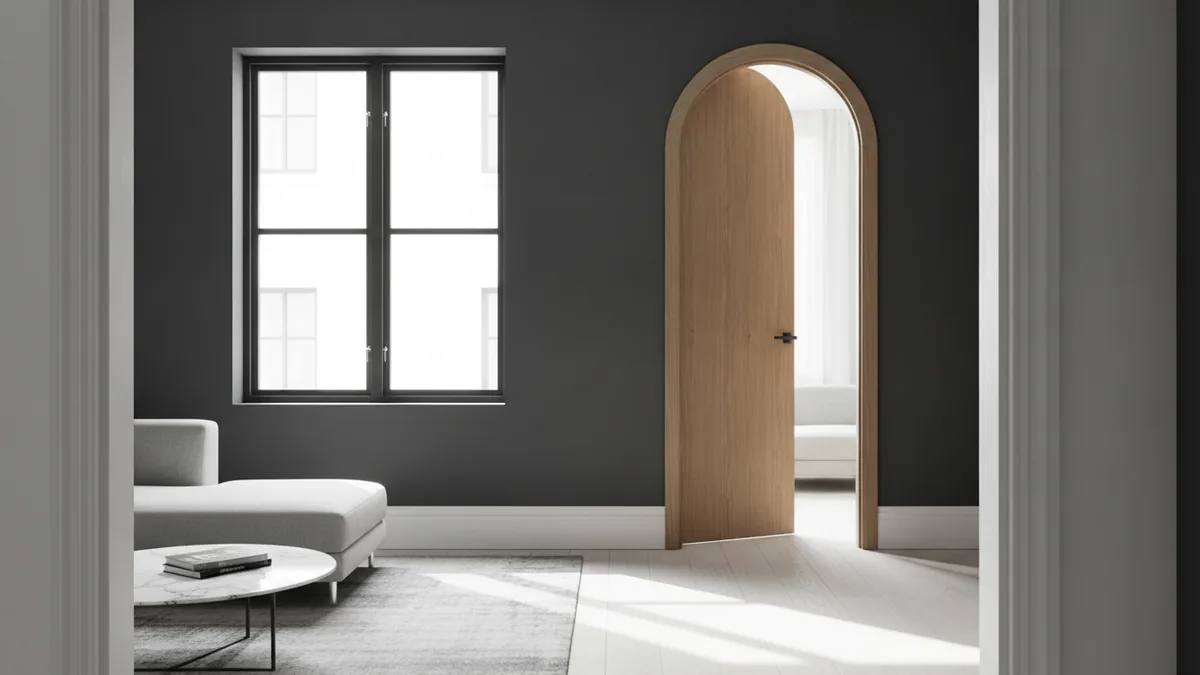
Room dimensions control what is possible. Start with a tape measure and write down the room’s length and width. Also note ceiling height, window and door placement, and where outlets sit. These details affect where furniture can go without blocking openings.
Then map the “hard stops.” A walkway near a door should stay open, and radiators or vents should not get covered. If your living room is rectangular, choose the long side for the main furniture run unless the window wall is the better anchor.
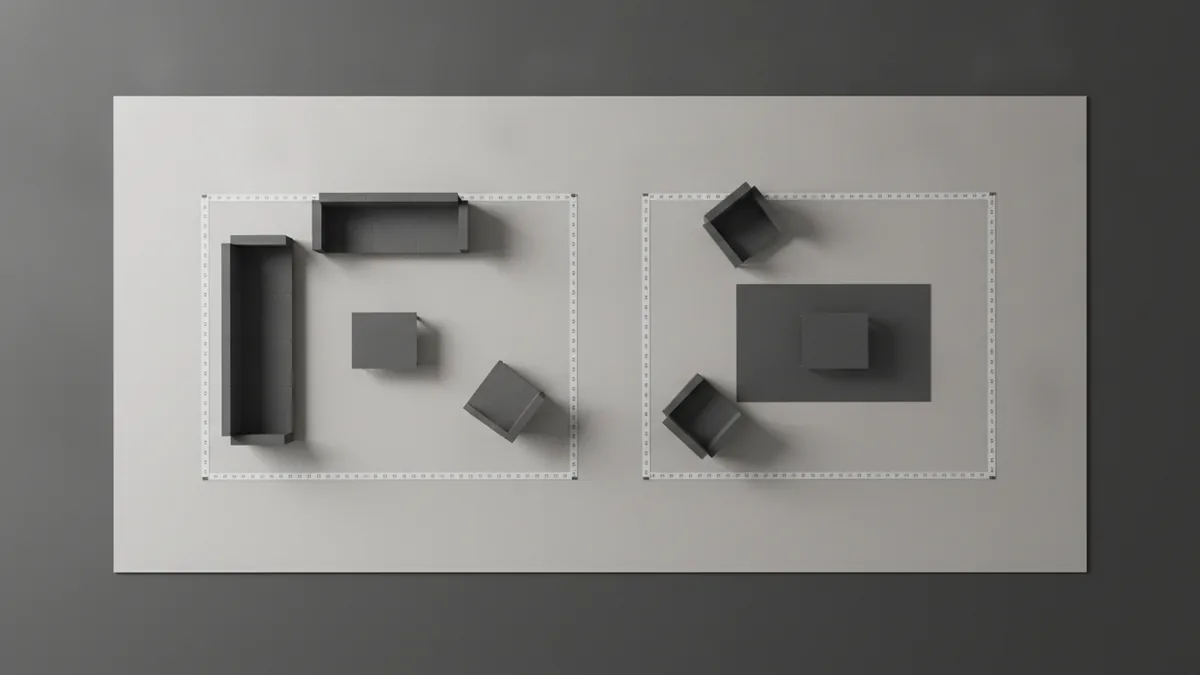
One practical approach is to sketch a simple floor plan on paper. Use rectangles for the room, then cut out paper shapes for your sofa, chairs, and coffee table. Move the cutouts until your layout matches your daily movement. This is one of the best answers to help me arrange my living room, because it makes tradeoffs visible.
| What to measure | Why it matters |
|---|---|
| Wall lengths and room width | Sets the maximum size of the seating group |
| Door swing and clearance | Prevents doors from hitting chairs or paths from feeling tight |
| Window positions | Helps you place seating without blocking light |
| Fireplace or TV wall depth | Controls how far back you can place the seating |
Consider your furniture types and real sizes
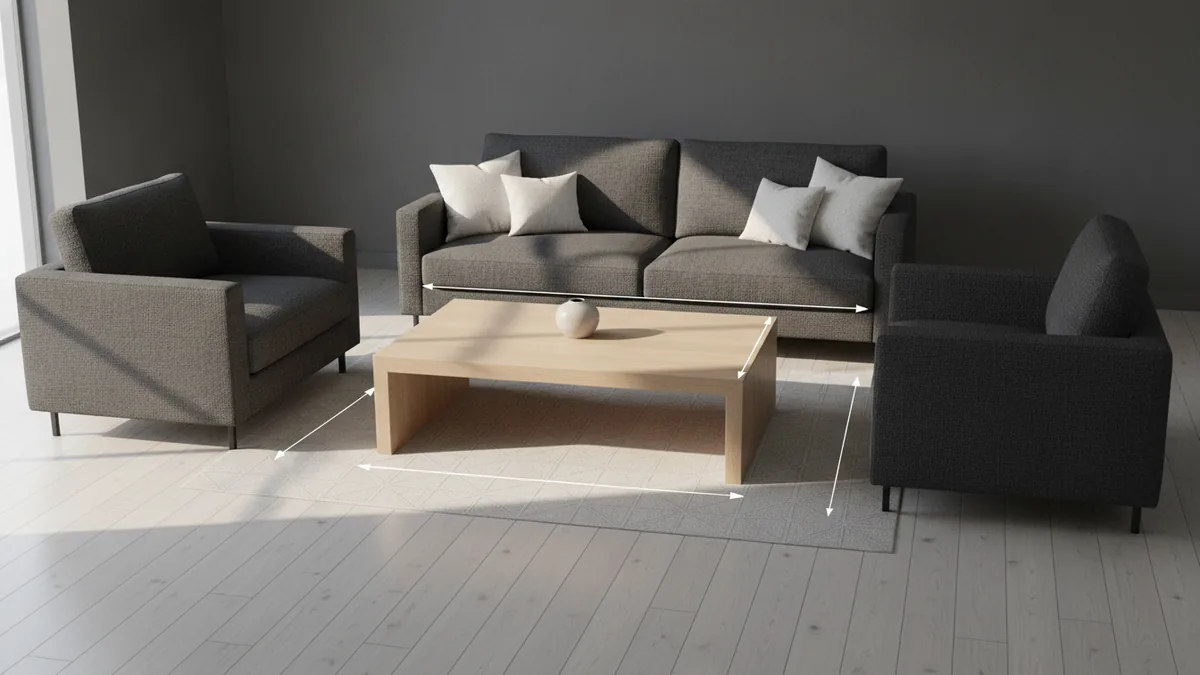
Before you decide where to put anything, identify your primary furniture pieces and their sizes. Measure each item, including the sofa depth and the arm width on chairs. Many couches look smaller in photos than they do in your space. Accurate measurements prevent wasted effort and awkward final gaps.
Next, assign each piece a job. A sofa often creates the main seating arrangement. Accent chairs add conversation areas, and a media console supports TV use. If you have multi-functional furniture, such as storage ottomans or nesting tables, plan where those functions live day to day.
If you are arranging living room furniture in a small space, prioritise the biggest pieces first. A common mistake is buying small end tables and then ending up without a surface for drinks. Instead, choose a coffee table size that fits how your hands reach, not just how it fits on the floor. Then build outward with slimmer pieces.
- List your largest items: sofa, sectional, TV console, and recliners
- Measure width, depth, and any protrusions like recline handles
- Note furniture overlap risk, especially with recliners and walkway space
- Choose a coffee table or ottoman size that matches the seating distance
Traffic flow and functionality that feels natural
Great furniture placement supports how people move. Think about traffic patterns: from entry to hallway, to kitchen access, or to the patio door. If your seating blocks a natural route, you will feel it every day. Plan for clear pathways between furniture so people can pass without squeezing.
A useful target is at least about 30 to 36 inches for main walkways. For tighter spots, you can sometimes go slightly smaller if the route is rarely used. But avoid trapping someone behind an ottoman or chair. Also check the path around the coffee table when chairs slide out for seating arrangements.
Functionality also includes daily activities. If you watch TV, set the viewing distance and angle first. Then arrange seats so conversation can happen without everyone turning their backs. If you regularly host guests, you may want seating arrangements that face each other, not just face the TV.
- Keep walkways open between entry points and frequently used doors
- Place coffee tables so you can reach them from all seats comfortably
- Use rugs to define the “conversation zone” and reduce visual clutter
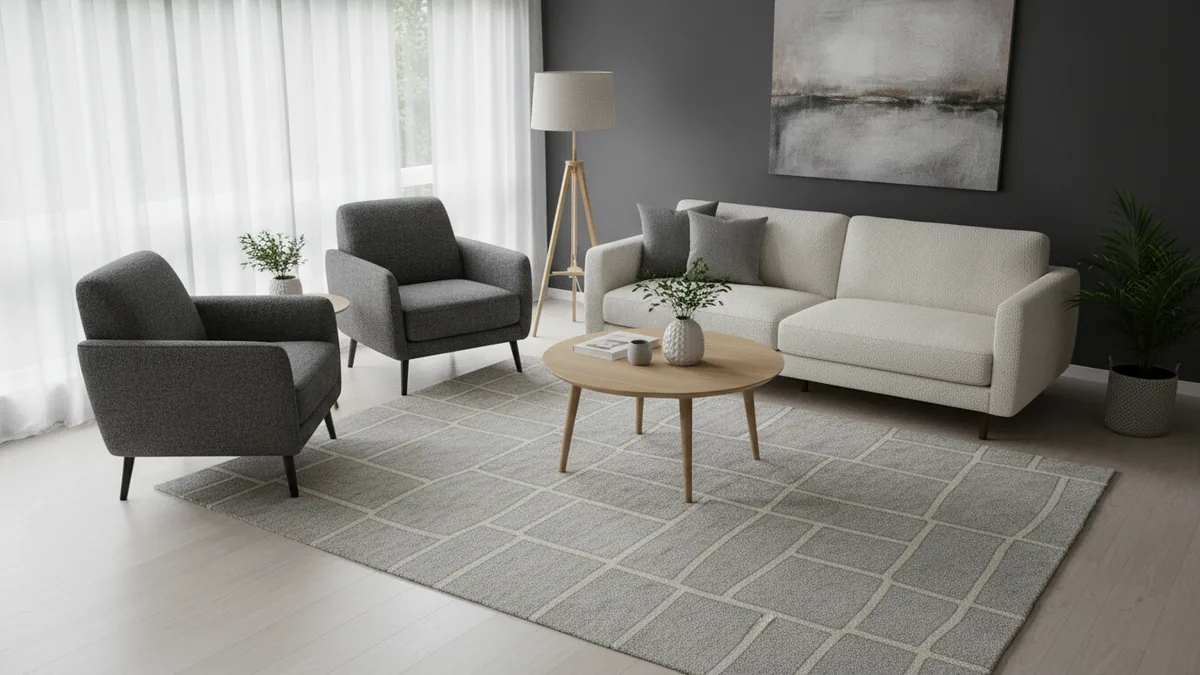
Popular living room layouts to try
When you ask how to arrange the living room furniture, you often get one of three layout styles. Symmetrical layouts use matching pieces and create a formal, balanced look. They work well when you have a clear focal point like a fireplace or centered window. To pull it off, keep distances even on both sides of the anchor wall.
Asymmetrical layouts feel relaxed and flexible. You might place a sofa slightly off-center, then add chairs at different angles. This style works great for open concept living room furniture placement because you can break up zones without needing perfect mirror symmetry. It also helps when your room’s shape makes symmetry feel forced.
Conversation setups focus on seating arrangements that encourage talk. Instead of lining up chairs to face a TV, you angle them toward each other. A conversational setup works especially well if your living room also hosts guests. You can still place a TV on a side wall, then keep the main seating group oriented for chatting.
How to choose the best layout for your needs
Start with your focal point and your activity priority. If TV viewing is the main use, build the primary seating around it first. If you host often, consider a conversational setup and let the TV become a secondary focus. Then fine-tune with accessories like lamps and side tables to balance sightlines.
| Layout style | Best when you want |
|---|---|
| Symmetrical | Clean balance around a fireplace or main window |
| Asymmetrical | Flexibility in irregular rooms or open concept spaces |
| Conversational | Comfort for guests and easy back-and-forth talk |
Tips for arranging around features like TV, windows, and fireplaces
Focal points guide furniture placement. If you have a fireplace, treat it as the visual center and arrange seating to face it. A common layout places the sofa opposite the fireplace, with chairs angled slightly inward. Keep the seating far enough back that people feel comfortable, not forced to crane their necks.
If you are arranging living room furniture with a fireplace, consider how mantel items change the look. Large decor can visually “pull” attention up, so keep larger furniture pieces grounded on the floor. Also avoid placing a chair too close to the hearth if it creates an awkward side gap.
Windows need a similar balance. Don’t block light if the room is dim. For TV setups, consider glare and sightlines during the day. If your TV wall shares space with a window, use placement that reduces reflection rather than maximizing distance. This is one of the simplest ways to answer how can i arrange my living room with better comfort.
Open concept rooms add another layer. You can use an area rug, a sofa back, or a console to separate the living space from dining or kitchen flow. That keeps traffic patterns from turning your living area into a hallway. If you need space optimization, place multi-functional furniture where it can serve both zones.
Special cases worth planning for
- Rectangular rooms: place seating along the longer wall to keep the center open
- Small spaces: choose compact end tables and avoid extra chairs with heavy arms
- Open concept: define zones with rugs and consistent spacing
- Two recliners: angle them toward each other to form a conversation area, or place them both facing the TV on a shared wall
Final touches and accessories that lock in the layout
Once the furniture arrangement works, accessories should support it rather than compete. Start with the coffee table or ottoman height. You want surfaces that feel easy for drinks and snacks, usually around the same height as seat cushions. If you use a taller ottoman, adjust the seating distance slightly so it feels right to reach.
Then add lighting in layers. A floor lamp near a chair makes the space useful at night, and a table lamp balances the room visually. Keep cords and small clutter under control so traffic patterns stay clear. When the room looks tidy, the arrangement feels more comfortable even if the furniture didn’t move.
Rugs are a key finishing tool for seating arrangements. A rug that fits under the front legs of the sofa and chairs helps unify the space. In small spaces, that can make the room feel larger by reducing the hard edges of floating furniture.
Finally, test your layout in real life. Walk the routes you use most for a day. Sit where you watch TV, then try turning to face someone across the conversation area. If something feels off, adjust one piece by small steps instead of redesigning from scratch. This is how do i arrange my living room furniture in a way that stays comfortable over time.
Tip: change only one variable at a time, like moving chairs inward 6 inches, then reassess comfort and paths.
Try this mini experiment
- Take a photo of your current setup from eye level.
- Reposition the seating so the conversation area has a clear center.
- Check the walkway twice: once standing, once carrying something.
- Adjust the coffee table placement to match reach from all seats.
If you want help, use your room plan plus these rules to narrow choices fast. With a clear focal point, measured furniture sizes, and room-first traffic patterns, you can make any living room feel open and inviting. Whether you’re figuring out how to arrange your living room or how to arrange living room furniture in a rectangular room, the goal is the same: comfort that supports your routines.
Frequently asked questions
- How do I arrange living room furniture if the room is rectangular?
- Place the main seating along the long wall to keep the center open. Test a coffee table position that keeps reach easy from every seat.
- What is the best layout if I want a conversational seating area?
- Angle chairs toward each other and make the coffee table the shared center. Keep paths clear so guests can move without stepping around furniture.
- How should I arrange living room furniture with a fireplace?
- Put the sofa opposite the fireplace and angle extra seating slightly inward. Use the fireplace wall as the visual anchor, then keep side gaps comfortable.
- How do I arrange living room furniture with two recliners?
- Choose one priority: face the TV if viewing is first, or angle the recliners toward each other for conversation. Leave extra space for recline movement so pathways stay usable.
- How can I arrange living room furniture in an open concept space?
- Use a rug to define the living zone and plan traffic paths around the furniture edges. Avoid blocking the natural routes between kitchen, dining, and entry.
- What spacing should I leave between furniture for comfort?
- Leave about 30 to 36 inches for main walkways when possible. Then adjust the coffee table and chair spacing for easy sit-and-reach comfort.
Related reading
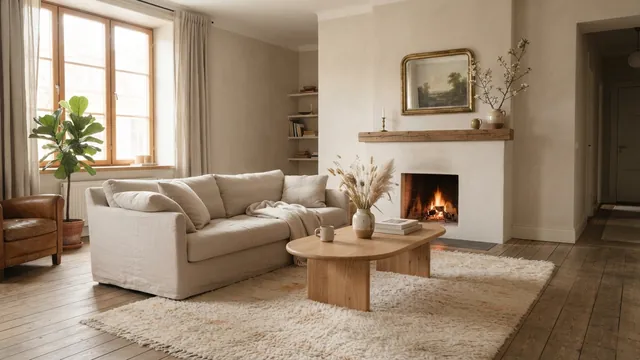
Couch Placement—Flow, Focus and Comfort
Place your couch to frame a focal point, keep paths clear, and make the room feel balanced.
Master Bedroom — Color, Comfort and Personal Style
Build a calm, personal bedroom with smart choices and a budget that works.
Room Painting Labor Costs — Rates and Budget Factors
See typical room-painting labor rates and learn what drives the final price.