How to Stage a Living Room for Sale (Fireplace Tips Included)
Staging tips to make your living room feel warm, spacious, and easy to imagine.
Why staging your living room can help a sale
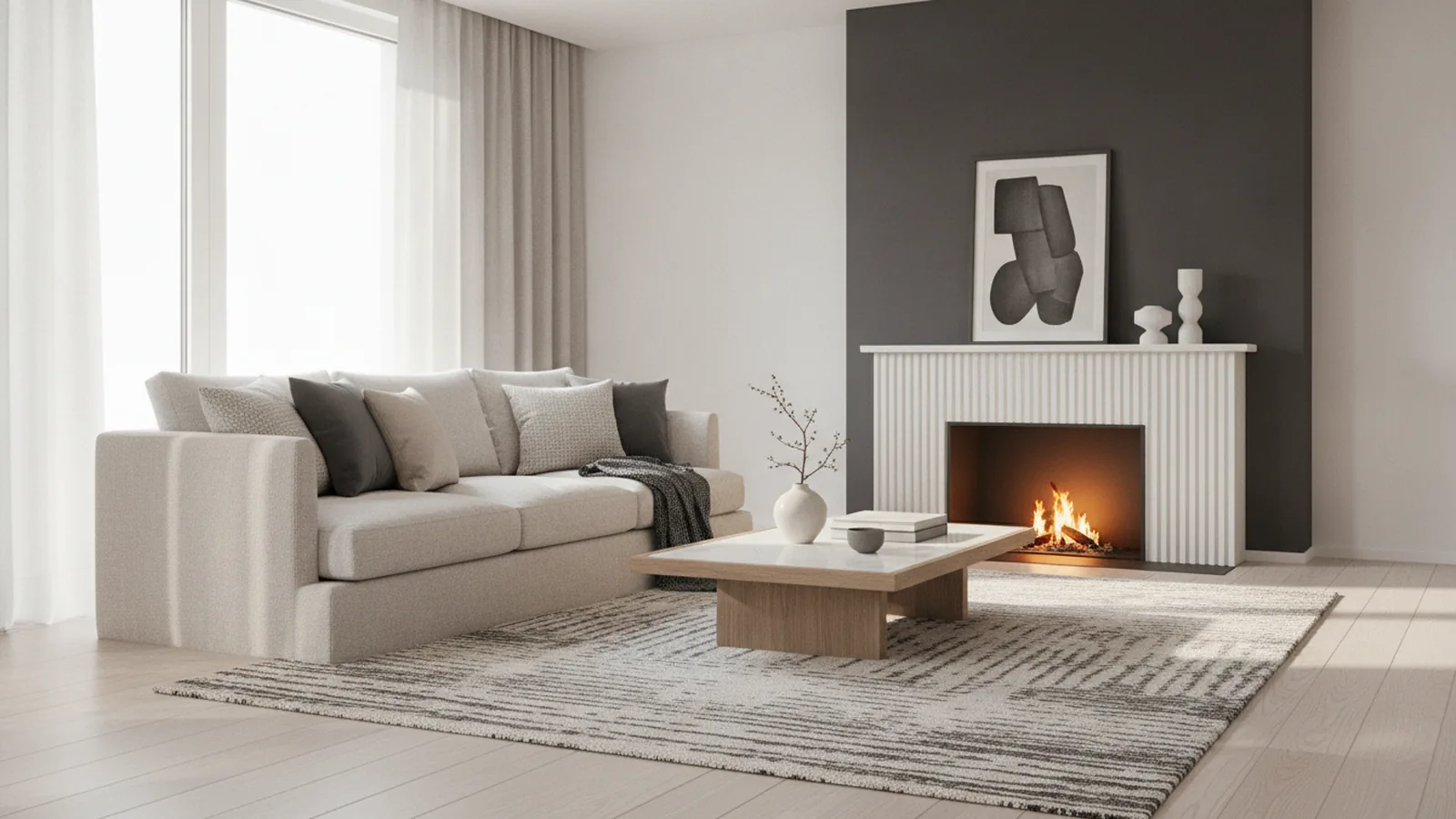
If you want to sell faster, the right approach is simple. Make buyers feel welcome the moment they step inside. The best staging starts with atmosphere, not expensive upgrades. It also supports real estate presentation by showing the home’s usable space clearly.
Home staging works because people shop with emotions, even when they think they are choosing facts. A living room that looks clean, bright, and well-arranged helps buyers picture themselves relaxing there. In many markets, that “move-in ready” feeling can translate into fewer follow-up questions and a quicker decision.
When you plan how to stage a living room for sale, keep your goal in mind. You are not trying to create your dream home. You are creating a neutral, inviting living room that fits a wide range of tastes.
- Create a warm, calm first impression
- Reduce distractions so the room looks larger
- Show how furniture can work together
- Highlight one standout feature, like a fireplace
Key principles of effective living room staging
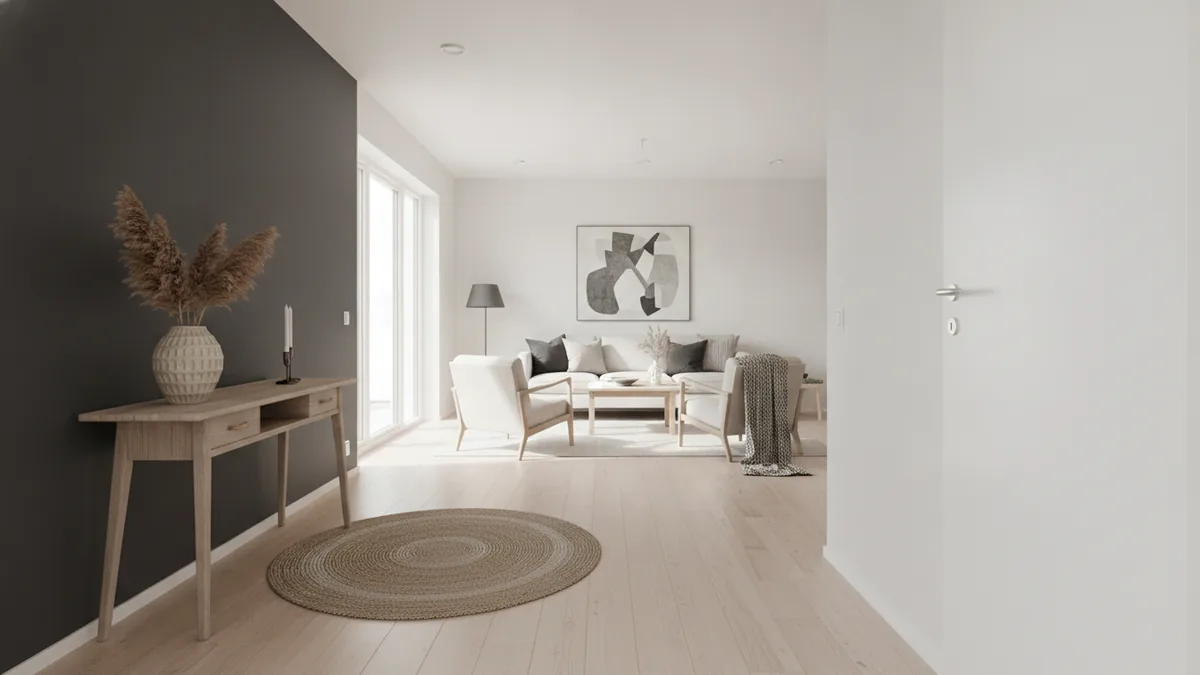
Start with decluttering. Move most personal items off open shelves, side tables, and entertainment units. Buyers should see surfaces, not collections. A fast rule: if an item does not help the room’s story, pack it.
Next, use color theory for staging. Choose a neutral color palette with warm undertones, like soft greige, creamy white, and muted beige. Then add controlled pops of color through pillows, art, or a throw. This helps your living room appeal to more buyers without feeling empty.
Then think about lighting techniques. Use a mix of overhead light, floor lamps, and table lamps. Add brightness near seating areas so faces look natural during showings. If the room feels dim, sheer curtains can also lift the overall look.
- Remove personal items and extra décor
- Choose neutrals with warm accents
- Layer light for a bright, cozy feel
- Create one clear focal point
How to choose the right furniture for buyer-friendly appeal
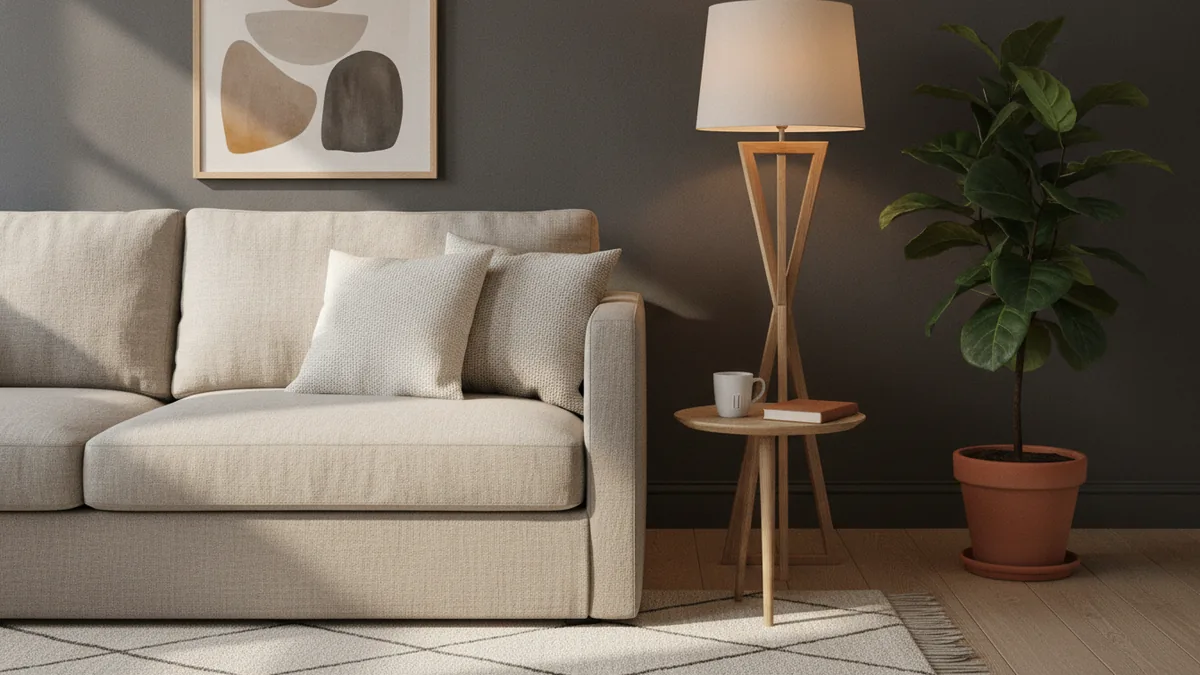
Choosing furniture is about size and comfort, not just style. Measure your living room before moving anything. Then measure the furniture you plan to keep, especially the sofa, rug, and coffee table.
For flow and comfort, aim for visible walking paths. Typically, you want about 30 to 36 inches of clear passage near main routes. Also keep seating within easy reach of the coffee table, so the room looks practical for everyday use.
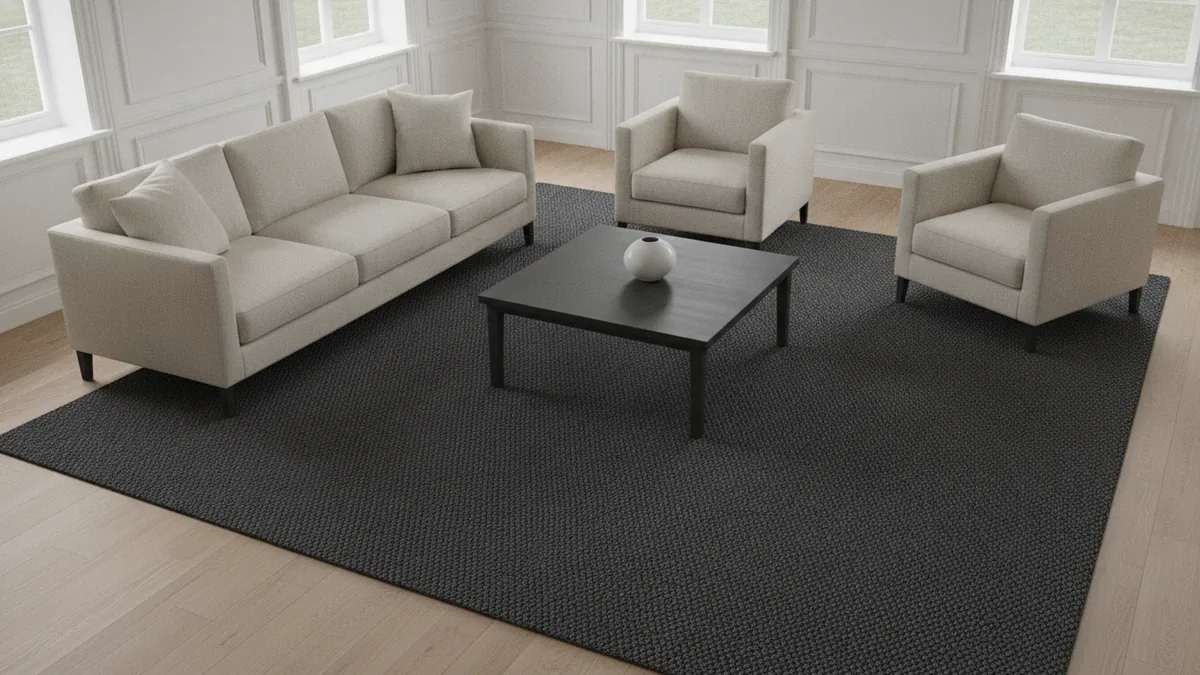
In how to stage your living room, the rug matters more than people expect. A good rug anchors the seating area. Ideally, at least the front legs of the sofa and chairs sit on the rug, so the layout looks intentional rather than floating.
When selecting pieces, keep to your room’s scale. Oversized furniture can crush a small room. Too-small pieces can make a larger room feel unfinished. If you are short on seating, add one accent chair or a small loveseat rather than cluttering with multiple small tables.
| Area | What to aim for | What to avoid |
|---|---|---|
| Sofa | Fits the main wall without blocking pathways | Rubbing elbows into tight corners |
| Accent chair | Balances the seating or supports a reading spot | Leaving no second viewpoint |
| Coffee table | Comfortable reach from seating | Too high or too small to feel usable |
| Rug | Anchors front seating legs | Rug that sits under only the coffee table |
Arranging for flow and space (so the room feels easy to live in)
Furniture arrangement is one of the biggest levers in how to stage a living room. Start by finding the room’s natural focal point, often a fireplace, large window, or feature wall. Then shape seating around it, so people naturally face each other.
Use “conversation zones.” Place sofas and chairs so two or more seating pieces can face inward. Keep the coffee table centered within the zone. If you have a TV, plan for it too. You can still stage a conversation layout by positioning the TV on the periphery and keeping the main view focused on the living area.
Also check sightlines. Stand at the entry and at common viewing spots. The room should look tidy from multiple angles. Hidden clutter in corners and behind chairs creates a negative first impression.
If you want the room to feel larger, reduce visual breaks. Choose matching end tables or limit to two styles. Keep cords and small electronics out of sight. That clean surface look supports both showcasing space and a more polished real estate presentation.
- Face seating inward to create a conversation zone
- Keep clear walk paths for easy movement
- Center the coffee table within the seating group
- Check sightlines from the entry and seating areas
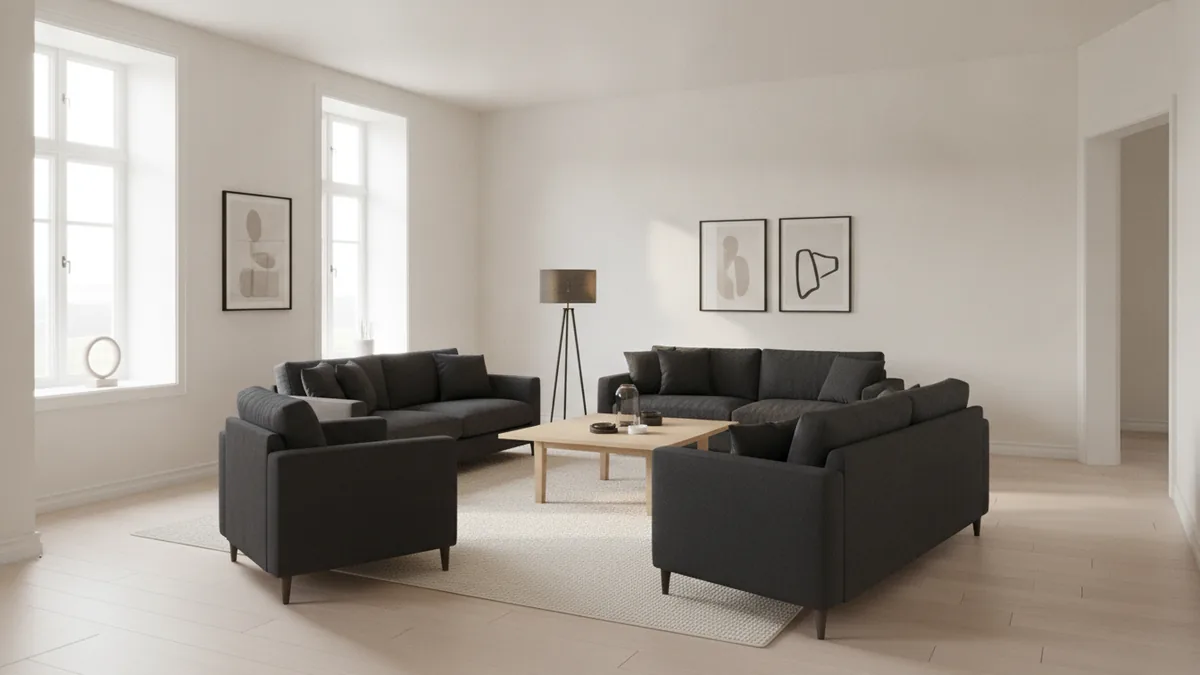
Tips for different living room layouts
Every living room has quirks. The goal is to stage each space so it still feels open and functional. Below are practical starting points you can adapt during staging.
Long and narrow living rooms
Keep furniture off the far ends when possible. Create a seating zone closer to the center and use one tall piece, like a slim bookshelf, for balance. Avoid placing a chair right in the narrowest section, because it blocks the visual line of travel.
Open-concept living rooms
Define the area with a large rug and coordinated seating. Use one shared color accent across living and adjacent zones. If the space flows into a kitchen or dining area, keep the living room “story” clear, so buyers do not feel like they are walking through furniture.
Rooms with multiple entrances or windows
Rehearse showings in your mind. Place seating where buyers can see the focal point while also having space to move. Use sheer curtains or light-filtering shades to maintain brightness without glare.
Small living rooms
Choose fewer, larger pieces rather than many small items. Consider swapping bulky pieces for slimmer profiles. Use a light-colored rug and keep décor at eye level, so the room does not feel top-heavy.
These layout tweaks are exactly what how to stage a living room to sell means in real life. You match the furniture to the space, then keep the room uncluttered and bright.
How to stage a living room with a fireplace
Fireplaces naturally create a focal point. That is great for how to stage a living room with fireplace, but you still need balance. The common mistake is adding too much around the hearth. Instead, keep the fireplace area clear and styled with intention.
Create a focal point without crowding. Use a mantel arrangement with 1 to 3 items maximum, like a framed mirror, simple candlesticks, or a single large vase. If you display stacked décor, keep it in one height range. This preserves symmetry and keeps the eye calm.
Then stage the seating to frame the fireplace. Place the sofa so it faces the hearth, then add one or two chairs at slight angles. A coffee table close to the seating anchors the room. If you have a television, position it so it does not block the mantel in the main view.
Lighting is also key here. Use warm lamp light to soften the room. Mirrors can bounce daylight if placed across from the main window or near the fireplace side. This supports lighting techniques while keeping the space cozy.
- Style the mantel with 1 to 3 clean elements
- Frame the fireplace with seating facing inward
- Keep paths clear in front of seating and hearth
- Use warm lamp light and mirrors for brightness
Common staging mistakes to avoid
Staging fails when it looks cluttered, themed, or hard to imagine as someone else’s home. Avoid items that signal “too personal.” Family photos, collections with strong themes, and bold, overly specific décor can push buyers away.
Another mistake is ignoring furniture scale. If pieces are too large, the room feels cramped. If they are too small, the room feels unfinished. Buyers interpret that instantly, even if they cannot explain it.
Also watch out for poor lighting. A living room that looks dim on a sunny day will feel worse at showings. Use lamps, check bulb temperatures, and ensure light reaches seating areas. Sheer curtains and mirrors can help when natural light is uneven.
Finally, do not overcrowd the fireplace or main focal wall. A focal point should guide the eye, not compete with multiple décor zones. Keep plants and art tasteful and spaced out so the room looks designed, not decorated.
- Leave personal items and clutter visible
- Use furniture that blocks walk paths
- Skip warm, layered lighting
- Overstyle the mantel or focal wall
- Choose colors that feel too bold or cold
Frequently asked questions
- How do I stage a living room for sale quickly?
- Declutter first, then set a clear seating conversation zone. Use neutral colors, add warm lighting, and style the focal wall sparingly.
- What furniture size works best for living room staging?
- Measure your space. Choose a rug that anchors the seating and keep about 30 to 36 inches for main walk paths.
- How do I stage a living room with a fireplace?
- Treat the fireplace as the focal point. Face seating toward it and style the mantel with 1 to 3 simple elements.
- Should I remove all personal items when staging?
- Yes, remove most personal items and collections from visible surfaces. Buyers should imagine their own belongings in the space.
- How can I make my living room look brighter for showings?
- Use warm lamps and check bulb brightness. Add sheer curtains for daytime light and place a mirror to bounce daylight.
Related reading
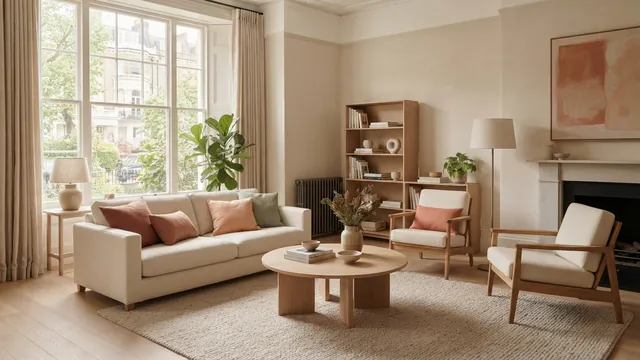
Large Living Rooms — Comfort, Zones and Flow
Make a spacious living room feel warm, useful, and easy to move through.
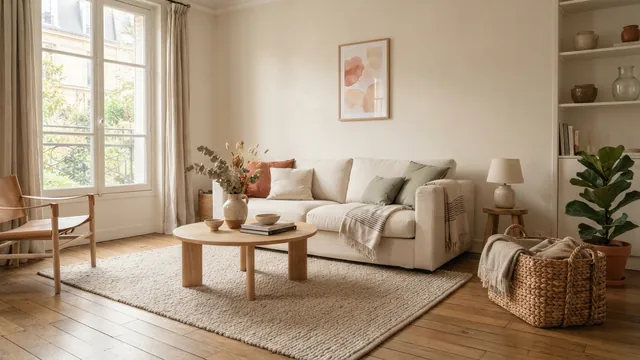
How to Decorate Your Living Room With Style and Purpose
Create a warm, useful living room with simple design steps.
Kitchen Cabinet Tops — Style, Texture and Seasonal Charm
Style cabinet tops with balanced layers, useful texture, and decor that suits your kitchen.