How to Furnish an L-Shaped Living Room: Zones, Layouts, Style
Create clear zones, smooth traffic flow, and stylish comfort in an L-shaped room.
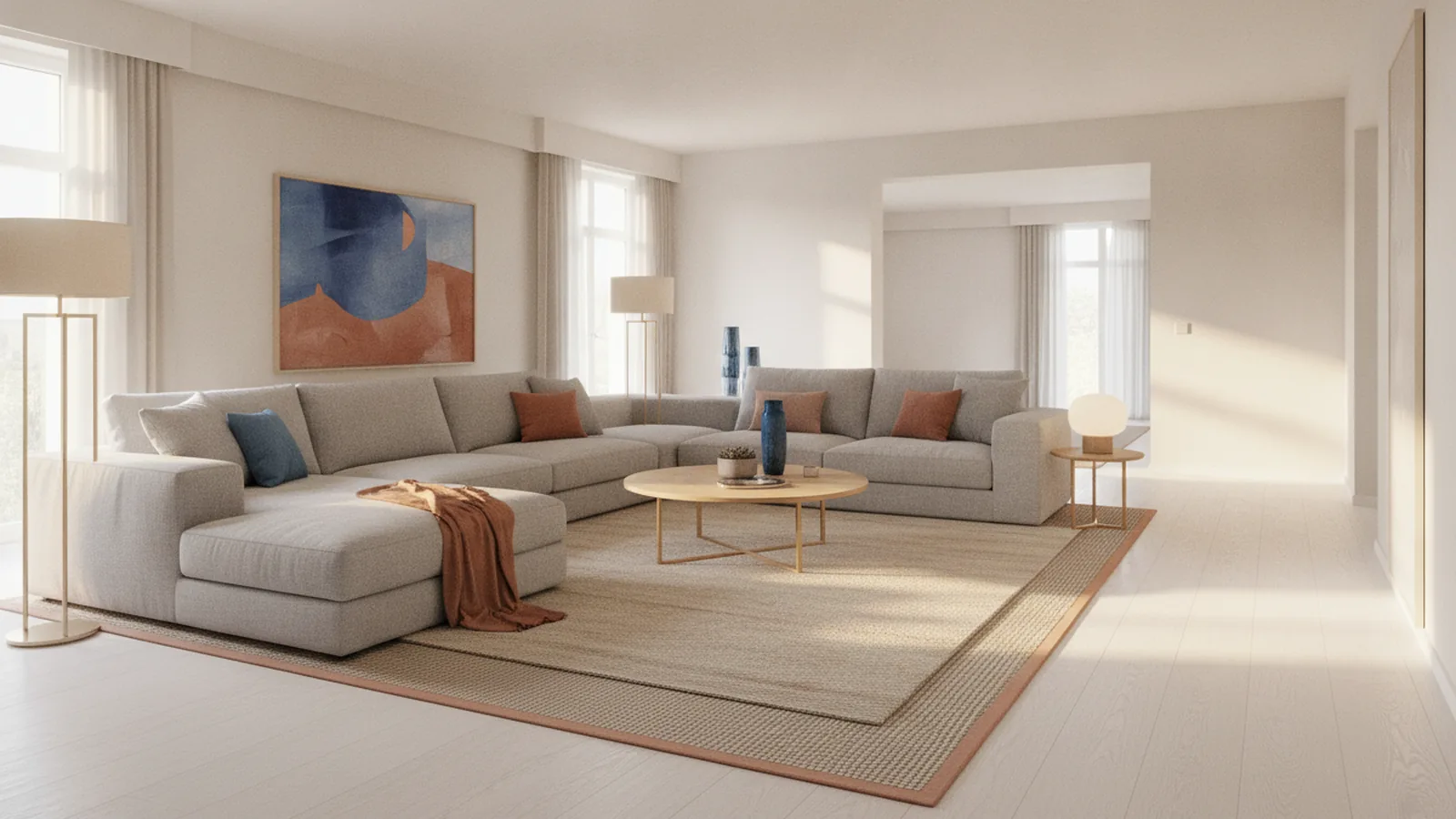
Understanding L-Shaped Living Rooms
To furnish an L-shaped living room well, start by treating it as two connected areas, not one big box. The room’s angle creates natural boundaries, but it also produces awkward sightlines and potential dark corners. Your layout should use those boundaries on purpose, so the space feels intentional instead of chopped up.
Most problems come from fighting the shape. People often center a sofa on a wall that faces a blank angle, then wonder why the room feels tight. Instead, plan for the long leg and the short leg separately, then connect them with a shared color, rug, or lighting theme.
Another issue is scale. In an L-shaped room, you may have a “dead” stretch where nothing fits comfortably. The fix is usually placement, not buying more furniture. Choose pieces that match the room’s recesses and keep a clear path around the corner.
- Expect awkward angles and missed sightlines.
- Plan for dark corners with brighter finishes and light.
- Use the shape to form zones, not obstacles.
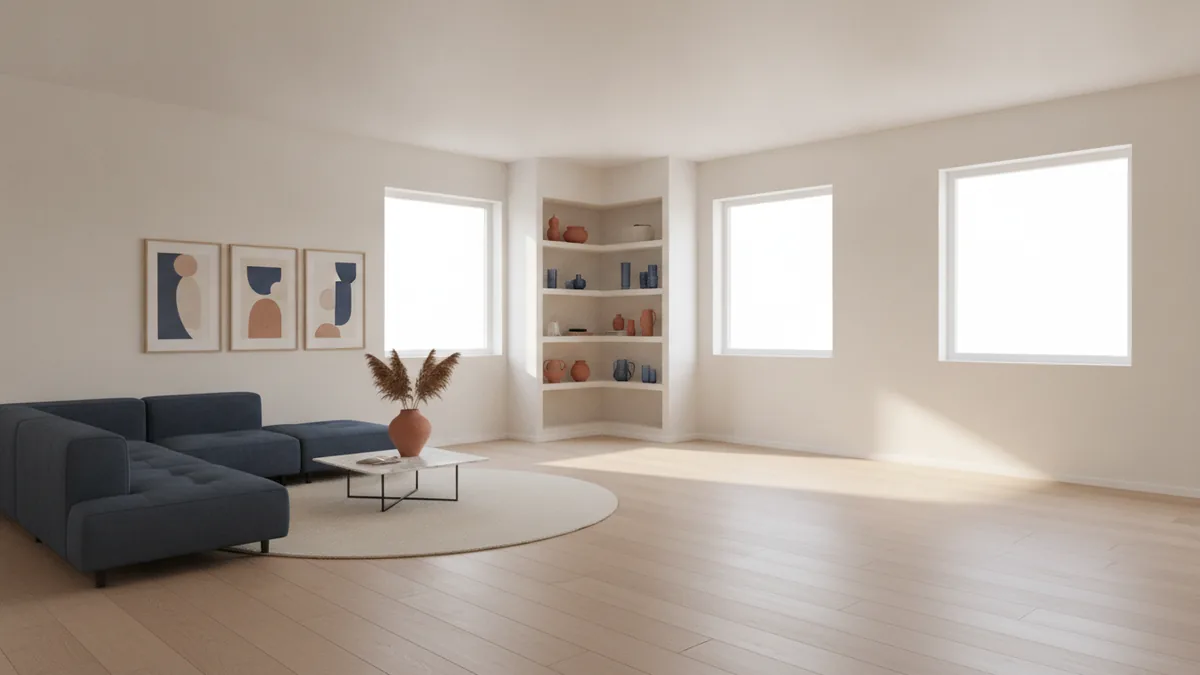
Identifying Functional Zones
The fastest way to decide how to set up an L shaped living room is to list the top activities you need. Then match each activity to a leg of the room. For example, use the longer leg for relaxing, and the shorter leg for conversation or a TV viewing angle.
Keep your zones practical. A common setup is a seating zone plus an optional work or hobby spot. If you entertain, add a small serving or game surface near the seating, so guests do not crowd the walkway.
Traffic flow matters more than people think. Measure the path you walk most often, then build your furniture around it. As a rule of thumb, keep about 90 cm clear for main paths, and at least 75 cm for secondary paths when space is tight.
- Mark your doorways, windows, and major walk paths on paper.
- Pick one “anchor” zone first, like the sofa for lounging.
- Add the second zone, like a dining or reading chair area.
- Leave a clear wraparound route around the corner.
Choosing the Right Furniture
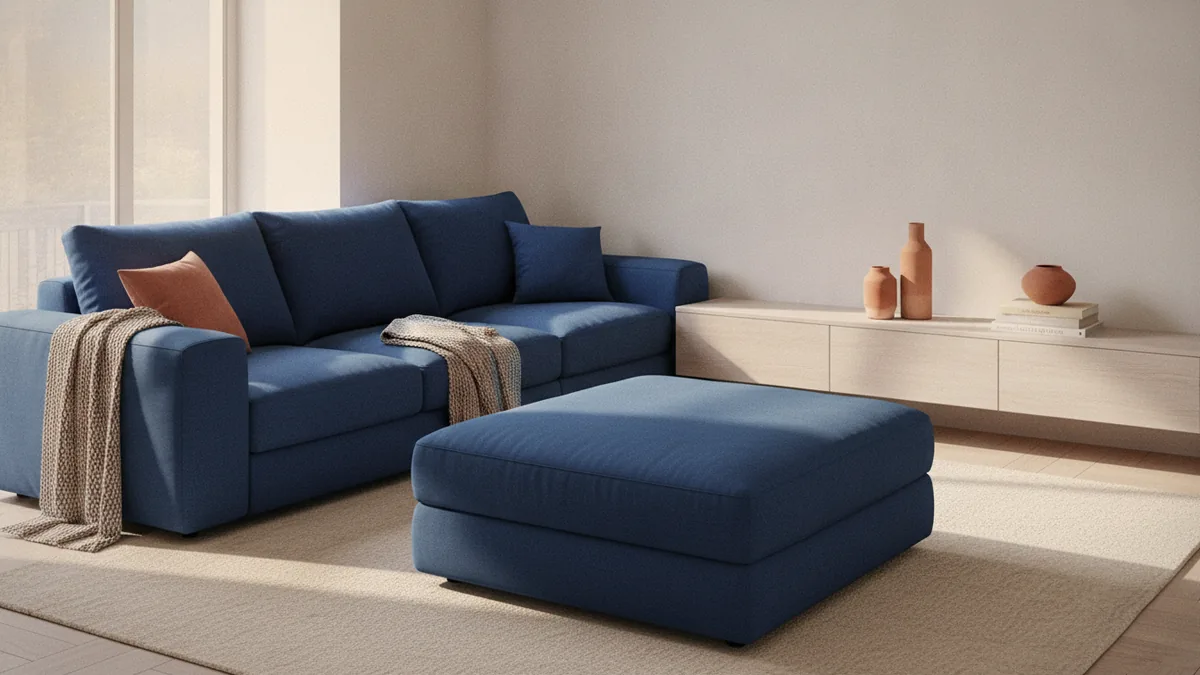
To furnish an L-shaped living room, you usually need one anchor piece and a few supporting helpers. An L-shaped sectional or a sofa with a chaise often fits the corner well. The goal is to follow the room’s curve, so the seating naturally turns the angle into comfort.
If you need flexibility, consider modular seating. Modular sections let you adjust the chaise position as your needs change. This is also a strong answer when learning how to arrange odd shaped living room layouts because you can “swap” sides without replacing everything.
Use multi-use pieces to prevent clutter. An ottoman with storage works as a footrest, extra seat, and hidden storage. A nesting coffee table gives you depth control when the corner narrows, and a lift-top table can double as a work surface if you do occasional tasks at home.
For storage, pick low-profile options near the room edges. A narrow console along the short leg can hold media gear and leave the center open. Avoid tall, deep cabinets where sightlines collide with the room’s inner corner.
- Anchor with a sectional, sofa, or chaise that follows the room’s bend.
- Add ottomans or benches that can seat or store.
- Prefer low storage that keeps the walkway visually open.
- Choose nesting or slim tables to avoid tight corner jams.
Effective Furniture Arrangements
When you are figuring out how to arrange furniture in an odd shaped living room, start with the “view lines.” Decide where people look from the entrance, and align seating so guests do not face awkward blank walls. In an L-shaped space, you often want two focal points, like a TV in one leg and conversation seating in the other.
Try these layouts, depending on your room size and the location of windows and doors. Layout A works for entertaining, and Layout B works for cozy lounging. Layout C adds a reading nook without stealing space.
| Layout | Best for | Core setup |
|---|---|---|
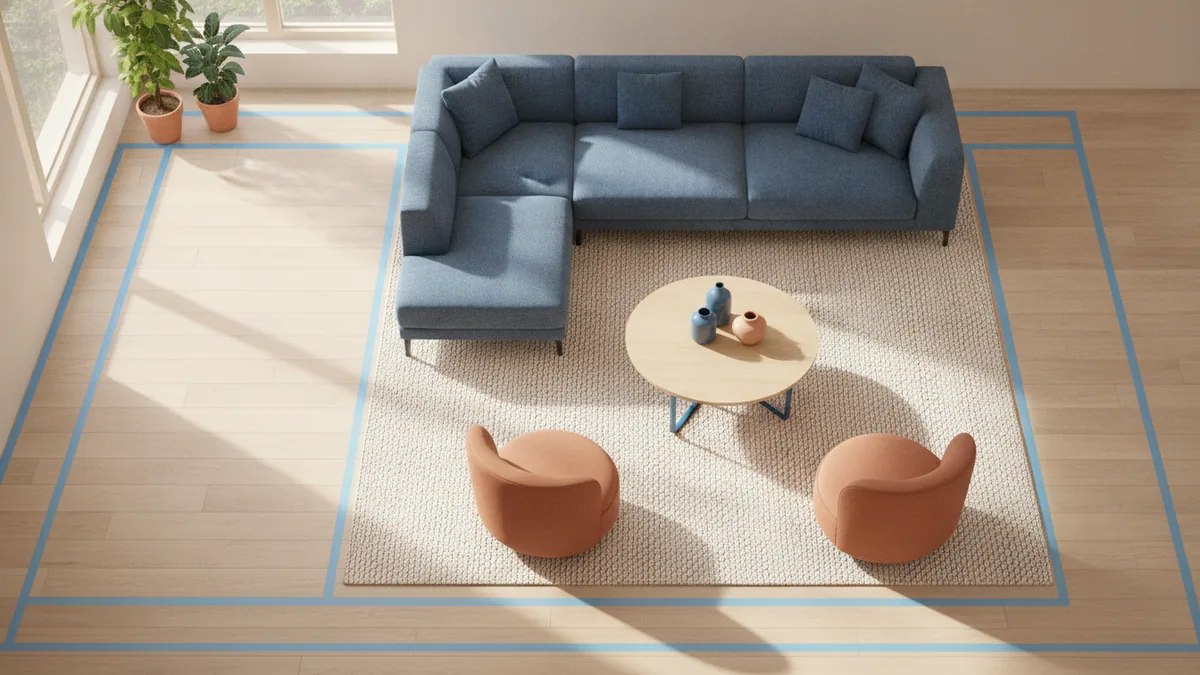
| Layout A: Corner conversation | Entertaining and chat | Sectional faces inward; add two chairs on the short leg. |
| Layout B: TV along one leg | TV viewing and lounging | Sectional on the long leg; coffee table centered on the rug. |
| Layout C: Seating plus work nook | Small desk needs | Armchair by window; small desk behind or near the inner corner. |
Rug placement is one of the most reliable tools for furniture placement. An area rug defines the seating zone, even when the room bends. Choose a rug large enough that the front legs of your sofa and chairs land on it. For smaller rooms, use a rug with a simple pattern and keep furniture within the rug’s edges.
Finally, leave practical clearance at the inner corner. If the corner is where people turn, keep narrow tables or shelving out of that area. You want feet, not knees, to hit obstacles less often.
Quick test: walk the path from entrance to main seating. If you have to sidestep around a table, adjust now.
Using Color and Light
Color theory can make an L-shaped room feel larger and more inviting. If you struggle with dark corners, test a lighter paint shade on the inner walls. Warm whites and soft beige tones help corners recede rather than feel boxed in. Cooler grays can work too, but pair them with stronger lighting to prevent a gloomy feel.
Use contrast strategically. Paint one long wall a shade slightly deeper than the rest, or use a feature color behind the main sofa. This gives the eye a destination, so the room feels planned instead of fragmented.
Lighting solutions should address both general brightness and “zone” glow. Use a ceiling fixture for base light, then add floor lamps near reading spots and table lamps near conversation seating. If the inner corner always looks shadowy, place a floor lamp with a shade that bounces light upward, rather than pointing straight at the floor.
- Use light paint on inner walls to reduce shadowy corners.
- Pick one deeper accent wall to add depth.
- Layer lighting: overhead plus floor or table lamps.
- Keep lamp placement aligned with functional zones.
Decorating Tips for L-Shaped Rooms
How to decorate a small L shaped living room depends on scale, not just style. Choose fewer, larger pieces instead of many small decor items. A large wall art piece on the long leg often looks more balanced than several tiny frames competing for attention in the corner.
Decor also needs to support the zones you built. Match the color palette across both legs, then let each zone have one “signature” element. For instance, use the same rug style across the main seating area, and add a different throw color or pillow shape to separate relaxing from entertaining.
For window treatments, keep them consistent and avoid heavy bulk in the inner corner. A simple curtain track or light drape can reduce visual tightness. If you want privacy, choose thicker fabric but hang it higher and wider than the window to make the room feel taller.
When you are aiming for how to decorate an odd shaped living room, focus on edges. Floor-to-ceiling shelving or a low media unit can bridge the angle and reduce “gap anxiety.” If you use mirrors, place them so they reflect light from a window or lamp, not the back of a dark corner.
- Use larger art to balance the room’s long surfaces.
- Repeat a palette across both legs for a cohesive look.
- Keep curtains light and hang them high for height.
- Use rugs and lighting to mark zones clearly.
If you also need a plan for how to arrange odd shaped bedroom spaces that share the same problem areas, the method transfers well: pick activities, map traffic flow, then anchor the room with the right multi-use furniture.
Frequently asked questions
- How do I furnish an L-shaped living room without it feeling cramped?
- Pick one anchor piece, usually a sectional or sofa, and place it so it follows the bend. Keep a clear wraparound path and define the seating zone with a rug.
- What is the best way to arrange furniture in an odd shaped living room?
- Start with view lines from the entrance and align seating toward focal points. Then measure walking paths so tables do not block turning at the corner.
- How do I decorate a small L-shaped living room?
- Use fewer, larger decor pieces and choose a cohesive color palette across both legs. Place one large art piece on the long wall and use lighting to brighten dark corners.
- How can I make the inner corner of an L-shaped room feel brighter?
- Use a lighter paint shade on inner walls and add layered lighting with floor or table lamps. Place the light to bounce upward, so the corner does not stay in shadow.
- Do I need rugs in an L-shaped living room?
- Yes. Area rugs help you separate functional zones while keeping the overall look unified. Choose a rug large enough for the front legs of your main seating.
Related reading
Couch Placement — Comfort, Flow, and Style
Arrange couches for easy movement, good conversation, and a balanced room.
Small Kitchen Design — Light, Space and Smart Storage
Use light, smart storage, and slim furnishings to make a small kitchen feel more open.
Living Room Paint — Measurements and Buying Tips
Measure your walls, count coats, and buy the right amount of living room paint.