How to Decorate an Office Room: Layout, Furniture Costs, and Tax Steps
Decorate and arrange your office room. Plus costs, depreciation, and write-off basics.
Understanding Office Decor
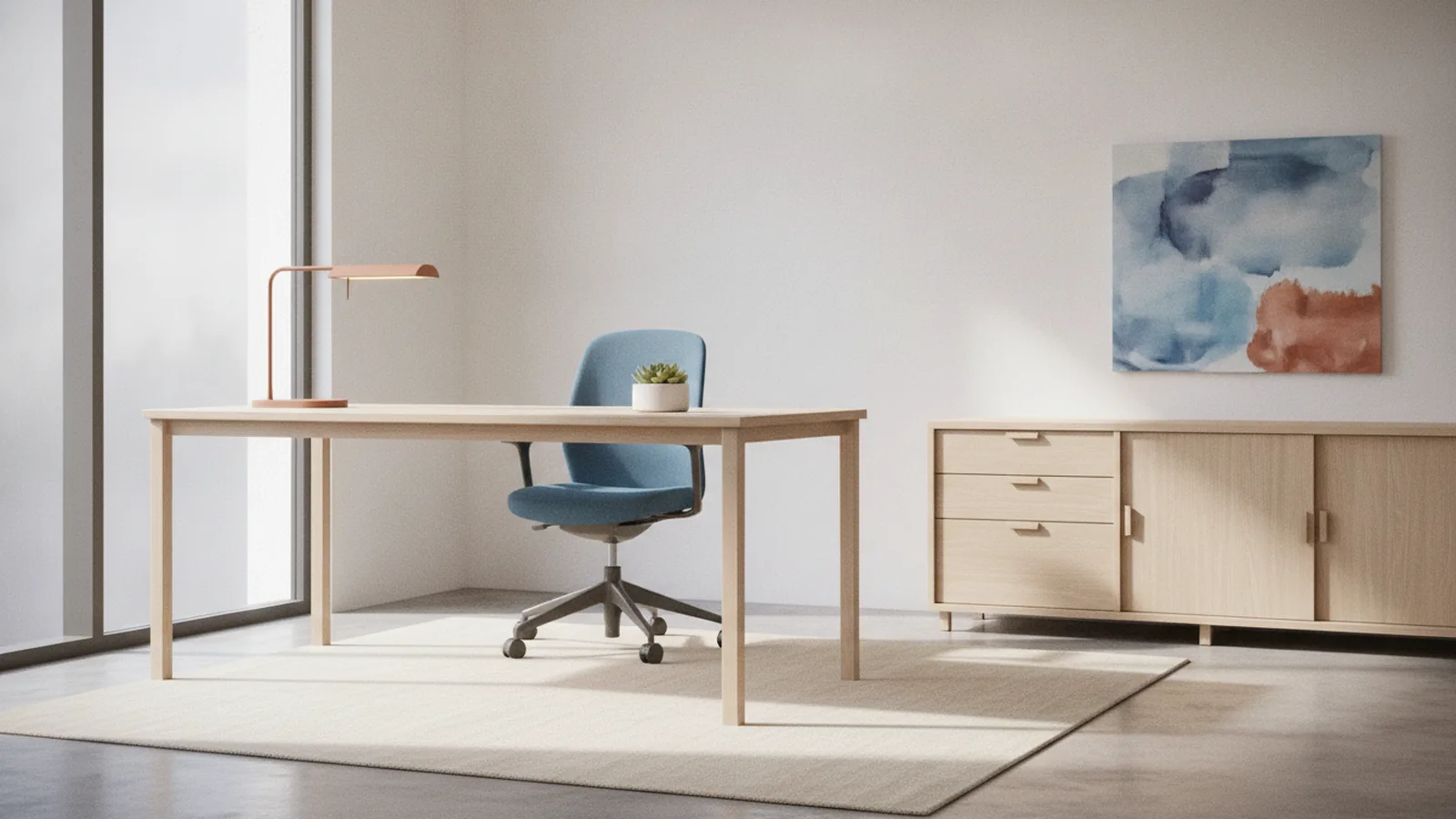
Great office decor tips start with how your day actually runs. Before you pick colors or decorative accessories, map your work tasks. Think about focus work, calls, and how often you access files. Then choose a layout that reduces friction.
When people struggle with space, they blame style. It is usually furniture placement and workflow. A desk that blocks a walk path makes you avoid reaching for items. A chair that points at glare makes you squint and move less.
If you are asking how to decorate office room, treat the room like a system. Start with a work zone, storage zone, and movement path. This helps you plan how to design an office interior that feels calmer and works better.
- Work zone: where you sit, type, and use your main tools
- Storage zone: where supplies and documents live
- Movement path: a clear route from door to desk
Choosing the Right Office Furniture
Choosing furniture is not just buying what looks good. You want pieces that match your office layout and real needs. If your keyboard sits too high, your posture will suffer. If your storage is far away, you will “work around” the room.
Start with basics like desk size, chair type, and storage capacity. Measure your wall space, doorway clearance, and chair pull-out room. Then decide on your ergonomic chairs first if you sit long hours. After that, pick desks and shelving that support office organization.
If you want guidance on how to arrange office furniture, use your body as the measuring tool. Keep the keyboard and mouse centered to your torso. Make sure you can stand up and walk without squeezing past drawers.
- Pick your primary facing: face toward your main work area.
- Set your reach: keep tools in the same sweep of motion.
- Plan clear paths: leave space near the door and around storage.
- Put storage near hot spots: place supplies beside the work you repeat.
- Control cables early: route power and chargers where you can hide them.
For the same “layout brain” you use for home office essentials, you also need a practical view of costs. How much does office furniture cost per square foot varies widely by material and complexity. As a rough planning approach, many small-office setups land in a broad range that is driven by desk and seating choices more than by floor area.
Also keep an eye on the difference between “decor” and “equipment.” In tax talk, that difference can matter. You may wonder whether can office furniture be expensed right away, or whether you must treat it differently for accounting.
Common furniture terms you may see while shopping
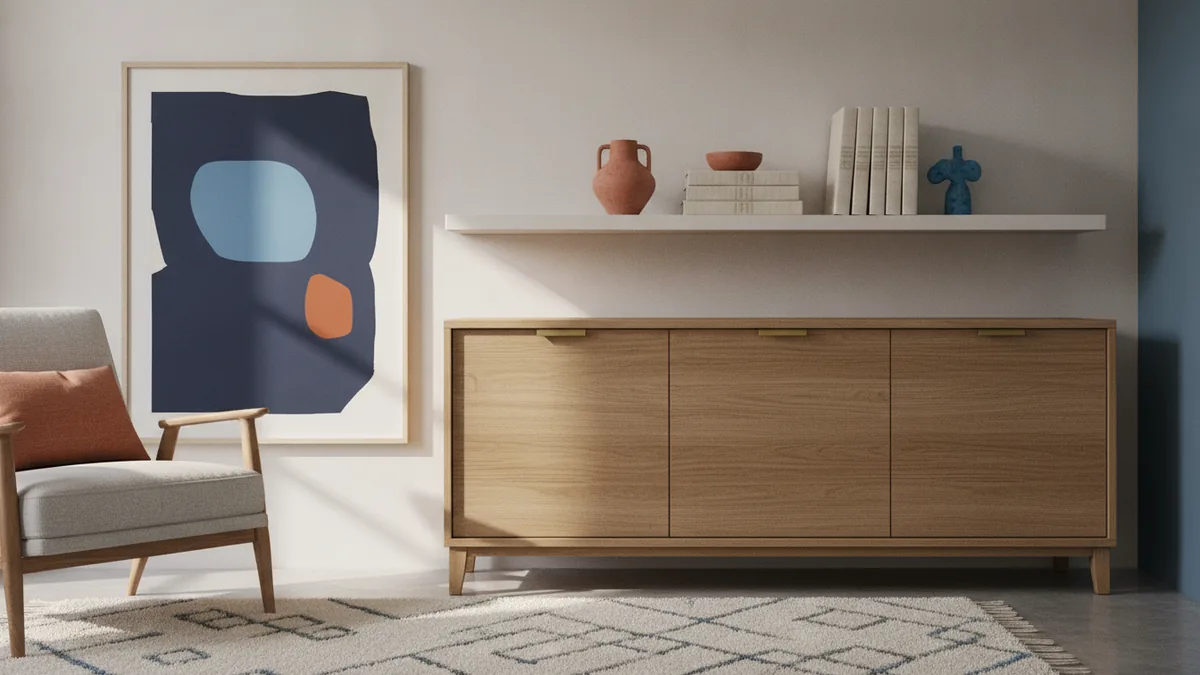
Some shoppers get stuck on unfamiliar labels. If you see what is credenza office furniture, that usually means a low cabinet used for storage and media. If you see what is modular office furniture, it refers to systems that can change as your needs change. For what is ergonomic office furniture, the focus is on fit, support, and adjustability.
These terms connect back to your design goal. A modular setup can support growth. A credenza can reduce clutter on your desk. Ergonomic chairs can reduce fatigue, which makes long work sessions easier.
Incorporating Color and Art
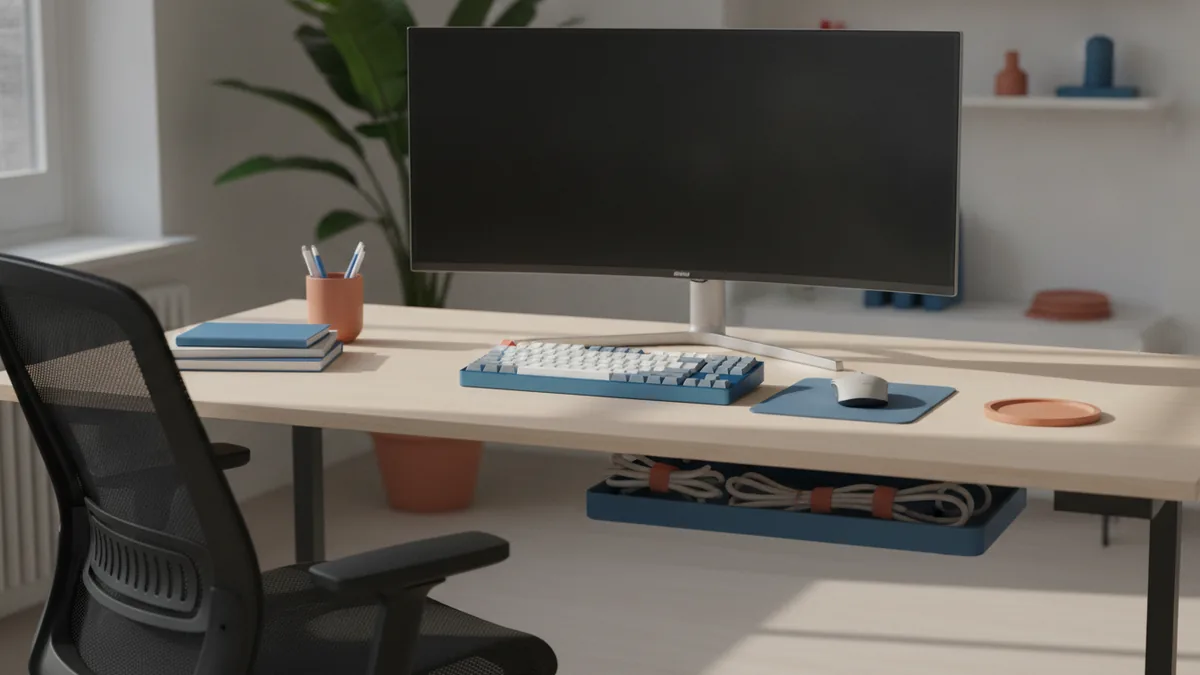
Color helps your brain shift into “work mode.” When you are figuring out how to decorate office room, choose an office color scheme that matches your tasks. For deep work, many people prefer calmer tones. For high-energy roles, they often add warmer accents.
A simple method is to use one neutral base, one secondary color, and a small set of accents. For example, use a light base on walls, a muted tone in textiles, and a bold accent in art. Then match these choices to your furniture finishes.
Art and accessories affect more than looks. They also change how you move and where your eye rests. If your desk faces a busy wall, add calmer art and reduce visual clutter. If your desk faces a blank wall, a framed print can become a focal point that makes the space feel finished.
| Goal | Color and art approach | Best placement |
|---|---|---|
| Focus | Soft neutrals plus muted accents | Behind or beside your desk view line |
| Energy | Warm accents with minimal bright areas | On shelving or a small gallery wall |
| Calm | Cool tones and low-contrast art | Where your eyes rest between tasks |
When you plan how to design an office interior, remember that storage and rugs also “color” the room. A rug can anchor the seating area and soften footsteps. Shelves can add rhythm and help with office organization.
Lighting Considerations
Lighting is one of the biggest drivers of comfort. A productive office needs both natural light and controlled artificial light. Natural light can boost mood, but glare can wreck focus. So you need a way to steer brightness, not just add it.
For artificial lighting, aim for layered sources. Use overhead light for general brightness. Add a desk lamp for task work. If you can, choose warm-neutral bulbs that feel even across your workspace.
If your desk faces a window, adjust positioning before you buy more decor. Try angling your monitor and using blinds to limit glare. Then use light-colored walls or a nearby lamp to reduce shadows.
- Task lighting: desk lamp aimed at your work surface
- Ambient light: ceiling or wall lights for overall balance
- Accent light: small lamps to soften corners and reduce harsh contrast
This is also why layout matters. Good furniture placement puts your light sources where they help. It also keeps your chair and storage from blocking light. That is part of how to design an office interior, not just how to decorate office room.
Adding Plants and Greenery
Plants make a workspace feel alive. They also support air quality, which many people notice through comfort. Even small plants can add calm and make the office feel less sterile.
Choose plants that match your light level and your schedule. If you forget watering, pick hardy options. If you have bright natural light, you can support more variety. Place plants where your eyes naturally move during breaks.
Greenery also works as decor, especially when you plan around your shelving. A plant on a credenza can balance a wall of cabinets. A planter on a shelf can create height changes that add depth to the room.
For a cohesive look, repeat plant style. Use similar pot colors or textures. This keeps the room from looking like it has “random” decorations.
Finishing Touches for a Cozy Atmosphere
Once your layout, lighting, and greenery are in place, add the finishing touches. These items shape the vibe more than most people realize. A soft rug, a simple tray, or a small shelf can make the space feel intentional. Decorative accessories should support your workflow, not fight it.
If you want to keep the room cozy, focus on comfort textures. Think about a rug under your chair, a fabric shade for your lamp, and curtains that control brightness. Use a small set of items that you actually enjoy using. That makes how to decorate office room feel personal.
Now, if your office makeover is also part of a business update, you may be considering tax steps. Questions like can i deduct office furniture from my taxes are common. The right answer depends on whether the furniture is for business use and how your tax rules treat it.
In general terms, you might also ask whether is office furniture a current asset or whether it is treated as a long-term item. People also ask is office furniture a fixed asset, and is office furniture an asset in bookkeeping. These categories matter because they can change how costs flow through your records over time.
For many businesses, office furniture is not treated like a daily cost. You may wonder whether is office furniture an expense or asset. Some items get expensed, but many get depreciated. That leads to questions like how long to depreciate office furniture and how to depreciate office furniture for your accounting and tax reporting.
Tax basics to pair with your design budget
Here are practical questions to clarify with your tax advisor. You can use them to map your plan before you buy. This section is not legal advice, but it helps you get ready for the right conversation.
- Can you write off office furniture? Your answer can depend on ownership and use.
- Can office furniture be expensed? Some rules allow immediate write-offs.
- Can i write off office furniture? The correct treatment depends on cost and classification.
- Can you write off office furniture? Ask how depreciation rules apply to your situation.
You may also want to confirm whether the furniture should be treated as a fixed asset. This is where “current” versus “fixed” reporting comes in. Understanding these categories helps you estimate cash impact and timing.
Finally, plan for what happens when you update furniture. If you replace older pieces, you may wonder how to dispose of office furniture or how to get rid of office furniture. In many areas, you can donate usable items, recycle parts, or use local pickup programs. If you are stuck with broken furniture, ask about curbside rules or drop-off sites.
If you need to handle a full refresh, keep it organized. You might also ask what to do with old office furniture and how to get rid of old office furniture in a clean, compliant way. The best path is usually a mix of donation, resale, and proper recycling.
- Sort by condition: donate, sell, recycle, or discard.
- Check local pickup rules: rules vary by city and item type.
- Remove personal items: clear drawers and storage before handoff.
- Document resale or donation: keep receipts if your rules require it.
If you are building rather than buying, you may ask how to make office furniture. DIY can work, but you should still plan for safe assembly and stability. A sturdy setup protects your body and helps your space last longer.
Designing the office furniture you choose
Shopping is easier when you know what you want furniture to do. If you already know your budget, you can design around it. You may also ask how to design office furniture when customizing storage or desk dimensions.
In that case, start with measurements and workflow. Decide how much surface area you need for your screen and tools. Then build storage around the items you touch daily. This approach keeps your office organized and helps you avoid buying the wrong piece.
And if you are thinking about where to purchase items, keep your criteria clear. Look for strong build quality and comfortable seating. Price varies by style, materials, and lead time. You can compare sellers by warranty and return terms.
That also helps if you are asking where to buy good office furniture or where to get office furniture. You can narrow choices by height range, storage capacity, and warranty length. It is a better method than scanning listings without a plan.
Quick Checklist Before You Finalize the Room
Before you commit to your final setup, do a fast pass on furniture and layout. This prevents “almost right” problems that show up after a week. It also helps you fine-tune lighting and decorative accessories.
Use this checklist as a last-minute test for how to arrange office furniture and how to design an office interior. If any item fails, adjust the layout now. It is cheaper than replacing pieces later.
- Desk feels comfortable at your chair height
- Storage is near the work zone you use most
- Path from door to chair stays clear
- Light reduces glare on screens
- Plants and decor support the vibe without clutter
When you handle the final cost plan, connect it to how you will record the purchase. That is where questions like can office furniture be expensed and how to depreciate office furniture can help you plan timing. Then plan your next steps for disposal or resale when you upgrade again.
Frequently asked questions
- Can i deduct office furniture from my taxes?
- Sometimes yes, if it is for business use and meets your tax rules. The exact treatment depends on ownership, use, and your tax category.
- Can office furniture be expensed right away?
- In some cases, yes. Other purchases must be depreciated, so the classification matters.
- How to depreciate office furniture?
- You typically depreciate eligible items over a set recovery period. Your method and timing depend on local tax rules and how you track fixed assets.
- How long to depreciate office furniture?
- The recovery period depends on the rules that apply to your item type and location. Ask your accountant for the period tied to your furniture category.
- How to dispose of office furniture responsibly?
- Donate usable pieces, sell what still works, and recycle broken parts when possible. Then follow local rules for bulky pickup and drop-off sites.
- Is office furniture a current asset or a fixed asset?
- In many bookkeeping setups, office furniture is treated as a long-term item. Your accounting policy and the item’s expected life drive the classification.
Related reading
Long Walls — Ideas That Add Balance and Character
Make a long wall feel balanced with color, art, shelves, and warm light.
Modern Kitchen Design: Form and Function
Plan a modern kitchen that balances clean style with everyday ease.

Curtains for a Blue Room — Color, Texture and Scale
Pair blue walls with curtains that suit your light, style, and room size.