How to Arrange an Awkward Living Room: Practical Layout Fixes
Fix awkward angles and awkward flow with zoning, rugs, and smart furniture groups.
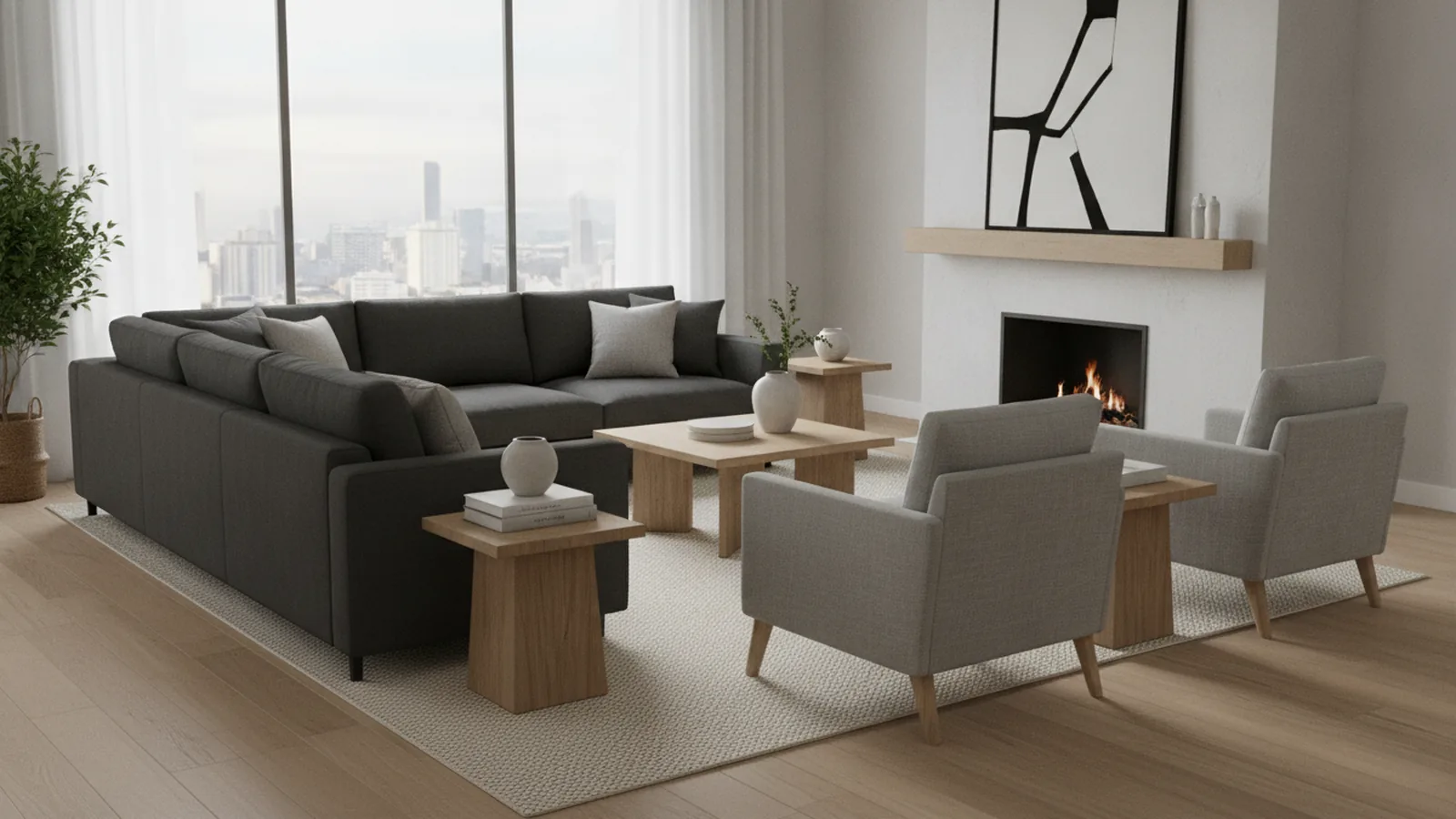
Understanding awkward living rooms
How to arrange an awkward living room comes down to one idea: make the space behave like a plan, not a problem. Many awkward rooms have strong “bones” that are simply hard to work with. The goal is to create clear paths, comfortable seating, and a style you can sustain.
Most awkward layouts fail because furniture gets placed by habit. People push everything against walls to “open space,” then wonder why the room feels cold or cramped. Instead, treat the layout like a system. You will balance movement routes, sight lines, and usable surfaces.
One helpful mindset is “design for use first.” If your room supports reading, hosting, and relaxing, it will also look better. Interior design then becomes a finishing layer, not the main engine.
Identifying common layout challenges
Awkward living rooms usually have features that interrupt standard furniture plans. A long and narrow shape can make seating feel stretched out. An angled wall can warp sight lines and leave gaps that are hard to fill. You may also see columns or partial walls that break the natural flow.
Start by walking the room and noting where you naturally pause. Then note where you feel blocked. If you do this, you will spot the real constraint quickly, like a doorway that takes up one “corner” or a column that forces a detour.
Here are common issues and what they usually cause:
- Long and narrow spaces: seating becomes distant, and conversation suffers.
- Angled walls: straight furniture looks “wrong,” and rug edges pull focus oddly.
- Columns or built-ins: they steal wall space, which reduces placement options.
- Multiple doorways: traffic patterns cut through your seating area.
- Low sight-line openings: you get awkward sight angles between sofa and TV.
Even if you are wondering how to set up an awkward living room that also has nearby traffic, the fix is similar. You create establishing flow first, then decorate to support it.
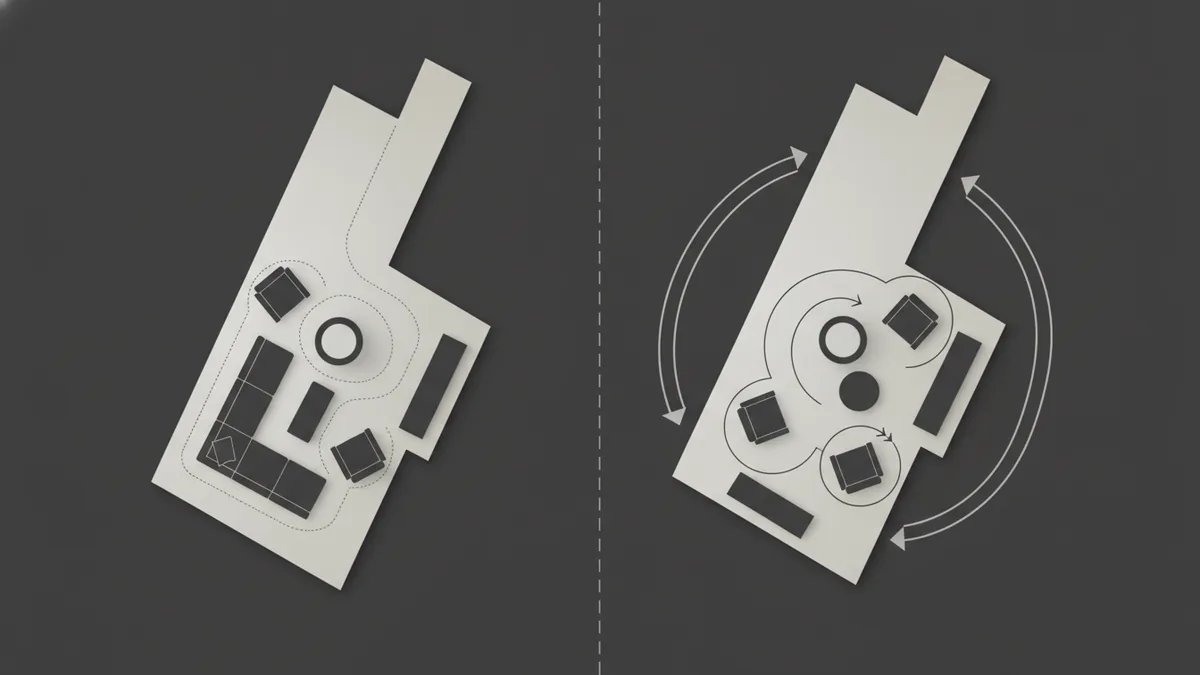
Creative solutions for layout issues
When the room fights you, you can’t rely on one “perfect” plan. Instead, use flexible tactics that work with your room’s odd geometry. Often, the best move is to create a seating arrangement that does not depend on lining everything up.
Angle furniture away from walls to soften the room shape. A conversational grouping usually feels more inviting than a straight perimeter arrangement. If an angled wall makes your sofa look off-center, rotate the sofa slightly and let side tables “bridge” the gap.
If you’re trying to arrange a space that feels like it has no good center, anchor with a focal point. A fireplace, a window bay, or even a media wall can become the reference point for everything else.
Another strong option is modular furniture. Sectionals in specific configurations can adapt to columns, cutouts, and tight corners. Mix pieces like a loveseat plus two chairs so you can test angles without committing to a single large item.
| Awkward feature | Try this solution | Why it helps |
|---|---|---|
| Long and narrow room | Use two smaller seating zones | Stops the room from feeling like a hallway |
| Angled wall | Rotate sofa and use rounded or slim pieces | Reduces the “misfit” look of straight lines |
| Column in the way | Float seating and use a rug for division | Creates a usable grouping despite lost wall space |
| Too many doorways | Keep one clear traffic lane | Improves flow and comfort |
If you are also thinking about adjacent spaces, you might be tempted to compare it to how to fix an awkward kitchen layout. The principle is the same: you design around movement and use, then fit the furniture. A living room just gives you more flexible “furniture geometry.”
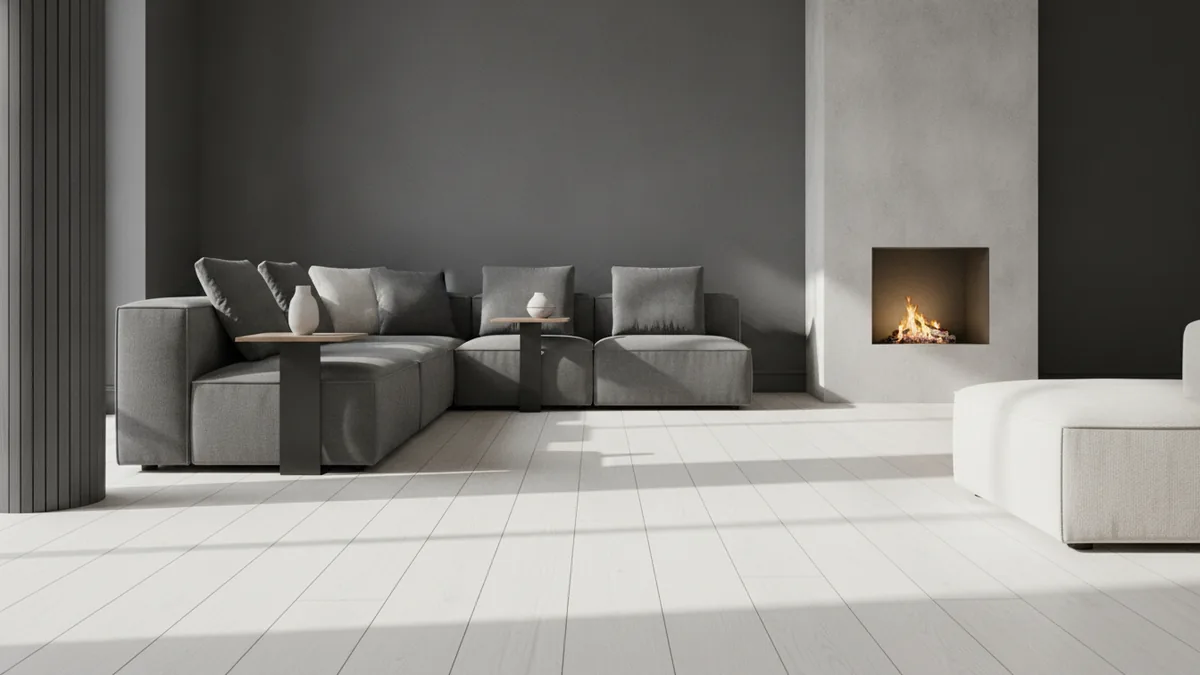
Tips for zoning and furniture placement
Zoning is how you make a big or awkward room feel intentional. In practice, zoning means assigning parts of the room to activities. For example, one zone can support reading, while another supports entertainment. This works especially well in open-plan spaces, where the living room shares sight lines with kitchen or dining.
You can zone using furniture placement, rugs, and lighting. Rugs for division are one of the easiest tools because they visually “draw a boundary” without walls. Pick a rug size that holds the front legs of seating. If you do not, the zone looks accidental.
When you place furniture, create conversational groupings. That means chairs and sofas should face each other at a comfortable angle. Aim for a small “interaction space” between seats, not an endless loop around the edges.
Use this approach to place items step by step:
- Mark your traffic routes: stand where people enter and leave. Keep a clear path to every doorway.
- Choose a primary seating anchor: pick the sofa or loveseat that faces the focal point.
- Build a secondary surface: add a chair or ottoman so it forms an easy conversation triangle.
- Define a rug zone: center the rug under the seating grouping, then leave room for walkways.
- Adjust for angled or broken walls: rotate one piece slightly to “follow” the room, not fight it.
For open-plan rooms, consider splitting zones with a rug and a modular furniture layout. A modular sofa can keep the seating in one area while leaving a dining pathway open. This is one of the simplest ways how to arrange an awkward living room when the room is shared.
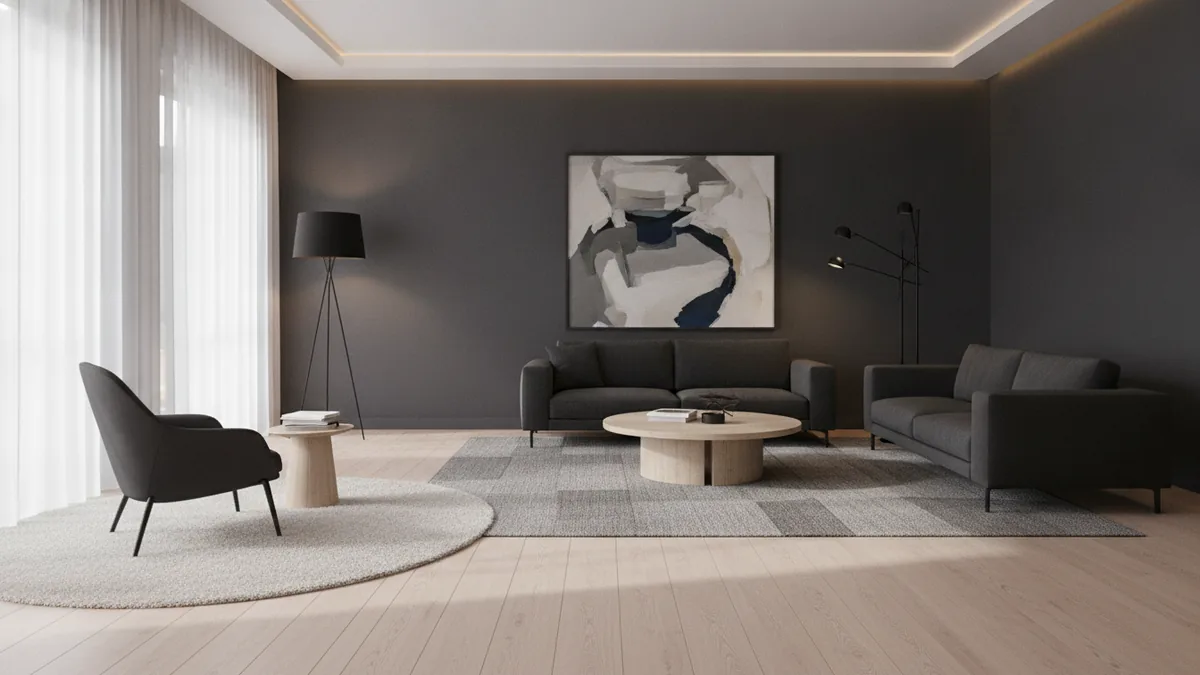
Decorating for function and style
Decorating for an awkward living room should support how you use it. The room should feel cohesive, but not at the cost of comfort. Choose decor that makes the layout easier to “read” at a glance.
Start with the surfaces you will touch daily. A media console, coffee table, and side tables should be sized for the spacing you created. If your seating is angled, pick a coffee table that sits comfortably between the seats. An overly wide table can create a feeling of crowding.
Then add storage that respects the layout. If walls are awkward because of angles or columns, consider a low media credenza placed closer to the focal point. Keep taller storage away from primary walk paths so the room stays open.
Lighting is where a lot of decorating “wins” happen. decorative lighting can guide attention and also make awkward corners feel intentional. Use a mix of overhead, floor, and table lighting. Then direct it toward the seating zone and focal point.
If you are searching how to decorate an awkward living room, remember this rule: highlight what you want to use. When your lighting focuses on seating, art, and the focal point, awkward features recede.
Utilizing focal points effectively
Focal points act like a compass. Furnishing the room towards focal points can create a more inviting atmosphere because everything feels connected. A focal point can be a fireplace, a large window, a TV wall, or even a striking piece of art.
Once you have chosen it, align your biggest furniture piece with it. The sofa should generally “agree” with the focal point direction. If the room has an angled wall, rotate the sofa just enough that it looks like it belongs to the focal point, not the wall.
You can also use focal points to fix “dead zones.” For instance, if one corner is hard to use because of a column, place a reading chair there. Then aim a lamp to create a small spotlight effect. That corner becomes part of the room’s story.
Try these focal-point tactics:
- Frame with rugs: place the rug so the seating zone points toward the focal element.
- Repeat a color once: mirror one accent color in cushions and wall art near the focal point.
- Use wall height wisely: hang art so it sits at eye level for seated views.
- Control glare: if windows are part of the focal point, use warm bulbs and layered shades.
When you do this, establishing flow becomes easier. People can find their way because the room visually leads them.
Final thoughts on arranging awkward spaces
How to arrange an awkward living room is not about finding the “one right” layout. It is about making the room easy to live in, then making it beautiful. Awkward features will not disappear, but they can stop being the main character.
Use zoning to assign meaning to each part of the room. Use rugs and modular furniture to support those zones in open-plan layouts. Create conversational groupings by angling furniture away from walls. Then use lighting and decor to draw attention where you want it.
If you take one action today, test your layout with a simple mock-up. Move pieces with tape outlines for each rug and table location. Once the seating faces a focal point and the traffic routes feel clear, decorating becomes straightforward.
With that approach, even a long narrow room or an angled-wall challenge can become a comfortable, stylish living space.
Frequently asked questions
- How do I arrange an awkward living room with an angled wall?
- Rotate your main sofa slightly so it aligns with the room’s focal point. Add a chair that fills the gap created by the angle, then anchor the whole grouping with a properly sized rug.
- What is the best furniture arrangement for a long and narrow living room?
- Create a seating conversation zone in one area and avoid pushing everything to the perimeter. If needed, add a second mini zone with a chair or small table to keep the room from feeling stretched out.
- How do I set up an awkward living room when there are columns or built-ins?
- Float part of the seating away from the walls so the column does not force a straight line. Choose modular furniture so you can reconfigure pieces as you test angles and traffic routes.
- How can I decorate an awkward living room without making it look cluttered?
- Pick a clear focal point and keep surfaces sized to your walk paths. Use layered lighting and a few coordinated decor items near the focal point to add interest without overcrowding.
- Can rugs and zoning really help an awkward living room layout?
- Yes. A rug for division defines the seating area and makes the room feel intentional. Zoning also helps you assign different activities to different parts of the room.
Related reading
How to Update Your Living Room on a Budget: Fresh, Modern Ideas
Refresh your living room fast with declutter, smart flow, and budget décor ideas.
Kitchen Cabinet Tops — Style, Texture and Seasonal Charm
Style cabinet tops with balanced layers, useful texture, and decor that suits your kitchen.
Couch Placement—Flow, Focus and Comfort
Place your couch to frame a focal point, keep paths clear, and make the room feel balanced.