Modern Living Room: Balance and Warmth
Create a modern living room with calm color, useful furniture, and warm texture.
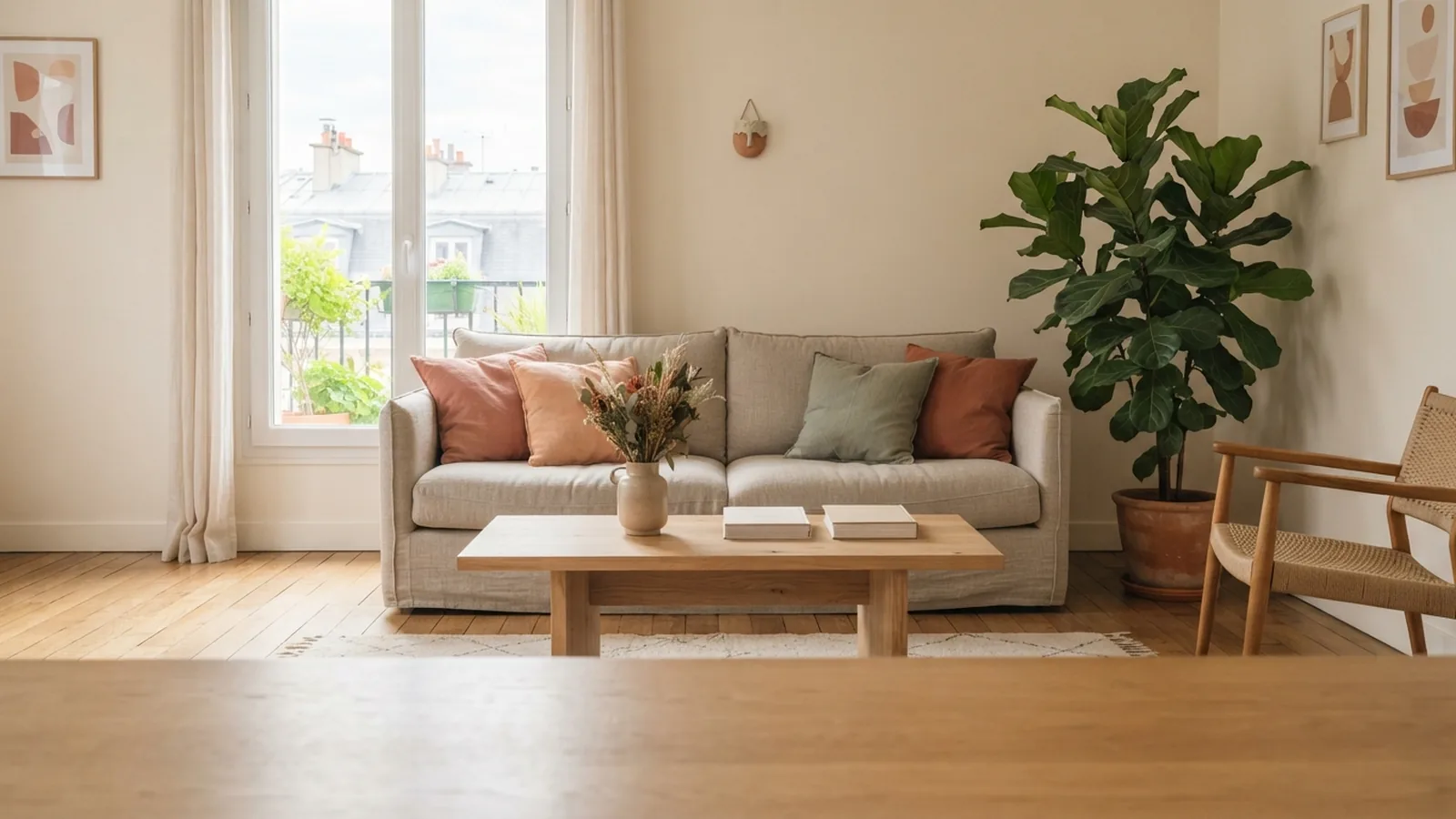
Understand What Makes a Living Room Modern
Modern style pairs clean lines with comfort and purpose. It favors useful furniture, open space, and a few chosen details. The goal is a calm room, not an empty one.
Minimalist design can still feel warm and personal. Natural wood, soft fabric, and handmade ceramics soften crisp shapes. Give each object room to stand out. A home should reflect the people who use it.
Start with daily life, not a shopping list. A room for reading needs good task lights and a comfortable seat. A room for hosting may need flexible seating and clear paths. These needs shape how to decorate modern living room spaces well.
Modern interiors also rely on balance. Mix smooth and rough surfaces, and pair simple forms with soft edges. Repeat a small set of materials to give the room a steady look.
Plan the Layout Around Daily Use
Find the room’s main focal point before moving furniture. It might be a large window, a fireplace, or a media wall. Place the largest pieces with that feature in mind. Keep paths through the room easy to use.
In an open floor plan, use a rug or sofa to mark the living area. Leave a clear route to nearby spaces. Do not push every piece against the wall. A small gap behind a sofa can help the room feel less cramped.
Think about the reach and use of each piece. Set a side table beside the main seats. Choose a storage bench if you need extra space for blankets. Nesting tables work well when guests need more surfaces.
- Leave about 30 inches for main paths when the room allows.
- Place the front legs of seats on the area rug.
- Keep frequently used items close to the seats that need them.
Measure before you buy. Check doorways, drawers, and the space needed to walk around furniture. These simple checks can prevent a costly mismatch.
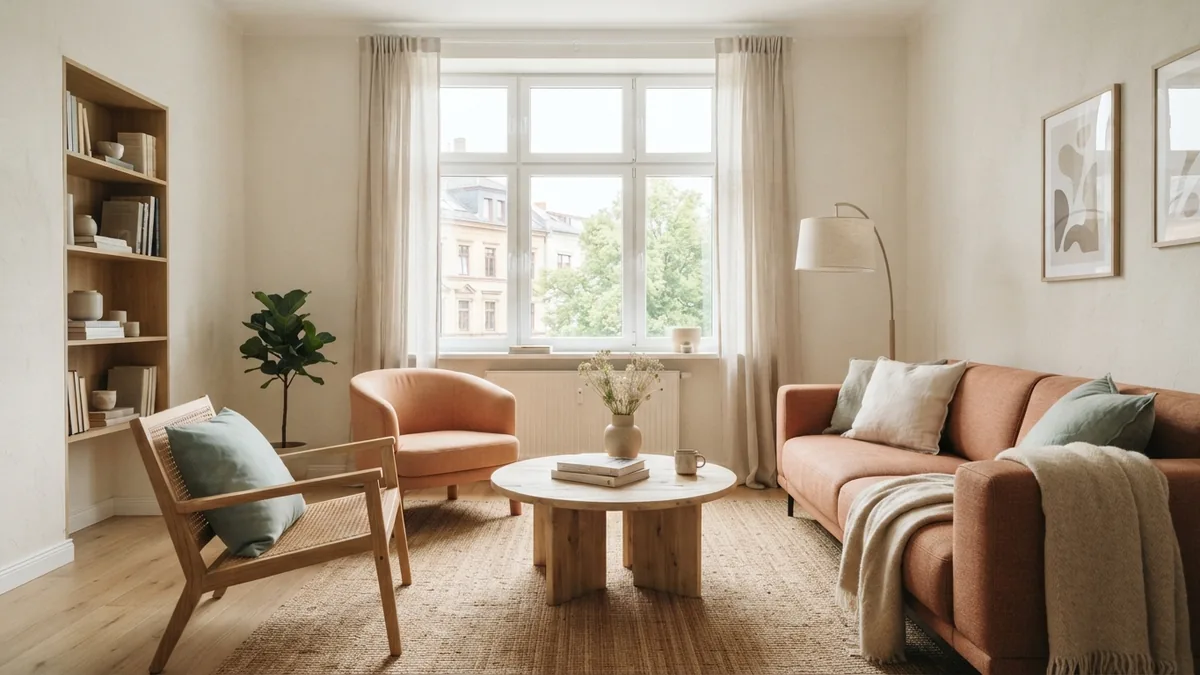
Choose Calm Colors and Tactile Textures
Begin with a quiet base such as warm white, cream, oat, or soft beige. Add one or two muted accents. Sage, terracotta, and warm peach can bring color without taking over.
Repeat accent colors in a few places. A sage cushion might echo a plant or a ceramic bowl. This small link makes the room feel considered. Keep bold shades to items that are easy to replace.
Texture adds depth when the palette stays calm. Pair a linen sofa with a wool rug and a pale oak table. Cotton curtains and a ceramic lamp bring more contrast. These textile choices make simple colors feel rich.
Balance matte and grainy finishes. A soft plaster wall can sit beside visible wood grain. Brushed metal adds a quiet glint. If a rug has a strong pattern, keep nearby cushions and curtains simple.
Check fabric samples in the room before buying. Daylight can shift a color from morning to evening. For a busy home, look for washable covers and hard-wearing rugs. Choose care needs that fit your routine.
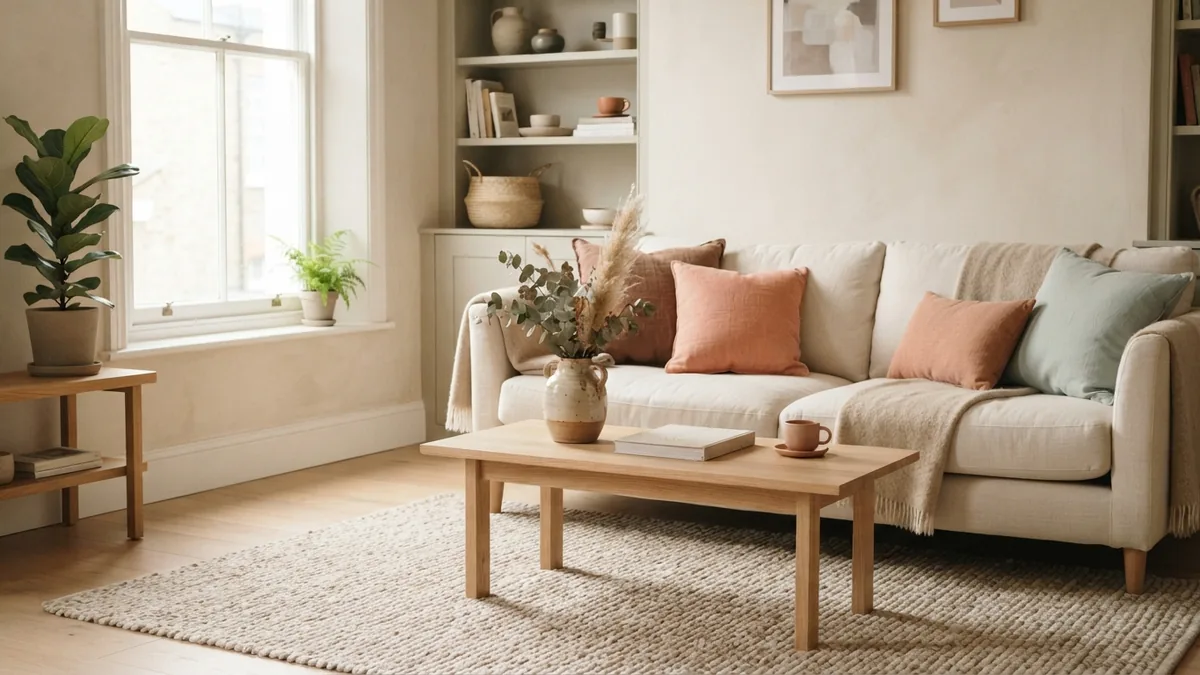
Select Furniture That Fits the Room
Choose the sofa first, then build the seating around it. A low sofa with a simple shape can suit modern living room decor ideas. Check its depth and height, not just its length. A deep seat may feel cozy but can crowd a small room.
Add chairs that suit the sofa’s scale. Two slim chairs can balance a long couch. In a small space, one chair and a footstool may leave more floor open. Avoid buying a full matching set.
Look for sturdy frames and materials that suit your home. Contemporary furniture can mix wood, linen, and metal without looking busy. A coffee table with a shelf can hold books or a tray. Round tables can make tight paths easier to cross.
Set the seats close enough for easy talk. Keep the coffee table within a comfortable reach. A movable stool can work as an extra seat or a side table. Choose functional furniture that earns its place.
Scale matters more than the number of pieces. A large rug can tie the seating group together. A rug that is too small can make the room feel scattered. Leave some bare floor around the edges.
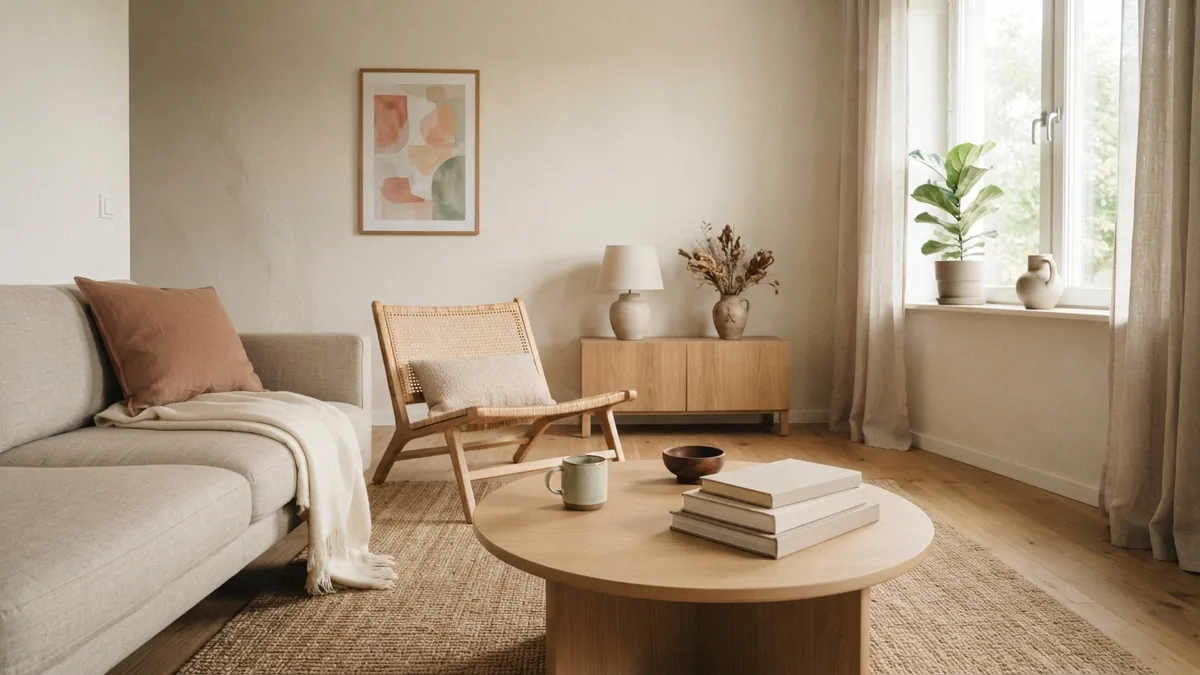
Use Accessories With Care
Choose a few decorative accessories that add shape, color, or meaning. On a coffee table, group a low bowl with a small vase and a few books. Leave space around the group. Crowded surfaces can make even a large room feel busy.
Repeat materials found elsewhere in the room. A wood frame can echo the coffee table. A ceramic vase can relate to a lamp base. These links create a cohesive look without making every item match.
Use storage to keep daily clutter out of sight. Baskets can hold throws, while closed cabinets hide small items. Leave favorite objects on display. A few personal pieces feel more striking than a crowded shelf.
Step back after arranging accessories. Remove one item if the surface feels full. This quick edit helps the main shapes and textures stay clear.
Add Art and Plants for Balance
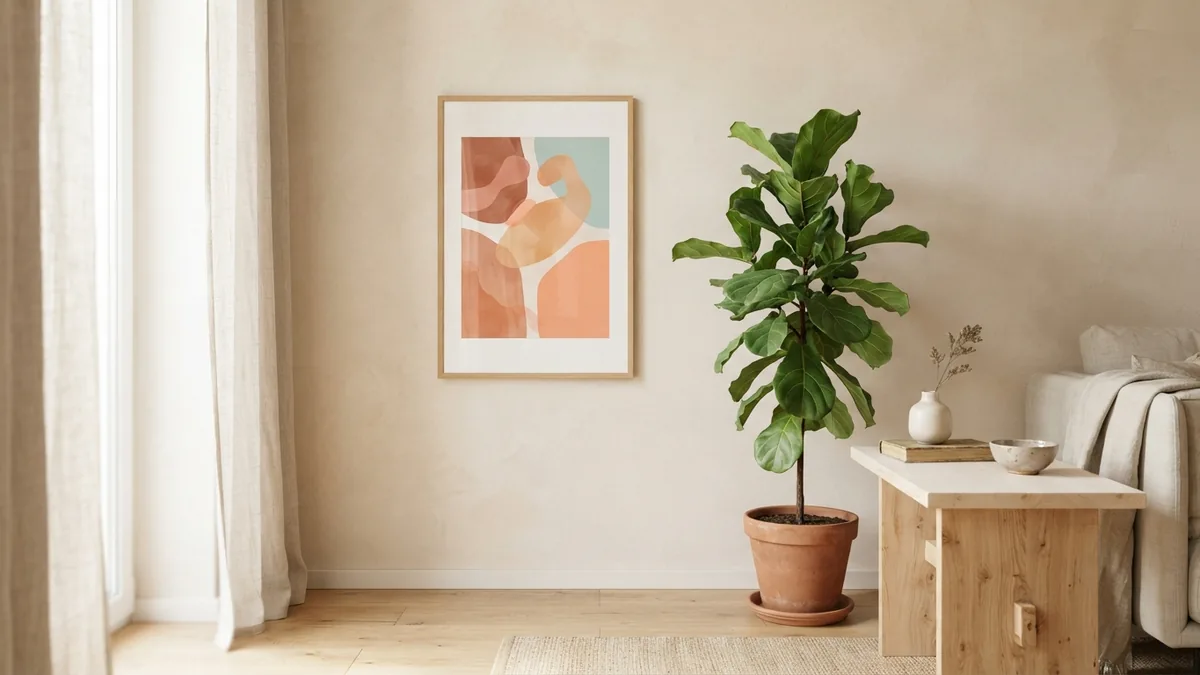
Art can bring color and character to a restrained room. Choose a piece that suits the wall and nearby furniture. Hang it at eye level, and give it space on each side. One larger work often feels calmer than a tight cluster.
For a gallery wall, keep a link between the pieces. Similar frames, colors, or subject matter can help the group feel joined. Lay out the arrangement on the floor first. This makes it easier to judge gaps and scale.
Plants add a natural shape and a softer note. Pick a plant that suits the light in that spot. A tall plant can fill an empty corner, while a small one can sit on a shelf. Keep leaves clear of walkways and key views.
Art and greenery work best when they have room around them. Avoid filling every wall or shelf. That breathing space keeps the room light.
Finish With Light and Comfort
Use more than one kind of light. A ceiling fixture can light the whole room. A floor lamp can help with reading, while table lamps add a softer glow near seats. Warm bulbs help the room feel inviting.
Let daylight shape the layout where possible. Keep window coverings simple and easy to open. Light curtains can soften the view without blocking too much sun. Place mirrors where they can reflect daylight into darker areas.
Finish by testing the room at different times of day. Sit in each main seat and check the lighting, paths, and table reach. Move anything that feels awkward. Good tips for modern living room design should make daily use easier.
Creating a modern living space is a process of editing. Keep what serves a need or brings real pleasure. With useful furniture, warm textures, and a few personal details, the room can feel both calm and lived in.
Frequently asked questions
- How do I decorate a modern living room?
- Begin with the room’s main use and focal point. Add well-sized furniture, a calm color palette, layered lighting, and a few personal details.
- What colors work well in a modern living room?
- Warm white, cream, oat, and soft beige make a calm base. Add muted colors such as sage or terracotta in a few repeated accents.
- How do I make a modern living room feel cozy?
- Layer fabrics such as linen, cotton, and wool. Use warm bulbs, natural wood, and a few objects with personal meaning.
- How should I arrange furniture in a modern living room?
- Place the largest pieces around a focal point and keep paths clear. Arrange seats close enough for easy conversation, then add a rug to define the group.
- How can I decorate a small modern living room?
- Measure before buying and choose furniture that fits the room. Slim chairs, nesting tables, and clear walking paths can preserve useful floor space.
Related reading
Console Tables — Placement, Styling and Smart Storage
Choose the right spot, size, and styling for a console table that works.
Small Kitchen Costs — Prices, Choices and Budget Tips
Compare small kitchen prices, key cost drivers, and ways to keep a remodel on budget.
Dining Table Clearance — Space for Chairs and Walkways
Plan table and chair clearances for a dining area that feels comfortable.