Living Room Wall Art Ideas: Hangings, Shelves, and Layout Tips
Fresh living room wall art ideas with hangings, shelves, and vaulted-ceiling tips.
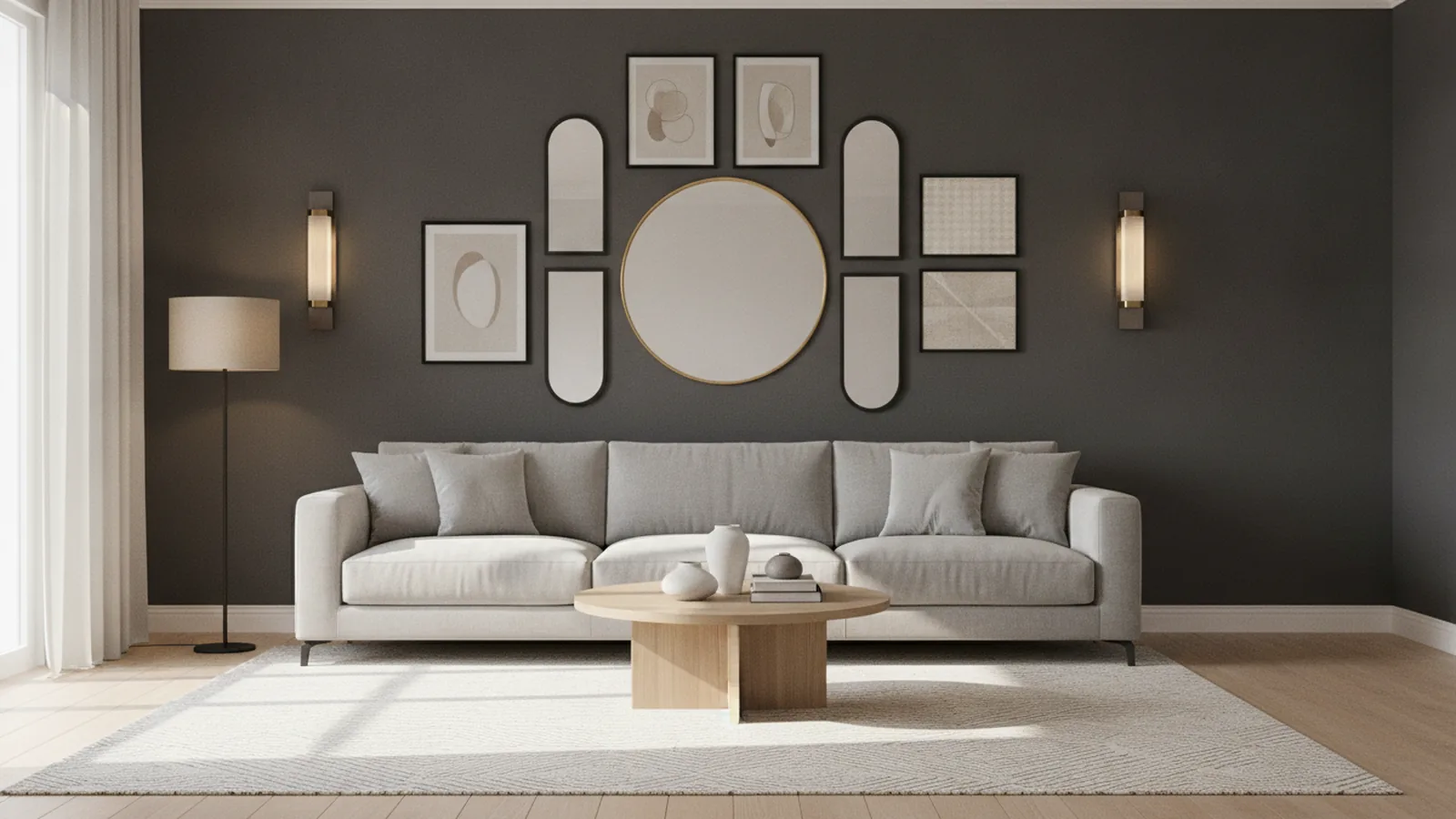
Choosing the right wall hangings for your living room
If you want a room that feels finished fast, start with one clear wall focal point. Then build around it with smaller pieces that match your style and pace. The simplest path is to choose a main artwork first, then plan supporting pieces using size and spacing rules.
Wall hangings do more than fill empty space. They pull the eye toward seating, add texture, and can even make the room feel bigger or warmer. Well-chosen art also helps other decor feel intentional, not random.
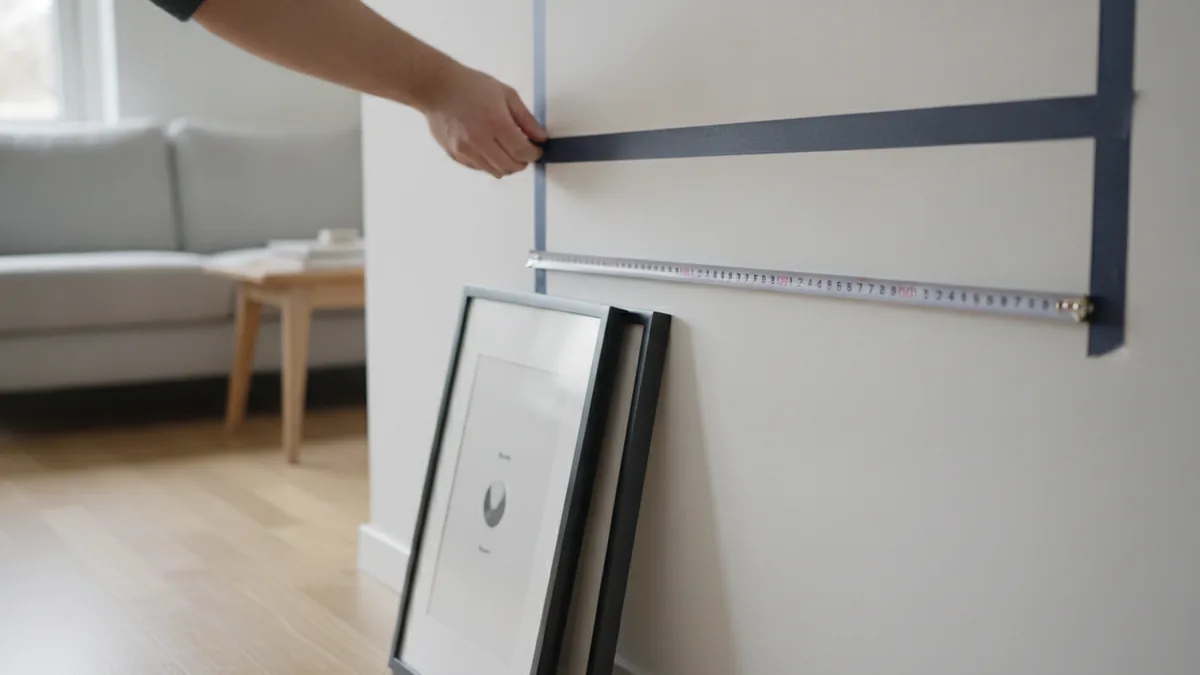
Before buying, measure the wall you plan to use. Use painter’s tape to outline the footprint of your main piece. This quick step prevents the most common mistake, which is hanging art that looks too small from the sofa.
- Pick a focal piece based on your sofa or mantel width.
- Plan for at least one “anchor” frame or artwork.
- Use a tape mock-up to test scale before drilling.
Popular styles of wall hangings (and when to use each)
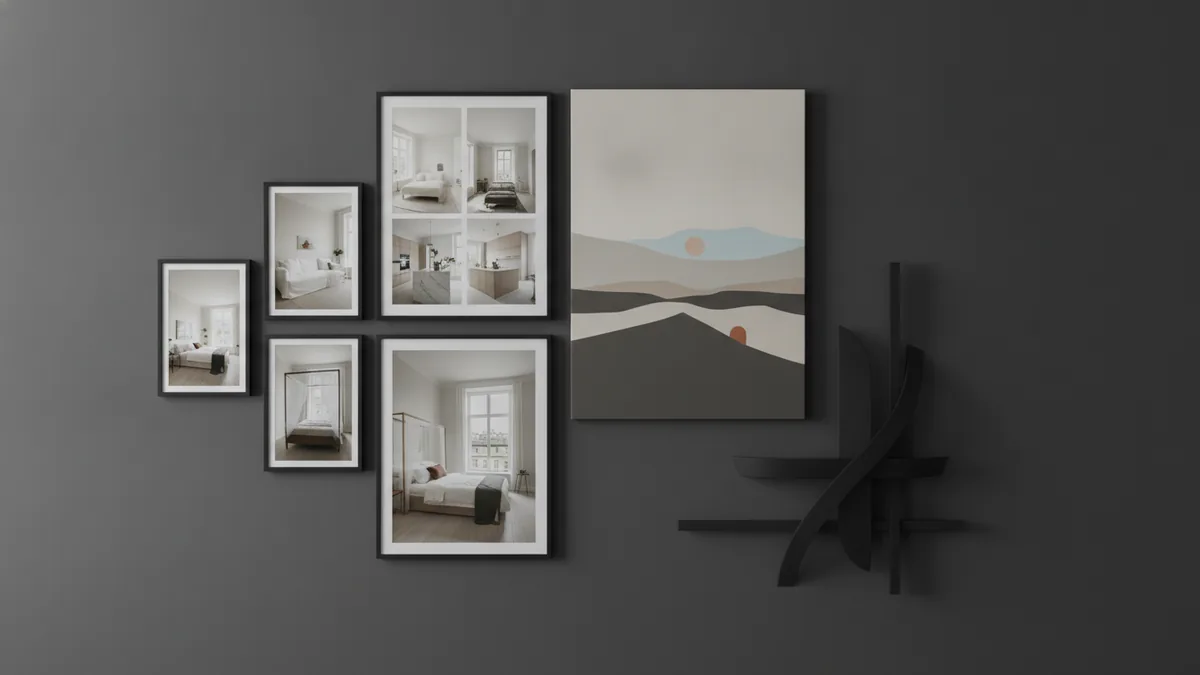
Different styles create different moods. Canvas art feels relaxed and modern. Framed photos bring warmth and memory. Wall sculptures add depth, especially when they cast real shadows.
Mirrors are a special case. They can brighten a living room that lacks natural light, and they add a “second surface” that reflects your decor. Use mirrors when you want the wall to do more than look pretty.
Mixing styles can work, but keep one element consistent. That could be the frame color, the artwork palette, or the overall scale. Consistency is what makes a gallery wall feel curated.
Canvas art
Canvas prints and stretched canvases work well when you want soft texture without a lot of hardware. They look great above sofas and in casual layouts. For best impact, choose pieces that are wide enough to balance the seating area.
Framed photos
Framed photos are ideal for personal storytelling. Use consistent mat colors or a single frame finish to keep the set cohesive. If you’re unsure, start with one larger family photo and build outward with smaller frames.
Wall sculptures
Three-dimensional pieces add visual weight. They look best when you can see them from multiple angles, not just straight on. Leave a little space around them so shadows don’t blur the shape.
Mirrors
Mirrors pair nicely with art because they reflect light and extend the visual scene. For living rooms, many people choose a large mirror or a cluster of smaller ones. Just keep the mirror style aligned with your frame choices.
Practical tips for hanging art: height, spacing, and arrangements
Start with height. A common rule is to place the center of the artwork about 57–60 inches from the floor. If your sofa is low or you have a tall media console, adjust slightly so the art feels level with eye line.
Spacing matters just as much as height. For a gallery wall, keep the gaps between frames about 2–4 inches when pieces are similar sizes. If you mix sizes, tighten the spacing between smaller frames and use wider spacing around the largest anchor.
Arrangement technique tip: do it on the floor first. Lay your pieces out on the rug and take a photo. Then compare the photo to your wall from the sofa, so the layout matches how you actually view it.
- Measure your wall and mark your sofa center line.
- Mock up on the floor using tape outlines or paper templates.
- Set the height by aiming for a 57–60 inch center point.
- Confirm spacing with a ruler or printed paper spacing guides.
- Hang the anchor first, then add supporting pieces around it.
| Goal | Layout approach | Quick spacing rule |
|---|---|---|
| Create a focal point | Single large artwork or mirror | Keep edges balanced with sofa width |
| Make a gallery wall | Mix sizes in one shape group | 2–4 inches between similar frames |
| Add movement | Stagger heights slightly | Keep “top line” visually aligned |
| Add depth | Include 3D wall sculpture | Leave extra breathing space around it |
If you’re working with multiple frames, consider using a grid mindset. A simple grid makes “decorating walls with pictures” feel organized instead of crowded. You can still vary sizes, but the overall footprint should hold together.
Create a cohesive look with color palettes and themes
A cohesive living room wall art design usually starts with a palette. Choose 3–5 colors that already appear in your textiles, rug, or sofa. Then match your art to those colors using frames and mat tones as the bridge.
Themes make curation easier. You can go with nature prints, city scenes, abstract shapes, or a “travel memories” set. Even if the images vary, the theme ties the wall together and makes it easier to keep adding pieces later.
One practical move is to “anchor” the palette in the main piece. If your main artwork has warm neutrals and deep green, look for frames that echo warm wood or muted black. This reduces the mental load of choosing every frame from scratch.
- Pick 3–5 colors from existing home decor.
- Repeat one frame finish across most pieces.
- Use mats to unify mixed image styles.
- Choose one theme to guide future additions.
Gallery wall cohesion improves when you control contrast. Mix light and dark pieces, but keep the overall brightness balanced. If everything is bright, the wall looks busy. If everything is dark, it can feel heavy.
Incorporating wall shelves and decor (including plants and books)
Wall shelves give you flexibility, especially if you like changing decor seasonally. They also help when your wall has awkward proportions. A shelf can act as a “platform” for wall art, so the whole area looks styled, not flat.
If you’re wondering how to decorate living room wall shelves, start with a plan for height levels. Keep the bottom shelf around 12–18 inches above the sofa arm line when possible. Then vary items by size so small objects don’t disappear.
Use shelves to blend everyday life with curated display. A stack of books adds structure. A small plant adds softness. A framed photo or mini artwork ties the shelf to the rest of your wall design.
Simple shelf styling formulas
- Plant + book + art: one plant, one vertical book stack, one small frame.
- Collector look: group 3–5 small objects of similar color tones.
- Color block: place books in one color family, then add one contrasting piece.
Practical placement tips
- Leave 2–3 inches between shelf edges and stacked items.
- Keep one item centered if you want a calm look.
- Use book spines for texture, not just storage.
If you want a gallery wall effect without a grid of frames, combine one wider artwork with how to use wall shelves in living room styling below it. That approach creates a layered look that still feels tidy.
Ideas for high ceilings and vaulted ceilings (using vertical space)
High ceilings can make a living room wall feel small unless you use height on purpose. For how to decorate a living room wall with vaulted ceilings, think vertical first. Choose artwork that is taller, or build a stacked arrangement that reaches toward the ceiling.
Vaulted spaces often look best with fewer, larger pieces rather than many small ones. A tall framed print or a vertically oriented mirror can bridge the gap between seating and ceiling. If you prefer a gallery wall, stretch it vertically and keep a clear anchor.
Another option is to use the “ladder” layout. Place one main artwork at a slightly lower height, then add smaller pieces above and around it. This uses the slope of the ceiling without losing alignment.
- Prefer tall art or vertical frame shapes.
- Use one large anchor, then add smaller supports.
- Angle-adjust the layout so it feels level from the sofa.
- Leave enough margin near the ceiling line for breathing room.
When your wall is very tall, consider a mix of art and negative space. Empty space is part of the design. It makes the pieces look intentional and keeps the wall from feeling like a backlog of frames.
Personalizing your space with photos and curated art
Personalization is what turns home decor into your home. Start by mixing personal photos with curated art. That means you keep some pieces purely aesthetic and others purely meaningful.
If you’re decorating empty walls in living room, a common winning plan is one larger photo as an anchor. Then add 4–6 artworks around it, including one or two abstract pieces to balance the emotional weight of photos. The goal is to avoid a wall that feels like only “memories” or only “style.”
To keep the wall unified, match the print size and frame finish across your photo set. You can also use consistent mat colors to smooth out differences in photo tone. If your photos are colorful, pair them with artwork that has similar brightness.
- Choose one personal photo that fits your palette.
- Select 2–3 curated pieces that share colors or themes.
- Build a gallery wall footprint on the floor before hanging.
- Use a consistent frame style, even if images differ.
Finally, remember that personalization can be gradual. If you’re unsure, hang the anchor now. Then add pieces over time as your taste and collection grow.
As a bonus idea, you can reuse the same rules in other rooms. The same approach works when you’re learning how to decorate empty wall in bedroom. Keep one focal piece, then layer smaller items using height and spacing.
Frequently asked questions
- What height should I hang wall art in my living room?
- A good starting point is about 57–60 inches from the floor to the artwork center. Adjust up or down based on your sofa height and how the art sits in your sight line.
- How do I decorate a living room wall with pictures without it looking messy?
- Use a clear gallery footprint, like a rectangle or a vertical stack. Keep spacing consistent and choose matching frame finishes or mat colors.
- What is the best way to arrange a gallery wall on a tall or vaulted wall?
- Go vertical with taller frames and a larger anchor piece. Leave breathing room near the ceiling and aim for a layout that feels level from the sofa.
- How do I use wall shelves in a living room with wall art?
- Style shelves in layers using height changes, like a plant, stacked books, and one framed item. Keep shelf items spaced so they read clearly from the seating area.
- Should I mix personal photos with curated art on the same wall?
- Yes, if you unify the palette and frame finish. Pick one larger photo as the anchor, then surround it with art that shares colors or a theme.
- Can shelves help decorate empty walls in a living room?
- Absolutely. Floating shelves add both storage and visual structure, especially when paired with one main artwork above or beside them.
Related reading
Kitchen Cabinet Tops — Style, Texture and Seasonal Charm
Style cabinet tops with balanced layers, useful texture, and decor that suits your kitchen.
Couch Placement—Flow, Focus and Comfort
Place your couch to frame a focal point, keep paths clear, and make the room feel balanced.
Master Bedroom — Color, Comfort and Personal Style
Build a calm, personal bedroom with smart choices and a budget that works.