How to Decorate a Tall Wall in a Living Room (Tall Room Ideas)
Tall wall decor ideas: color, art, lighting, vertical shelves, and personal touches.
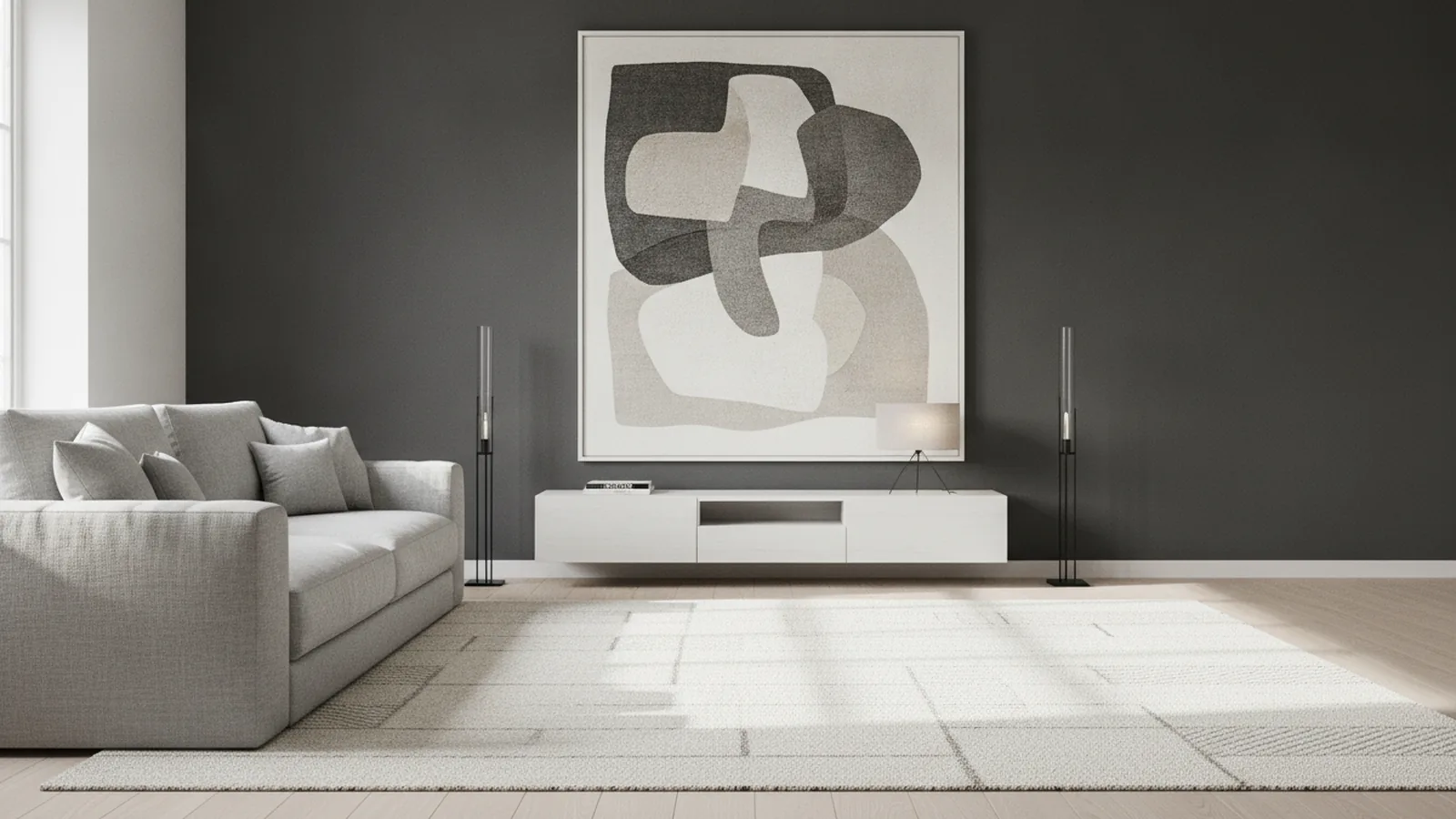
If your living room has a wall that feels too tall, start by building a strong visual “anchor” near eye level. Then extend the design upward with color, art placement, and lighting that pulls the eye. This approach is the fastest path to how to decorate a tall wall in living room without making the space feel cavernous.
Below are practical tall living room decor strategies you can use in a living room or a family room. They work whether you have an entire blank stretch or you are updating one high focal wall.
Understanding what counts as a tall wall
A “tall wall” in a living room is usually any wall that is visually out of scale with your seating height and existing decor. In practice, that often means ceilings above 9 feet, or a wall height that is noticeably more than double the height of your sofa back.
Also notice how much blank area you see when you sit down. If you frequently feel your eyes drift upward with no landing spot, the wall probably needs a purpose-built layout. Decorating tall walls is less about filling every inch and more about creating rhythm from the bottom to the top.
- Ceiling height cue: 9+ feet ceilings often create a tall-wall effect.
- Seating cue: If sofa backs sit far below the midpoint, add vertical structure.
- Visual cue: If the wall shows more emptiness than decor, treat it as a focal zone.
Finally, measure the wall height and width before you pick decor. Even simple planning helps you choose art that reads at a glance from your seating distance.
Color choices that make height feel intentional
Color theory matters because your brain uses contrast to judge distance. Bright or warm tones can make a wall feel closer. Cooler or deeper tones can make it feel wider and more dramatic.
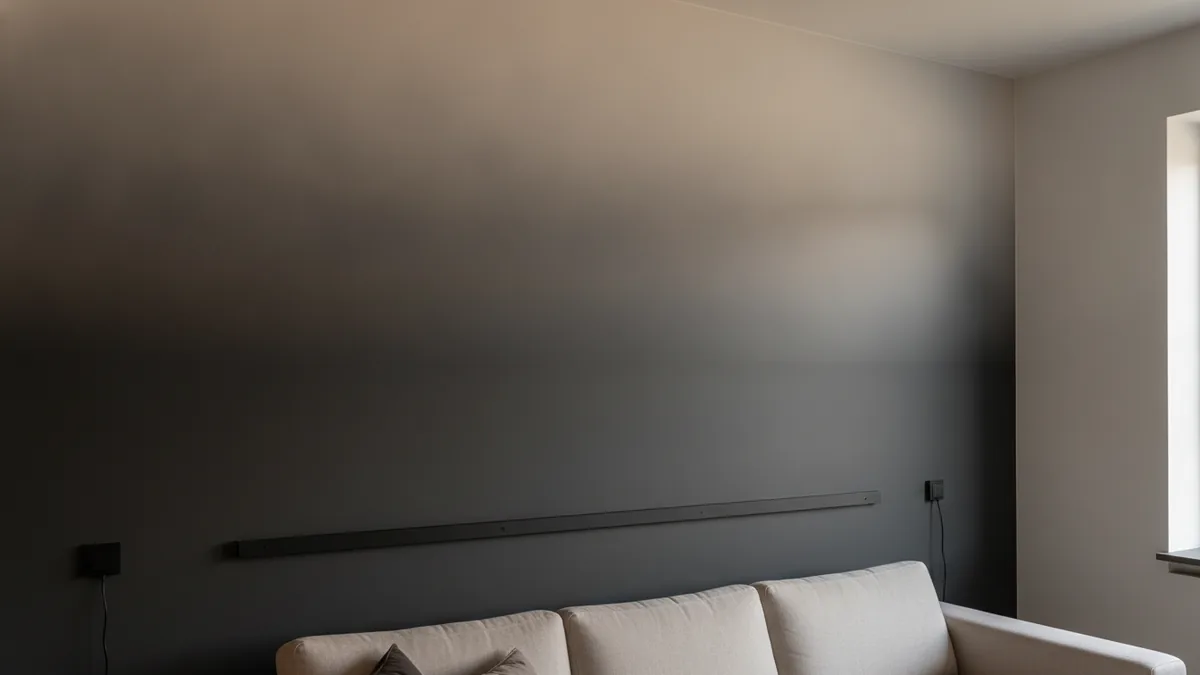
For many homes, the safest starting point is keeping the wall’s base tone consistent, then using paint techniques to shape perception. A popular option is a darker “value band” near the top, fading or stopping before the ceiling. This gives you a controlled transition instead of a harsh divide.
Another reliable method is using color to define sections. For example, you can paint the wall one color, then add a trim line or art rail to create a visual layer where your artwork sits.
- To reduce “endless height”: slightly warm neutrals, matte finish, and an art anchor.
- To emphasize drama: deep paint on the wall and lighter accents around frames.
- To add dimension: subtle two-tone bands or an off-white top transition.
If you are unsure, test paint in a small square on the wall. Observe it at morning light and evening light. Matte often reads more natural and hides glare, which matters on tall surfaces.
Selecting artwork and decor for big vertical spaces
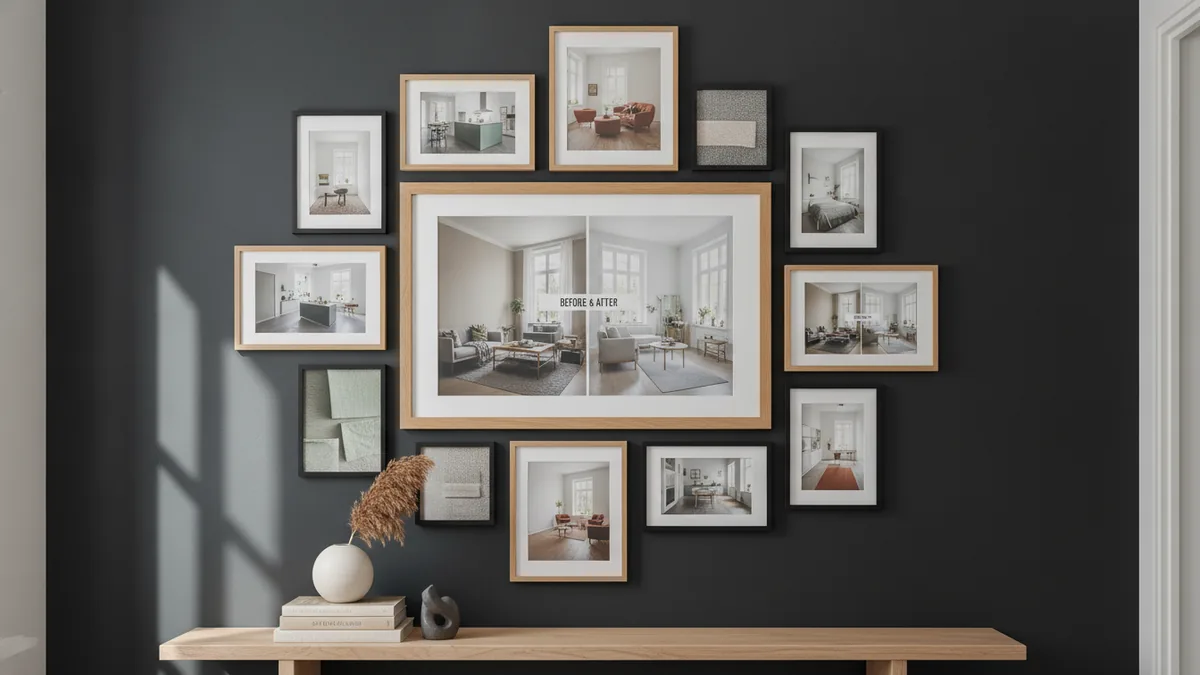
The goal of art placement is simple. Give the eye a landing point, then let it travel upward. For taller walls, oversized pieces and multi-piece gallery walls are usually more effective than small, scattered frames.
Oversized artwork works best when the piece spans a meaningful portion of the wall. A practical guide is to choose art that is roughly two-thirds the width of the wall space you plan to use. For height, aim for at least one large piece that rises above the sofa back height by several inches.
Gallery walls can also shine, but you should design them with vertical structure in mind. Keep frame spacing consistent, then place larger works near the center and stack smaller pieces above. This helps the arrangement feel tall-room decor worthy, not random.
If you prefer decor beyond framed art, use vertical wall elements like tall mirrors. A mirror placed at an angle can reflect light and make the space feel more open. Just avoid placing it so high that it only reflects the ceiling.
| Decor type | Best use | Quick sizing tip |
|---|---|---|
| Oversized single piece | Clear focal point for blank walls | Pick width about 60–70% of usable wall width |
| Vertical gallery wall | Family rooms that need personality | Use one “hero” piece and balance with smaller frames above |
| Tall mirror | More light and depth | Top should sit below ceiling line by 8–18 inches |
| Textured wall art | Cozy warmth without heavy color | Mix matte textures with framed elements |
For tall family room decorating, consider artwork that withstands daily life. Think durable frames, washable finishes, and pieces that look good even when they are viewed quickly.
Furniture arrangement tips to balance the room
Your furniture design directly affects how wall height is perceived. If seating is low and the wall is tall, the wall can dominate the room. If seating has a stronger visual presence, the wall feels like part of a composed space.
Start by planning your viewing height. Sit on your main seating and look at the wall. If the artwork area sits too high, lower it. If the wall feels empty below, add a console, credenza, or a low shelf to create an intentional base.
Next, think about how far your furniture sits from the wall. A little breathing room helps tall walls feel layered, not pressed. But too much distance can make the wall look even taller.
- Create a visual base: Add a console table, low cabinet, or media unit under the art zone.
- Match widths: Choose furniture that is wide enough to balance the wall section.
- Consider sofa height: Taller backs and thicker cushions reduce the “floating” wall feeling.
- Use rug boundaries: A rug that reaches under the front legs helps anchor the space.
For open space living layouts, floating seating can amplify scale issues. Try placing the main sofa so it still forms a clear block in front of the wall. Then keep decor concentrated in that block’s height range.
Using lighting design to draw attention upward
Lighting design is one of the most effective ways to decorate a tall wall in family room settings. Good lighting creates a soft path for the eye, instead of letting the upper wall feel ignored.
Wall sconces can frame tall art or create a gentle gradient upward. Pendant lights can also work if ceiling clearance allows. The key is spacing and placement so the light feels intentional, not accidental.
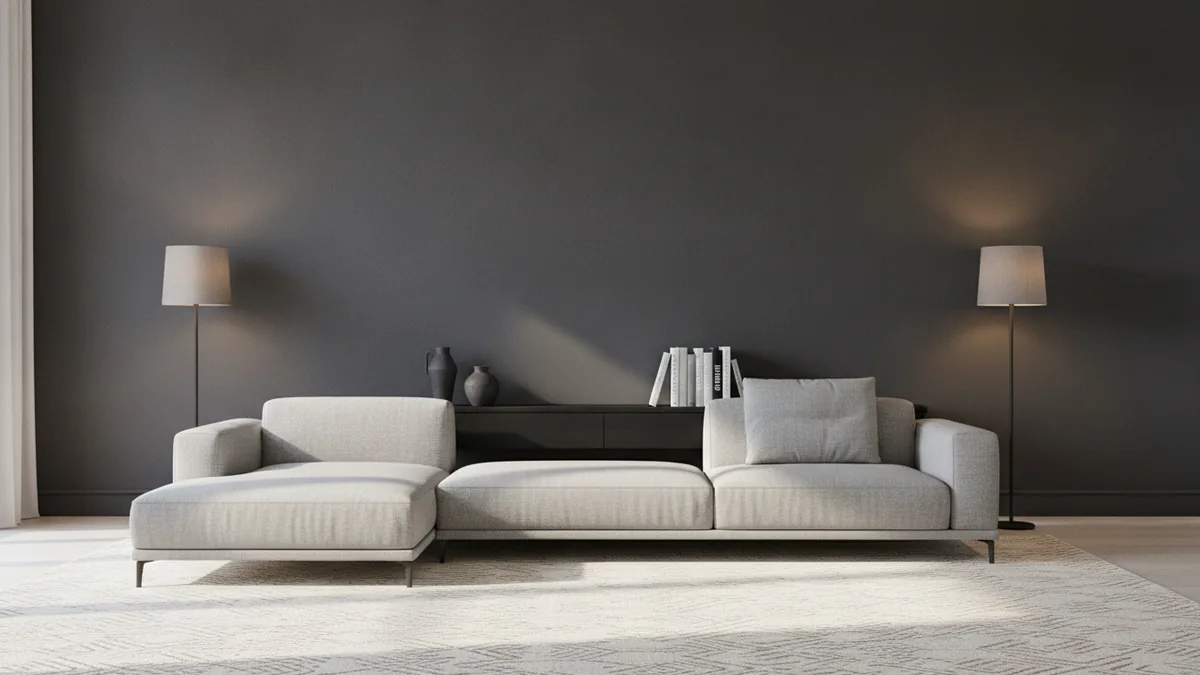
In many rooms, you get the best results with layered lighting. Pair overhead lighting with wall lighting and a floor lamp that targets the wall. This makes the wall feel like it belongs to the light plan, not just the decor plan.
- Sconces: Place them so the light center lines up with the art’s midpoint.
- Pendants: Use one focal pendant or a pair above a seating area, not directly over thin consoles.
- Wall wash: A recessed or track light aimed upward can reveal texture.
- Warm bulbs: Choose warmer color temperatures for a cozy family room mood.
Before buying fixtures, test the idea with a phone flashlight after dark. Aim the beam at the wall and stand where you sit. If the light makes the wall feel layered, you are on the right track.
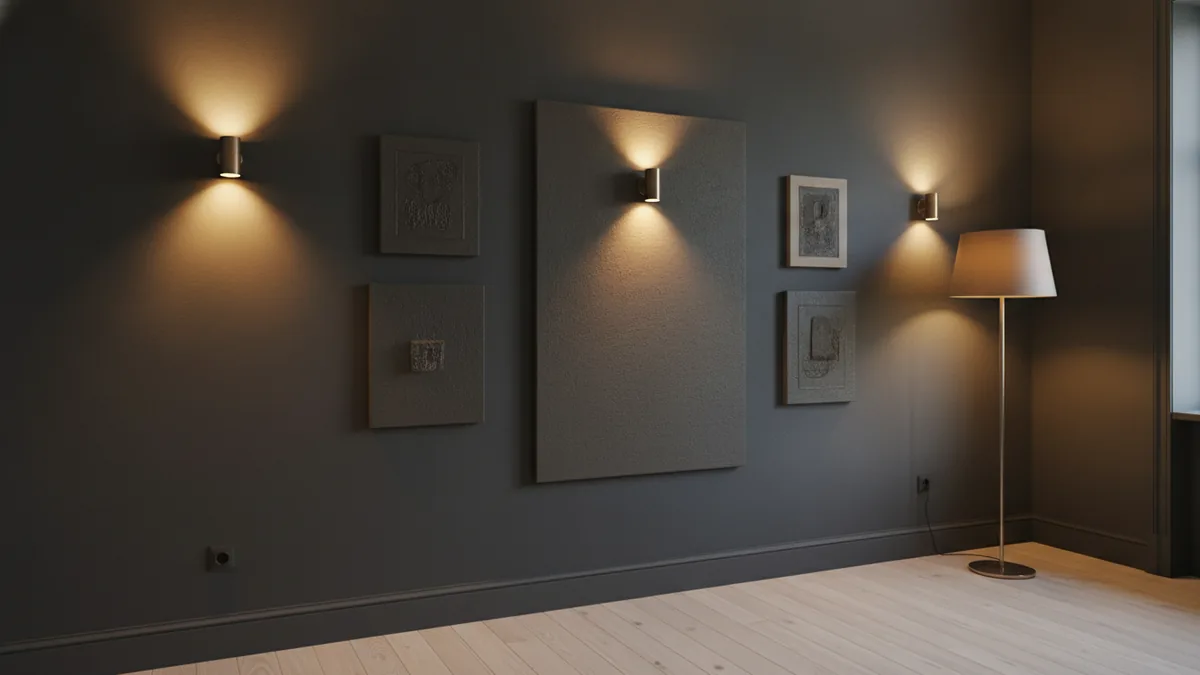
Incorporating vertical elements that extend the look
Vertical design elements are the secret weapon for decorating tall walls. They build continuity from floor to ceiling and reduce the “blank runway” effect. When done well, the tall wall looks designed rather than empty.
Vertical shelving can create both function and structure. Use slim shelves or bookshelves that reach close to the ceiling. Then arrange items with height in mind, mixing tall objects with flatter ones to avoid a lopsided silhouette.
Tall plants can also add living texture. Choose plants that naturally grow upright, and place them near the wall so their growth direction matches the wall’s height. This works especially well when your artwork is strong, but you want something softer than frames.
Consider tall floor lamps too. If your lighting is close to the wall, the lamp can act like a vertical “divider,” helping the room feel balanced.
- Vertical shelves: thin profiles keep the wall from feeling heavy.
- Books with mixed heights: stack by size, not by color alone.
- Tall plants: use planters that complement frame colors and finishes.
- Floor lamps: pick bases that echo the wall’s shape and scale.
If you want home decor trends, this is one that stays relevant. Clean vertical lines and natural textures feel current because they support how you actually live in the room.
Final touches and personalization that make it feel like you
The best tall living room decor never feels generic. After you set your color, art placement, and lighting plan, add unique items that tell a story. Personalization in decor is what turns a strategy into a space you want to spend time in.
Use small “supporting” details to connect everything. For example, if your art has warm browns, add a vase or ceramic on the console with a similar tone. If you chose sleek black frames, echo the finish in lamp bases or shelf brackets.
Finally, refine the composition. Step back and check sightlines from the doorway and from your seating. Then adjust one element at a time: move the art up or down a few inches, swap smaller pieces for larger ones, or add a light source to brighten the upper third.
When you repeat the same care cycle, decorating a tall room becomes less intimidating. You end with an intentional wall that supports the room’s balance, not a tall wall you avoid thinking about.
If you are still stuck, choose one direction and commit. Either go bold with a deep wall color and oversized art, or go layered with vertical shelves and softer lighting. Both paths work, as long as the wall has a base anchor and an upward journey.
Frequently asked questions
- What height counts as a tall wall in a living room?
- In a living room, a tall wall often means a wall height that clearly exceeds your seating scale. As a rule of thumb, ceilings around 9 feet or more tend to create that effect.
- How do I decorate a tall wall in a living room without making it look empty?
- Start with a strong anchor near eye level, like oversized art or a vertical gallery. Then extend the design upward with color, lighting, and vertical decor.
- How should I place artwork on a tall wall?
- Use one oversized piece or a vertical gallery with a hero frame near the center. Ensure the main art area rises above the sofa back for a balanced look.
- What color choices work best for decorating a tall room?
- Warm neutrals and matte finishes reduce harsh “ceiling glare.” For drama, a deeper tone can work well, especially when you add a lighter transition near the top.
- Do sconces or pendant lights help with tall wall decor?
- Yes. Sconces placed near the art’s midpoint and upward light aimed at the wall create a natural vertical path.
- What vertical decor elements work for tall family room walls?
- Slim vertical shelving and upright plants add structure without clutter. Choose pieces that complement your art and keep the overall layout balanced.
Related reading
Couch Placement—Flow, Focus and Comfort
Place your couch to frame a focal point, keep paths clear, and make the room feel balanced.
Master Bedroom — Color, Comfort and Personal Style
Build a calm, personal bedroom with smart choices and a budget that works.
Room Painting Labor Costs — Rates and Budget Factors
See typical room-painting labor rates and learn what drives the final price.