Living Room Rugs—Style, Size, and Smart Shopping
Choose the right living room rug by size, material, style, and shop.
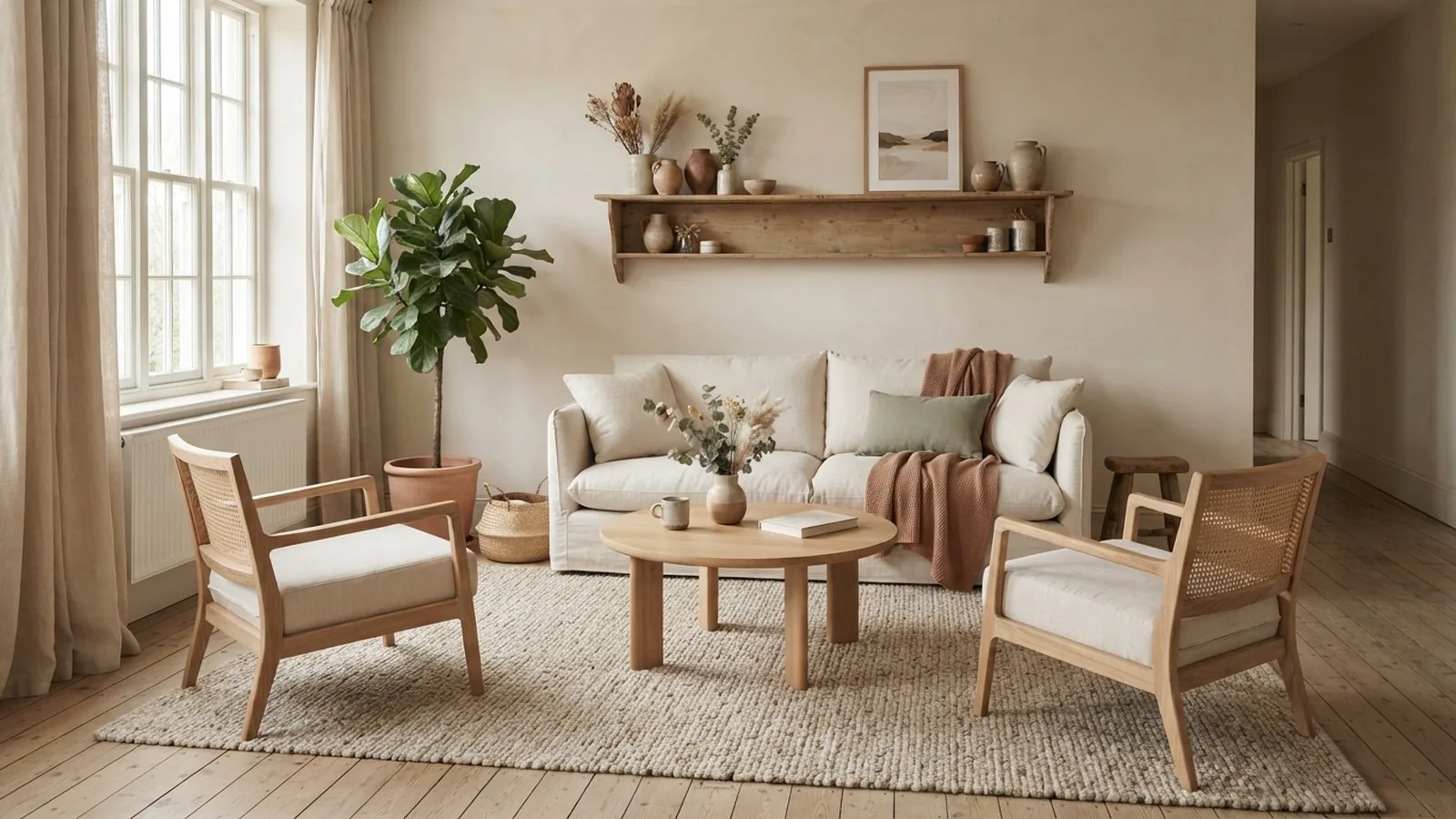
Types of Living Room Rugs
The best places to buy living room rugs include rug shops, furniture stores, home stores, and trusted online retailers. Start with your room style, then set a budget and measure the floor. This keeps rug shopping focused and helps you avoid a poor fit.
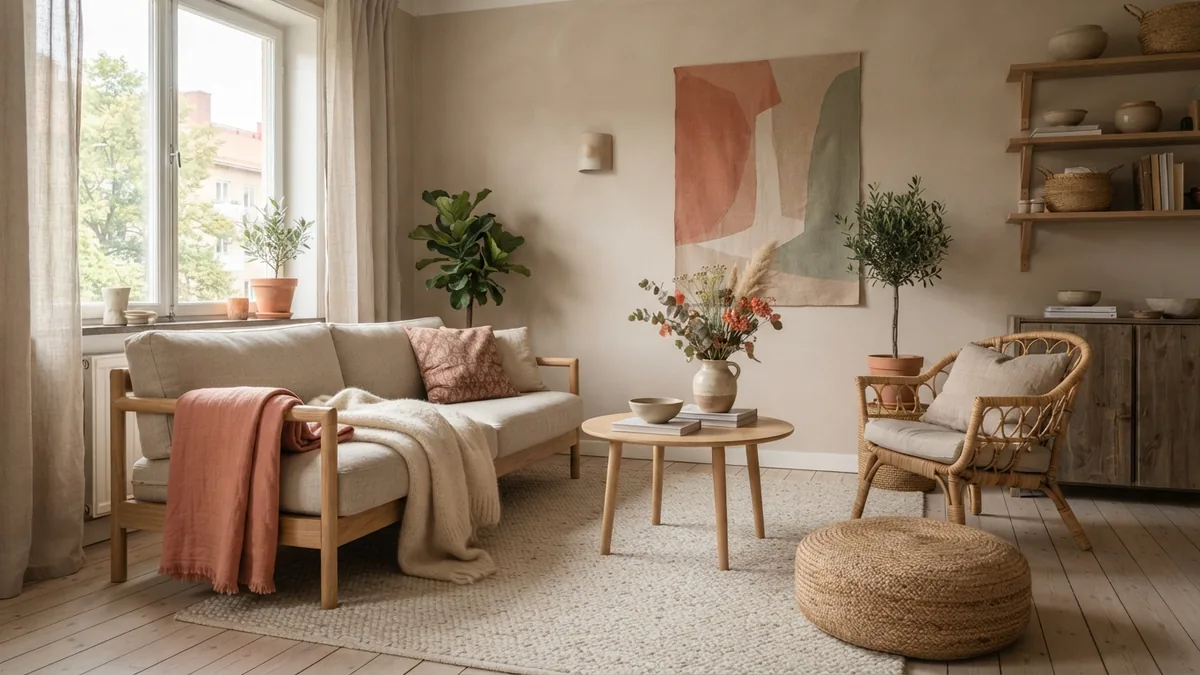
Plush rugs add softness and warmth beneath sofas and chairs. They suit calm, cosy rooms with little hard flooring. Jute rugs bring a woven look and earthy texture. Patterned rugs add colour, shape, and a strong focal point.
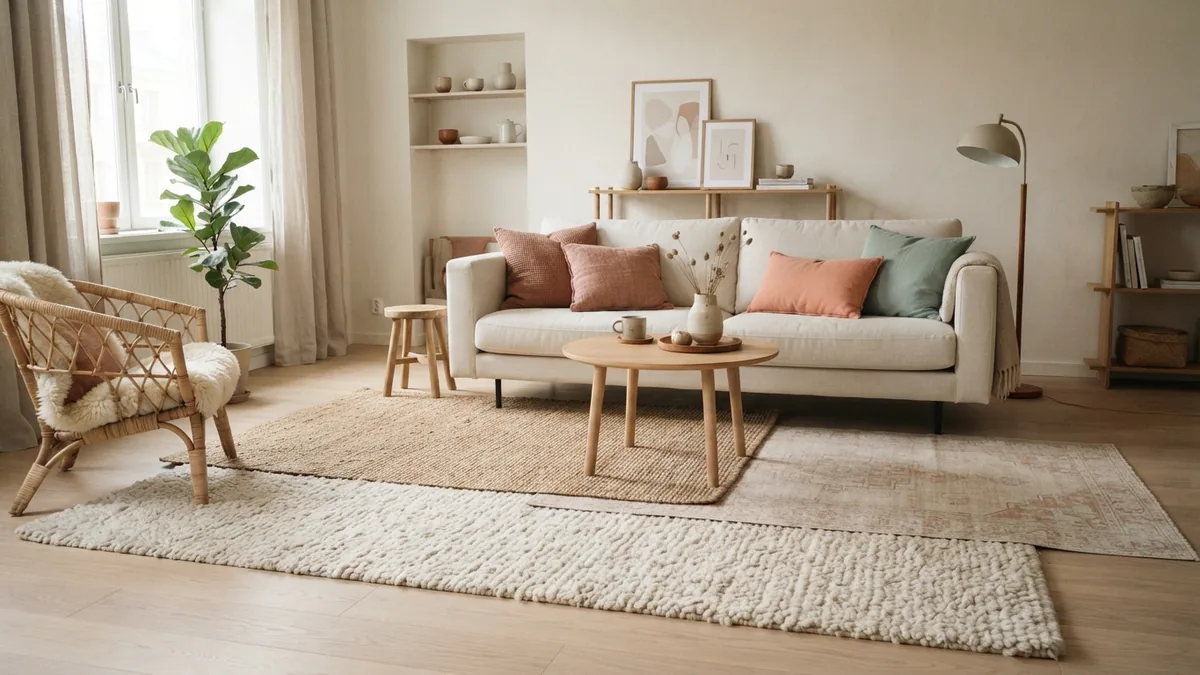
Choose a low-pile rug for a clean, modern room. Pick a higher pile when comfort matters most. A flatweave rug works well in busy rooms. It also fits beneath doors and furniture with less trouble.
Match the rug with your wider decor style. A muted pattern can soften pale furniture. A plain cream rug can calm a room with bold art. Keep the main colours linked to your curtains, cushions, or wood tones.
What to Consider Before You Buy
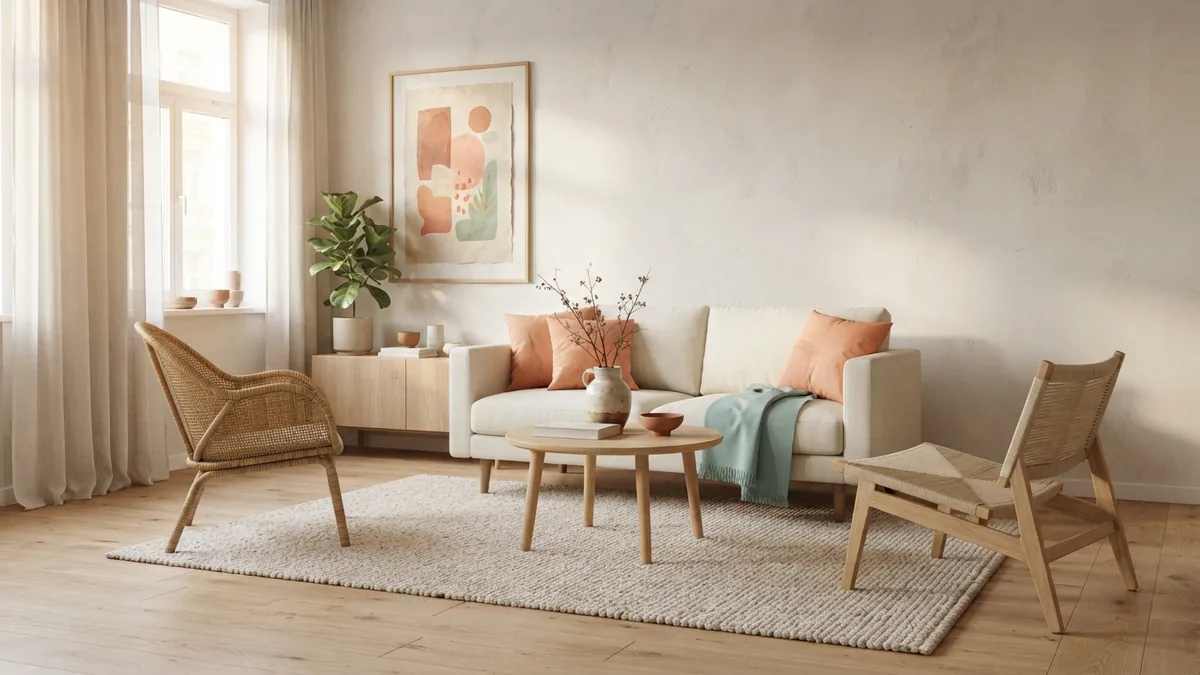
Think about daily use before you choose a style. Pets, children, muddy shoes, and heavy foot traffic can change the best material choice. A pale, deep-pile rug may look beautiful. It can also show marks and hold more dust.
Set a full budget before you browse. Include a rug pad, delivery, and possible cleaning costs. A pad helps prevent slips and protects the floor. It can also make a thin rug feel softer underfoot.
- Choose a darker or patterned rug for busy family rooms.
- Pick a flat weave when chairs move often.
- Check the care label before buying.
- Look for a return policy that covers the rug after inspection.
- Order samples when colour matching matters.
Consider how the rug will meet other furniture. Its edge should not create a trip point. Check nearby doors, vents, and floor outlets. These small details can rule out an otherwise good rug.
Where to Shop for Living Room Rugs
Online stores often offer the widest range of rug sizes, colours, and prices. You can compare many designs in one sitting. Customer reviews may reveal shedding, fading, or colour issues. Read recent reviews and check the return rules before you order.
Online colour can vary by screen and lighting. Ask for a sample when the store offers one. Place it near your sofa during the day and evening. This simple check can prevent a costly mismatch.
Physical stores offer one key benefit. You can see and feel the rug before you buy it. You can judge its pile, weight, texture, and true colour. This helps when online photos do not show the weave well.
Furniture stores can help you plan a full room. They may show rugs beside sofas, tables, and living room chairs. If you also need furniture, compare the total room scale rather than one item. Search terms such as where to buy living room furniture can help you find local showrooms, but keep rug fit as the main goal.
Choosing the Right Rug Size
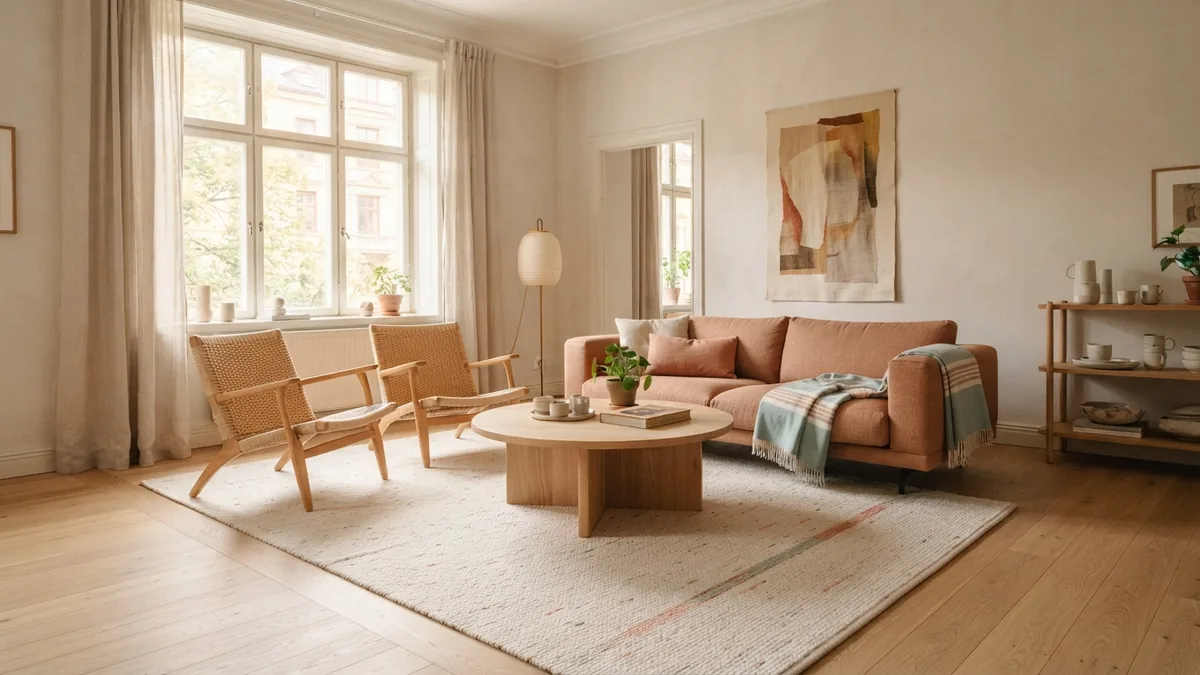
Rug size changes how large and settled a room feels. A small rug can make furniture seem scattered. A larger rug can link the seating area and make the room feel wider. Leave about 18 to 24 inches of visible floor between an area rug and the walls when space allows.
For most living rooms, place at least the front legs of each sofa or chair on the rug. This creates a clear seating zone. In a large room, place all furniture legs on the rug. The right choice depends on room size and your layout.
| Room or layout | Common rug size | Best use |
|---|---|---|
| Small sitting area | 5 by 7 feet | Front legs on the rug |
| Medium seating area | 6 by 9 feet | Sofa and chairs linked together |
| Large open room | 8 by 10 feet or larger | All main furniture on the rug |
To measure well, mark the planned rug edge with painter's tape. Keep the tape inside the sofa legs and away from door swings. Walk around the taped area before you order. This test shows how much floor space the rug will take.
Measure the room length and width first. Then measure the sofa, chairs, and coffee table. Write down the gap from each wall and walkway. This gives you a clear answer to what size rug to buy for living room layouts.
Rug Materials and Their Trade-Offs
Wool is soft, warm, and hard-wearing. It can hide small marks and keep its shape well. Quality wool rugs often cost more. New wool rugs may shed for a short time.
Cotton rugs feel light and often cost less than wool. Many can be washed, though you must check the care label first. Cotton can wear faster in busy rooms. It may also crease without a good pad.
Synthetic blends can offer strong stain resistance at a lower price. They suit homes with children, pets, or heavy foot traffic. Some blends feel less rich than natural fibres. Check the pile and backing before you buy.
Jute and other natural fibres add texture and a warm, earthy look. They work well with coastal, farmhouse, and Japandi rooms. They can feel rough under bare feet. They also need quick care after spills.
- Choose wool for comfort, warmth, and long wear.
- Choose cotton for a light rug and easy room changes.
- Choose a synthetic blend for stain resistance and value.
- Choose jute for texture and a natural look.
Simple Rug Maintenance Tips
Vacuum both sides of the rug when the care label allows it. Use the right setting for the pile. High suction can pull at loose fibres. Move furniture from time to time so wear stays even.
Blot spills with a clean cloth rather than rubbing them. Rubbing can push liquid deeper into the fibres. Test any cleaner on a hidden spot first. For a large stain, use a rug cleaner who knows the material.
Use a rug pad that fits the rug closely. Trim the pad so it stays hidden beneath the edges. Keep the rug dry and away from long, harsh sun. Rotate it every few months to reduce uneven fading.
Before storing a rug, clean it and let it dry fully. Roll it with the pile facing in when the maker allows it. Store it off the floor in a dry place. Good care helps an affordable rug last for years.
The best rug balances size, style, material, and daily use. Compare online choice with the feel of a local shop. Measure with tape before you order. Then choose a rug that makes the room work better, not just look better.
Frequently asked questions
- Where can I buy living room rugs?
- You can buy them from specialist rug shops, furniture stores, home stores, and trusted online retailers. Online shops offer more choice, while local stores let you feel the rug first.
- What size rug should I buy for my living room?
- Choose a rug that links the main seating pieces. In many rooms, a 6 by 9 foot rug works well, while larger rooms may need an 8 by 10 foot rug or more.
- How much space should be left around a living room rug?
- Leave about 18 to 24 inches of visible floor between the rug and walls when the room allows it. Smaller rooms may need a narrower border.
- What is the best rug material for pets and children?
- A low-pile synthetic blend often gives good stain resistance and easy care. Wool also wears well, but it may cost more and shed at first.
- Should I buy a living room rug online or in a store?
- Online shops offer more sizes, styles, and reviews. Physical stores let you check the colour, pile, and feel before you pay.
- How do I measure my living room for a rug?
- Use painter's tape to mark the rug edges on the floor. Check sofa legs, walkways, doors, and the coffee table before ordering.
Related reading
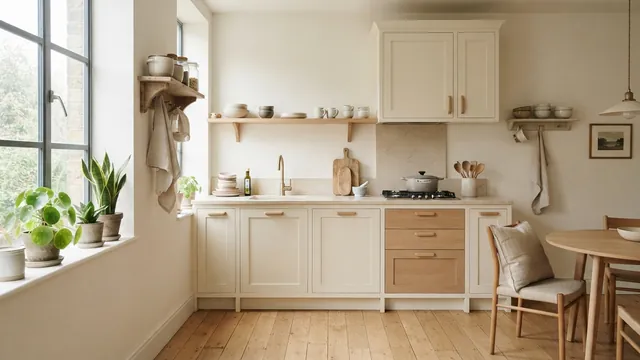
Small Kitchen Design — Light, Space and Smart Storage
Use light, smart storage, and slim furnishings to make a small kitchen feel more open.
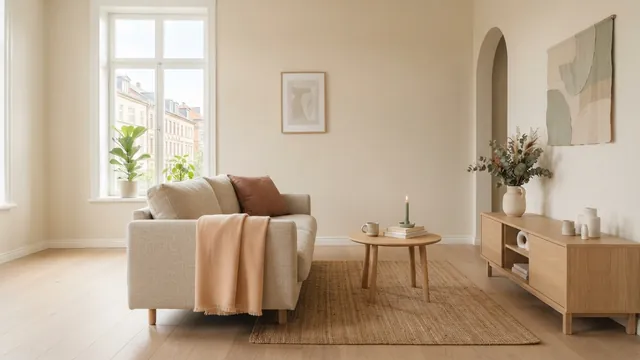
Living Room Paint — Measurements and Buying Tips
Measure your walls, count coats, and buy the right amount of living room paint.
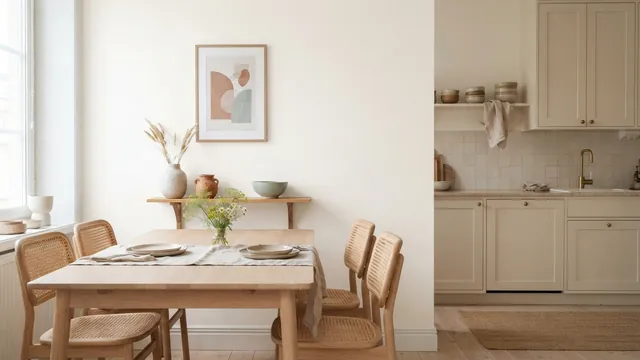
Kitchen Wall Décor — Style and Function
Make a bare kitchen wall feel warm, useful, and thoughtfully styled.