What Size Rug for Living Room? Sizing by Room Dimensions
Use room sizes and sofa layout to pick the right rug size. Includes 10x12, 12x12, and placement rules.
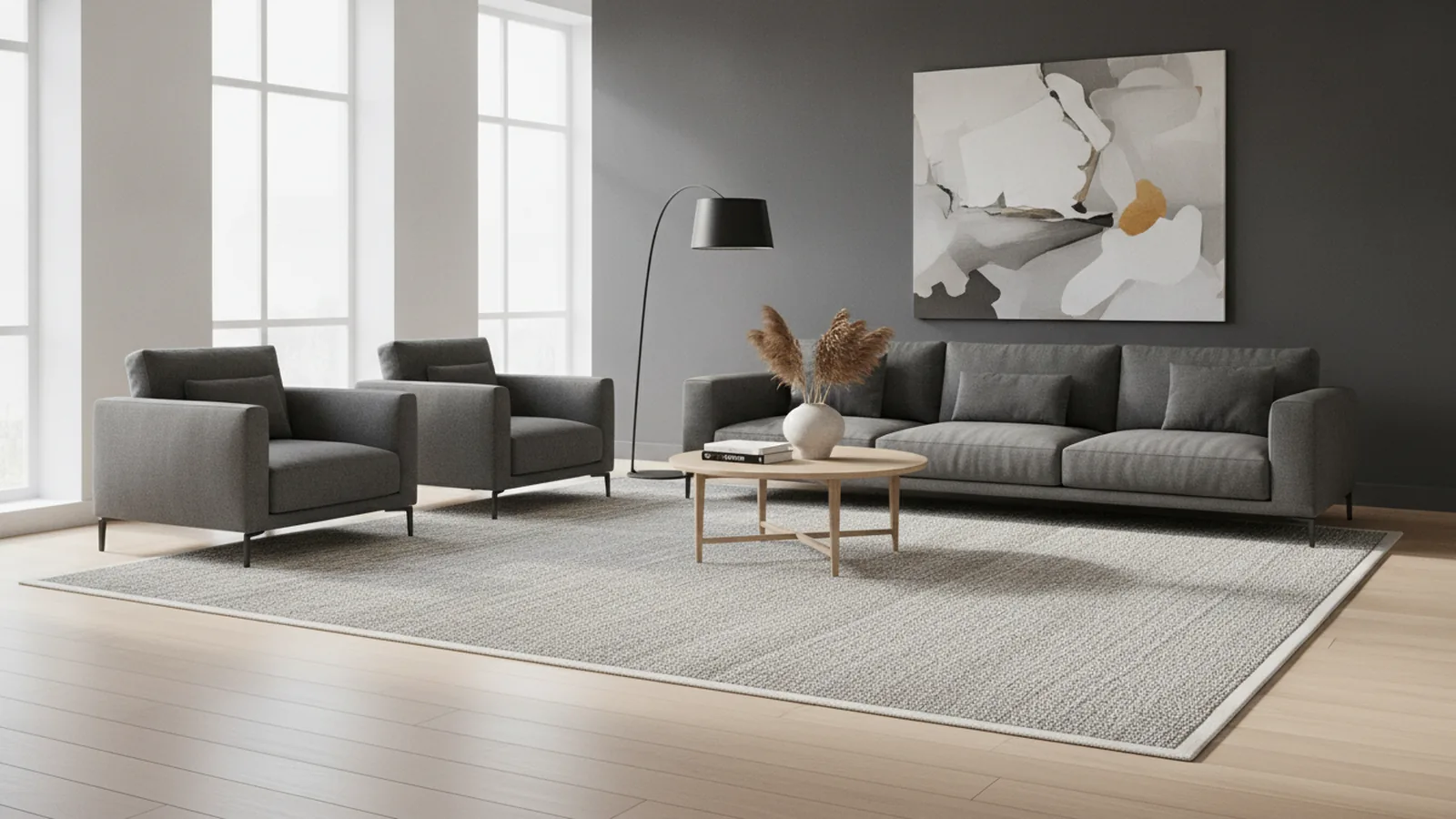
Why rug size changes how a living room feels
Your rug size affects comfort and how the room looks. If the rug is too small, furniture legs sit on bare flooring. That split look makes the space feel unfinished.
A larger rug can visually glue the seating area together. It also gives you a more steady feel when you step off the couch. When the rug supports the main conversation zone, the room feels grounded.
Designers use rugs to create clear zones. That means paths for walking and space that feels intentional. The right size also helps your furniture arrangement look planned, not accidental.
- Too small: the room feels chopped and furniture looks floating.
- Just right: the seating area feels centered and comfy.
- Too large: edges can crowd doors and walkways.
Common living room rug sizes (and what they fit)
If you are asking what is standard size rug for living room, two sizes show up the most. 8' x 10' works in many living rooms with one sofa and a couple chairs. 9' x 12' is a common choice for full seating layouts.
But “standard” does not mean “always correct.” Your sofa depth and chair spacing decide what will look balanced. That is why what size rug for living room should start with your furniture plan, not a guess.
Below are practical starting points by room shape and typical use. Use them to narrow choices, then confirm with tape.
| Rug size | Good for | Typical effect |
|---|---|---|
| 8' x 10' | Smaller seating zones | Cozy focus |
| 9' x 12' | Most common living room layouts | Balanced grounding |
| 10' x 14' | Long rooms or bigger sectional zones | Room-wide anchor |
| Round rug (6–8') | Conversation areas with a center focus | Soft shape contrast |
Now let’s make sizing specific. The next sections show how to determine size of area rug for room and then map common room dimensions.
How to determine rug size from your room (step-by-step)
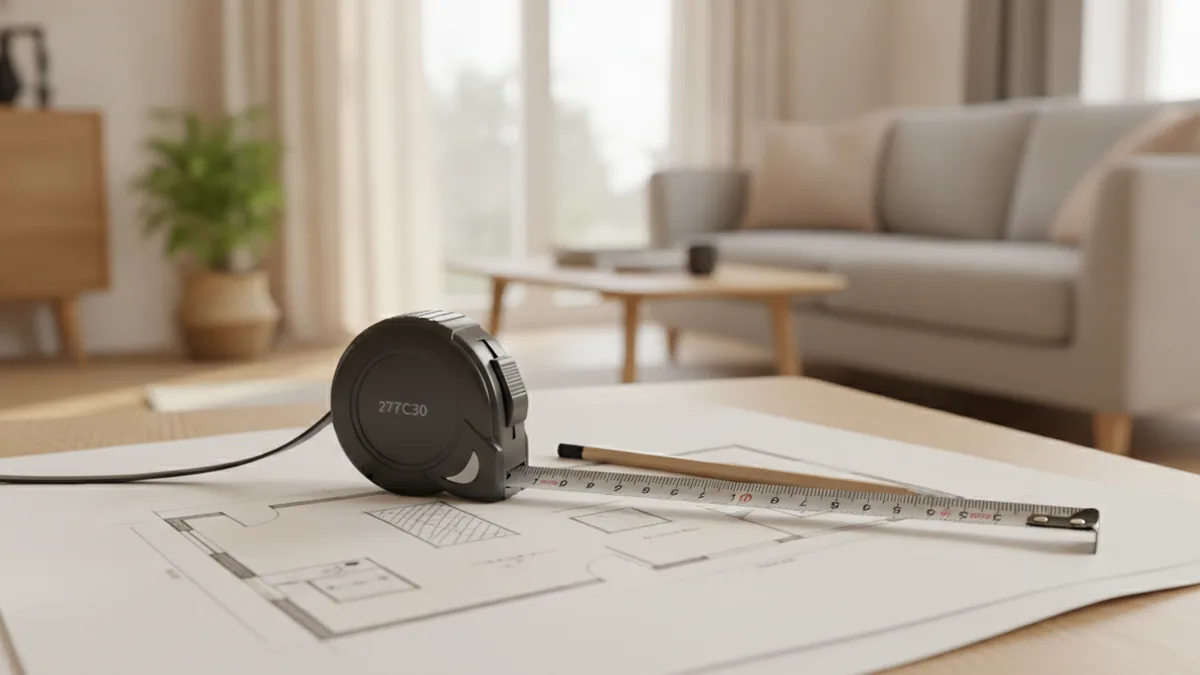
For how to determine size of rug for living room, you need two things. First, measure the space you want to ground. Second, decide how many furniture legs should land on the rug.
Use this method to how to size rug for living room without guesswork. It is simple, fast, and it matches how people actually place rugs.
- Measure the clear floor area. Note the usable length and width near the seating zone.
- List your main furniture. Write sofa width, loveseat width, and chair spacing.
- Pick a coverage rule. Choose “all front legs,” “front legs partly on,” or “seating only.”
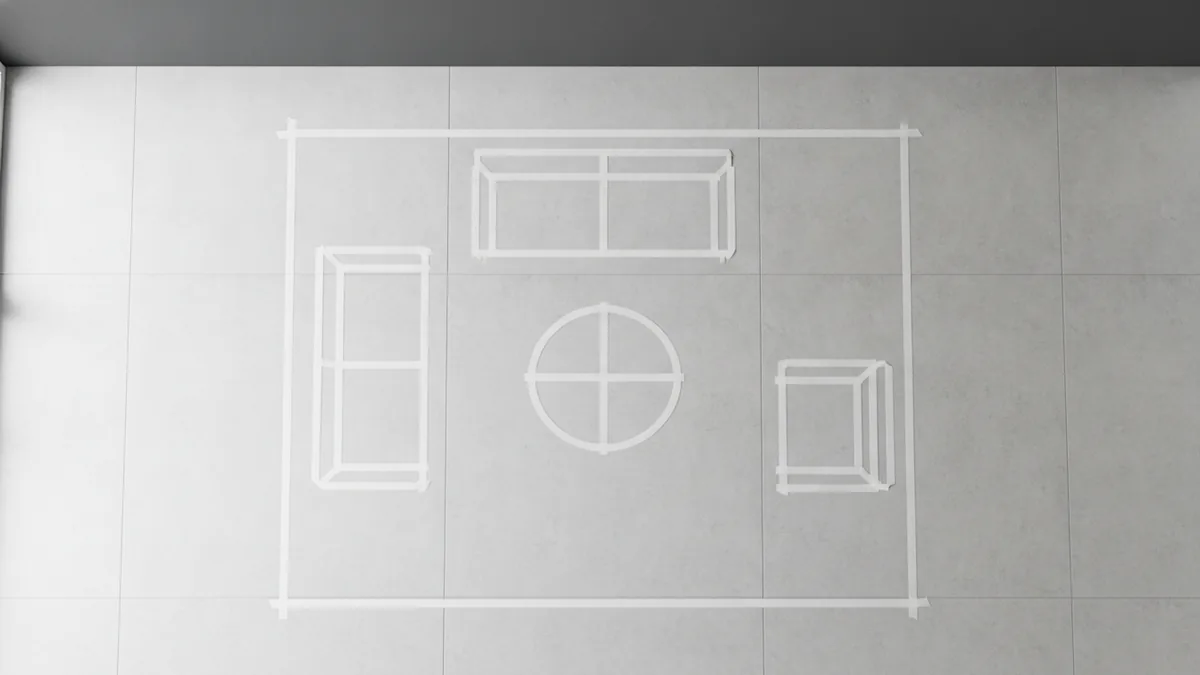
- Tape the rug outline. Use painter’s tape to draw a rectangle you can walk around.
- Check door and walkway clearance. Keep edges clear of door swings and traffic paths.
When you outline with tape, you can answer how to know what size rug for living room in minutes. You will see if the rug feels centered or if it interrupts movement. This also helps when your room is 10x12 or 12x12.
Placement and sizing tie together. A rug that is “technically big enough” can still feel off if it blocks circulation. That is why your tape test matters.
Rug sizes for specific room dimensions (10x10 up to 18x20)
If you search what size rug for 10x12 room or what size rug for 12x12 room, you usually want a quick match. Here are reliable picks that work for many common layouts. They assume your seating is along the long wall or centered in the open area.
These are starting points, not laws. Your sofa depth and chair count can shift the best choice by about 1 foot.
| Room size | Common rug pick | Why it often works |
|---|---|---|
| 8x10 | 6' x 8' or 8' x 10' (if layout allows) | Supports the main seating zone |
| 10x10 | 8' x 10' | Creates a single grounded area |
| 10x11 | 8' x 10' | Fits without crowding edges |
| 10x12 | 8' x 10' | Front legs land on the rug |
| 11x11 | 8' x 10' | Comfortable seating coverage |
| 11x12 | 8' x 10' or 9' x 12' | Choose based on traffic space |
| 11x13 | 9' x 12' | Balanced grounding |
| 11x14 | 9' x 12' or 10' x 14' | Works with more furniture |
| 12x11 | 8' x 10' | Still feels cohesive |
| 12x12 | 9' x 12' | Front legs on, with lift |
| 12x13 | 9' x 12' | Good coverage without fuss |
| 12x14 | 9' x 12' or 10' x 14' | More breathing room |
| 12x15 | 10' x 14' or 9' x 12' (if tight) | Decide based on walkways |
| 13x11 | 8' x 10' | Anchors a smaller seating plan |
| 13x12 | 9' x 12' | Main zone feels connected |
| 13x13 | 9' x 12' or 10' x 14' | Options for chair placement |
| 14x15 | 10' x 14' | Room stays open |
| 15x15 | 10' x 14' or 12' x 15' | Large seating feels anchored |
| 16x16 | 12' x 15' or 13' x 18' | Supports sectional layouts |
| 18x20 | 12' x 18' or 13' x 19' | Large zones and open plans |
If you are unsure, pick the slightly larger size and then test clearance with tape. That is the fastest way to answer what size rug should i get for my living room or what size rug to get for living room.
Also remember the goal. You want the rug to cover the area where people sit, talk, and step when they enter the conversation space.
Placement guidelines: where to put the rug and lamp
Rug placement rules are simple. Place the rug so the front legs of your sofa sit on it. If you prefer a lighter look, you can set the rug so only the front legs are partly on.
Different coverage changes the feel. “All front legs on” makes the room feel more built-in. “Partly on” keeps edges lighter and helps in smaller rooms.
Now, the room’s light sources also matter. A lamp can either reinforce the seating zone or compete with it.
- If you use a floor lamp, place it near the sofa or between the chairs.
- Keep the lamp base on the rug when possible.
- Aim the light so it supports reading without washing the wall.
So when you ask where to put floor lamp in living room, think in zones. Put it where it fills a gap in comfort around the seating area. Then make sure it does not block walking paths or tuck under the wrong corner.
Design tips for rug and furniture alignment
Start with the visual anchor. Your rug should line up with your main seating and main walking direction. That makes the room look tidy even when furniture is moved often.
Try this alignment check after you tape your rug. Stand where you will usually enter the room. Look at whether the rug edges match your sofa position and whether chairs still feel balanced.
Next, think about shape. Rectangular rugs handle most layouts and keep pathways clear. Round rugs can work in conversation circles, but they still need enough size to support leg placement.
If you have a sectional, sizing often changes. Many people search what size rug for living room sectional and need a larger option. The section should sit fully on the rug, or at least the whole front furniture line should.
Choosing a rug for special spaces and dining needs
Not every living space is a “perfect rectangle.” Still, you can apply the same rules. Measure the area you want to ground, then use tape to map the rug dimensions. That is how how to size rug for living room becomes a repeatable skill.
Some readers ask about apartments and other rooms. In a smaller space, you usually want a rug that maximizes seating coverage. That often means 8' x 10' in tight layouts, then stepping up when furniture is larger.
For dining, a different standard applies. If you search what is the standard size of a dining room, remember this. The rug should fit under the dining chairs when they pull out, not just under the table.
- Measure chair pull-out depth before picking rug width.
- Choose a rug that adds clearance around the table shape.
- Keep walkway space clear for traffic around dining.
Finally, if you need a quick decision, use the “front legs” rule first. Then validate with tape. That is also the clean answer to how to determine size of area rug for room in real homes.
Final considerations before you buy
Before ordering, confirm your rug size with a final tape pass. Move chairs slightly. Imagine guests sitting down and standing up. Then check that the rug edges stay clear of doors.
Also consider the rug pile. Thicker rugs can feel cozier but they may make foot movement less smooth in narrow halls. If you have heavy traffic, choose a practical pile and secure the rug with a gripper.
If you want a confident pick for any of these searches, start with the standard sizes. Then adjust using the seating coverage rule. That is how you answer what size rug for living room, and it keeps your living room design looking intentional.
Frequently asked questions
- What size rug should I get for my living room if the room is 10x12?
- A common starting point is an 8' x 10' rug. Tape it in place to ensure the sofa front legs sit on the rug.
- What size rug is standard for a living room?
- Many living rooms start with an 8' x 10' or a 9' x 12' rug. The best choice still depends on sofa depth and walkway clearance.
- How do I determine the size of an area rug for a room?
- Measure the space you want to ground, then choose how many front legs should land on the rug. Outline the rug with tape and check door and traffic clearance.
- Where to put a floor lamp in a living room?
- Place it near the sofa or between chairs to support the seating zone. Try to keep the base on the rug when the layout allows.
- What size rug should I get for a 12x12 living room?
- A 9' x 12' rug often feels balanced in a 12x12 room. Confirm with tape so edges do not crowd pathways.
- What is the standard size of a dining room rug?
- There is no single dining room rug size. The key is coverage under the dining chairs when they pull out.
Related reading
Couch Placement—Flow, Focus and Comfort
Place your couch to frame a focal point, keep paths clear, and make the room feel balanced.
Master Bedroom — Color, Comfort and Personal Style
Build a calm, personal bedroom with smart choices and a budget that works.
Room Painting Labor Costs — Rates and Budget Factors
See typical room-painting labor rates and learn what drives the final price.