How Much Does a Small Commercial Kitchen Cost?
Compare setup costs, rental rates, equipment needs, and smart ways to plan your kitchen budget.
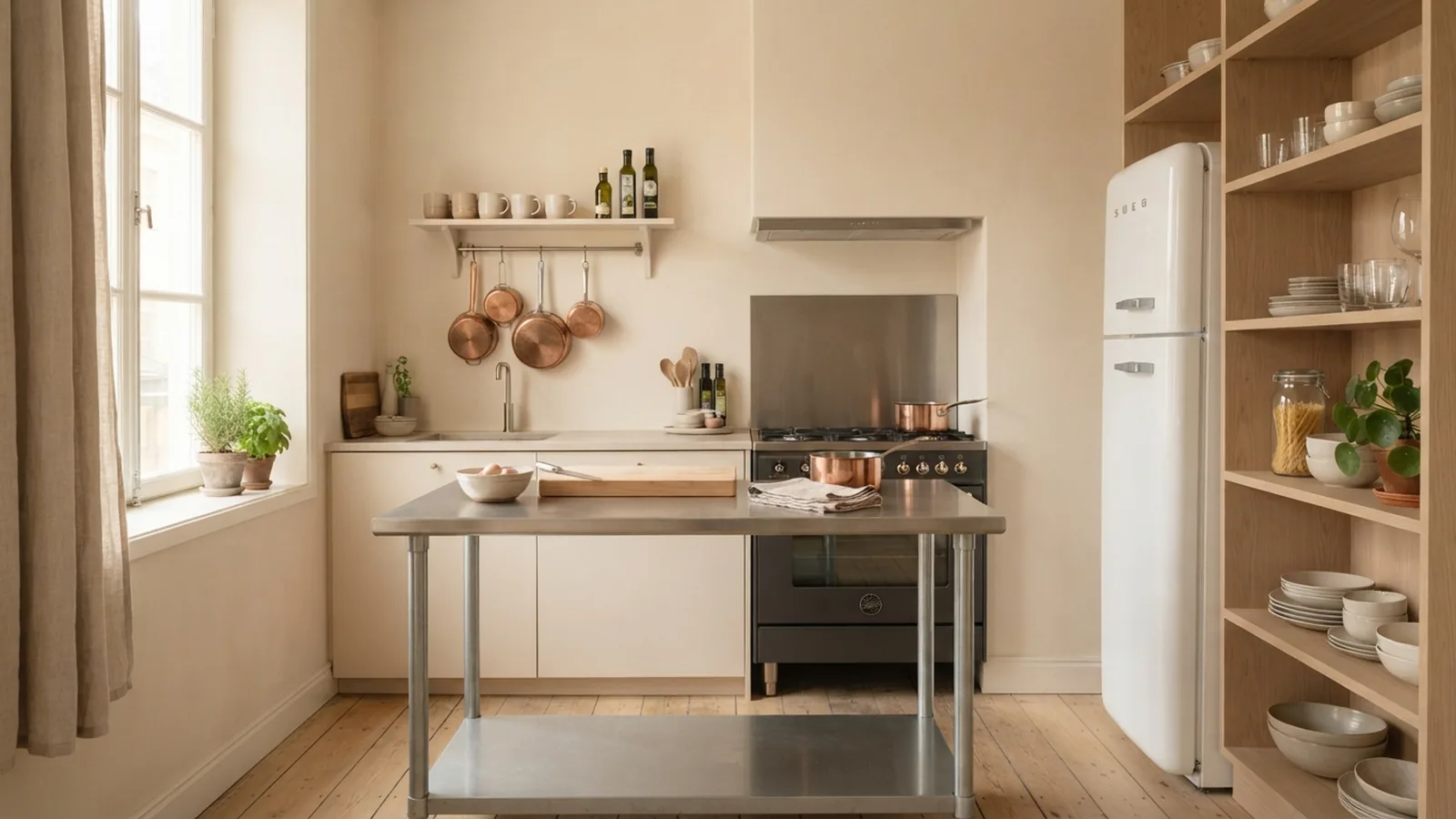
Cost Breakdown for a Small Commercial Kitchen
How much does a small commercial kitchen cost? A basic setup often starts between $20,000 and $50,000. Your final bill depends on the space, equipment, and work needed before opening. A ready-to-use kitchen may cost far less than an empty room.
Build-out work can take a large share of your budget. Plumbing, power, floors, walls, and ventilation all affect the price. Add permits, safety features, opening supplies, and a reserve for repairs. That reserve can help keep a surprise bill from delaying your launch.
| Cost area | What it may cover |
|---|---|
| Space and build-out | Lease deposits, floors, walls, plumbing, power, and ventilation |
| Cooking and cold storage | Ovens, ranges, refrigerators, freezers, and fittings |
| Prep and wash | Tables, sinks, shelves, dishwashing gear, and small tools |
| Opening costs | Permits, checks, cleaning gear, and first supplies |
These are budget groups, not firm quotes. Get written bids from local trades and equipment sellers. Compare a ready-to-use site with the cost of making another space fit your needs.
Factors That Affect Kitchen Setup Costs
Location affects rent, labor, delivery fees, and permit costs. A busy city site may cost more than a space outside the center. Yet a cheaper site can add travel time or make staff and supplier access harder.
Size affects rent, cleaning needs, and the amount of gear you need. A compact room can lower costs, but narrow aisles may slow work or create safety risks. The right size depends on your menu, output, and number of workers.
Equipment quality also shifts the total. New gear costs more upfront, while used gear may need repairs or lack a warranty. Kitchen specs matter too. High-power ovens, exhaust systems, grease control, and extra sinks can raise build-out and running costs.
- Check the power, water, drainage, and ventilation before signing.
- Ask which permits and checks apply to your food service.
- Read the lease to learn who pays for repairs and upgrades.
- Have a qualified trade worker assess the site before you commit.
Rules vary by place and by the food you make. Ask your local health office which plans, sinks, and surfaces it requires. The FDA Food Code offers a model for food safety. Local rules govern your site.
Renting vs. Owning a Commercial Kitchen
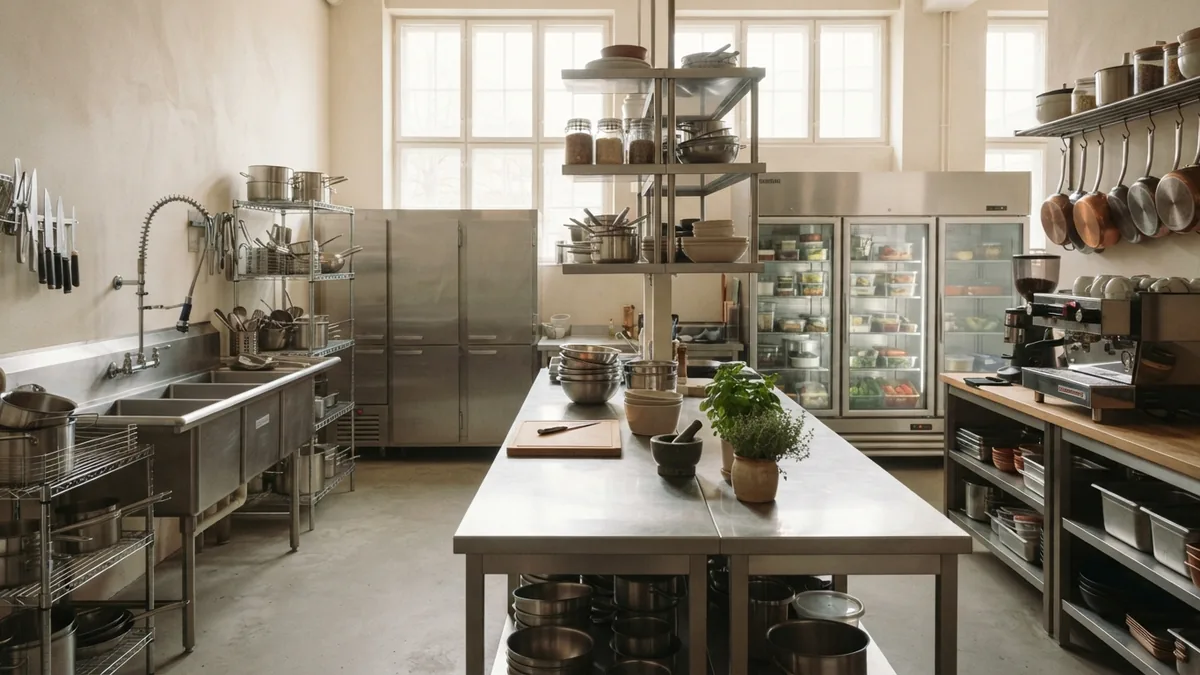
How much to rent a small commercial kitchen? Rates often range from $15 to $50 per hour. The price depends on location, gear, storage, cleaning, and the hours you book. Ask what the hourly fee includes.
At $25 per hour, 20 hours of kitchen time costs $500 before add-ons. That may suit a meal prep business testing demand. Check whether cold and dry storage, cleaning, and key equipment come with the rate.
A private site gives you more control over hours, layout, and storage. It also brings fixed bills, build-out costs, and repair duties. Compare rent, utilities, insurance, cleaning, upkeep, and loan payments, not just the lease price.
Estimate your likely kitchen hours each month. Then compare rental fees with the full cost of a private space. Renting can cost less while demand is uncertain. A dedicated site may make sense once steady work keeps it busy.
Design Considerations for Small Kitchens
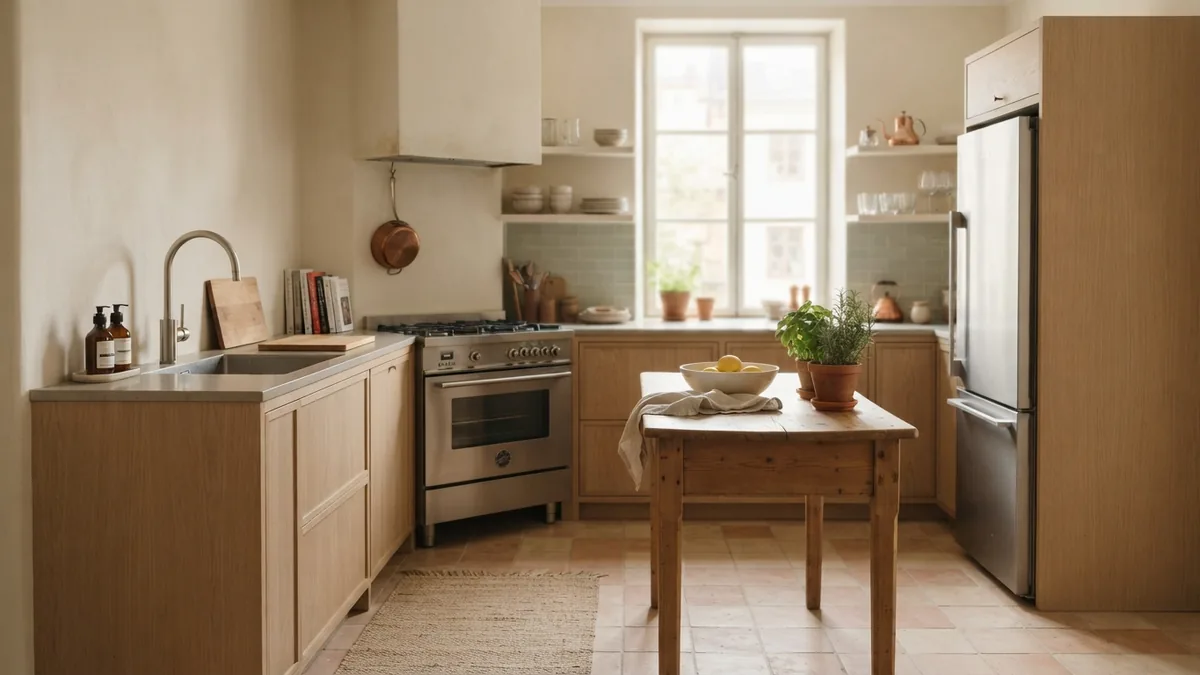
How to design a commercial kitchen starts with the menu and each step needed to make it. Map the path from delivery and storage to washing, prep, cooking, packing, and pickup. Put those steps in a clear order where possible. This can cut backtracking and keep workers from crossing paths.
To learn how to design a small commercial kitchen, measure the room, doors, pipes, power points, and equipment. Leave room to open oven doors and reach fridges. Keep walkways clear, and place tools near the tasks that use them. Tape floor outlines to test the plan before buying.
Small spaces need careful storage. Use shelves above prep areas only when they do not block safe work. Keep raw food apart from ready-to-eat food. Set clear zones for hand washing, food prep, and dirty dishes.
Plan for health and safety from the start. Rules may cover hand sinks, food-safe surfaces, hot water, waste, ventilation, and cleanable floors. Ask your local health office to review the layout before you build or make major changes.
Essential Equipment and Supplies
Choose equipment to match your menu and expected output. Most small kitchens need an oven, refrigerator, prep table, sink, and shelves. Some menus also need a range, freezer, mixer, or commercial dishwasher.
Make a list before you shop. Mark each item as required, useful, or optional. Check the size, power needs, service history, and warranty for each purchase. Used equipment can lower costs, but only if it works well and meets local rules.
Buy for your workload, not for a best-case forecast. A meal prep business may need more cold storage and prep space than cooking gear. A bakery may need a larger oven and mixer. The menu should guide the spend.
Budgeting Tips for Kitchen Setup
How to set up a small commercial kitchen without overspending? Price the site, core gear, permits, and build-out before you sign a lease. Keep a written budget with a separate line for each item. Include a reserve for repairs and price changes.
Put essential equipment first. Delay optional tools until sales show a clear need. Compare new and second-hand items, and ask sellers about delivery, setup, and service costs. A low purchase price may not be a good deal if repairs are due.
Ask tradespeople for itemized bids, and check what each bid leaves out. Confirm who pays for upgrades under the lease. Before opening, compare your expected monthly costs with likely sales and kitchen hours. Update the budget as quotes and plans change.
Frequently asked questions
- How much does a small commercial kitchen cost to set up?
- A basic setup often starts between $20,000 and $50,000. Build-out needs, equipment, and location can push the total higher.
- How much does it cost to rent a small commercial kitchen?
- Rates often range from $15 to $50 per hour. Ask if the fee covers storage, cleaning, and equipment.
- What equipment does a small commercial kitchen need?
- Most need an oven, refrigerator, prep table, sink, and shelves. Your menu may call for extra gear, such as a freezer or mixer.
- How do you design a small commercial kitchen?
- Plan the work path from delivery and storage through prep, cooking, washing, and packing. Measure the room, keep walkways clear, and check local health rules.
- Is it cheaper to rent or own a commercial kitchen?
- Renting can cost less when you need only a few shifts or demand is still uncertain. Compare total rental fees with rent, utilities, insurance, upkeep, and build-out costs for a private site.
Related reading
What Is the Best Layout for a Galley Kitchen? — Smart Design Ideas
Plan a galley kitchen that feels open, works hard, and stays tidy.

Can You Place Can Lights in a Living Room? — Layers and Lamps
Plan layered living room light with cans, lamps, and smart placement.

What Are the Best Colleges for Interior Design? — Programs & Costs
Compare interior design programs, costs, admissions and career options.