Living Room Lighting — Layers, Lamps and Better Placement
Plan layered living room light with cans, lamps, and smart placement.
Understanding Living Room Lighting
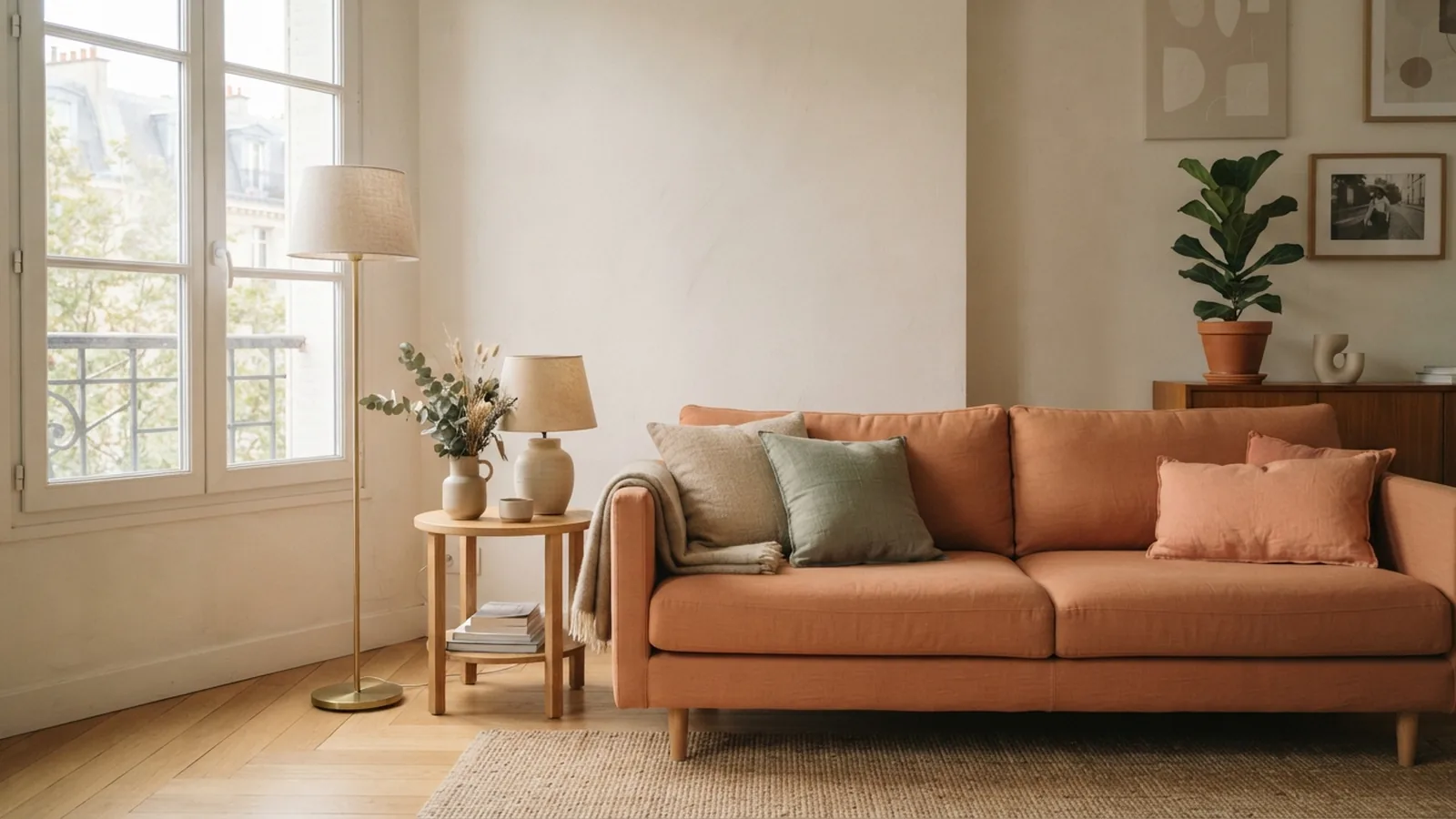
To learn how to light a living room, start with its uses. A lounge area needs soft general light, while a reading chair needs a focused beam. Shelves, art, and plants can benefit from gentle accent light. Each source should solve a real need.
Layered lighting combines ambient, task, and accent light. Ambient light helps people move around safely. Task light makes reading or close work easier. Accent light adds depth and draws the eye toward a feature.
Use several sources at different heights instead of relying on one bright fixture. A ceiling light can spread light across the room. Table and floor lamps bring light closer to seating. A wall light can soften a dark patch.
- Ambient: General light for moving around and relaxing.
- Task: A focused beam for reading or hobbies.
- Accent: Soft light for art, shelves, or textured walls.
For many living rooms, aim for about 2,000 to 3,000 lumens across all sources. Room size, wall color, and window light affect the amount you need. Warm white bulbs near 2,700 kelvin suit most relaxing spaces. Use brighter light when tasks call for it.
Choose Light Types for Each Job
Ambient light can come from a ceiling fixture, recessed cans, wall lights, or lamps. Avoid depending on one bare bulb. One strong source can leave corners dim and cast hard shadows. Several softer sources tend to feel more balanced.
Place task lights beside the activity they support. Set a reading lamp near or just behind a chair. Keep its shade near shoulder height, and aim the beam at the page. The light should not shine into someone’s eyes.
Accent lights work best when the bulb itself stays out of view. Try a small lamp beside a bookcase, or aim a shielded fixture at a textured wall. Keep the brightness lower than the main room light. This gives the room depth without making one feature glare.
Dimmers let you change the feel of a room through the day. Lower the light for a film, then raise it for cleaning or visitors. Check that both the bulb and dimmer support dimming. A poor match can cause flicker or a narrow control range.
Plan Can Light Placement
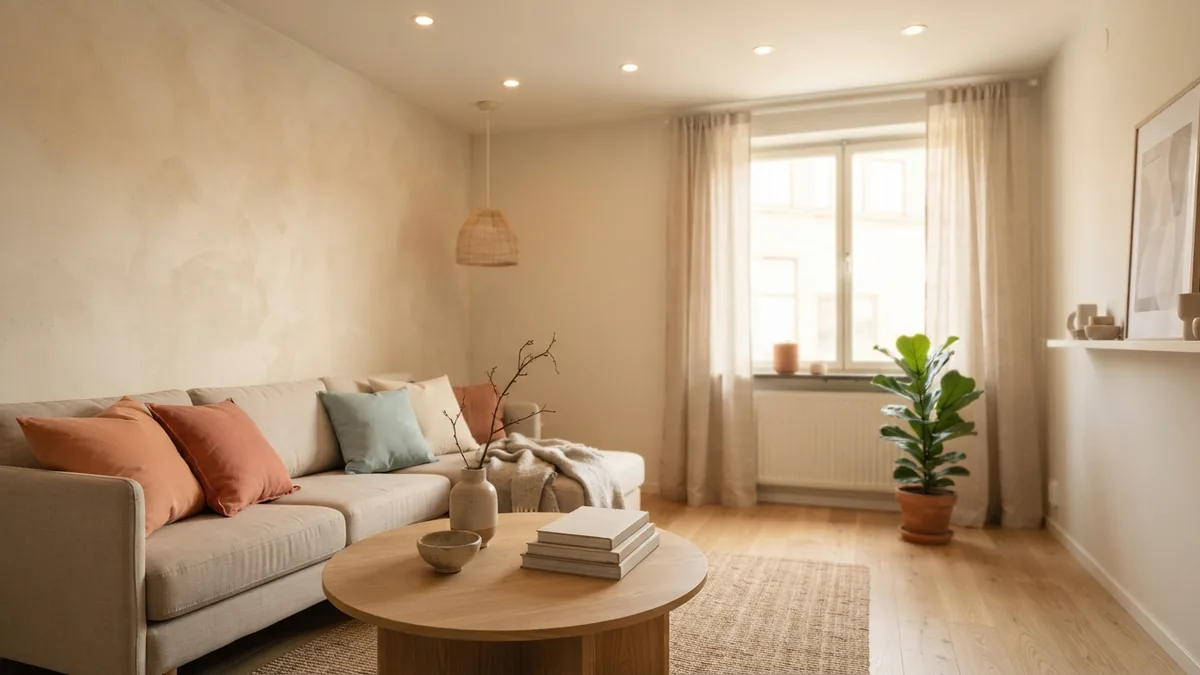
Good can light placement in living room spaces begins with the room’s shape and use. Recessed lights should form a balanced layout, not random ceiling dots. Keep them clear of the main line of sight from seats. Avoid placing a bright can directly above someone’s head.
A common starting point is to space cans about half the ceiling height apart. With an eight-foot ceiling, that means roughly four feet between lights. Keep the first row about two feet from the walls. These are starting points, not fixed rules.
Beam width and fixture output change the result. A narrow beam may need closer spacing than a wide beam. For can light placement living room plans, mark seating, walkways, beams, vents, and fans before cutting. Wall-wash fixtures can spread light softly across a wall.
Test the plan with a lighting pro before making ceiling cuts. A flush mount or pendant may suit a small room better than several cans. Put lamps and ceiling lights on separate switches when possible. That gives you more control over each layer.
- Measure the ceiling and sketch the seating area.
- Check beam spread and ceiling obstructions.
- Keep bright fixtures outside seated sight lines.
- Ask a qualified installer to review the plan.
Light a Room Without Overhead Fixtures
There are many reasons why no ceiling light in living room layouts may suit an older home or a rental. A room can still feel bright without built-in overhead lighting. Spread floor lamps and table lamps around the space. Place them near seating, a reading spot, and a darker wall.
A torchiere floor lamp sends light up toward the ceiling. A pale ceiling reflects some light back into the room. A shaded floor lamp sends more light down beside a sofa. Choose a stable base and a shade that hides the bulb from seated eye level.
For how to light a living room with no overhead lighting, begin with three separate sources. Put one lamp beside the sofa, one near a reading chair, and one across the room. This spreads light more evenly than placing every lamp in one corner.
Plug-in wall lights can add light without new wiring. Keep cords clear of walkways and rugs. Check each fixture’s rated bulb size before fitting a bulb. If you need new wiring, hire a qualified electrician.
Use Lamps to Shape the Room
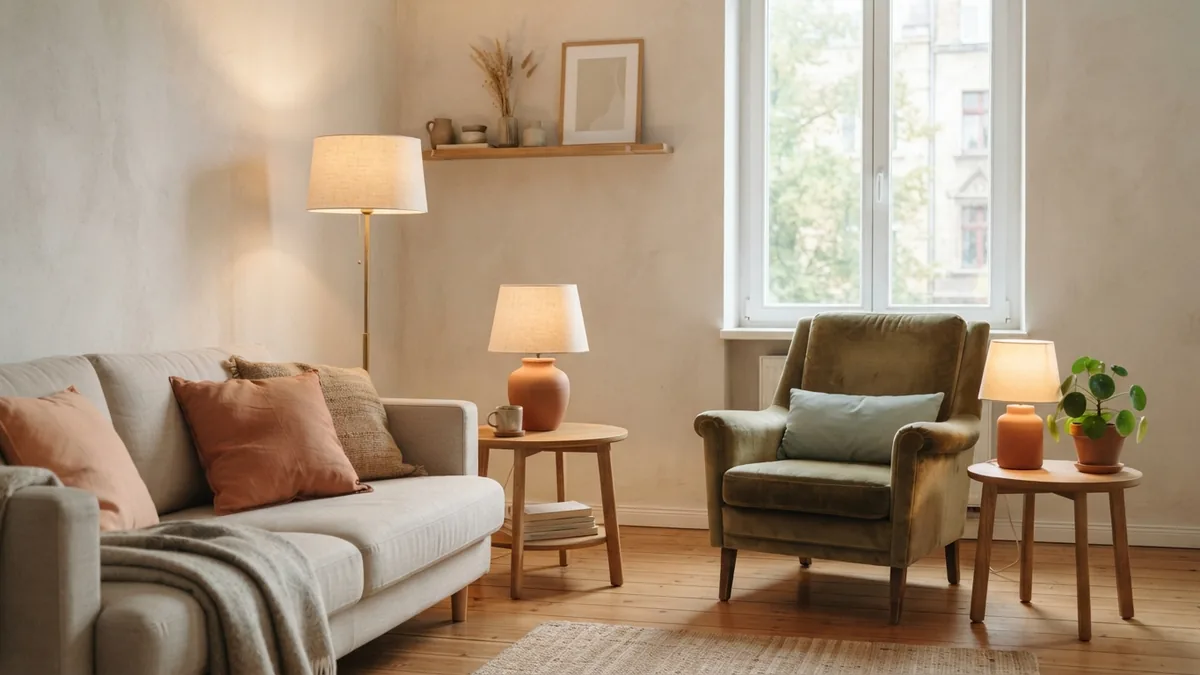
How to light a living room with lamps depends on where people sit and what they do. Put a table lamp on an end table for soft light near the sofa. Place a floor lamp behind or beside a reading chair. Keep each lamp close enough to serve its task.
Vary lamp height to avoid a flat band of light. A floor lamp can brighten a wall, while a table lamp adds a warm pool near eye level. A small accent lamp can highlight a shelf or plant. Together, these sources create a layered glow.
Use light-colored shades to spread a gentle glow. Dark shades send more light up or down, which may suit a specific task. Make sure the shade does not block the light you need. Test the setup after sunset and move lamps away from glare.
For how to light up living room areas without a ceiling fixture, focus on dark corners first. Add one lamp, then check whether nearby surfaces reflect enough light. Mirrors and pale walls can bounce light around, but avoid aiming bulbs straight at reflective glass.
Brighten a Dark Living Room
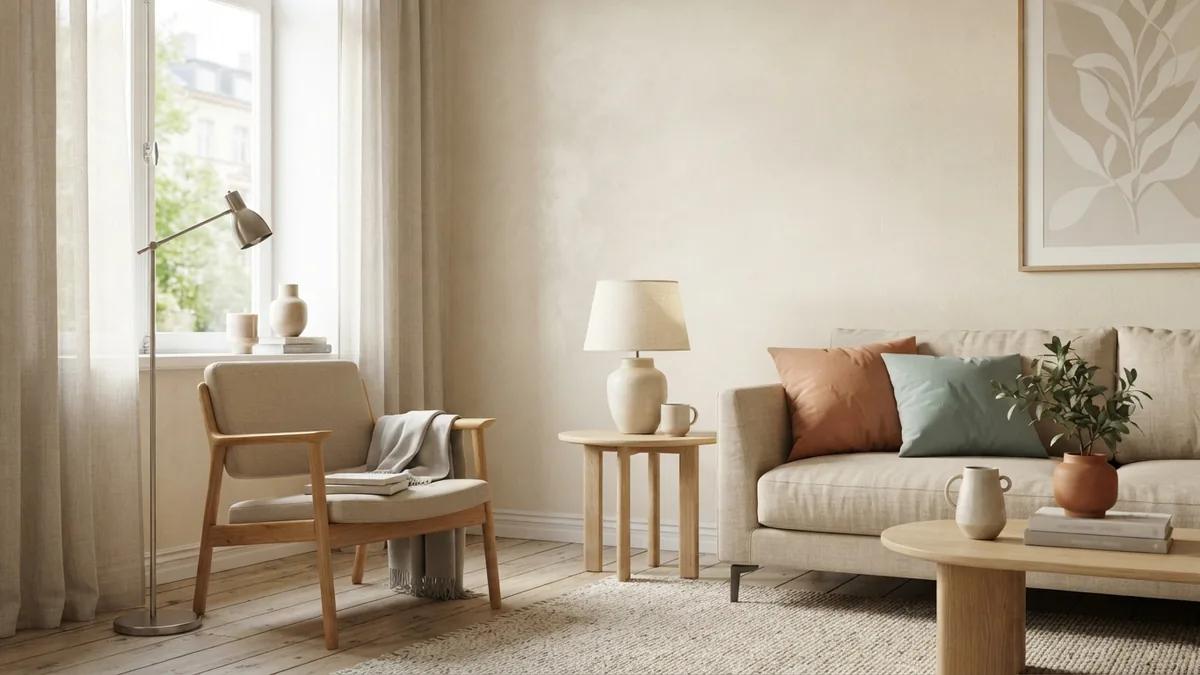
How to light a dark living room starts with finding what blocks light. Heavy curtains, dark shades, and tall furniture can keep daylight from reaching the room. Open window coverings when privacy allows. Move large items away from windows and use lighter fabrics nearby.
To learn how to light up a dark living room, add light at more than one height. Use a floor lamp to brighten a wall, then add a table lamp near seating. Pale walls and a light rug can help spread the glow. Keep reflective surfaces where they catch light without causing glare.
To learn how to light up a living room, check the bulb color and total brightness. Warm white bulbs feel calm, while a slightly cooler white can help with close work. Use the same bulb color across nearby lamps for a more even look. Change one thing at a time and assess the effect.
Natural light helps, but it cannot cover every evening need. Keep window areas clear and choose curtains that can open fully. If a fluorescent tube is flickering, check its fit and replace it only if the fixture allows. For how to fix tube light in living room fixtures with wiring or ballast faults, use a qualified electrician.
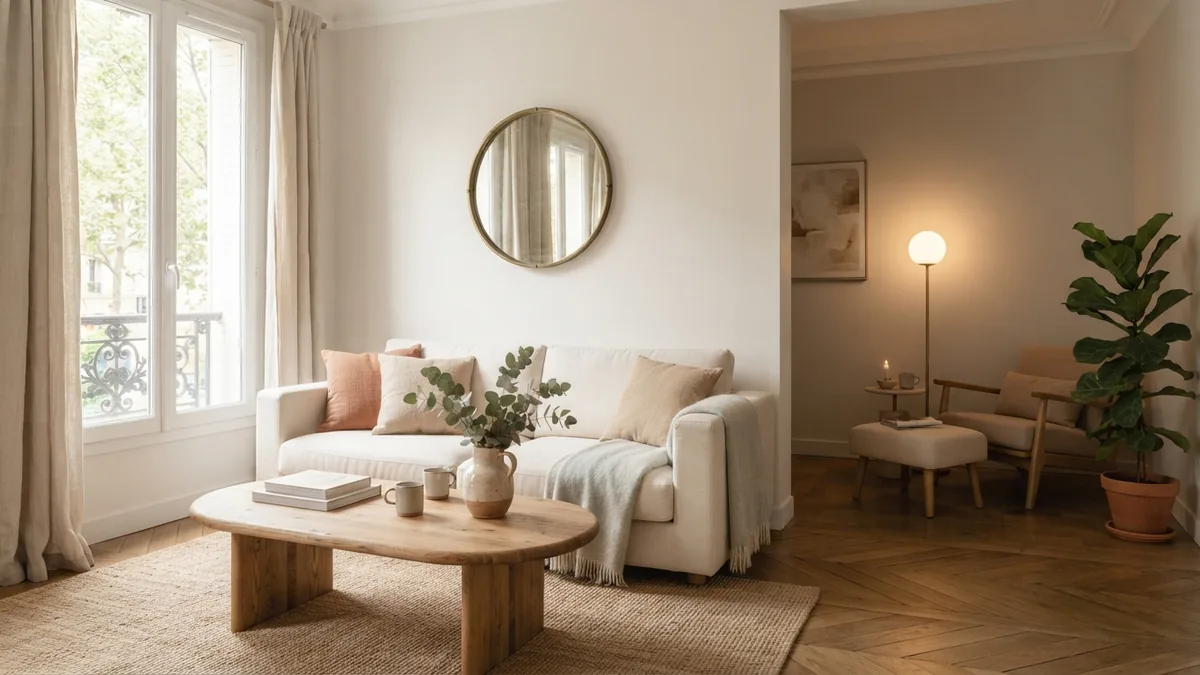
Practical Tips for Better Light
Start by writing down the room’s main activities. Mark reading, conversation, and walkways on a simple floor plan. Match each area with an ambient, task, or accent source. This prevents wasted light and helps you spot dark gaps.
When deciding how to light up living room spaces, switch on each source by itself. Check for glare from seats and shadows on work areas. Then turn on the full set and adjust lamp positions. Small changes can make a room feel more even.
For how to light a living room without overhead lighting, use a mix of floor lamps, table lamps, and plug-in wall lights. Separate them across the room, rather than clustering them. Dimmers or smart bulbs can help set lower light for rest and brighter light for chores.
For how to light up living room without ceiling lights, build the plan around the furniture. Put task light beside the chair, ambient light across the room, and accent light near a feature. The same steps explain how to light your living room with or without ceiling fixtures. Choose safe, stable lamps and keep cords out of paths.
Frequently asked questions
- How many can lights should a living room have?
- The right number depends on room size, ceiling height, and beam width. Start with a balanced layout, then ask a qualified installer to review it.
- How do you light a living room without overhead lighting?
- Spread floor lamps and table lamps around the room. Use one near seating, one for reading, and another to brighten a dark wall.
- Where should lamps go in a living room?
- Place lamps near the tasks they support, such as reading or conversation. Spread them across the room and vary their heights.
- How can I make a dark living room brighter?
- Open curtains, keep window areas clear, and add lamps at different heights. Pale walls and rugs can help reflect light.
- Can I fix a flickering tube light myself?
- Check that the tube fits the fixture and replace it only if the fixture allows. Ask an electrician to handle wiring or ballast faults.
Related reading
Interior Design Colleges — Programs, Costs and Career Paths
Compare interior design programs, costs, admissions and career options.
Small Bathroom Remodel Costs — What Shapes Your Budget
See typical small bathroom costs, key price drivers, and ways to keep your remodel on budget.
Living Room Size — Space, Furniture, and Layout
See common living room sizes and learn how to measure your space before choosing furniture.