Interior Design Colleges — Programs, Costs and Career Paths
Compare interior design programs, costs, admissions and career options.

What Interior Design Programs Teach
Some of the best colleges for interior design pair creative work with lessons in how spaces function. Notable options include Pratt Institute, Rhode Island School of Design, Savannah College of Art and Design, Cornell University and the University of Cincinnati. Each offers a distinct mix of studio work, design history and technical study. The right fit depends on your goals, budget and preferred learning style.
Interior design is a growing field that blends visual choices with practical needs. Students learn to plan spaces, choose colors and select materials. They also study lighting, furniture, building codes and ways to make spaces work for different users. Studio courses put those skills into practice through design projects.
Programs may lead to a Bachelor of Fine Arts, a Bachelor of Science or another undergraduate degree. Some schools also offer graduate study, such as a Master of Interior Design. Compare the course list and degree type, not just the program name. A strong program should make room for hands-on work and clear feedback.
- Space planning: arranging rooms, circulation and furniture to meet user needs.
- Color and materials: matching finishes, surfaces and color schemes to a project.
- Technical skills: making drawings, models and plans that show design choices.
- Design thinking: balancing a client’s goals, budget, safety and comfort.
Look for classes that cover both homes and public spaces. That mix can help you test different career paths before you graduate.
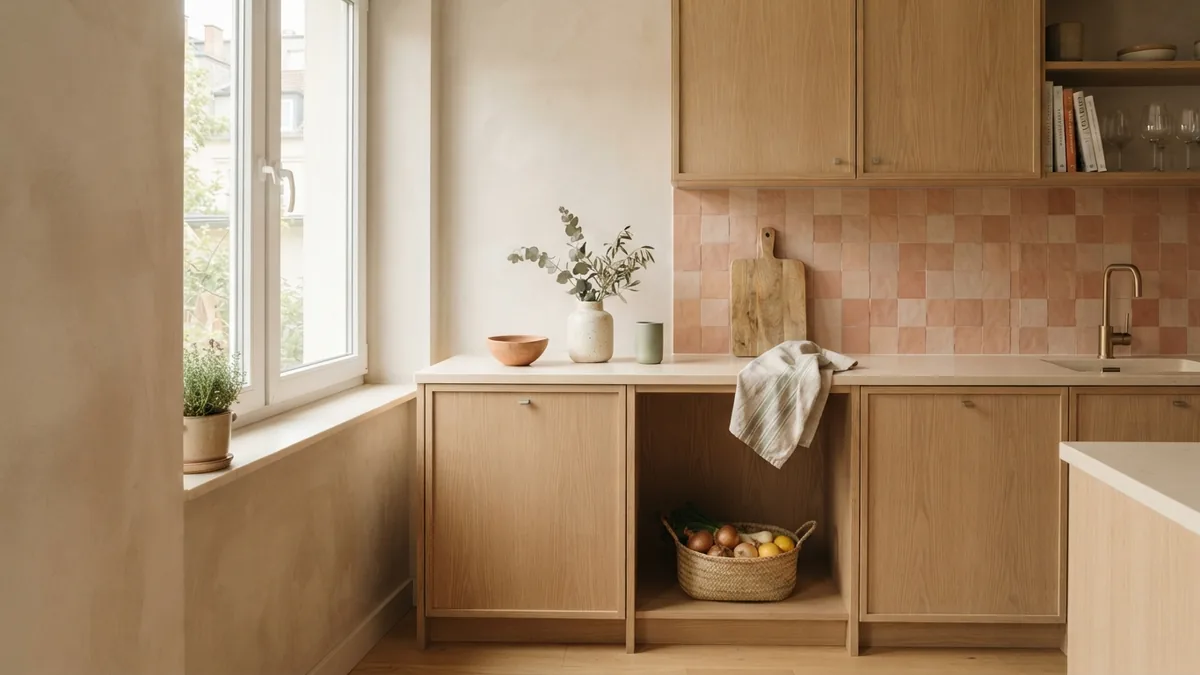
Notable Colleges with Interior Design Programs
There is no single best college for every student. The schools below are known for design study, but their strengths and settings differ. Check each current course plan, studio access and admission process before applying. Program details can change from year to year.
- Pratt Institute: Its interior design program is based in Brooklyn and puts strong weight on studio work and design skills.
- Rhode Island School of Design: RISD offers a focused art and design setting, with work that links spatial design and creative practice.
- Savannah College of Art and Design: SCAD offers interior design study at several campus locations and through online options.
- Cornell University: Cornell’s design study sits within a broader academic setting and can suit students who want cross-field learning.
- University of Cincinnati: Its program is known for connecting study with work experience through co-op placements.
- Kansas State University: Students can explore interior design in a program rooted in human needs and the built environment.
These examples are not a ranked list. Compare class size, studio access, internship support and the range of projects students complete. Ask whether first-year students begin design studios right away. Also ask how often students work with real clients or community groups.
For a career that may require professional credentials, check program accreditation. The Council for Interior Design Accreditation lists accredited programs and explains its review process. Accreditation can help you compare course standards, but it does not replace state rules or employer needs.

Tuition, Fees and Ways to Pay
Tuition varies widely among colleges with interior design programs. A broad annual range is about $21,000 to $56,000, before housing, meals, supplies and other fees. Private schools often cost more than public schools for in-state students. Your actual bill depends on residency, aid and the number of credits you take.
Ask each college for its full cost of attendance, not tuition alone. Design students may need to pay for materials, printing, model-making tools and a capable computer. These costs can add up during studio courses. Ask the department for a typical yearly supply budget.
Financial aid can lower the amount you pay. Submit the FAFSA if you are eligible, and check each school’s aid deadlines. Look for grants, need-based aid, merit awards and scholarships for design students. Some awards require a portfolio, so plan that work early.
Compare the net price after grants and scholarships. A school with higher sticker tuition may cost less after aid. Ask whether aid renews each year and what grades you must keep. Also check whether internships are paid and whether co-op terms affect your course schedule.
Admission and Portfolio Requirements
Admission rules differ by school and degree level. Most undergraduate applicants submit academic records and an application. Many design programs also ask for a portfolio that shows creative work and design skills. The portfolio can matter even if you have never taken a formal design class.
Use projects that show how you think, not only polished final work. You might include room layouts, sketches, photos of models or color studies. Add a short note for each piece that explains the goal and your choices. Follow the school’s rules for size, file type and number of samples.
Some colleges ask for an essay, interview or extra art submission. Graduate programs may expect prior design study or work experience. Check each department’s academic requirements well ahead of the deadline. Reach out to admissions staff when a rule is unclear.
- Make a list of schools and note each deadline.
- Check what each program wants in its portfolio and application.
- Choose a range of work that shows ideas, craft and problem-solving.
- Ask a teacher or mentor to review your materials before you submit.
A strong portfolio is clear and selective. It should make your role in each project easy to understand.
Career Options and Salary After Graduation
Interior design graduates work in more than home design. Residential designers plan houses and apartments. Commercial designers shape offices, shops, hotels and restaurants. Healthcare design teams work on clinics and other care settings, where safety and ease of use matter.
Other paths include lighting, furniture, materials, set design and design sales. Some graduates join architecture or design firms. Others work for builders, retailers or public agencies. Internship opportunities can help students build a portfolio and learn how projects move from brief to build.
Pay depends on location, experience, employer and specialty. U.S. data place the typical annual pay for interior designers at about $64,000. The exact figure changes over time, and entry-level pay may be lower. The U.S. Bureau of Labor Statistics’ interior designer profile shares current pay and job outlook data.
Before choosing a program, ask where recent graduates work and what roles they hold. See if the school tracks job outcomes and supports internships. These details can show how well its courses connect with the work you want to do.
How to Choose the Right Program
Start with the kind of spaces you want to design and the degree level you need. Then compare course plans, cost, location and studio access. If you want to work across several sectors, look for a program with varied project types. If you have a clear specialty, check for focused classes and related placements.
Visit campus when you can, or attend an online session. Ask students how much time they spend in studios and what support they get. Review student work to see the range of ideas and the quality of feedback. A good fit is a program that challenges you while giving you the tools to grow.
Make a final comparison with total cost, aid, accreditation and career support in view. The top schools for interior design are not the same for everyone. Choose the college whose training matches your goals and whose cost you can manage.
Frequently asked questions
- What are the best colleges for interior design?
- Notable options include Pratt Institute, Rhode Island School of Design, SCAD, Cornell University and the University of Cincinnati. Compare their courses, costs, studio work and career support to find your best fit.
- What colleges offer interior design degrees?
- Many schools offer undergraduate degrees in interior design, including Pratt, RISD, SCAD, Cornell and the University of Cincinnati. Some also offer graduate study, so check each college’s current degree list.
- How much does an interior design degree cost?
- Tuition often ranges from about $21,000 to $56,000 per year, before living costs and supplies. Your price depends on the school, residency and financial aid.
- Do interior design programs require a portfolio?
- Many programs ask applicants for a portfolio of creative work. Follow each school’s rules, and include varied projects that show your ideas and problem-solving.
- What can you do with an interior design degree?
- Graduates can work in residential, commercial or healthcare design. Other paths include lighting, furniture, hospitality and work with architecture or building firms.
- What is the average salary for an interior designer?
- Annual pay is around $64,000 in the United States, though it varies by experience, location and specialty. Entry-level roles may pay less.
Related reading

Interior Design Degrees — Careers and Study Paths
Explore interior design careers, study options, and routes into the field.

Living Room Lighting — Layers, Lamps and Better Placement
Plan layered living room light with cans, lamps, and smart placement.

Small Bathroom Remodel Costs — What Shapes Your Budget
See typical small bathroom costs, key price drivers, and ways to keep your remodel on budget.