Living Room Rugs — Size, Placement and Balance
Size and place a rug to bring your seating area together.
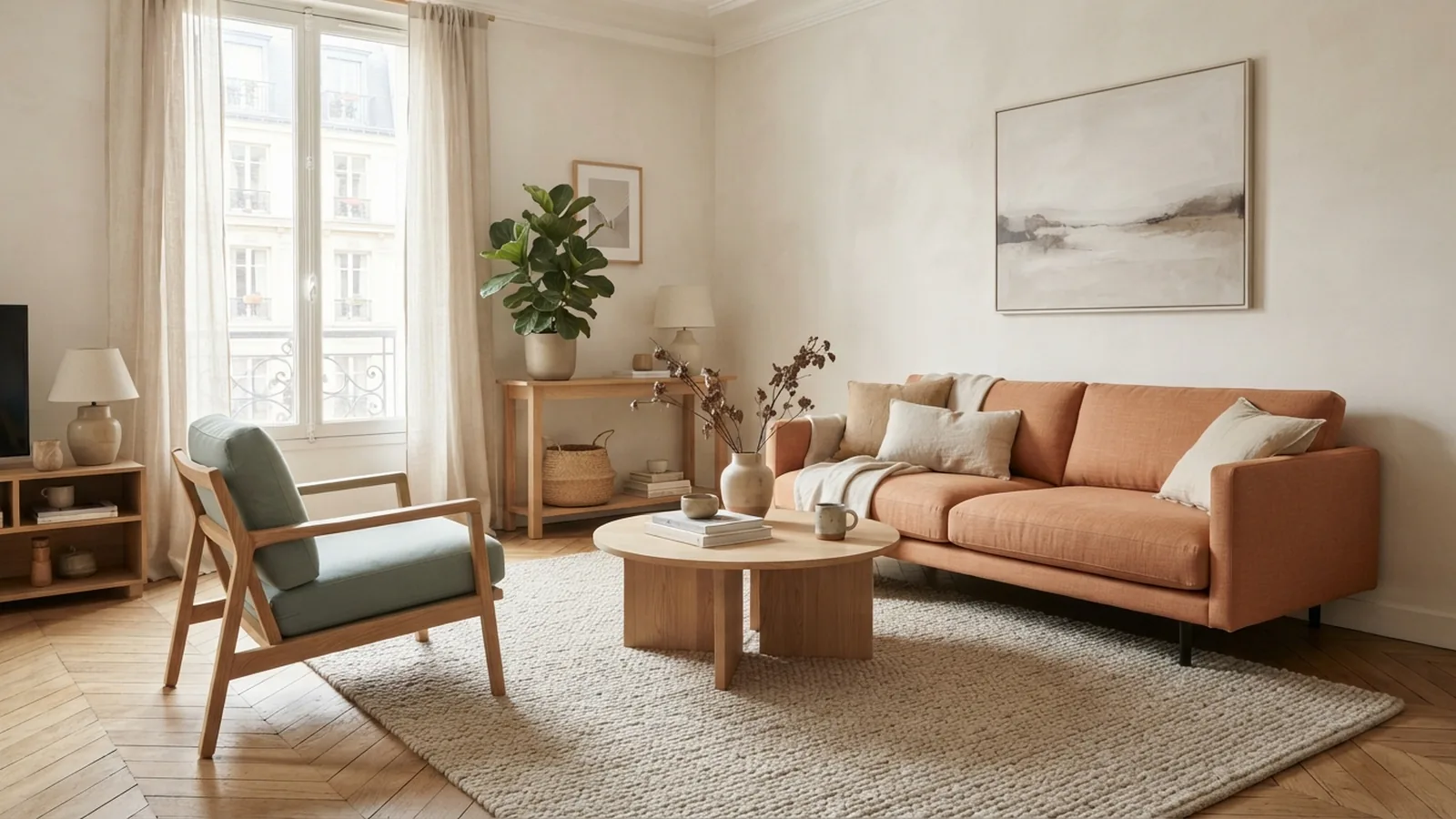
Understanding Rug Sizes for Living Rooms
A living room rug should fit the seating area, not just the coffee table. It acts as a visual anchor and brings the sofa, chairs, and table together. The right rug can also define a living zone in an open-plan home.
Measure the furniture group before you shop. Include the sofa, chairs, and any chaise in your measurements. Mark the planned rug edges with painter’s tape. This helps you judge the size in the room before you buy.
Common living room rug sizes include 5' x 8', 6' x 9', 8' x 10', and 9' x 12'. Treat them as starting points, not set rules. A compact seating nook may suit a 5' x 8' rug. A large sofa group may need a 9' x 12'.
- Small seating area: Try a 5' x 8' or 6' x 9' rug.
- Medium room: An 8' x 10' often holds a sofa and chairs.
- Large or open room: Consider a 9' x 12' for the full group.
Leave about 8 to 24 inches of bare floor between the rug and walls. A small room may need less open floor. A larger room can show a wider border. This clearance helps the rug feel placed, not wall-to-wall.
These living room rug size guidelines answer a common question: how should a rug fit in a living room? Aim for a rug that links the main seats and leaves a clear floor border. Room shape and furniture size both matter.
Place the Rug to Link the Seating Area
Center the rug beneath the seating group, not just beneath a window or ceiling light. Let the sofa set the position, then turn chairs toward the coffee table. The rug should connect those pieces into one clear zone.
There are two useful ways to place the main seats. Set all furniture legs on the rug for a unified look. Or place only the front legs on it when the room is tight. Either layout can work if the seats still feel linked.
Keep the coffee table fully on the rug. This grounds the center of the seating area and avoids an awkward rug edge beneath the table. Leave enough rug around the table for the nearby seats to share its visual base.
Keep rug edges clear of door swings and busy paths. In a narrow room, leave a few inches beside the rug for walking. Check the view from the doorway as well as from the sofa. A small shift can improve the balance.
- Use all legs on the rug for a large, joined seating group.
- Use front legs only when you need more visible floor.
- Keep the coffee table fully on the rug.
- Leave doors and main walkways clear.
For rug placement in living room layouts, test the edges before settling on a size. Tape the outline and move chairs through their usual paths. This quick check can reveal a rug that blocks a door or leaves a seat outside the group.
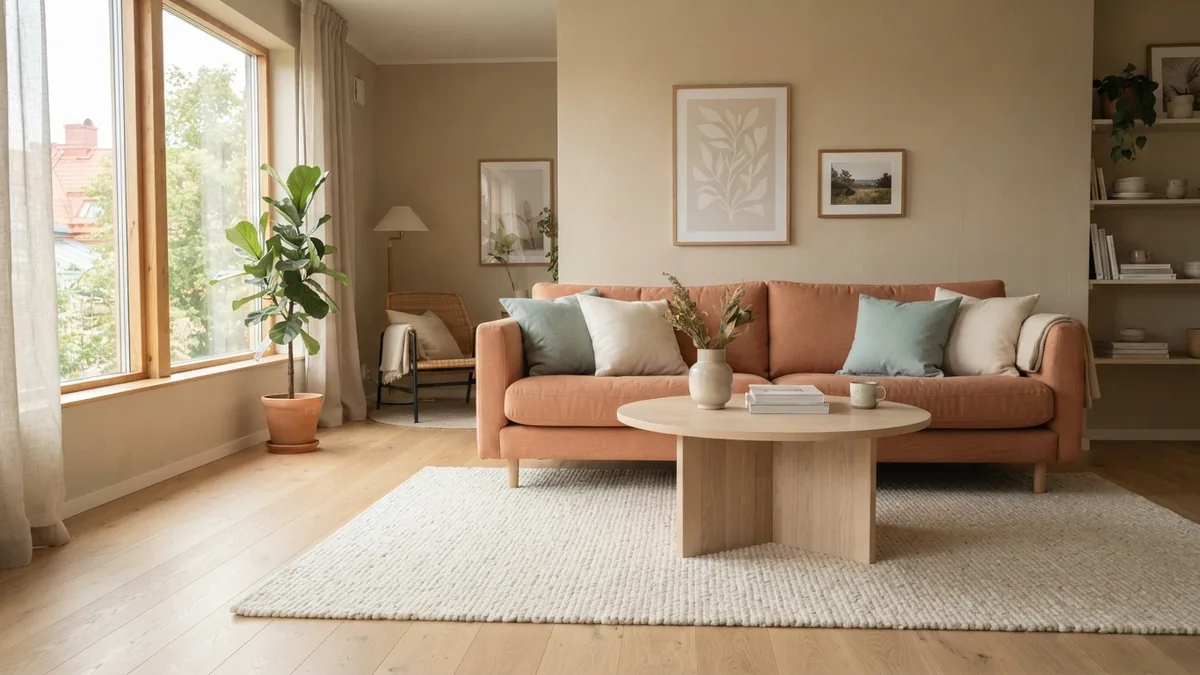
Choose a Rug Layout for Your Furniture
A sofa with one or two chairs often works well with the front-legs-on layout. Place the rug beneath the front feet of each seat, then center the coffee table on it. This gives the group a shared base without needing a very large rug.
A broad seating group can take a rug with all main furniture legs on it. Keep the rug edge beyond the chairs, so their feet do not sit right on its border. This layout can make an open living room feel more settled.
A floating rug sits within the seating area, with the coffee table fully on it. Keep the sofa’s front legs near the rug edge. Avoid a wide gap between the sofa and rug, or the group may feel split apart.
For a sectional, measure the full outer shape, including the chaise. Try to bring the rug beneath the front feet along the sofa and chaise. Tape the outline first. This can help you compare an 8' x 10' rug with a 9' x 12'.
If you are wondering, “will my couch fit in my living room,” measure the couch and the walking paths first. Add the rug outline to the floor plan, then check that doors and seats still have room. A rug cannot make an oversized couch fit, but it can help the layout read as one zone.
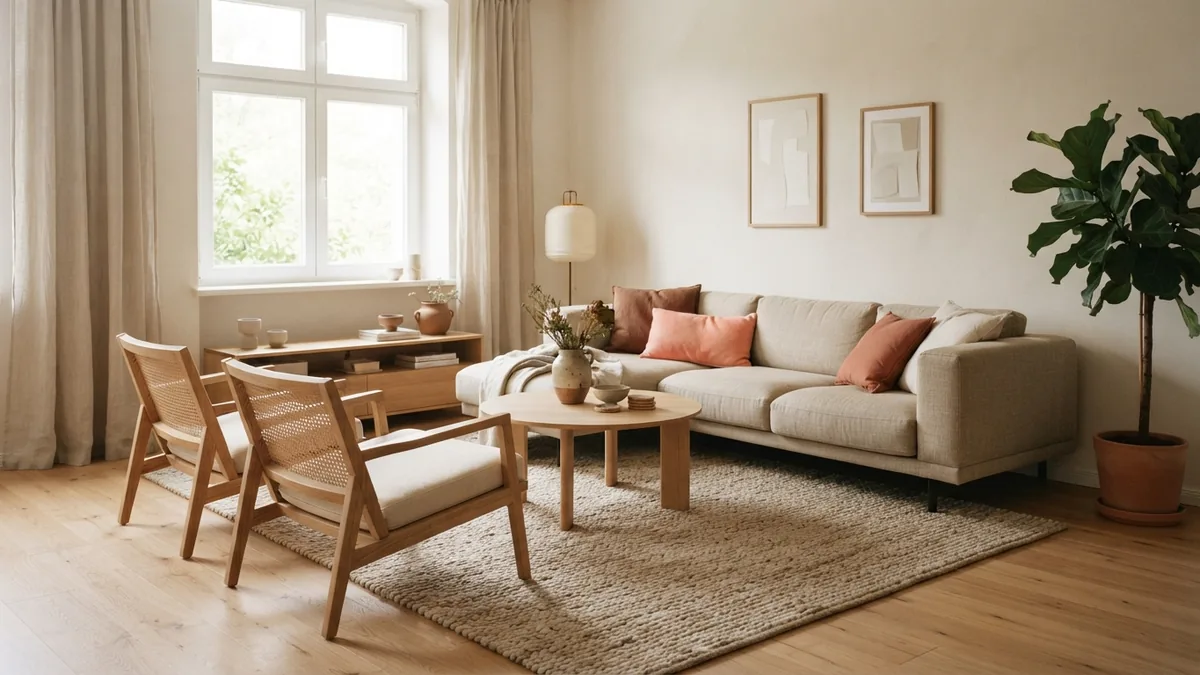
Avoid Common Rug Placement Mistakes
A rug that is too small can make the room feel disjointed. If only the coffee table sits on it, the seats may look like separate pieces. Choose a size that reaches beneath at least the front legs of each main seat.
Do not push the rug too far under the sofa. Much of its surface can disappear, leaving little rug around the table. Move it forward until the seats feel linked and the table stays fully supported.
Check doors, walkways, and floor edges before you settle on placement. A rug should not block a door or create a raised edge in a main path. A rug pad can help keep it flat and steady.
Do not cut a finished rug to solve a sizing problem. Its edges may fray, and the shape may look uneven. If you are searching how to cut a rug to fit a room, first check for a custom-size option or choose a smaller rug with a bound edge.
- Measure the seating group instead of buying by room size alone.
- Do not let the coffee table straddle a rug edge.
- Avoid placing just one chair leg on the rug.
- Leave visible floor around the rug where space allows.
Look at the rug from more than one angle. A placement that looks centered from the sofa may seem off from the entry. Move it in small steps until the furniture and floor feel balanced.
Pick a Material That Suits the Room
Choose a rug material based on how the room is used. Wool feels soft underfoot and can suit a busy seating area. Cotton is often lighter and easier to move. Natural fibers can add texture, though some feel rougher under bare feet.
Think about spills, pets, and foot traffic before choosing a pile. A low-pile rug is often easier to clean and move furniture across. A deep pile can feel cozy, but chair legs may catch or sink into it.
Check care needs before you buy. Some rugs need spot cleaning, while others allow gentle washing. Use a rug pad that suits the floor beneath it. This can add grip and help limit wear.
Color and pattern affect how the rug reads in the room. A quiet pattern can hide everyday marks better than a plain, pale surface. Choose colors that sit well with the sofa and floor, rather than matching every item exactly.
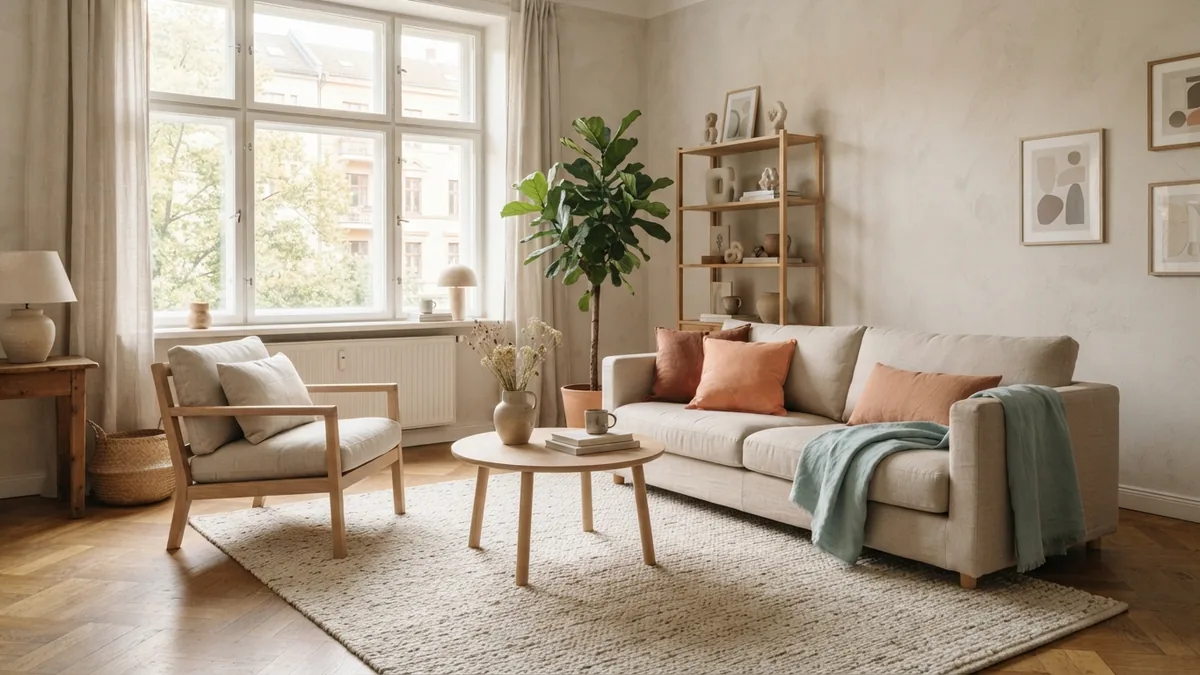
Keep the Living Room in Balance
A well-sized rug links furniture, sets a clear seating zone, and leaves enough floor to frame the group. It should feel connected to the sofa and chairs without crowding the walls. These are the core ideas behind how a rug should fit in a room.
For an open-plan space, use the rug to mark the living area. Keep its shape aligned with the seating group, even if the room itself is long or uneven. This helps the living zone feel distinct without adding a screen.
For a dining space, size the rug so chairs stay on it when pulled back from the table. A useful test is to place each chair in its usual position, then pull it out as if someone were sitting down. The rug should still support the chair legs.
If you ask how should a rug fit under a dining room table, think about both the table and the chairs. Leave enough rug beyond the table edge for chairs to move without catching on the rug border. Dining areas often need more room than a table-only measurement suggests.
Make the final choice with tape, furniture measurements, and the room’s paths in mind. How should a rug fit in living room settings? It should ground the main seats, hold the coffee table, and leave a clear floor border. A thoughtful fit makes the room feel calm and joined.
Frequently asked questions
- How should a rug fit in a living room?
- The rug should link the main seats and hold the coffee table fully. Leave a visible floor border around it when space allows.
- How should a rug fit in living room layouts with a small sofa?
- A smaller rug can work if it reaches beneath the front legs of the sofa and chairs. Keep the coffee table fully on the rug.
- How should a rug fit under a dining room table?
- Choose a rug large enough to support chairs when they are pulled back. Test with the chairs in their usual seated position.
- How to cut a rug to fit a room?
- Cutting a finished rug can leave rough or frayed edges. Look for a custom size or choose a smaller rug with a bound edge instead.
- Will my couch fit in my living room?
- Measure the couch and check doorways and walking paths before moving it in. Tape the couch and rug outlines on the floor to test the layout.
Related reading
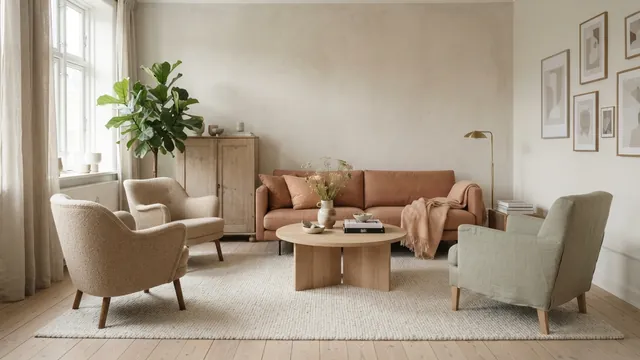
Living Room Rugs — Size, Placement, and Style
Find a rug size that anchors your seating and suits the room.
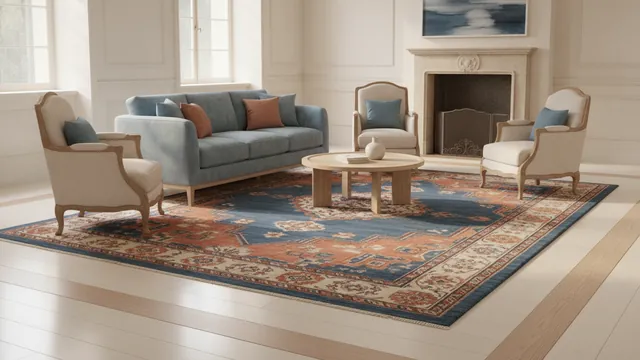
Can a Rug Be Too Big for a Room? Find the Right Size
Find the right rug size for balance, comfort, and better furniture placement.
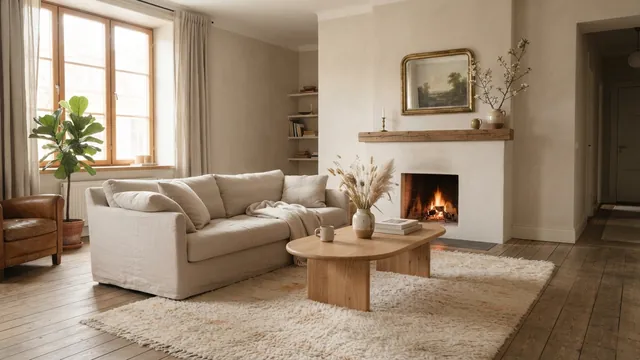
Couch Placement—Flow, Focus and Comfort
Place your couch to frame a focal point, keep paths clear, and make the room feel balanced.