How to Choose the Right Carpet Size and Placement in a Living Room
Find the right living room carpet size, placement, and style with easy measuring steps.
Understanding Carpet Sizes
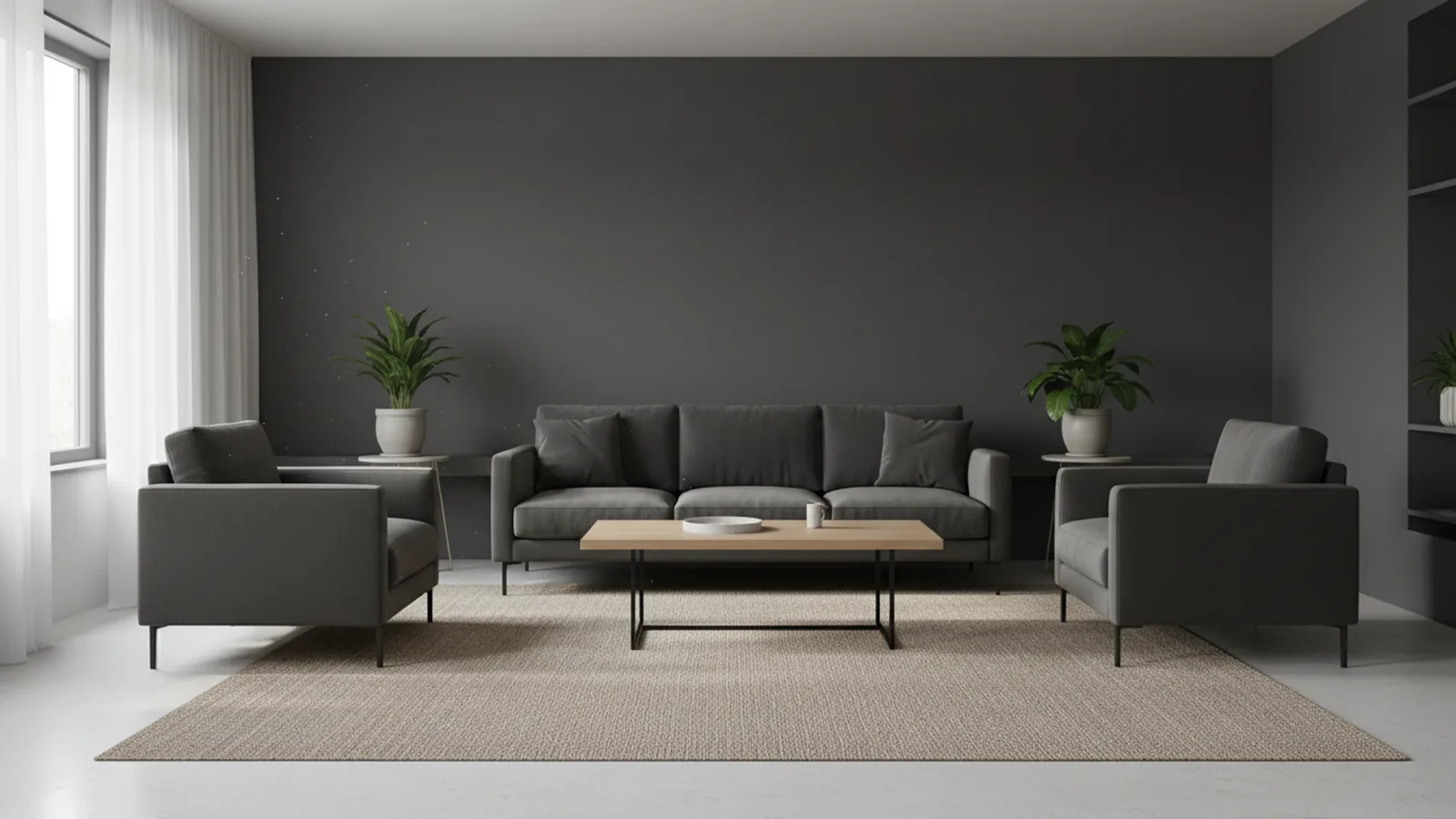
If you are asking, “what size carpet for living room should I buy?”, the best answer is based on the room’s layout, not the label on the store tag. A living room carpet should anchor the seating area and keep foot traffic lines clear. Most people end up happiest when they can see a band of floor around the rug and when key furniture legs sit on top of it.
Carpets come in standard area sizes, but your fit depends on how you treat furniture. A rug that works with a sectional often needs different coverage than one that supports a sofa and chairs. This is why “how to choose carpet for living room” starts with your furniture arrangement and walk paths.
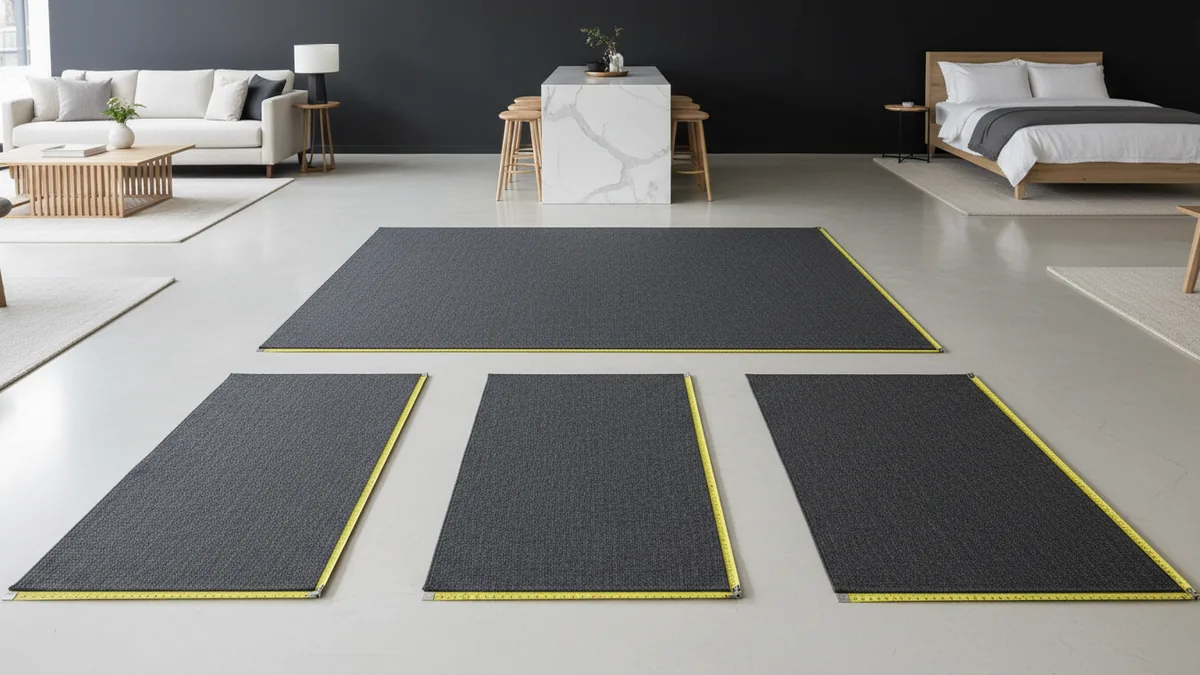
Here are common rug sizes you will see and what they typically cover:
- 5×8 ft: Great for small seating zones or apartments. Often used under a loveseat plus a side chair.
- 6×9 ft: A common sweet spot for medium living rooms. Usually fits a sofa and two chairs with room to spare.
- 8×10 ft: Works well for larger layouts. Good for grouping sofas and multiple seating pieces.
- 9×12 ft and above: Best for big rooms or when you want more wall-to-wall coverage feel.
Remember that “carpet” and “rug” are often used interchangeably. In practice, you are planning visible floor space plus the seating footprint, so think in terms of space planning.
Choosing the Right Size for Your Living Room
To answer “how much to carpet living room,” start by defining the seating zone you want to unify. Place the rug so it frames the sofa, then extends under the front legs of chairs or the coffee table area. If you have a sectional, aim to cover the area where people actually sit, not just the center of the room.
A helpful rule is to choose a rug that fits the seating group first, then confirm it still leaves floor visible at the edges. Many designers aim for about 8 to 18 inches of visible floor around the rug perimeter. Wider borders look calmer in larger rooms. Narrow borders can work when the room is tight, or when you want the rug to feel larger.
Major furniture pieces matter here. Before you commit to a size, include the sofa and chairs in your “test fit.” If the front legs of your sofa float above the rug, the rug can look too small. If the rug runs far under the entire room, it can swallow the space and make furniture feel disconnected from walls.
Compatible rug sizes for common living room dimensions:
| Living room size (approx.) | Seating style | Rug size that often fits |
|---|---|---|
| 10×12 ft | Sofa + 1 chair | 5×8 ft |
| 12×14 ft | Sofa + 2 chairs | 6×9 ft |
| 14×16 ft | Sofa + chairs + coffee table | 7×10 or 8×10 ft |
| 15×20 ft | Sectional or large grouping | 8×10, 9×12 ft |
| Small open plan | Room shares space with dining | Choose two zones carefully |
Also, be careful with “what size carpet for dining room” if you share space. If dining sits in the same footprint, you will need a separate plan for each zone. A frequent setup is a dining rug that sits under the table and extends with chairs, while the living room rug anchors seating. Trying to use one rug for both zones can force odd overlaps.
Placement Guidelines for Living Room Carpets
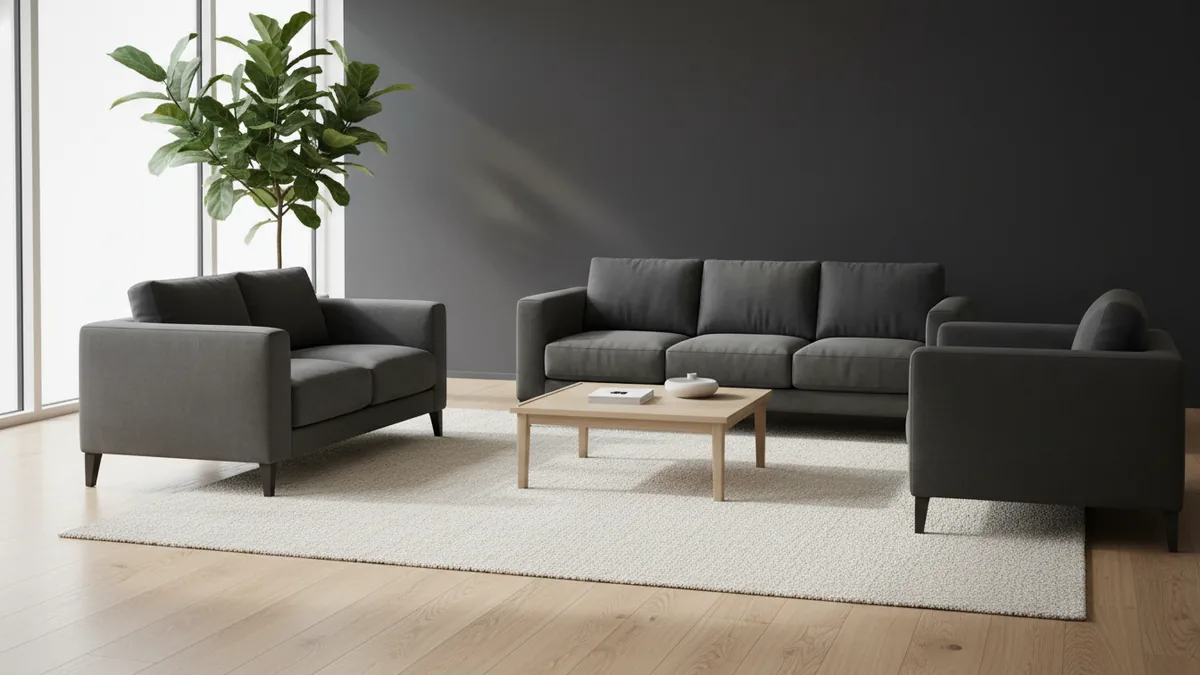
When you are learning “how to place carpet in living room,” start with the rule that the rug should center on the seating grouping, not the doorway. Door traffic should flow around the rug edges. If you center a rug only by the room’s walls, it can clash with how people move between areas.
Use your furniture arrangement to set three reference points: the sofa front edge, the chair fronts, and the path to entry or hallway. Then position the rug so those points land where the rug makes the room feel intentional. This is where furniture arrangement and rug placement come together.
Try these practical placement methods:
- Two-leg rule: Front legs of the sofa sit on the rug. Add at least one leg of each side chair if space allows.
- Chair inclusion: If chairs pull out from the sofa, make sure the rug covers the chair’s resting area plus a small buffer.
- Coffee table coverage: Ideally, the coffee table sits on the rug. If that is not possible, at least place it so the table is not “hanging” off the rug edge.
- Hallway clearance: Keep the rug edge far enough from the doorway that you do not create a trip line.
If you use a sectional, measure the “footprint” where people sit. Place the rug so it reaches under the main chaise or seating end. For floating rugs on hard floors, consider a pad to stop sliding and to maintain the rug’s flat look.
Measuring Your Space for Carpeting
“How to measure carpet for living room” sounds simple, but small errors cause big mismatches. Start by measuring the entire room and then measure the seating zone separately. The seating zone is the part you want the rug to define.
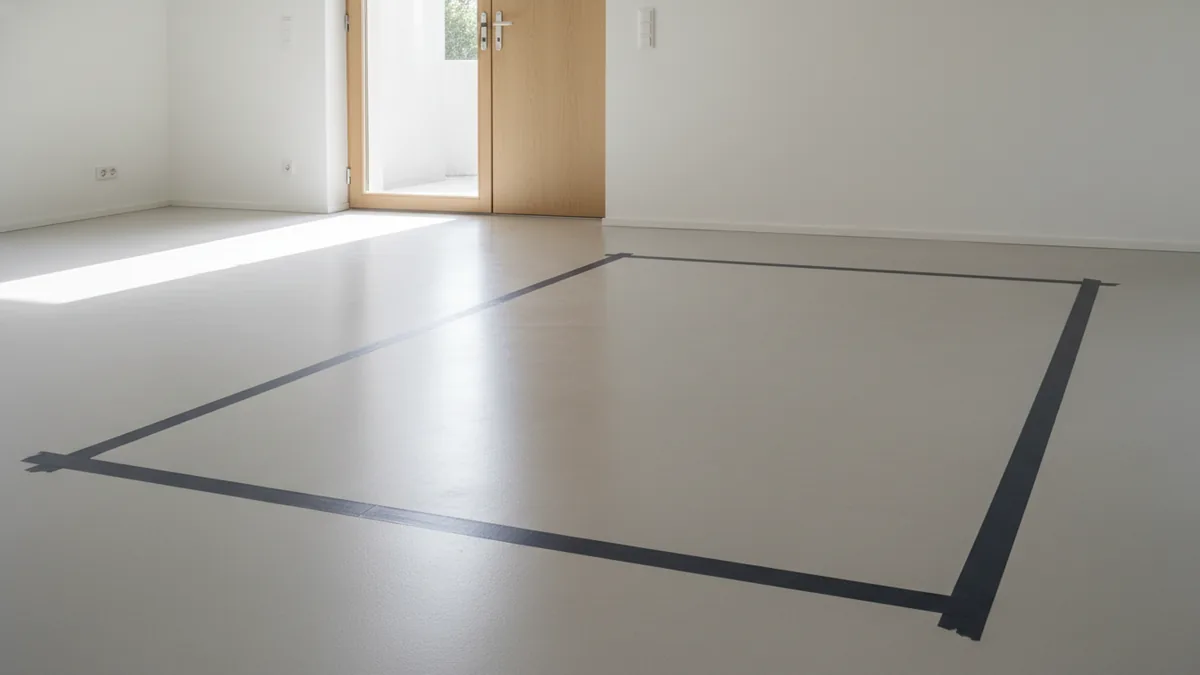
Do this with a tape measure and masking tape. First, measure your sofa width, then measure chair widths and where they sit relative to the sofa. Add the distance you want from the rug edge to the furniture, usually about 6 to 12 inches. This helps you keep comfortable floor space around the rug.
Carpet measuring techniques that reduce mistakes:
- Trace the seating footprint: Put paper or tape outlines on the floor where sofa and chairs sit.
- Mark rug edges: Add your desired border (often 8 to 18 inches) and mark the rug rectangle.
- Check door swings: Open doors and check that they clear the rug without shifting it.
- Re-measure at an angle: If furniture is angled, measure along the rug’s likely orientation, not only the room’s straight walls.
- Confirm chair pull: Pull a chair out to its “sit and lean” position. Make sure the rug still supports it.
Then convert your marked rug size into standard options. If your ideal measures 6 feet 3 inches wide, a 6×9 rug may work better than a 5×8 if your seating group is larger. When in doubt, lean one size up. It is easier to trim the visual feel by adjusting placement than to force a small rug to cover a large seating plan.
Also, consider “how to deal with carpet in dining room” when your living room transitions into dining. If you place dining and living rugs close together, you want a clear boundary. Leave a small gap or align edges so the transition looks planned, not accidental.
Trends in Living Room Carpeting
Living room trends are shifting from purely decorative rugs to tools for space planning. People want rugs that define zones in open layouts while still feeling flexible. This is why “is carpet in living room outdated” keeps coming up. In most homes, the answer is no. Rugs help with comfort, sound, and visual structure.
One trend is the move toward larger rugs that cover more of the seating footprint. Instead of small accent rugs, many rooms now use a size that includes chair fronts. Another trend is layered styling, where a neutral base rug anchors the room and a smaller runner or patterned layer adds texture. That said, layering only works when the base rug is sized well first.
Modern living room trends also favor durable materials and low-maintenance looks. You will see more performance fibers and tighter patterns that hide everyday wear. If your household has high traffic or kids, choose styles that will still look tidy after months of use.
Finally, people are paying attention to how rugs interact with flooring. The most current rooms often keep a consistent border of floor around the rug to avoid visual clutter. This ties back to the visible floor guidance and helps your living room look balanced.
Selecting Carpet Color and Texture
Once the size and placement are right, “how to choose carpet for living room” turns into “how to choose carpet color for living room.” Start with your decor coordination. Look at your largest surfaces first, like the sofa color and wall tones. Then decide whether you want the rug to blend in or to create contrast.
If your living room has a lot of light, choose textures that add warmth without darkening the space. A medium tone rug with subtle variation can keep the room lively. If your room is darker, lighter rugs can open it up. For contrast, try a rug one or two steps darker than your walls and one step lighter or similar to your sofa, so nothing feels harsh.
Use texture to solve design problems. A low-pile rug feels crisp and works well under coffee tables. A higher pile feels softer and can make a room feel more casual. If your decor includes sleek furniture and minimal lines, a plush texture adds comfort without needing bold patterns.
Practical color and texture tips:
- Match undertones: Keep rug undertones close to your sofa and wood finish.
- Repeat a small accent: Pull one color from pillows or art to keep the room tied together.
- Choose pattern scale: Small patterns work in compact rooms. Bigger patterns can define larger seating zones.
- Watch shedding and vacuuming: Texture changes care needs. Pick what fits your routine.
If you are unsure, test your choice with swatches next to your sofa. Lighting changes color fast. Morning and evening light can make the “same” rug look different by a surprising amount.
Frequently asked questions
- What size carpet for living room usually works best?
- Most living rooms land on 6×9 ft or 8×10 ft, depending on sofa and chair layout. If your seating is smaller, 5×8 ft can work if chair legs are still supported.
- How do I choose carpet for living room without buying the wrong size?
- Start with a floor plan for your sofa and chairs. Mark the rug rectangle with tape, then compare your measurements to standard rug sizes.
- How to place carpet in living room when I have a sectional?
- Anchor the rug to the main seating footprint and aim to cover the chaise or main seat end. Keep doorway and walkway edges clear so the rug does not create a trip line.
- How much to carpet a living room if it is open to dining?
- Treat living room and dining as separate zones. Use separate rugs, or align edges with a small gap so the transition looks intentional.
- How do I deal with carpet in dining room when chairs slide out?
- Choose a dining rug sized for table and chairs at full pull-out distance. Leave consistent border space under chairs so they stay supported when someone stands up or pulls back.
- Is carpet in living room outdated compared to hardwood-only looks?
- No. Rugs are widely used to define zones, add comfort, and reduce echo in open layouts. The key is choosing the right size and keeping clear floor borders.
Related reading
Couch Placement — Comfort, Flow, and Style
Arrange couches for easy movement, good conversation, and a balanced room.
Small Kitchen Design — Light, Space and Smart Storage
Use light, smart storage, and slim furnishings to make a small kitchen feel more open.
Living Room Paint — Measurements and Buying Tips
Measure your walls, count coats, and buy the right amount of living room paint.