How to Remodel a Living Room Without Losing Control of the Budget
Plan your living room remodel with smart steps, style ideas, and clear cost ranges.
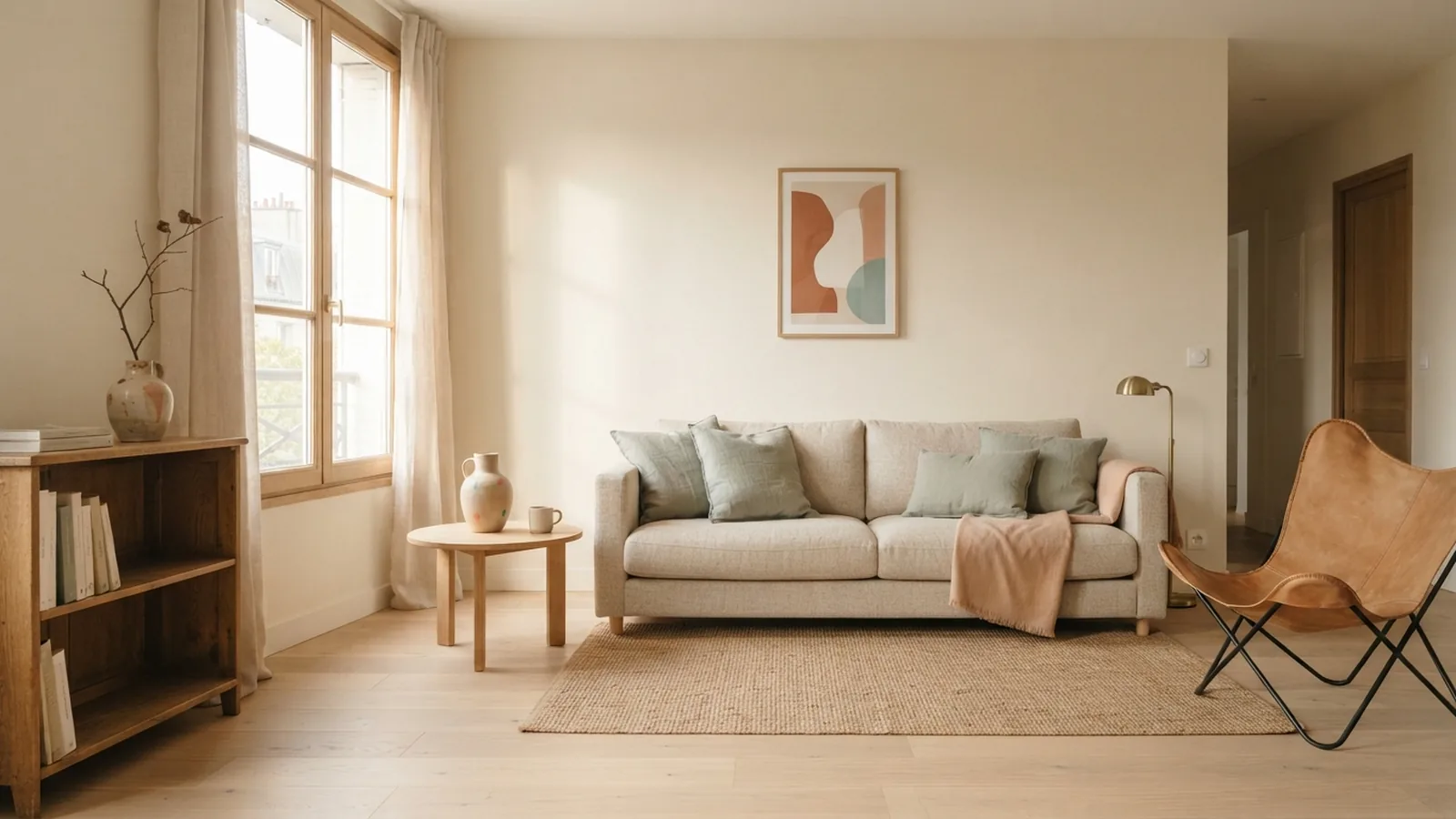
Understanding Your Living Room Remodel
To remodel a living room, start with its purpose, limits, and budget. Decide how the room should feel and work each day. You may want a modern space for guests, a cozy room for rest, or a flexible area for work and play.
Walk through the room at different times of day. Note poor light, tight paths, worn floors, and unused corners. Measure every wall, door, window, and outlet. These facts will shape your plan.
Next, split your wish list into three groups. Keep essential repairs at the top. Place useful upgrades in the middle. Save purely decorative changes for last.
- Function: Decide where people will sit, walk, read, work, and store items.
- Style: Choose a clear look, such as Japandi, coastal, farmhouse, or classic.
- Scope: Decide whether you need paint and furniture or a full room rebuild.
- Limits: Check your budget, timeline, skills, and local building rules.
Key Steps in the Remodeling Process
A good remodel follows a set order. This keeps design choices, costs, and work in line. It also helps you spot problems before they grow.
- Inspect the room. Check the walls, floor, ceiling, windows, outlets, and heating.
- Set the goal. Write one clear sentence about the room you want.
- Measure and plan. Draw the room on paper or use a simple floor plan tool.
- Set a budget. Add a reserve of 10% to 20% for hidden costs.
- Choose finishes. Pick paint, flooring, lighting, curtains, and key furniture.
- Order materials. Confirm sizes, delivery dates, and return terms.
- Prep the space. Remove furniture and protect floors that will stay.
- Complete the work. Finish repairs first, then floors, paint, lights, and furniture.
- Check the result. Test lights, doors, outlets, and safe walking paths.
Work from messy tasks to clean tasks. Handle wiring, wall repairs, and flooring before final styling. Paint usually works best before new furniture arrives.
Keep a simple project file. Save measurements, receipts, paint names, and product details. This record helps with later repairs.
Budgeting for a Living Room Remodel
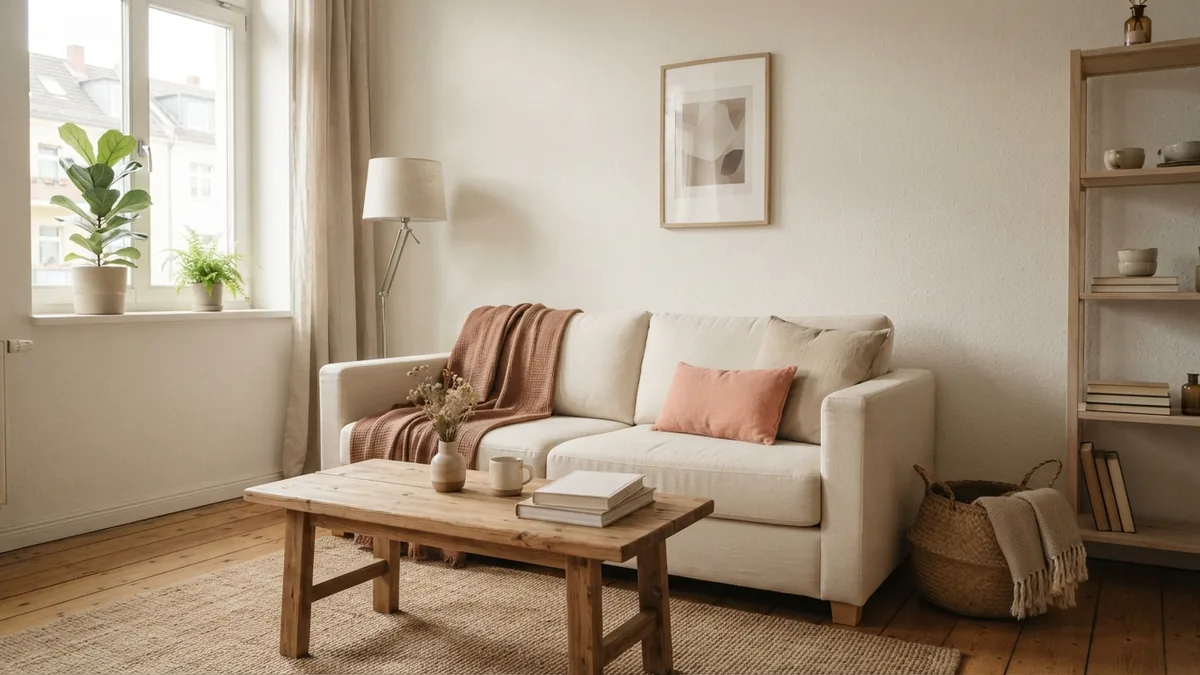
The best way to remodel a living room on a budget is to rank each change. Start with work that fixes a real fault or changes the room most. A new layout and fresh paint may bring more value than many small decorations.
Set a firm spending cap before you shop. Then split it into work, materials, furniture, and a safety reserve. Do not spend the full amount on visible finishes.
Small swaps can cut the total cost. Paint walls instead of replacing them. Refinish sound floors instead of fitting new ones. Buy one strong light fixture and use lamps for added warmth.
- Keep the current floor if it is safe and sound.
- Use mid-range paint with good wall coverage.
- Shop used furniture for tables, shelves, and solid wood pieces.
- Replace worn covers instead of replacing sound seating.
- Use open shelves or baskets for low-cost storage.
- Change one large focal point before adding many small items.
Phase the project when cash is tight. Paint and move furniture first. Add flooring, built-ins, or new seating later.
Get at least three labor quotes for major work. Ask each trade to list labor, supplies, waste removal, and taxes. A low quote may omit key costs.
Popular Styles and Design Choices
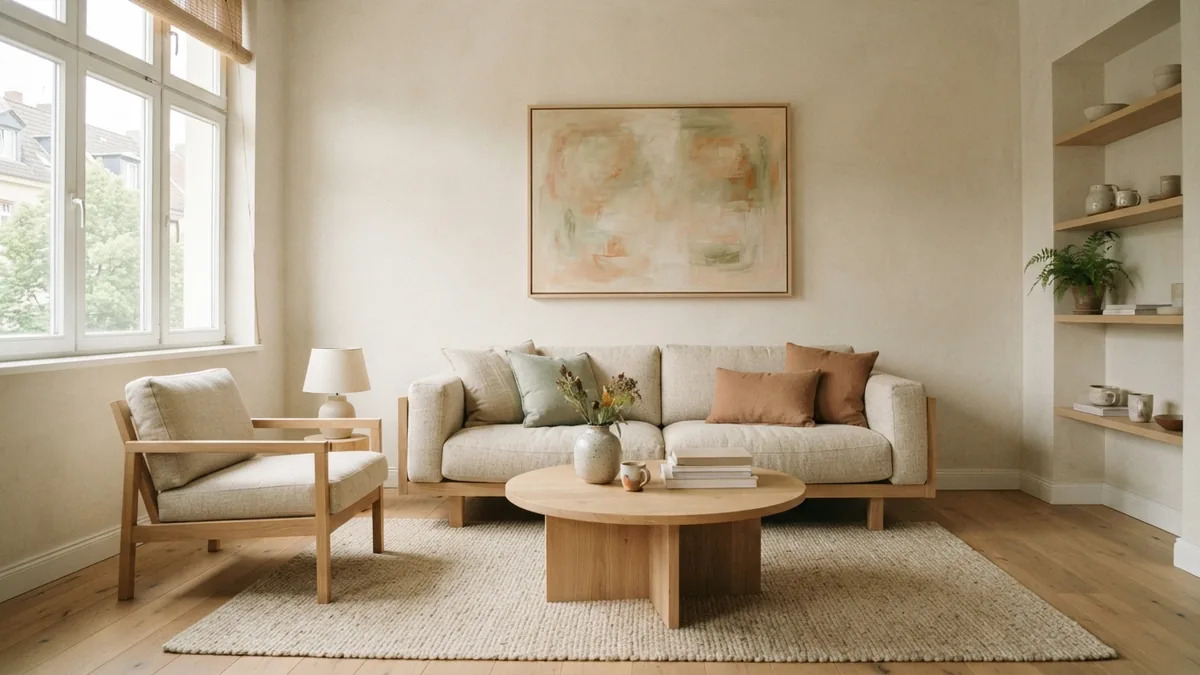
Contemporary rooms use clean lines, simple forms, and a calm color palette. Try warm white walls, pale oak, soft beige seating, and one muted terracotta accent. Keep shapes neat but avoid making the room feel bare.
Traditional rooms use balance, rich texture, and familiar furniture forms. A pair of lamps, framed art, wood tables, and layered curtains can create this look. Choose warm cream, olive, tan, or deep rust for color.
Minimalist rooms focus on useful items and clear space. Choose fewer pieces, then give each one room to stand out. Closed storage helps keep surfaces calm.
Japandi blends Japanese restraint with Nordic warmth. Use low furniture, pale wood, linen, ceramics, and soft sage. Coastal rooms can use woven textures and sandy tones without bright blue themes.
Choose one base color, one wood tone, and two accent colors. Repeat those choices through rugs, cushions, art, and curtains. This method keeps the room tied together.
DIY Remodeling or Hiring Professionals?
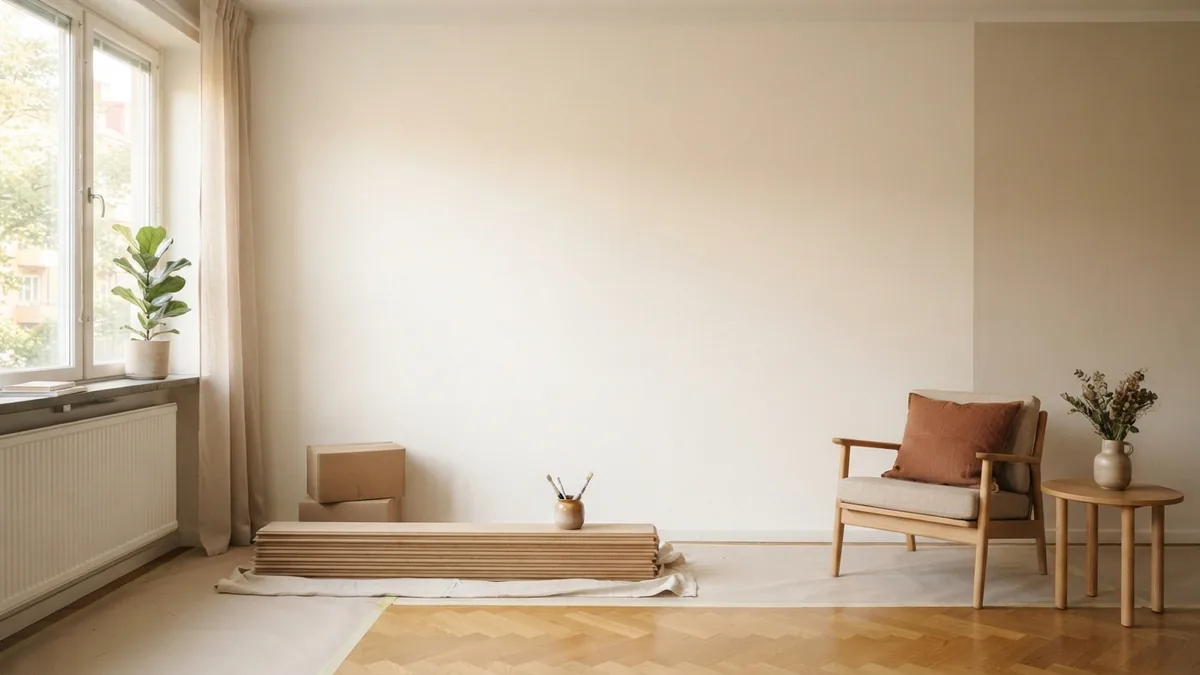
DIY work can lower labor costs and give you more control. Painting, simple shelving, furniture repair, and decor setup suit many homeowners. These tasks also let you work in short sessions.
DIY work still has a time cost. A room that takes a professional two days may take a beginner several weekends. Mistakes can also raise the final bill.
Hire a skilled trade for electrical work, gas work, structural changes, and major wall removal. Poor work in these areas can cause fire, water, or safety risks. You may also need permits and inspections.
A mixed plan often works best. Hire help for risky work. Complete painting, shopping, and styling yourself.
| Task | Good DIY fit? | Main concern |
|---|---|---|
| Painting | Often | Prep time and neat edges |
| Furniture assembly | Often | Fit and wall safety |
| Floor fitting | Sometimes | Skill, tools, and waste |
| New wiring | No | Fire risk and local rules |
| Wall removal | No | Structure and permits |
How Much Does It Cost to Remodel a Living Room?
The cost to remodel a living room depends on room size, finish level, local labor, and project scope. A light refresh may cost $500 to $2,500. A mid-range update often costs $3,000 to $10,000.
A major remodel can cost $10,000 to $25,000 or more. This range may include new flooring, built-ins, lighting, plaster work, and custom furniture. Structural changes can push the total higher.
| Remodel type | Materials | Labor | Typical total |
|---|---|---|---|
| Light refresh | $300–$1,500 | $200–$1,000 | $500–$2,500 |
| Mid-range update | $1,500–$5,500 | $1,500–$4,500 | $3,000–$10,000 |
| Major remodel | $5,000–$14,000 | $5,000–$11,000 | $10,000–$25,000+ |
Paint may cost $150 to $600 for supplies. New flooring may run $1,000 to $5,000 for a mid-size room. A quality sofa can add $800 to $3,000.
Lighting, curtains, rugs, and storage can add another $500 to $4,000. Built-in shelving often costs $1,500 to $6,000. Ask for itemized quotes before you approve the work.
These figures suit many United States projects. Local rates can vary by city, room size, and access. Use them for early planning, not a final quote.
Maximizing Space and Function
Start with the living room layout, not the furniture catalog. Mark the main path from each door. Keep about 30 to 36 inches for a clear walking route when possible.
Place the sofa toward the room’s main focus. That focus may be a window, fireplace, media unit, or view. Avoid pushing every piece against a wall.
Use furniture that serves two jobs. An ottoman can provide seating, storage, and a footrest. A console can hide devices and hold lamps. A daybed can support guests without taking much space.
- Choose nesting tables for flexible surface space.
- Use wall shelves to free floor area.
- Pick sofas with slim arms in small rooms.
- Hang curtains near the ceiling to make walls feel taller.
- Use layered lighting for reading, rest, and guests.
- Leave some empty space around key furniture.
Lighting options matter as much as furniture selection. Combine ceiling light, floor lamps, table lamps, and task lights. Use warm bulbs for a softer evening feel.
Finish with a few decorative accents. Add texture through linen, wool, wood, plants, and ceramics. Stop when the room feels useful and calm.
A Simple Plan for Your Next Step
Begin with a room measure and a short goal statement. Then set your spending cap and rank each change. This keeps the project focused.
Choose the largest visual improvement first. For many rooms, that means paint, layout, flooring, or seating. Delay small purchases until the main work ends.
Review the plan after each quote. Cut low-value items before cutting safety work or the reserve. A controlled project creates a better room with fewer costly surprises.
Frequently asked questions
- How do I start remodeling a living room?
- Start by defining the room’s purpose, measuring the space, and listing needed repairs. Then set a budget and rank each upgrade.
- How much does it cost to remodel a living room?
- A light refresh may cost $500 to $2,500. A mid-range update often costs $3,000 to $10,000, while a major remodel can exceed $25,000.
- How can I remodel a living room on a budget?
- Prioritize paint, layout, lighting, and repairs before decor. Keep sound floors and furniture, shop used pieces, and complete safe DIY tasks.
- What living room work should a professional handle?
- Use licensed trades for new wiring, gas work, structural changes, and major wall removal. These jobs can involve serious safety risks and permits.
- What is the best living room layout for a small space?
- Keep clear paths between doors and key furniture. Choose slim seating, wall storage, nesting tables, and pieces with more than one use.
Related reading
Kitchen Wall Décor — Style and Function
Make a bare kitchen wall feel warm, useful, and thoughtfully styled.
Bathroom Paint — Moisture, Finishes and Cost
Choose bathroom paint based on dampness, airflow, surface prep and finish.
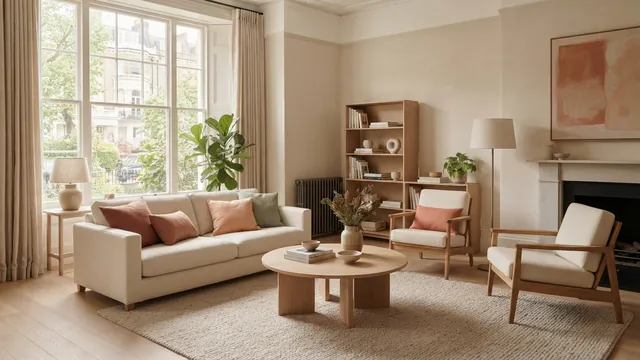
Large Living Rooms — Comfort, Zones and Flow
Make a spacious living room feel warm, useful, and easy to move through.