Large Living Room Walls — Scale, Style, and Warmth
Use scale, art, texture, shelves, and light to make a large wall feel balanced.
Start by Reading the Wall and the Room
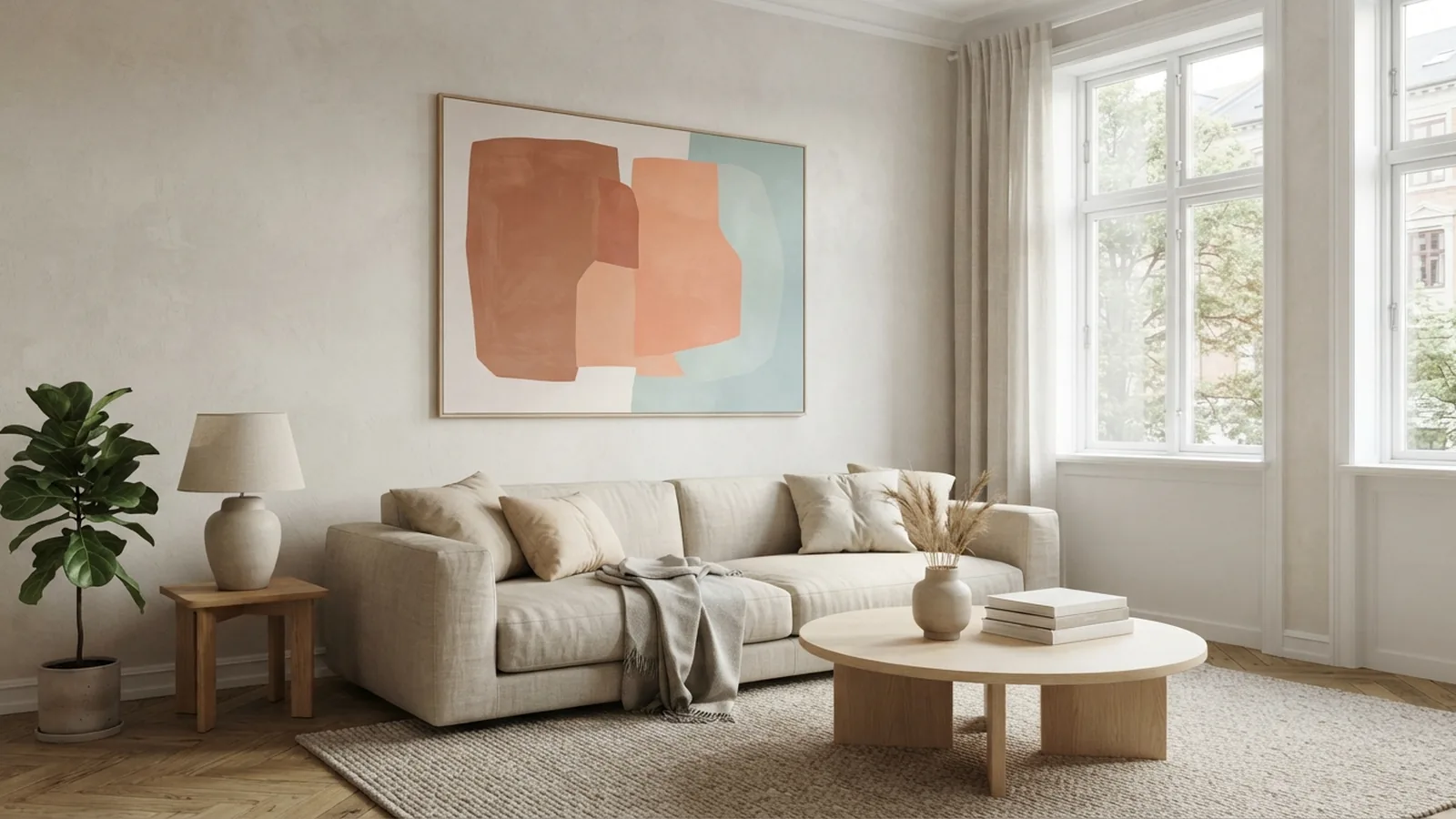
To decorate a large wall in a living room, begin with its size, nearby furniture, and light. Choose one main feature, then add color, texture, or shelves with care. A wall should support the room, not compete with it.
Measure the wall’s width and height, then note doors, windows, outlets, and nearby corners. Take a photo from the main seat. This view shows where the eye naturally lands and how much open space the wall needs.
Scale matters more than the number of objects. One small frame can look lost above a long sofa, while a huge piece may crowd a narrow wall. As a starting point, let art span about two-thirds of the furniture beneath it. Adjust by eye, since ceiling height and furniture shape also affect the fit.
- Mark the wall’s main width and height.
- Measure the sofa, console, or bed below it.
- Stand at the room entrance and check the sightline.
- Leave clear space around doors, windows, and light switches.
If your living room feels too open, treat the wall as part of the room layout. A wide art piece or low shelf can make one area feel distinct without adding a divider.
Give the Wall One Clear Focal Point
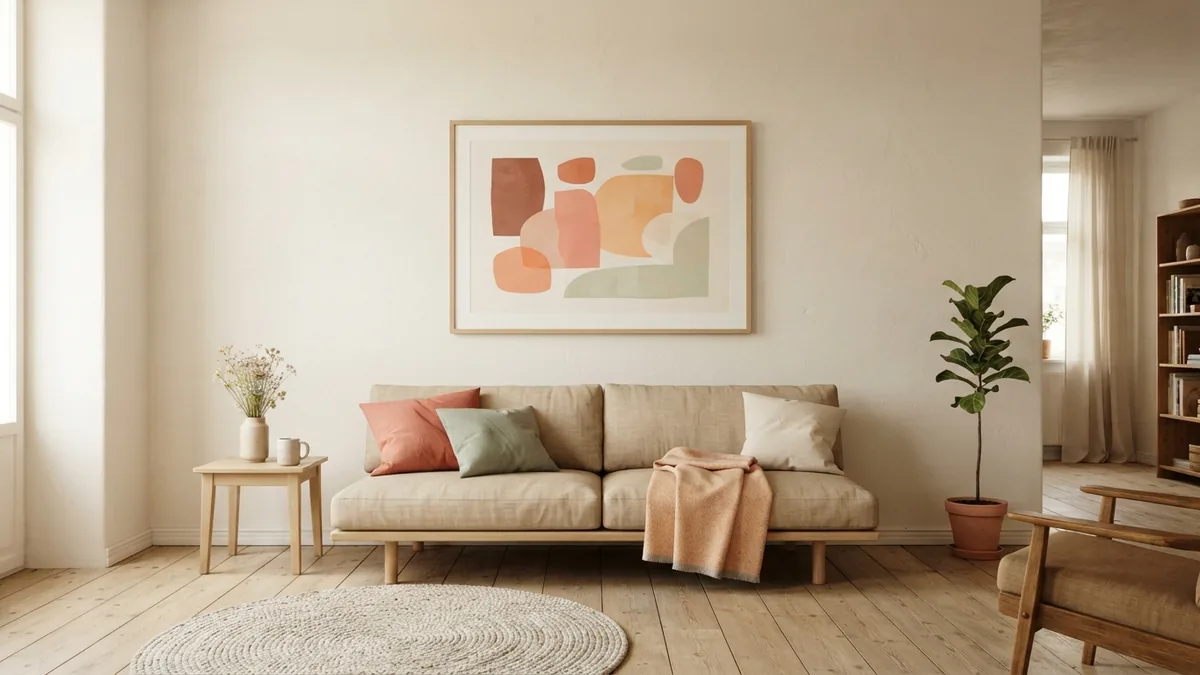
A focal point gives the eye somewhere to rest. It might be one large painting, a framed photograph, a textile, or a balanced gallery wall. Pick the option that suits the room’s style and the scale of the wall.
For a single artwork, hang it near eye level when viewed from the main seating area. Above a sofa, keep a modest gap between the frame and the backrest. The artwork should relate to the furniture, not float near the ceiling.
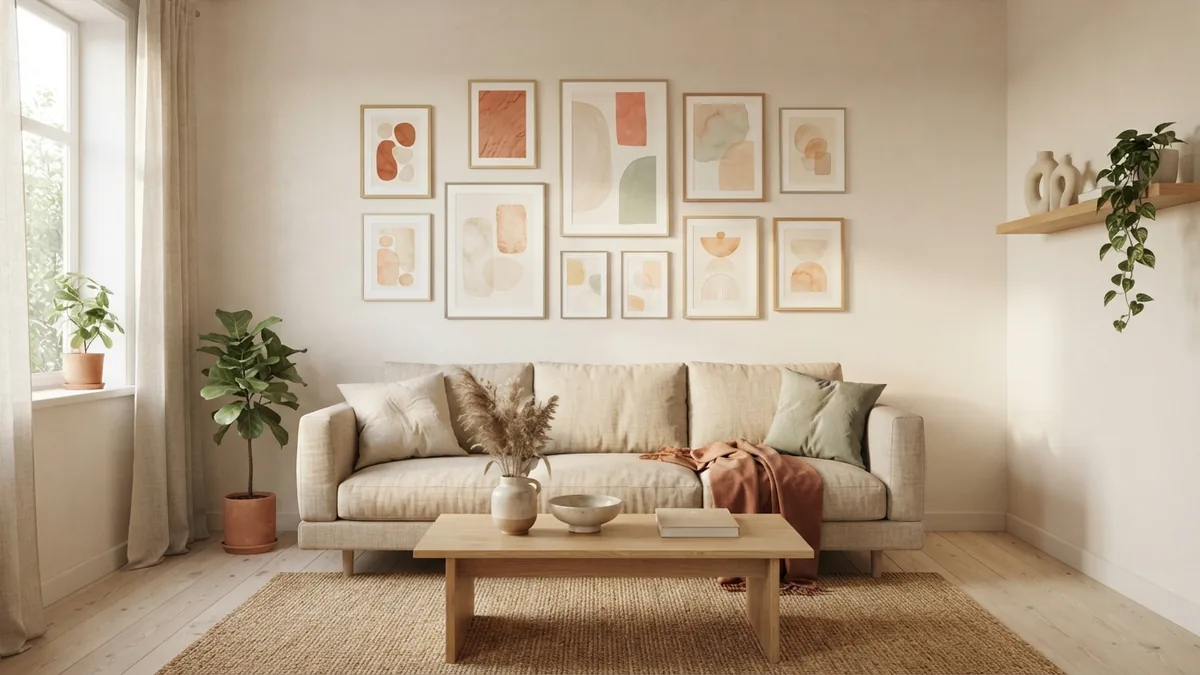
A gallery wall works well when you want several images to feel like one feature. Start with the largest frame, then arrange smaller pieces around it. Keep the gaps even, often around two to three inches, and use a shared color or frame finish to tie the group together.
Before hanging anything, lay the arrangement on the floor or cut paper shapes to match each frame. Tape the shapes to the wall and view them from different seats. This quick test helps you spot an uneven edge or a group that feels too small.
Choose Art and Decor That Suit the Scale
Paintings bring color and shape, while photographs can add a calm, personal note. Textile wall hangings soften a room with woven texture. A mirror can reflect daylight, but place it where it reflects something pleasant rather than a blank corner.
For one large wall, a single piece can create a calm look with little visual noise. Choose a work that fills enough of the wall to relate to the sofa or console below. If you prefer smaller pieces, group them into a clear shape rather than spreading them across the full wall.
Use a mix of sizes with a plan. For example, pair one broad print with two smaller works and a narrow textile. Keep the colors linked, or repeat one frame material across the group. This creates variety without making the wall feel random.
Decorative accents need room around them. A wall clock, small wall sculpture, or hanging plant can add interest, but avoid giving every open spot a job. Empty space helps the main art stand out.
Use Color and Texture to Add Depth
Color can shift the mood of a room. Warm cream, soft beige, and pale green tend to feel gentle, while muted terracotta can add warmth. Look at the rug, cushions, and wood tones before choosing a wall shade or art palette.
Try a painted section behind a sofa if a full accent wall feels too bold. A wide band or soft color block can mark the seating area and help break up a large living room. Keep its edges simple, and test a sample in daylight before painting the whole wall.
Texture adds depth even when the colors stay quiet. Pale wood frames, woven linen, matte ceramics, and brushed metal each catch light differently. Pair two or three finishes, then repeat them elsewhere in the room so the wall feels connected.
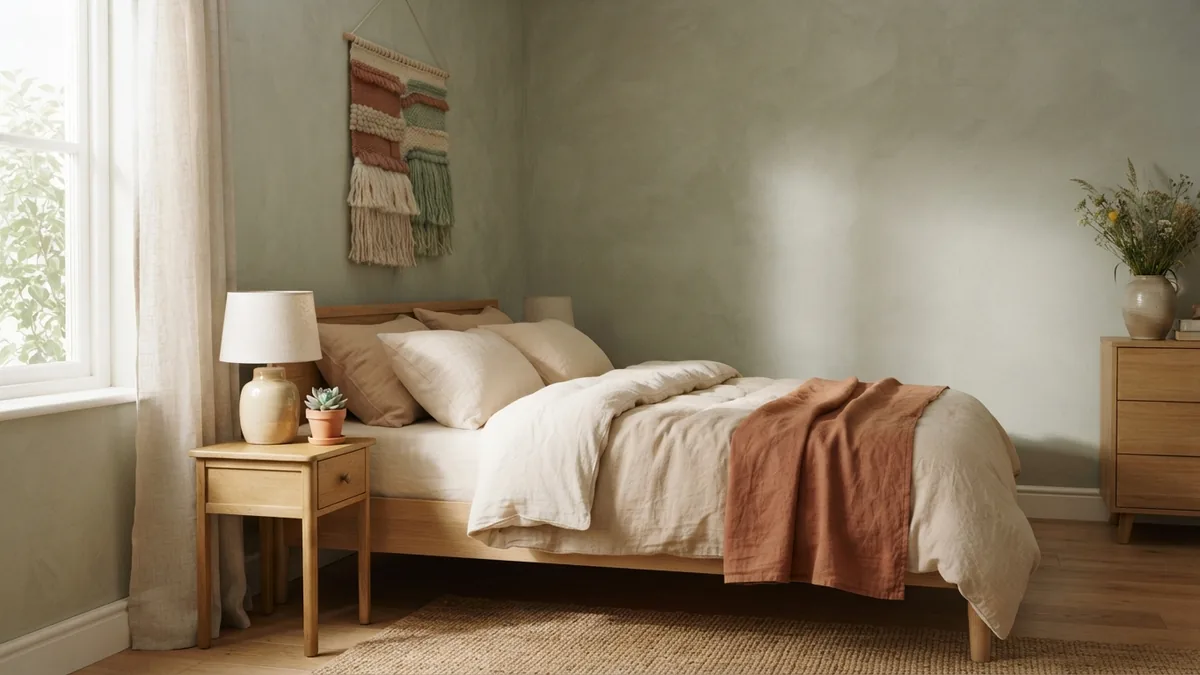
A bedroom wall can use the same approach with softer art and fabric. Place a textile or calm print above the bed, and keep strong colors to a few small accents. The goal is a restful backdrop, not a second focal point.
Bring in Shelves and Furniture Without Crowding
Shelves can break up a large wall and hold books, ceramics, or a few framed pieces. Long, low shelves suit a broad wall, while two narrow shelves can work beside a doorway. Leave space between objects so the display does not become a row of clutter.
Set heavier items on lower shelves and keep fragile pieces away from busy paths. Mix books with a small plant or ceramic bowl, but vary height and shape. A simple edit often looks better than filling every shelf.
Furniture can also give a broad wall purpose. A console table, low cabinet, or pair of chairs can define a spot for reading or display. Keep the furniture in scale with the wall, and leave clear walking space around it.
If you want to know how to break up a large wall in a living room, build small zones with purpose. Art above a sofa, shelves beside a reading chair, or a console under a mirror can make the wall feel planned. Keep each zone linked by color, finish, or shape.
Use Lighting to Bring Out the Wall
Good lighting makes art and texture easier to see. Daylight changes through the day, so check how the wall looks in the morning and evening. A frame that seems bright at noon may feel dull after sunset.
Wall lights can frame a large artwork or bring a soft glow to a shelf. Aim adjustable lamps toward the art, not straight into the room. For framed work, use a bulb that shows color well and does not cast a strong glare.
Table and floor lamps add warmth without fixing anything to the wall. Place one near a console or chair, then check that the light reaches the wall feature. A few gentle sources usually feel more inviting than one harsh ceiling light.
Mind reflections on glass and mirrors. Move a lamp or shift the artwork slightly if glare hides the image from the sofa. Light should draw attention to the wall without becoming the main event.
Finish with a Cohesive, Lived-In Look
Step back and check the wall from the doorway, sofa, and main path through the room. Look for a strong center, balanced edges, and enough open space. If one side feels heavy, move a frame or shift a lamp before adding more decor.
Repeat a few colors and materials across the room. A pale oak frame can echo a coffee table, while a linen textile can link to curtains or cushions. Repeating details creates a quiet sense of order without making every item match.
Keep the display flexible. Swap a print, move a vase, or change a shelf object when the room needs a fresh feel. You do not need to fill the whole wall; a well-sized feature and a few thoughtful accents can be enough.
The best answer to what to do with a large wall in a living room depends on how you use that space. Choose art for a calm lounge, shelves for books and keepsakes, or furniture to shape a wider room. Let scale, comfort, and a clear focal point guide the final choices.
Frequently asked questions
- How do I decorate a large wall in a living room?
- Start with the wall’s size and the furniture below it. Choose one focal point, such as a large artwork or a gallery wall, then add a few linked colors or textures.
- How large should art be above a sofa?
- A useful starting point is art about two-thirds as wide as the sofa. Adjust for the frame, ceiling height, and the open space around the piece.
- What can I put on a large living room wall besides art?
- Try shelves, a mirror, a textile hanging, or a low cabinet with a lamp. Keep each feature in scale with the wall and leave open space around it.
- How can I break up a large living room wall?
- Create clear zones with art above a sofa, shelves near a reading chair, or a console beneath a mirror. Repeat a few colors or finishes to make the zones feel connected.
- How do I decorate a large bedroom wall?
- Use calm art, a textile hanging, or a muted paint color above the bed. Keep the palette soft and avoid adding too many competing features.
- How can lighting improve wall decor?
- A floor lamp, table lamp, or wall light can add warmth and bring out texture. Check for glare on framed art and mirrors from the main seats.
Related reading
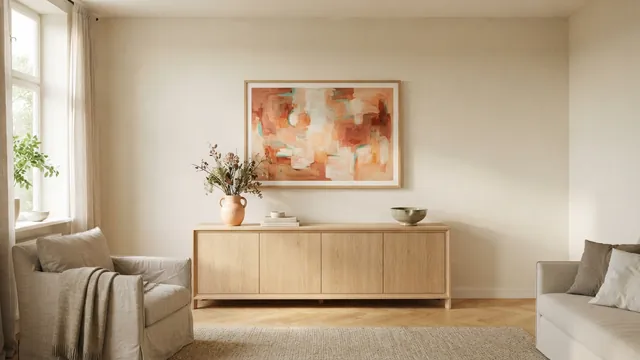
Creative Ways to Decorate an Empty Living Room Wall
Fresh ideas for turning a blank living room wall into a useful focal point.
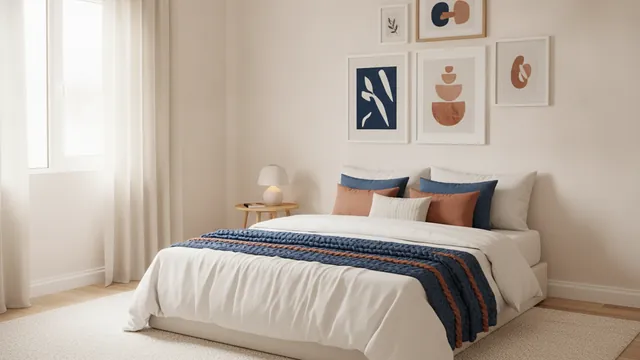
How to Decorate Bedroom Walls (Practical Ideas for Any Style)
Get calm bedroom wall decor ideas: gallery walls, color tips, lighting, and budget options.
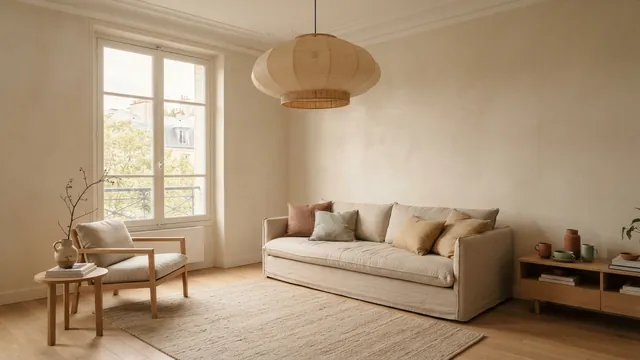
High Ceilings — Warmth, Scale and Style
Use color, scale and soft textures to make tall rooms feel inviting.