Should Your Closet Match the Room? A Practical Color Guide
Choose a closet color that fits your room, light, and style.
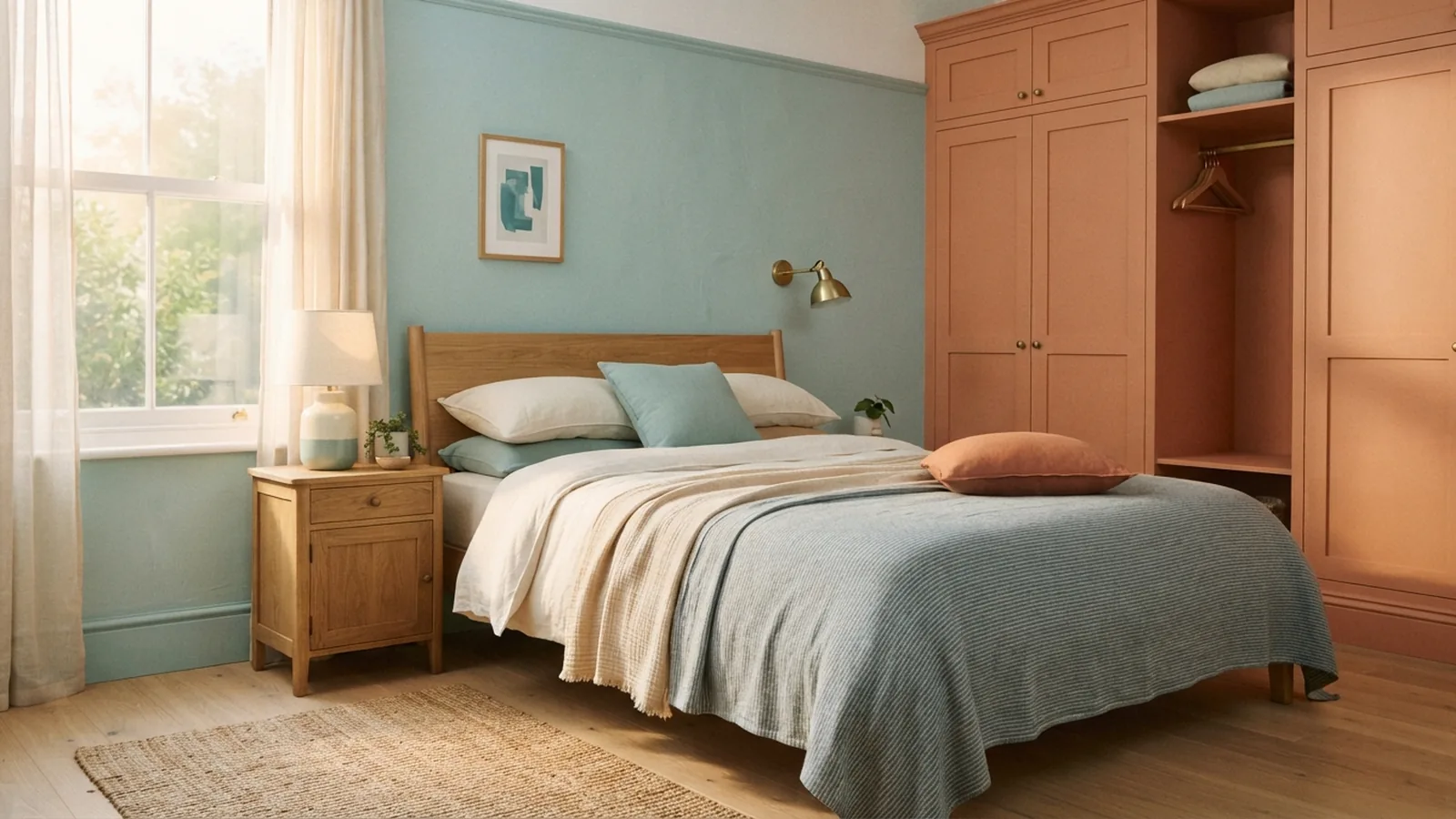
Should Closets Match the Room Color?
Do you paint closets the same color as the room? Usually, yes, if you want a calm and seamless look. Matching paint makes the closet feel like part of the wall. It also helps small rooms look more open.
Still, no single rule fits every home. A closet can match the walls, trim, or room accents. You can also use contrast to make the closet a focal point. The best choice depends on room size, light, storage style, and mood.
Think about the closet’s role first. A built-in closet often looks best in the wall color. A freestanding wardrobe may suit a richer accent shade. Test your idea before buying enough paint for the full job.
- Match the walls for a quiet, open look.
- Match the trim for a crisp, framed effect.
- Use contrast when the closet should stand out.
- Choose a soft color when the room already feels busy.
Why Matching Colors Often Works
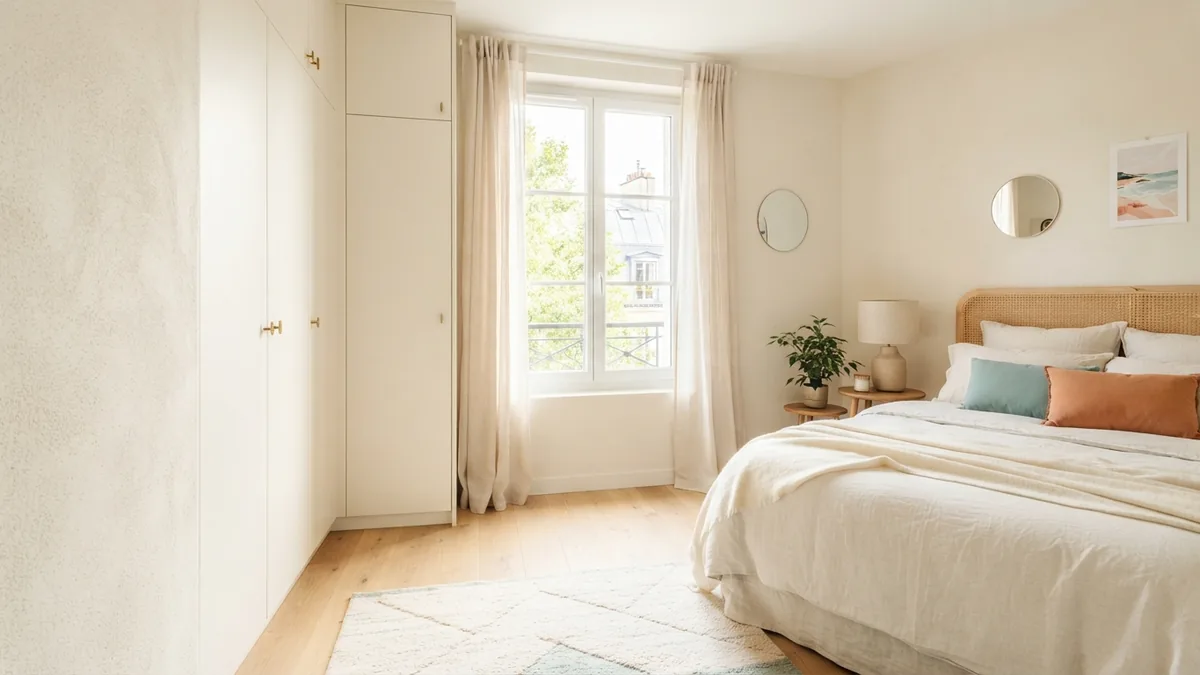
Matching closet and wall colors creates a smooth visual line. The eye sees fewer breaks across the room. This can make the space feel larger and more ordered. It also gives shelves and clothing less visual competition.
Uniform color works well in bedrooms, halls, and compact home offices. Light walls and light closets can reflect more light around the room. This effect feels useful when the closet sits beside a window. It also keeps narrow walkways from feeling crowded.
Matching colors can support a clear interior design style. Soft white, warm beige, pale gray, and muted green all create calm backdrops. These shades pair well with wood, woven baskets, and bright clothing. The result feels planned without looking stiff.
Color psychology also supports this approach. Cool blue and green shades can feel restful. Warm cream and sand tones can feel welcoming. Your room should support its main use, not just follow a trend.
When Contrast Adds More Visual Interest
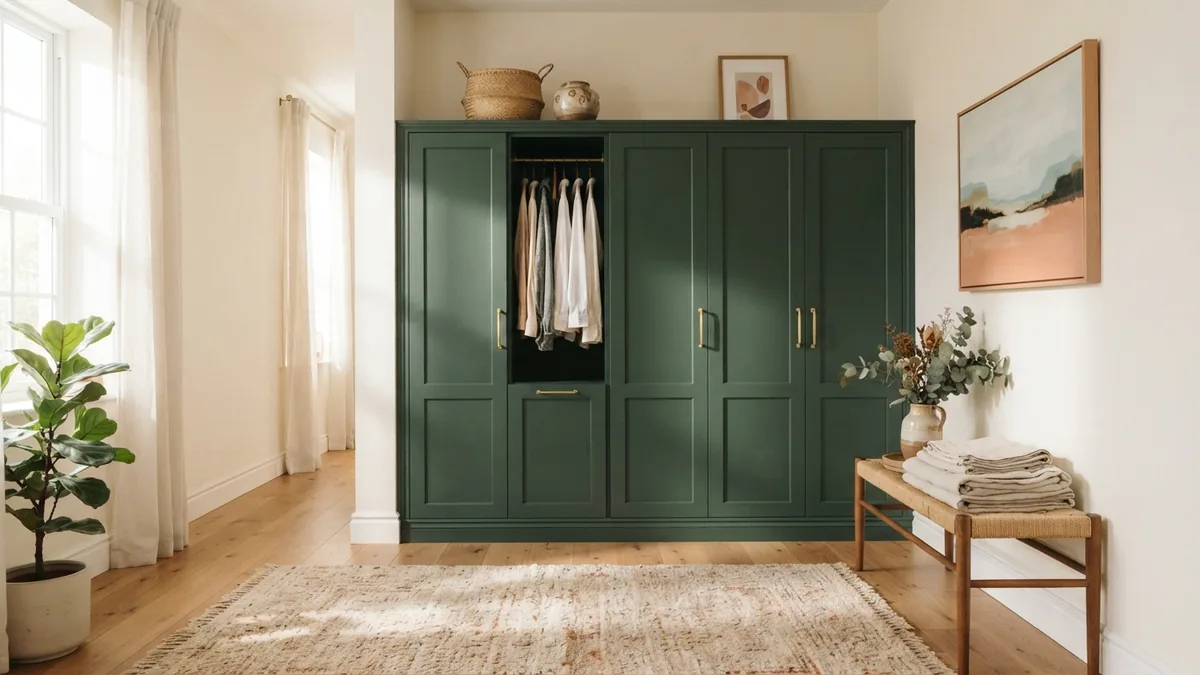
Contrasting closet paint can give a plain room a strong design feature. It draws attention toward the storage area. This works best when the closet has good doors, neat shelves, or fine trim. A bold color cannot hide a messy layout.
Dark green, navy, terracotta, and charcoal can frame a pale room. These shades add depth without changing every wall. You can repeat the closet color in a rug, lamp, cushion, or artwork. Repeated accents make the contrast feel planned.
Contrast does not need to mean a loud or dark shade. A soft blue closet against warm white walls creates gentle interest. A cream closet against pale gray walls feels bright and clean. The closer the shades are in value, the softer the effect.
Use strong contrast with care in small rooms. A dark closet can look heavy if it fills one whole wall. Balance it with light floors, pale bedding, or open space nearby.
| Closet choice | Room effect | Best use |
|---|---|---|
| Same wall color | Open and quiet | Small rooms and built-ins |
| One shade darker | Soft depth | Calm bedrooms and studies |
| Bold accent color | Strong focus | Feature closets and alcoves |
| Same trim color | Clean and framed | Classic rooms and paneled doors |
How to Choose the Right Closet Color
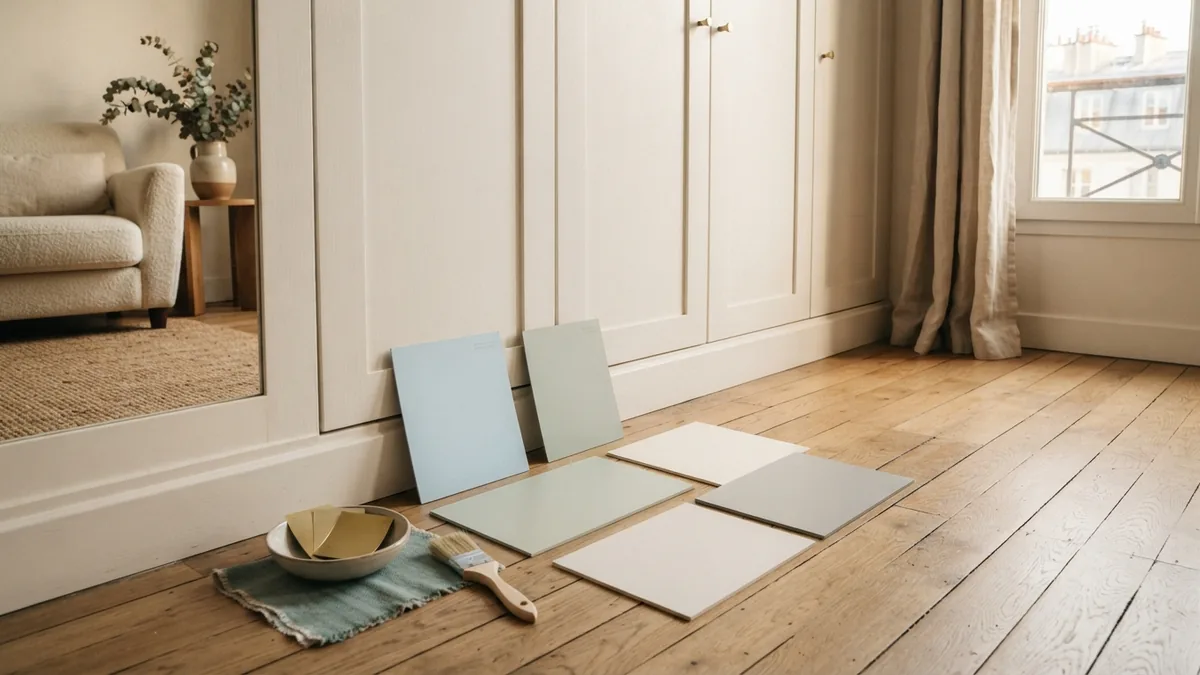
Start by studying the room at different times of day. Morning light may look cool, while evening light may look warm. Paint samples can shift a lot under each light source. Place samples on the closet and nearby wall before deciding.
Room size matters as much as personal taste. Pale colors make walls feel farther away. Mid-tone colors add warmth without closing in the space. Dark colors create drama, but they need enough light and balance.
Also check the closet’s material and finish. Smooth doors show color changes clearly. Wood grain may need a primer before a new shade looks even. Glossy paint reflects more light, while satin paint hides small flaws better.
Ask what feeling the room needs. A bedroom may suit muted blue, sage, or warm white. A study may suit soft green or blue-gray. These colors can support focus without feeling harsh.
- Note the room’s natural light and window direction.
- Choose three sample colors within the same color family.
- Test each shade on the closet and wall.
- View the samples in daylight and lamplight.
- Pick the shade that supports the room’s main purpose.
Colors That Brighten a Room
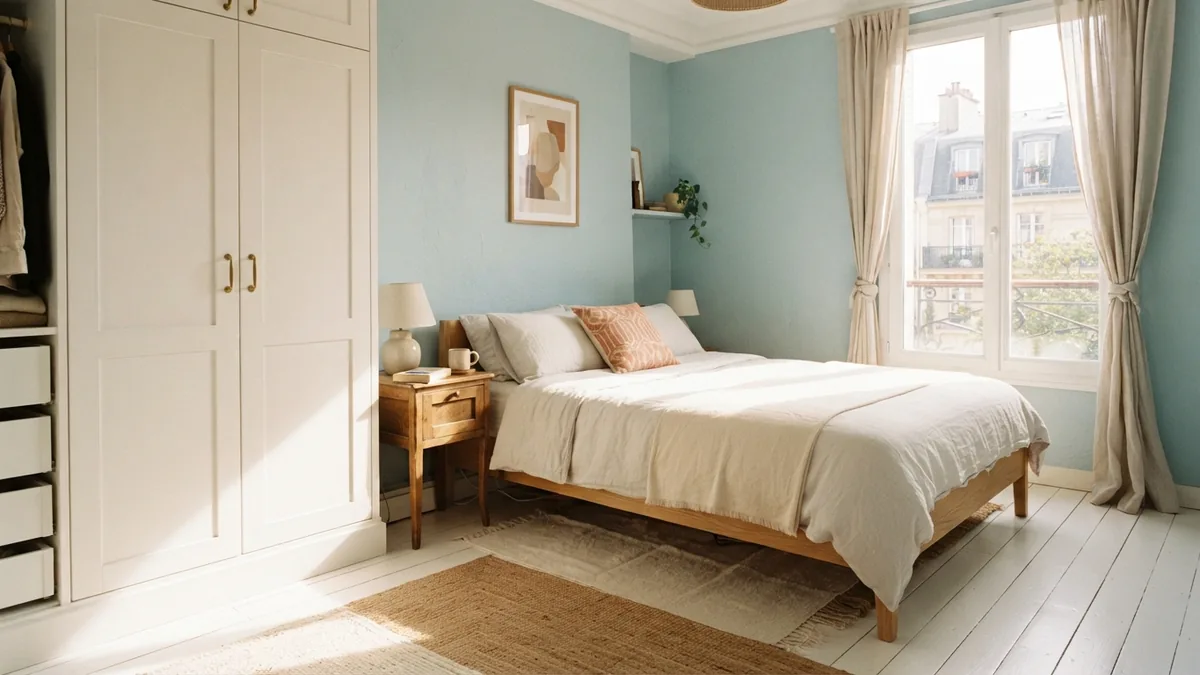
What color brightens a room? Soft white, pale yellow, light blue, and warm blush often work well. These shades reflect light without the stark feel of pure white. They can make a closet and room feel fresh.
Warm white is a safe choice for rooms with limited daylight. It adds light while keeping the space comfortable. Pale yellow can bring a sunny feel to a dark hall. Use a muted version to avoid a sharp, busy look.
Light blue can make a small bedroom feel airy. Pale sage adds a natural tone without strong contrast. Soft peach or blush brings warmth to rooms with cool floors. Each choice changes under the room’s bulbs and nearby colors.
What color brightens up a room most depends on the light already present. A north-facing room may need a warm cream. A bright south-facing room may handle cool white or pale gray. Test the paint before making a final choice.
How to Bring Color Into a Neutral Room
Neutral walls do not mean a room must feel plain. A painted closet can become the main color anchor. This is one simple answer to how to bring color into a neutral room. It adds change without repainting every wall.
Choose one accent color, then repeat it in small ways. Match the closet to a chair, vase, rug, or bed throw. Keep most large surfaces neutral. This keeps the room calm and lets the color feel intentional.
You can also paint only the closet doors or inner shelves. Door fronts create a clear block of color. Inner shelves offer a small surprise when the doors open. This method suits renters and cautious decorators.
For a softer scheme, use related shades instead of one exact match. Pair warm beige walls with caramel doors. Pair pale gray walls with blue-gray storage. Close colors create depth while keeping the room restful.
- Paint closet doors in a muted accent shade.
- Use a colorful back panel inside open storage.
- Repeat the closet shade in two small room items.
- Pair warm neutrals with terracotta, olive, or rust.
- Pair cool neutrals with soft blue, sage, or lavender.
Practical Tips for Painting Closets
Clean the closet before painting. Dust and grease can stop paint from bonding well. Remove knobs, hooks, and loose shelves where possible. Cover floors and nearby trim before sanding.
Use primer when the surface is glossy, stained, or dark. A bonding primer helps paint grip smooth doors. Sand lightly between coats for a cleaner finish. Let each coat dry based on the product label.
Choose satin or eggshell paint for most closet doors. These finishes resist marks and wipe clean with less effort. Flat paint can look soft on walls, but it marks easily on doors. Use a small roller for broad panels and a brush for edges.
Paint the closet in this order: inside edges, panels, frames, then trim. Keep the coat thin to avoid drips. Check the surface from several angles before it dries. Rehang doors only after the paint feels hard.
If you still wonder, “should closets be painted same color as room,” use this test. Stand at the room entrance and view the full wall. If the closet distracts you, match the walls. If the wall feels flat, try a close accent shade.
Frequently asked questions
- Do you paint closets the same color as the room?
- Often, yes. Matching the walls creates a calm look and can make a small room feel larger.
- Should a closet be the same color as the room?
- A closet can match the walls, trim, or an accent shade. Choose based on the room’s size, light, and style.
- What color brightens a room the most?
- Warm white, pale blue, soft yellow, and light sage can brighten a room. Test samples because lighting changes each shade.
- How can you bring color into a neutral room?
- Paint the closet doors in a muted accent color. Repeat that shade in two small items, such as a rug and cushion.
- What color room is best to study in?
- Soft green, blue-gray, and muted blue can support a calm study space. Avoid very bright shades that may feel distracting.
- Should closet doors match the walls or trim?
- Match the walls for a seamless look. Match the trim for a crisp, framed effect.
Related reading
Room Painting Costs — What Shapes Your Quote
Room painting often costs $200–$1,000. See what drives the price and how to compare quotes.
Kitchen Cabinet Tops — Style, Texture and Seasonal Charm
Style cabinet tops with balanced layers, useful texture, and decor that suits your kitchen.
Couch Placement—Flow, Focus and Comfort
Place your couch to frame a focal point, keep paths clear, and make the room feel balanced.