Small Kitchen Demolition Costs, Time, and Safety Tips
Plan your small kitchen demo with clear costs, time ranges, and safety steps.
Understanding Kitchen Demolition
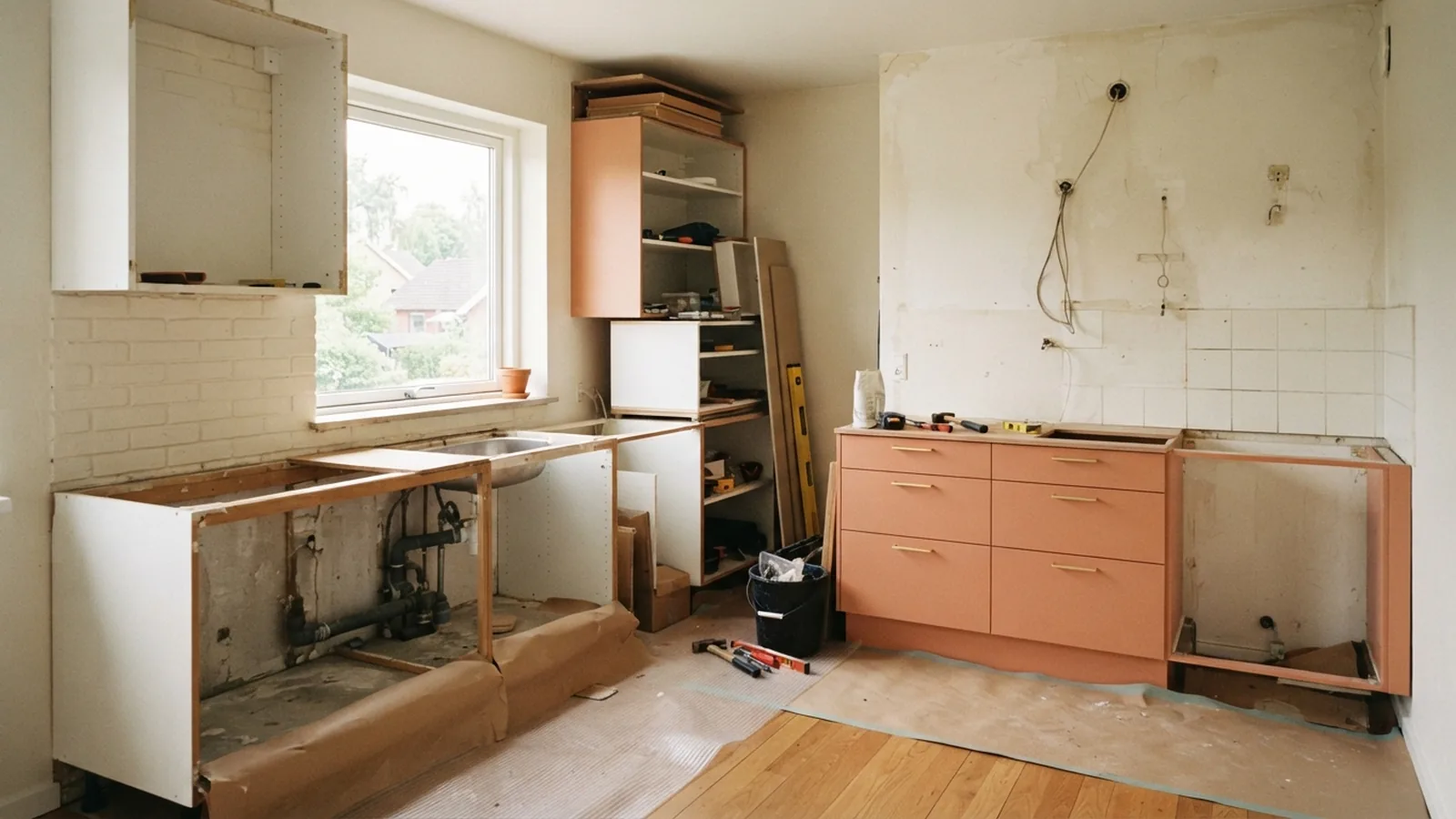
Kitchen demolition means removing old finishes, fixtures, cabinets, and waste. The work can stop at the cabinets. It can also expose the wall studs.
Most jobs follow a set order. The crew protects nearby rooms, shuts off utilities, removes loose items, and clears the waste.
Knowing the scope helps you judge the cost to demo a small kitchen. It also helps you compare bids from local contractors.
- Clear food, dishes, furniture, and personal items from the room.
- Shut off water, gas, and power at the right points.
- Remove appliances, sinks, faucets, and light fixtures.
- Take out cabinets, counters, backsplashes, and flooring.
- Sort waste, sweep the room, and check the exposed walls.
Do not treat every kitchen tear-out as the same job. Removing cabinets costs less than removing tile, plaster, wiring, and plumbing.
A full gut also needs a plan for wall repair. Exposed walls may show mold, rot, leaks, or old wiring.
Factors That Affect Kitchen Demolition Costs
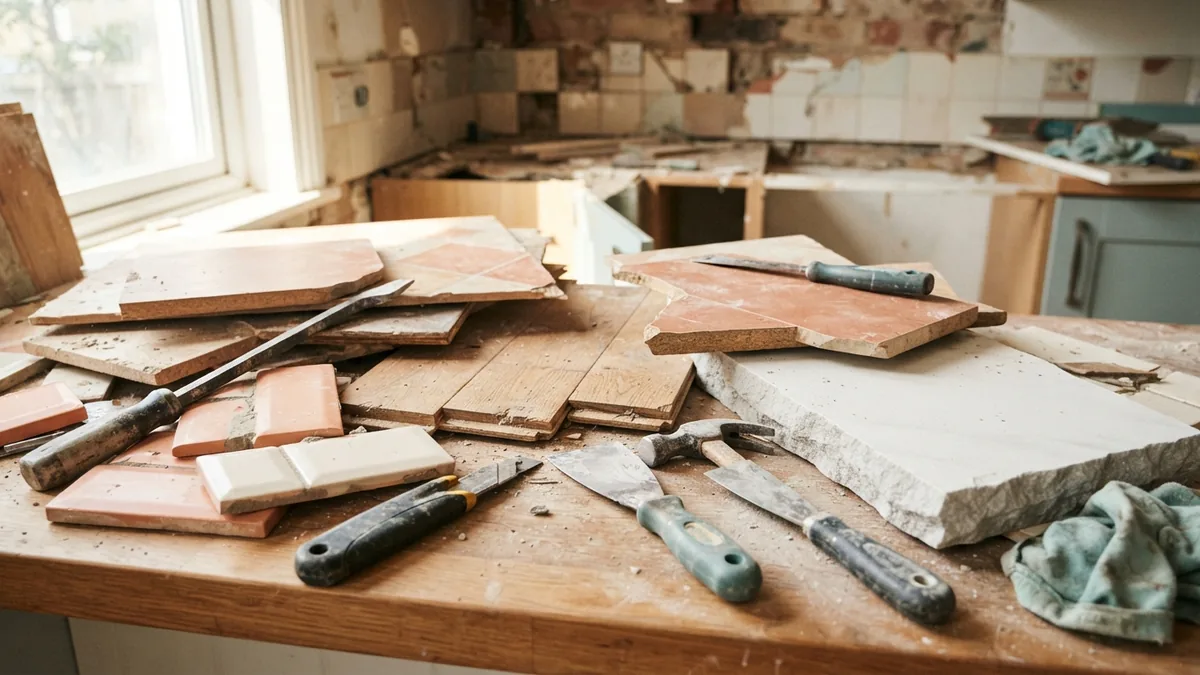
Room size matters, but it does not tell the whole story. Small kitchens often have tight doors, many cabinets, and hard waste access.
Material type has a strong effect on labor. Laminate counters come out faster than stone tops. Tile over mortar takes more time than sheet flooring.
Local labor rates can change the bill by hundreds of dollars. A two-person crew may charge $50 to $100 per worker each hour.
- Room size: More cabinets and flooring create more work and waste.
- Material type: Stone, tile, and plaster need slower removal.
- Access: Stairs, narrow doors, and long walks raise labor time.
- Utilities: Gas lines and hardwired appliances need skilled work.
- Waste volume: More debris means more bags, trips, or bins.
- Hidden damage: Rot, mold, or old wiring can add new work.
Cost per square foot can offer a rough check. Many small kitchen tear-outs fall near $5 to $15 per square foot.
That rate may exclude utility changes, permits, repairs, and major disposal needs. Ask each contractor to list those items apart from base labor.
Average Cost to Demo a Small Kitchen
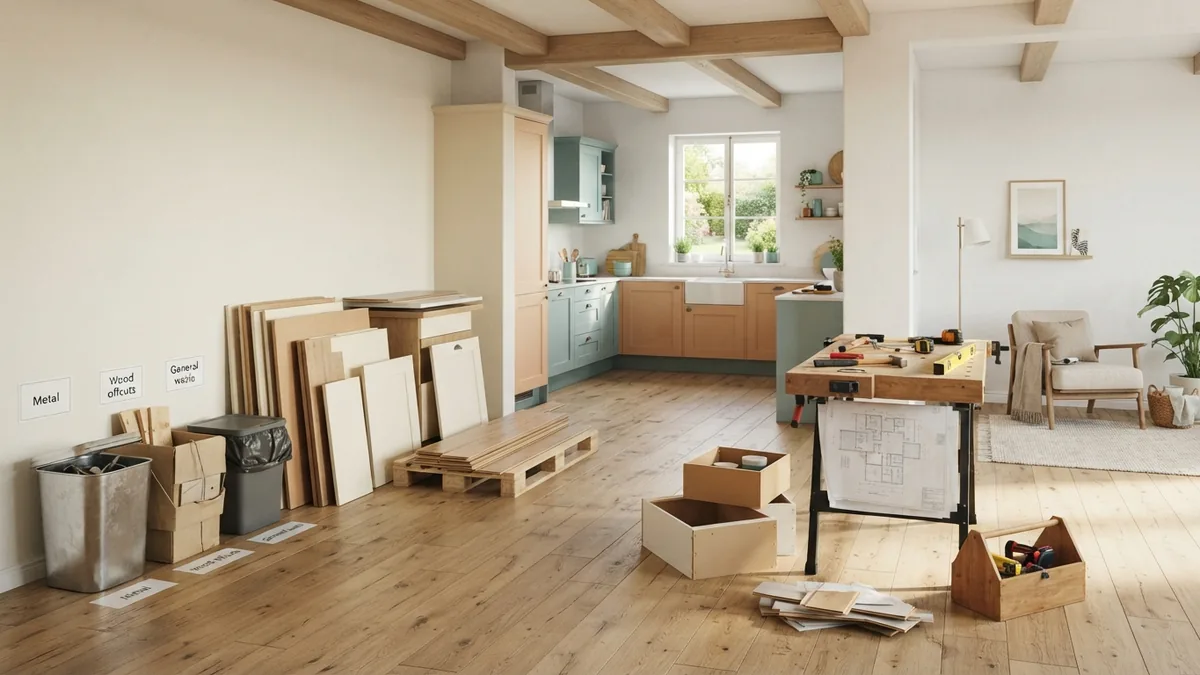
So, how much to demo a small kitchen? Most U.S. projects cost about $1,000 to $4,000 with paid labor.
A light removal job may cost less than $1,000. A full gut with tile, stone, and disposal may pass $5,000.
The kitchen demolition costs below give a useful planning range. They are not fixed quotes for every home.
| Expense | Common range | What it may cover |
|---|---|---|
| Labor | $600–$2,500 | Removal work by a small crew |
| Waste bags or bin | $200–$800 | Hauling, rental, and landfill fees |
| Basic tools and safety gear | $50–$250 | DIY tools, masks, gloves, and covers |
| Utility shutoff or trade work | $150–$700 | Gas, plumbing, or electrical support |
| Permit or inspection fees | $0–$500 | Local fees where permits apply |
A very small galley kitchen may cost less than a larger open kitchen. Tight access can still raise labor costs.
Keep a 10% to 20% reserve for surprises. Old homes may hide poor wiring, water damage, or layers of flooring.
Get at least two local bids for paid work. Show each bidder the same photos and removal list.
DIY or Professional Demolition?
DIY demolition can lower the labor bill. It suits simple jobs with cabinets, counters, and loose flooring.
You still need time, tools, transport, and a safe work plan. You also need a way to sort and remove debris.
Professional crews work faster and bring suitable tools. They may spot unsafe wiring, weak walls, or water damage sooner.
- DIY benefits: Lower labor cost, flexible timing, and better salvage control.
- DIY drawbacks: More injury risk, slower work, and disposal duties.
- Pro benefits: Faster removal, safer handling, and cleaner hauling.
- Pro drawbacks: Higher cost, scheduling limits, and less salvage time.
Never remove gas lines or live electrical parts without the right trade skills. A licensed plumber or electrician should handle those tasks.
The same rule applies to load-bearing walls. A wall may look simple, yet it can support a floor or roof.
Hire help when the project includes mold, asbestos risk, structural walls, or complex wiring. A lower bid is not worth an unsafe job.
Kitchen Demo Time Estimates
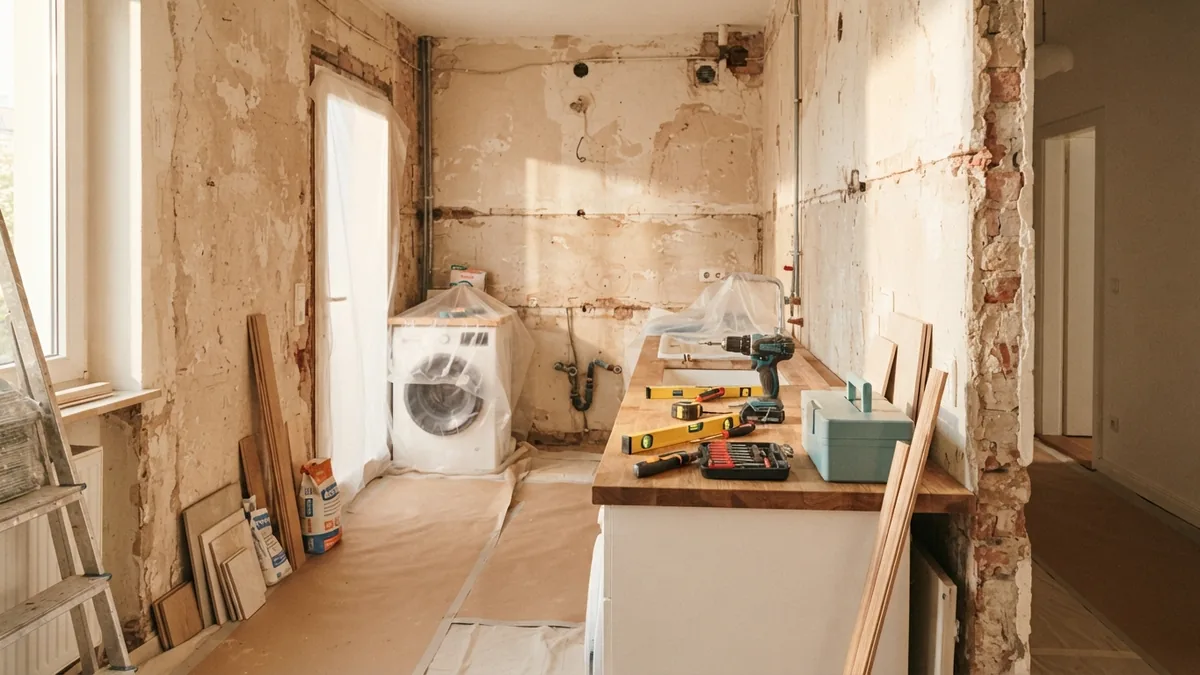
Kitchen demo time estimates depend on the scope and crew size. A light removal may take one day.
A full small kitchen tear-out often takes two to three days. Tile, plaster, stone, stairs, and slow waste runs can extend that time.
So, how long does a small kitchen demo take? Plan for one to five days when the scope is clear.
| Job scope | Typical time | Main delay risk |
|---|---|---|
| Appliances and loose fixtures | Half a day to one day | Utility connections |
| Cabinets and counters | One to two days | Fasteners and wall damage |
| Cabinets, floors, and backsplash | Two to three days | Tile and debris volume |
| Full gut to wall studs | Three to five days | Hidden damage and repairs |
Keep the room clear before the crew arrives. Each blocked path adds handling time and raises breakage risk.
Ask the contractor for a start date and a finish range. Also ask when the waste will leave the property.
Bathroom and Whole-House Interior Demolition
Bathroom work follows the same basic order as kitchen work. Water lines, tile, toilets, vanities, and tubs can make it slower.
How long to demo a small bathroom? A light tear-out may take one day. A full gut often takes two to four days.
How much to demo a small bathroom? Many small projects fall near $800 to $3,500 with paid labor.
Tile, mortar, cast iron tubs, tight access, and waste hauling can push the price higher. Water damage may also need extra repair work.
If you need to know how to demo a house interior, start with a room-by-room scope. Mark walls, floors, fixtures, and utilities that must stay.
- Confirm which walls are safe to remove.
- Shut off each utility before opening a wall.
- Seal work zones from dust and loose debris.
- Plan safe paths for tools and waste bins.
- Keep one clean exit path open at all times.
Do not treat whole-house work as a larger version of one kitchen. It needs a wider plan for dust, waste, power, water, and family safety.
Permits, Inspections, and Safety Rules
Permit needs vary by city, county, and project scope. Cosmetic removal may need no permit. Utility changes and structural work often need one.
Call the local building office before work starts. Ask about demolition permits, trade permits, inspections, and waste rules.
Older homes need extra care. Some materials may contain asbestos or lead. Do not cut, sand, or break suspect materials without proper testing.
- Wear eye protection, gloves, sturdy boots, and hearing protection.
- Use a suitable mask for dust and follow local safety rules.
- Keep children and pets away from the work zone.
- Cover nearby floors, doors, vents, and finished rooms.
- Remove nails and sharp metal before carrying waste.
Shut off power at the panel before touching fixtures. Test circuits before removal.
Use care around gas, water, and hidden wires. Stop work if you find damage or an unknown material.
Tips for a Successful Kitchen Demo
Write a clear removal list before you buy tools or book a crew. State what stays, what goes, and who handles hauling.
Take photos before walls close or fixtures leave. These records can help explain hidden damage and guide the next build phase.
Set aside reusable cabinets, hardware, and appliances before breaking them apart. Remove salvage items with care if you plan to sell or donate them.
- Confirm the scope and get a written price.
- Check local permit and inspection needs.
- Arrange a bin, truck, or waste pickup.
- Protect nearby rooms and seal dust paths.
- Shut off utilities before removal begins.
- Inspect open walls before planning new finishes.
Build a small reserve into both the budget and schedule. This helps cover hidden leaks, damaged drywall, or extra waste.
Good planning keeps the demo safer and faster. It also gives the next crew a clean, clear worksite.
Frequently asked questions
- How much to demo a small kitchen?
- Most small kitchen demolition jobs cost about $1,000 to $4,000 with paid labor. A full gut with tile or stone may cost more.
- How long does a small kitchen demo take?
- A light tear-out may take one day. A full small kitchen gut often takes two to five days.
- How long to demo a small bathroom?
- A light bathroom tear-out may take one day. A full gut often takes two to four days.
- How much to demo a small bathroom?
- Many small bathroom demolition jobs cost about $800 to $3,500 with paid labor. Tile, tubs, and water damage can raise the price.
- Can I demo a kitchen myself?
- You can handle simple cabinets, counters, and flooring with the right tools. Hire skilled trades for gas, wiring, plumbing, and structural walls.
- Do I need a permit for interior demolition?
- Permit rules vary by location and project scope. Ask the local building office before removing walls or changing utilities.
Related reading

Room Painting Costs — What Shapes Your Quote
Room painting often costs $200–$1,000. See what drives the price and how to compare quotes.
Kitchen Cabinet Tops — Style, Texture and Seasonal Charm
Style cabinet tops with balanced layers, useful texture, and decor that suits your kitchen.

Couch Placement—Flow, Focus and Comfort
Place your couch to frame a focal point, keep paths clear, and make the room feel balanced.