How to Lighten a Dark Living Room with Color, Light, and Furniture
Brighten your dark living room with smart color, lighting, mirrors, and furniture choices.
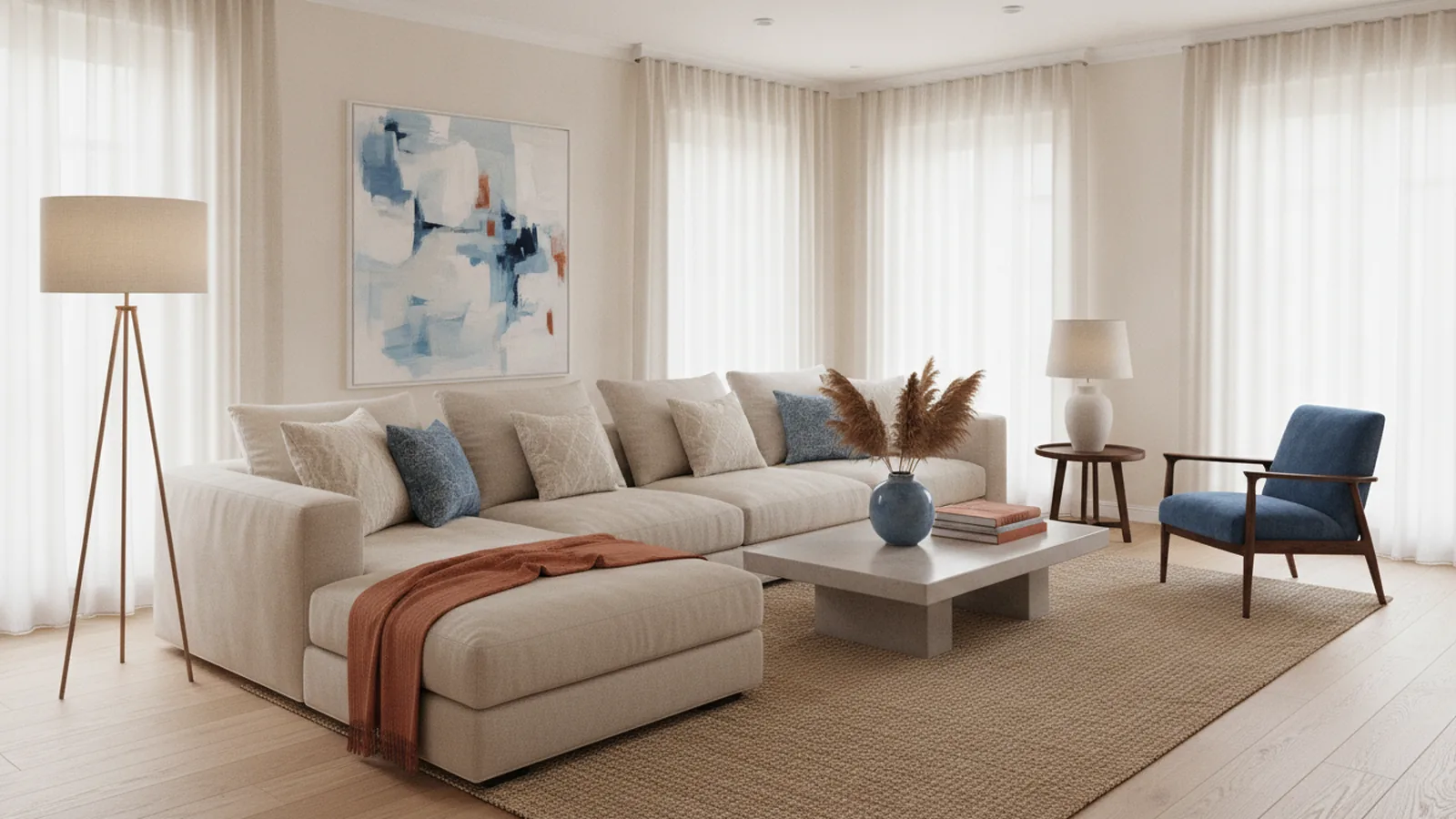
If your living room feels gloomy, you can fix it fast. Start with a lighter color palette, then layer ambient lighting, task lighting, and accent lighting. Add mirrors and a few light decorative accessories to bounce the light around. Finally, adjust furniture placement and soften hard edges with rugs and pillows.
This guide focuses on how to lighten a dark living room in practical, visible steps. It also covers how to lighten a room with dark floors and how to lighten up a dark living room when your furniture is already dark. You do not need a full remodel to make the space feel brighter.
How dark living rooms change how the space feels
Dark rooms do not only look dim. They also affect how we perceive size, contrast, and comfort. Color psychology plays a big role here. Deep tones absorb more light, which can make walls feel farther away and corners feel heavier.
In a dark living room, your eyes spend more effort finding edges. That can create a slightly tense feeling, even if the room is actually clean and organized. On the flip side, lighter surfaces reflect more light and help the eye relax.
Before you buy anything new, look at where the light lands during the day. Notice the areas that stay shadowy after morning light. Then plan changes that either add more light or reduce light loss on large surfaces like walls and floors.
Color choices that make a room feel lighter
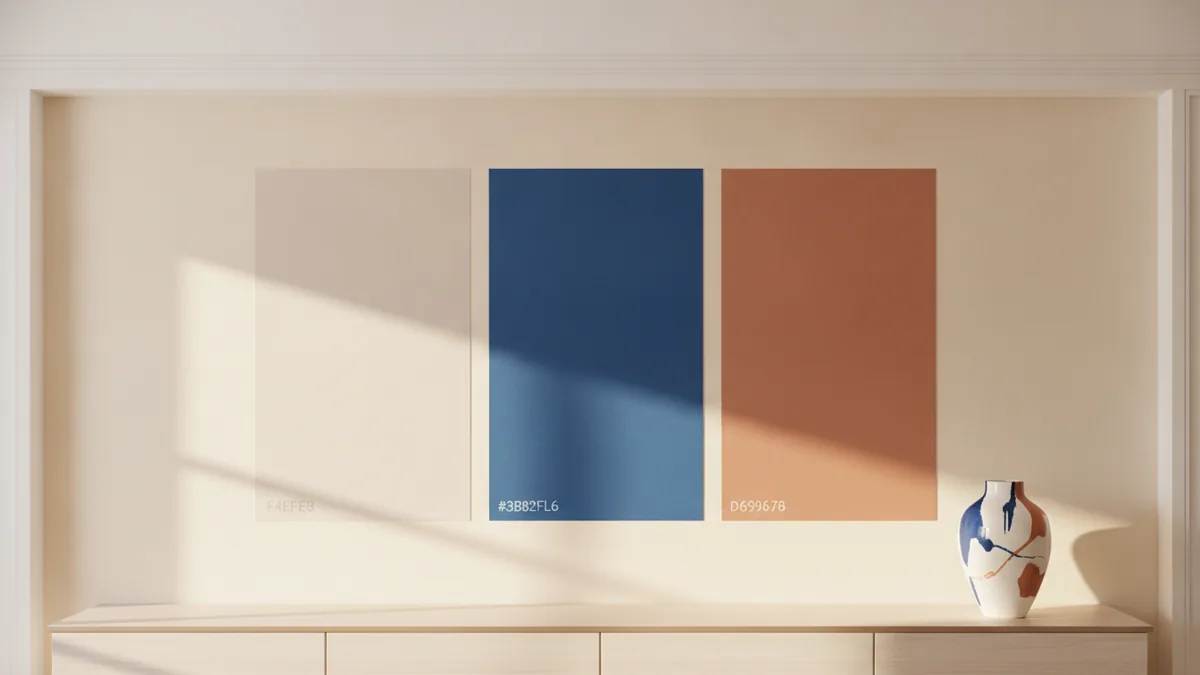
Walls are the biggest lever because they cover most of your visual field. If you are unsure whether to should i paint my room dark or light, lean toward a lighter wall color for brightness. A light neutral helps reflect daylight and makes other decor look more vivid.
Best wall colors for a lighter look include warm off-white, creamy ivory, and soft greige. If your space has cool undertones, choose warmer whites to avoid a gray, flat mood. For accent colors, use medium saturation rather than deep jewel tones. Think warm taupe accents, light terracotta, or muted olive.
For dark rooms, you also need a plan for trim and ceiling. Painting the ceiling a bright white can lift the whole room quickly. Keep trim close to the wall color family so you do not create heavy contrast lines.
- Walls: warm off-white, ivory, soft greige
- Ceiling: crisp bright white
- Accents: terracotta, warm taupe, muted olive, soft sage
- Skip: very dark wall paint unless you balance it with strong lighting
If you are working with how to lighten a room with dark floors, walls still matter most. Light floors that pull light upward are ideal, but dark floors can work when walls and ceiling stay light. Choose a light color palette for the upper half of the room, then bring warmth through accessories.
Lighting layers that actually brighten a dark room
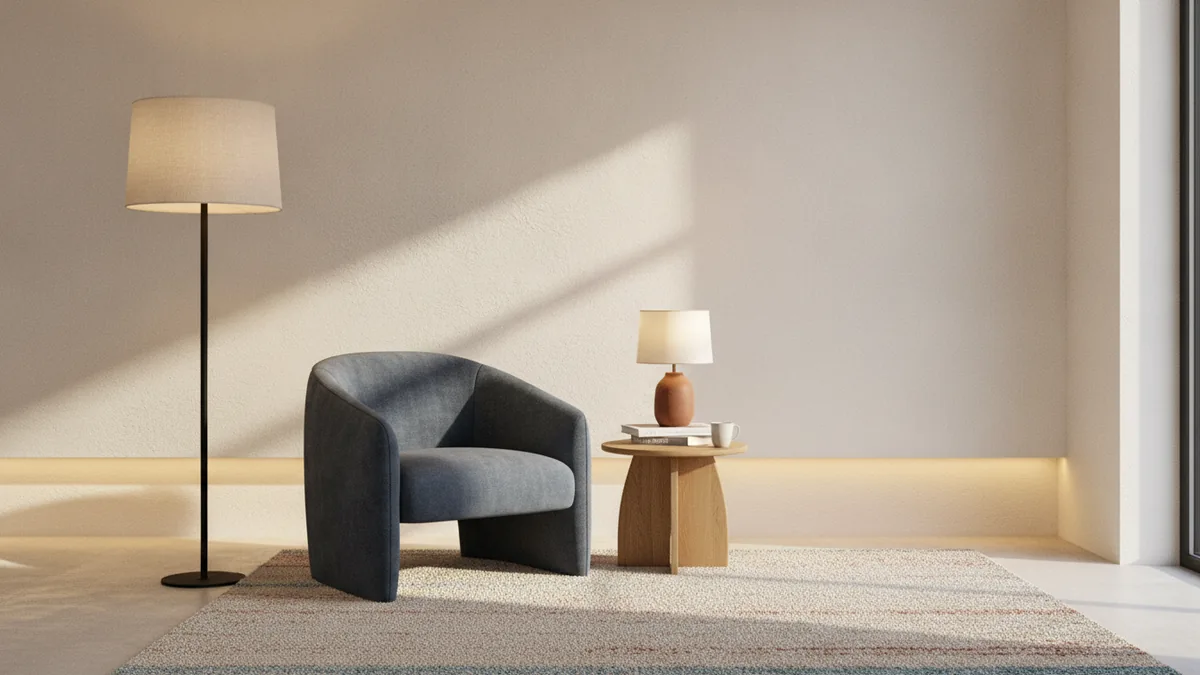
To brighten a dark living room, use layered lighting. Ambient lighting sets the overall brightness level across the room. Task lighting helps you see clearly where you do activities like reading or playing games. Accent lighting adds sparkle by highlighting textures, art, or architectural details.
Start with ambient lighting first. If you only have one ceiling fixture, replace it or add a second source. Use bulbs with a higher lumens output and choose a neutral white tone if you want true color. In many living rooms, a 2700K to 3000K bulb range keeps the mood warm without looking yellow.
Next add task lighting near seats and along main pathways. A floor lamp beside a sofa or an adjustable table lamp near a chair is usually more effective than a dim overhead light. Finally, use accent lighting to bounce light off lighter walls. Wall washers, picture lights, or small LED strips behind shelves can increase perceived brightness.
| Lighting type | What it fixes | Where to place it |
|---|---|---|
| Ambient | Overall gloom and dark corners | Ceiling light, central fixture, ceiling bounce |
| Task | Low visibility for reading and daily use | Floor lamp by sofa, table lamp by chair |
| Accent | Flat look and low contrast | Art, shelves, fireplace surround, mirrors |
If your furniture is dark, this lighting layering becomes even more important. When you ask how to lighten a living room with dark furniture, lighting is often the fastest win. Dark upholstery absorbs light, so you need enough fill light to keep it from sinking into the shadows.
Decorative accessories that lighten the aesthetic
Decor affects brightness because it adds contrast, texture, and reflective sheen. Swapping a few pieces can change how light feels on the entire room. Start with soft textiles like pillows, throws, and rugs. These are low-cost decorative accessories that also soften edges.
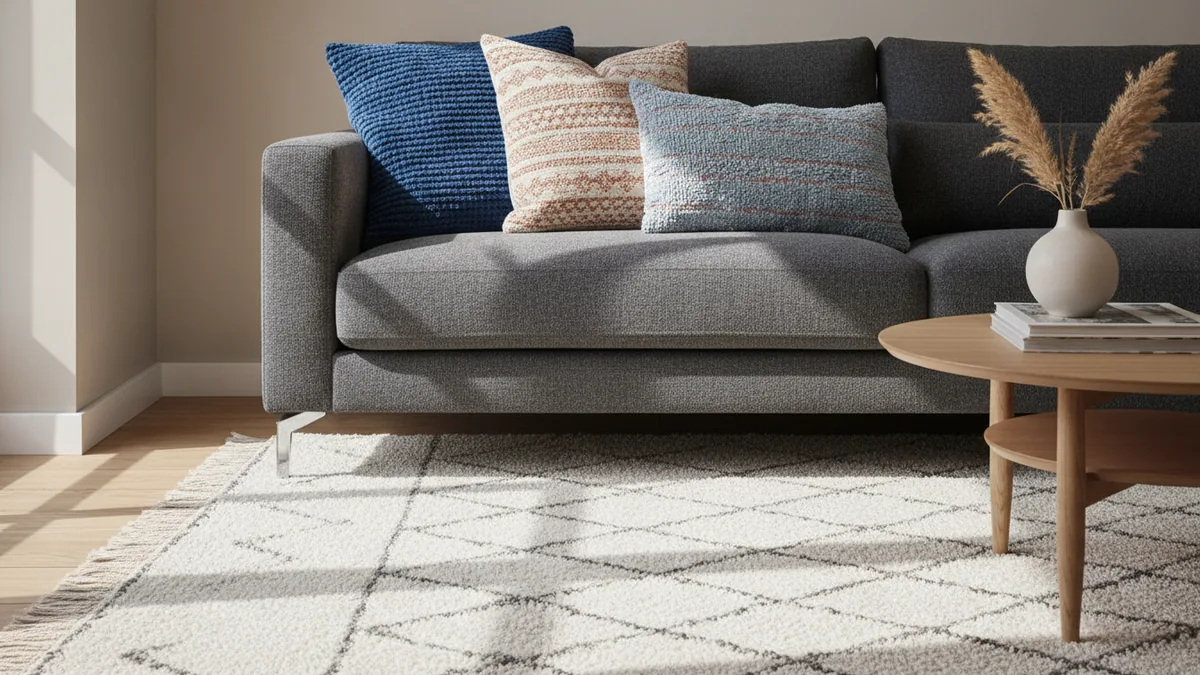
Choose pillows and blankets in lighter colors and varied textures. A cream or light beige pillow set can lift a dark sofa without looking bland. Add contrast with patterns, but keep the background light so the eye reads it as airier.
Rugs are also key. If you are wondering how to lighten up a dark living room, try a rug with lighter value and clear patterning. A rug with a woven texture can catch light differently across the day. Avoid fully black rugs if your room already has dark flooring and dark furniture.
- Pillows: off-white, oatmeal, pale blue, soft blush
- Throw: light knit or textured fabric for highlights
- Rug: light base with subtle pattern or tonal stripes
- Art: light mats and frames that do not look heavy
Pay attention to reflective surfaces in decor too. Dull finishes absorb light, so consider small touches like a ceramic vase with a glossy glaze or a lamp base with metallic accents. These details make a dark room feel more layered and bright.
Furniture choices and placement for a brighter layout
Furniture placement can make a dark room feel darker or brighter. If your layout blocks windows or clusters seats in a way that traps shadows, brightness drops. Try floating seating slightly away from corners so light can reach more wall space.
Should you lighten furniture too? In many cases, yes, if the room feels heavy. When you choose lighter furniture versus dark furniture, you reduce light absorption. A light color palette for sofas, chairs, and cabinets reflects more light and visually expands the room.
That said, you can keep dark furniture and still brighten the space. The trick is balancing it with lighter walls, brighter textiles, and smart lighting. If you are asking how to lighten a room with dark furniture, start by lightening the largest nearby surfaces you control, like curtains and rug color.
- Keep dark furniture, but lighten textiles around it.
- Use furniture placement to keep aisles and window views open.
- Bring in light-toned accent chairs or a light coffee table.
- Add contrast through lampshades and art frames.
If you are deciding how to decorate a living room with dark furniture, think in layers. Pair dark pieces with light bases, then add one or two medium accents so the room stays warm. Too much stark contrast can feel harsh, so aim for soft transitions.
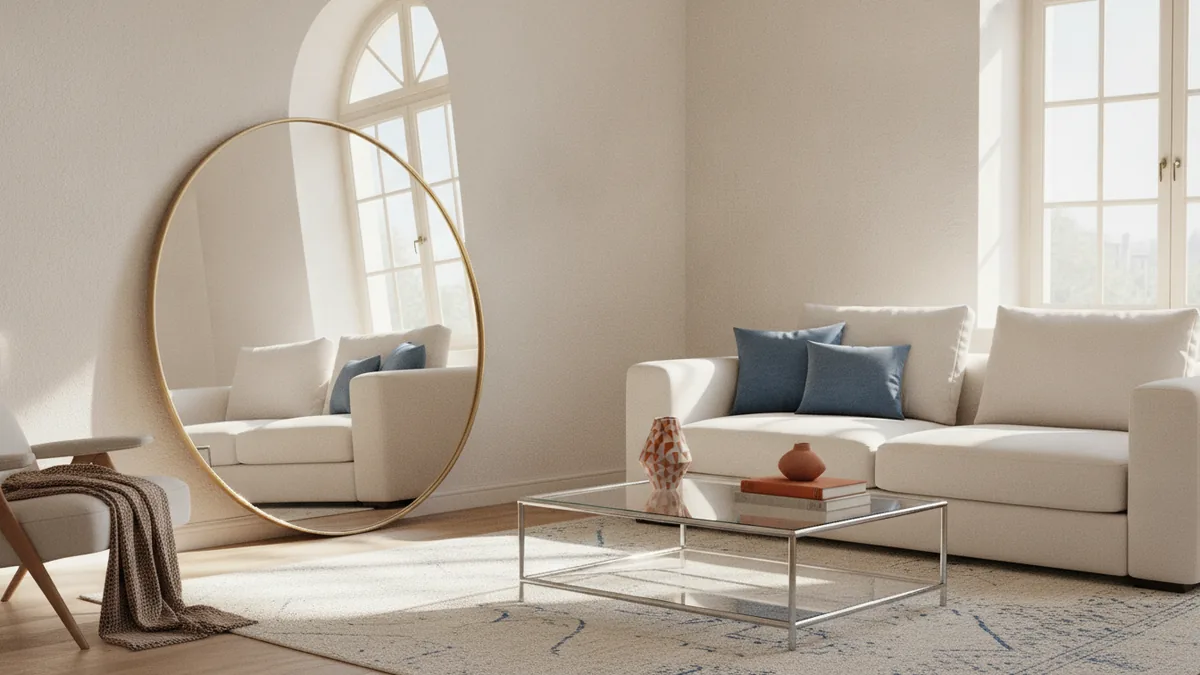
Mirrors, glass, and natural light boosters
Mirrors are one of the most reliable tools for brightening a dark room. They do not create new light, but they reflect existing light into shadow areas. Place mirrors across from windows when possible. This can increase the perceived brightness and reduce the look of cramped corners.
Use reflective surfaces beyond mirrors too. Glass coffee tables, acrylic side tables, and glossy ceramics can bounce light and add subtle sparkle. Choose frames and metal finishes that match your style, like brushed brass or light chrome, without turning the room into a cold showroom.
Drapery and window treatments also matter. Heavy blackout curtains can trap light, especially in rooms with limited daylight. If you need privacy, choose lighter drapery and add a sheerer layer. This lets natural light enter while still softening the view.
- Mirror placement: opposite windows or near lamps
- Glass touches: coffee table, vase, cabinet doors
- Drapery: layered sheers for day brightness
- Aim: reflect light onto light walls
When you combine mirrors with accent lighting, the effect compounds. A wall lamp aimed at a reflective surface can make the whole wall glow. That is often the difference between a room that looks “decorated” and one that feels truly brighter.
Plants and natural elements for a brighter, lived-in feel
Plants for decor do more than add color. They bring natural texture and a sense of airflow, which makes a space feel less closed in. Green also counterbalances the heaviness that can come from dark furniture and dark floors.
Choose plant types that suit your light levels. If your room gets low direct sunlight, pick hardy options like snake plants or zz plants. If you can place a plant near a bright corner or reflective mirror, you may be able to support more light-demanding varieties like a fiddle-leaf fig.
Style plants with bright planters or light natural baskets to keep the overall look airy. Use plant placement to break up solid furniture lines. A tall plant near a corner can also help draw the eye upward, which supports the bright feel created by ceiling lighting.
If you want a simple plan, start with one statement plant. Add one medium plant near a window and finish with a small tabletop plant on a side table. Keep watering consistent so leaves stay vibrant, since dull leaves make a room look darker.
Quick checklist for your next change
Pick one wall and lighting upgrade first. Then layer decor and reflection. Finally, add natural elements to keep the room warm.
- Upgrade walls to a light color palette
- Layer ambient, task, and accent lighting
- Add mirrors and other reflective surfaces
- Use lighter pillows, rugs, and decorative accessories
- Choose plants that match your natural light
Frequently asked questions
- Should I paint my living room dark or light to make it brighter?
- If your goal is more brightness, paint walls and ceiling in lighter tones. A light neutral reflects daylight and reduces heavy visual contrast.
- How do I lighten a living room with dark floors?
- Focus on lighter walls, a brighter ceiling, and layered lighting. Dark floors can work when the upper surfaces and textiles stay light.
- How can I lighten up a dark living room without changing the furniture?
- Upgrade lighting first, then add mirrors, lighter rugs, and light pillows. These changes counter dark upholstery absorption without replacing everything.
- How to lighten a living room with dark furniture effectively?
- Use brighter lampshades, add a floor lamp or table lamp near seating, and choose lighter textiles. Consider one light accent piece, like a coffee table or side chair.
- Do mirrors really help brighten a dark room?
- Yes, mirrors increase perceived brightness by reflecting existing natural light and lamp light. Place them where they catch daylight or reflect a lamp toward a light wall.
- What plants help dark living areas look brighter?
- Pick plants for your light level, like snake plants or zz plants for low light. Use bright pots to keep the look airy and fresh.
Related reading
Room Painting Costs — What Shapes Your Quote
Room painting often costs $200–$1,000. See what drives the price and how to compare quotes.
Kitchen Cabinet Tops — Style, Texture and Seasonal Charm
Style cabinet tops with balanced layers, useful texture, and decor that suits your kitchen.
Couch Placement—Flow, Focus and Comfort
Place your couch to frame a focal point, keep paths clear, and make the room feel balanced.