How to Display Plants in Your Living Room (Style + Placement
Learn how to display and style living room plants. Get placement rules, plant type picks, and practical care tips for a lasting indoor glow.
Start Here: How to display plants in your living room
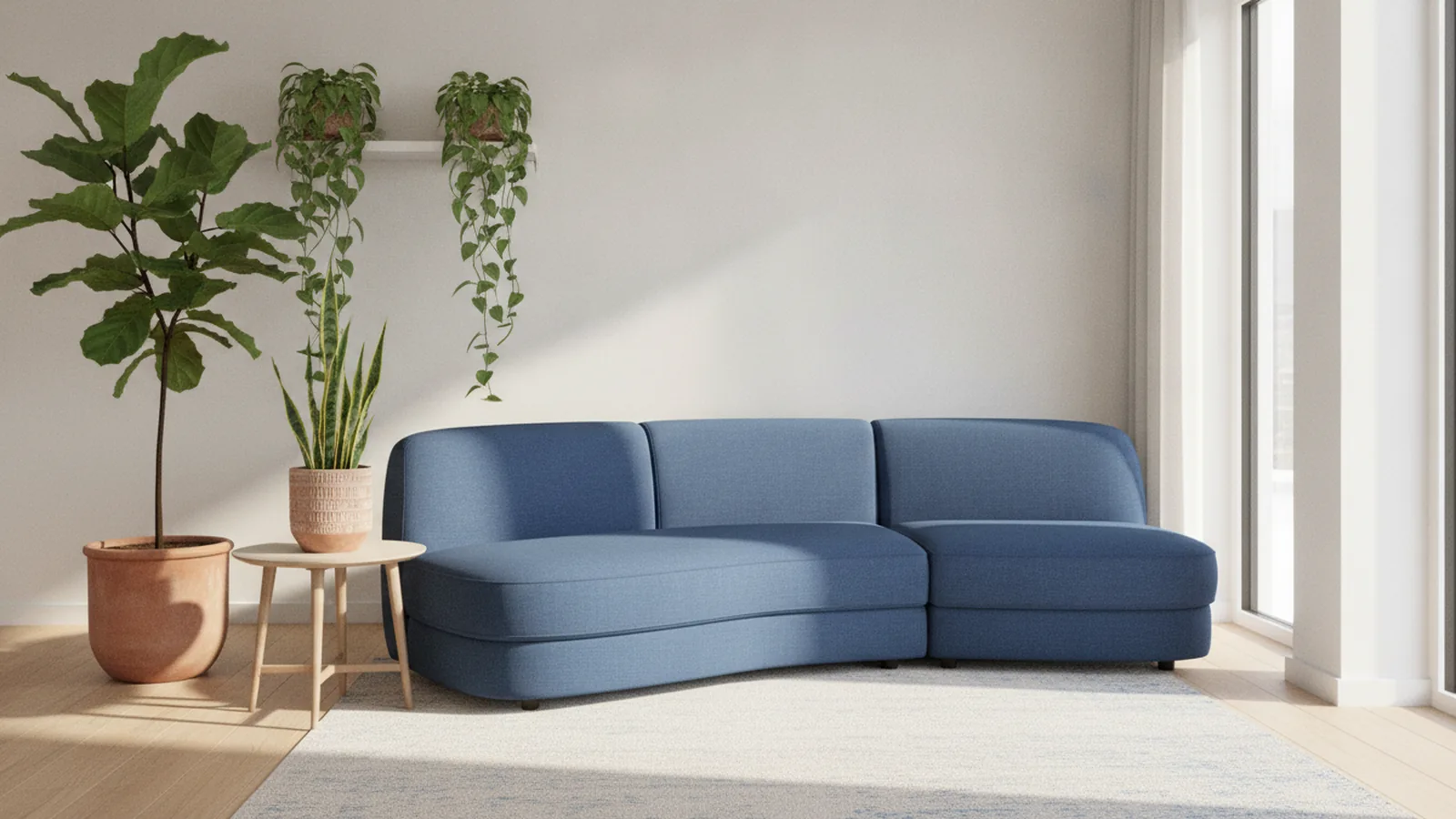
Use a simple plan: match plants to your light, then build a height mix across shelves, stands, and corners. In most living rooms, the best look comes from 2 to 4 “anchors” plus smaller support plants. Place taller plants near natural light sources, and keep low plants where they won’t block walkways. This approach answers how to display plants in living room while still feeling intentional.
If you’re wondering how to place plants in living room, begin with where light lands at different times. Morning sun can be gentler than afternoon sun. Also notice where heat hits, like vents or radiators. Those natural light considerations usually matter more than pot color when you want healthy indoor plants.
- Pick plants for your light, not just your taste.
- Mix heights to avoid a flat, “all on one table” look.
- Repeat textures and pot styles for a calmer living room decor feel.
Why living room plants are worth the effort
Plants pull their weight in two ways: they look good, and many people find them calming. For a functional reason, indoor plants can support better air quality by increasing humidity and removing some airborne compounds through their leaves and root systems. Exact results vary by species, room size, and airflow, but the visual benefit is consistent.
Plants also add layers to your home styling. Bare shelves look finished when you add greenery in decorative plant pots. A plant beside a sofa can soften sharp lines. A single trailing plant can make a TV wall feel more balanced.
Finally, plants reward good placement. When you put a plant in the right spot, care gets easier. When you miss the light needs, you end up troubleshooting leaves instead of enjoying your living room.
Best plant types for living room light levels
To answer where to put plants in living room, start with your light conditions. Most living rooms fall into two buckets: low light areas away from windows, and high light near bright windows. Then choose plants that match those conditions.
For low light, consider plants known for shade tolerance. Examples include snake plant, ZZ plant, pothos, and cast iron plant. These often handle fewer hours of direct sun and still look structured. For high light, pick plants that enjoy brightness and may need more regular watering. Fiddle-leaf fig, rubber plant, philodendron varieties, and many palms can thrive with strong natural light.
Size matters too. A small plant on a big floor can look lost. A large plant in a tiny corner can feel crowded. Measure the space where you plan to display, then choose a mature size range so you don’t outgrow your plan in three months.
| Light level in your living room | What to look for | Plant types to consider |
|---|---|---|
| Low light | Window is far, light is indirect most of the day | snake plant, ZZ plant, pothos |
| High light | Bright window area, more direct sun or strong indirect light | rubber plant, fiddle-leaf fig, many philodendrons |
How to place plants in living room for balance and function
Effective plant arrangement follows sightlines, movement paths, and the way furniture frames the room. Start with one “anchor” spot. Common anchors include a corner by a bright window, a side table near the seating area, or a shelf that runs above eye level. Then fill around it with smaller plants for texture and depth.
If you’re asking where to place plants in living room, use placement rules that work in real spaces. Put tall plants where they won’t block traffic. Keep medium plants at a viewing height that matches your seating. Place smaller trailing plants where you can see them spill from a shelf or stand.
Also consider the room’s geometry. If your living room decor is mostly rectangular, plants with rounded leaves can soften the look. If your decor is already curvy, use a taller vertical plant to add contrast.
Anchor placement: corners, shelves, and window sills
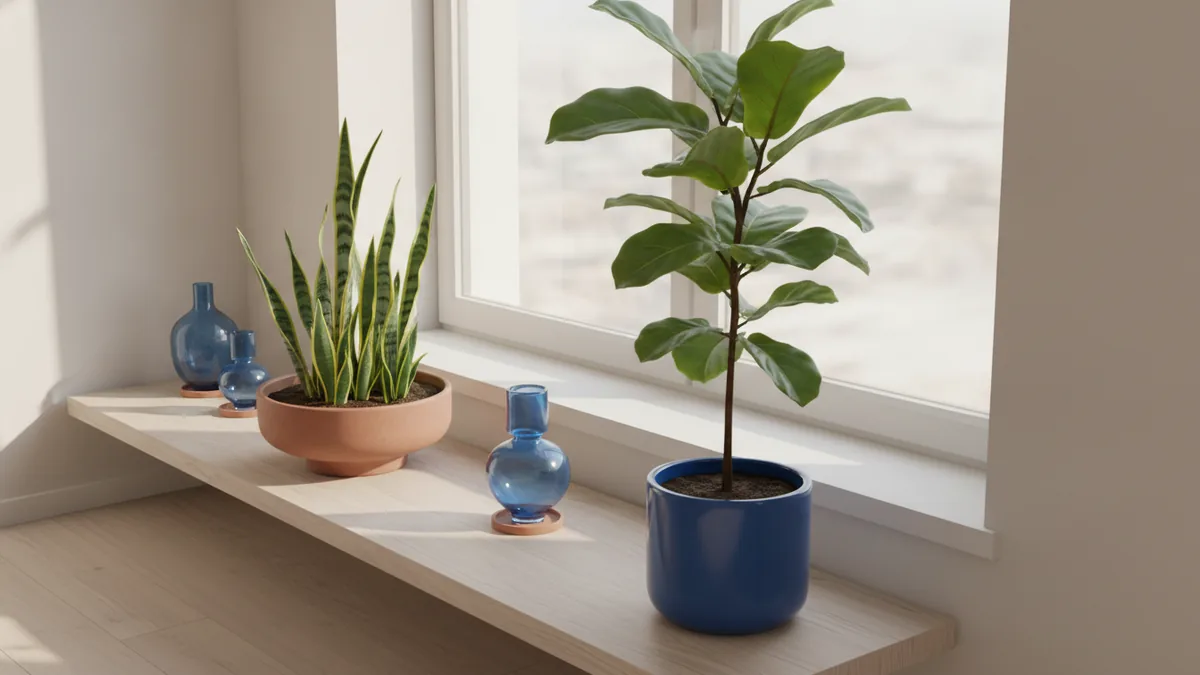
Corners are ideal when the corner receives at least some indirect light. Use a floor plant for corners so it fills dead space without taking table surface. Shelves are great for layered greenery in decorative plant pots. Window sills can work if the plant gets the light it needs and the pot dries evenly.
- Corner near bright indirect light: a medium or tall plant on the floor.
- Window sill: small plants, herbs, or low-growing indoor plants.
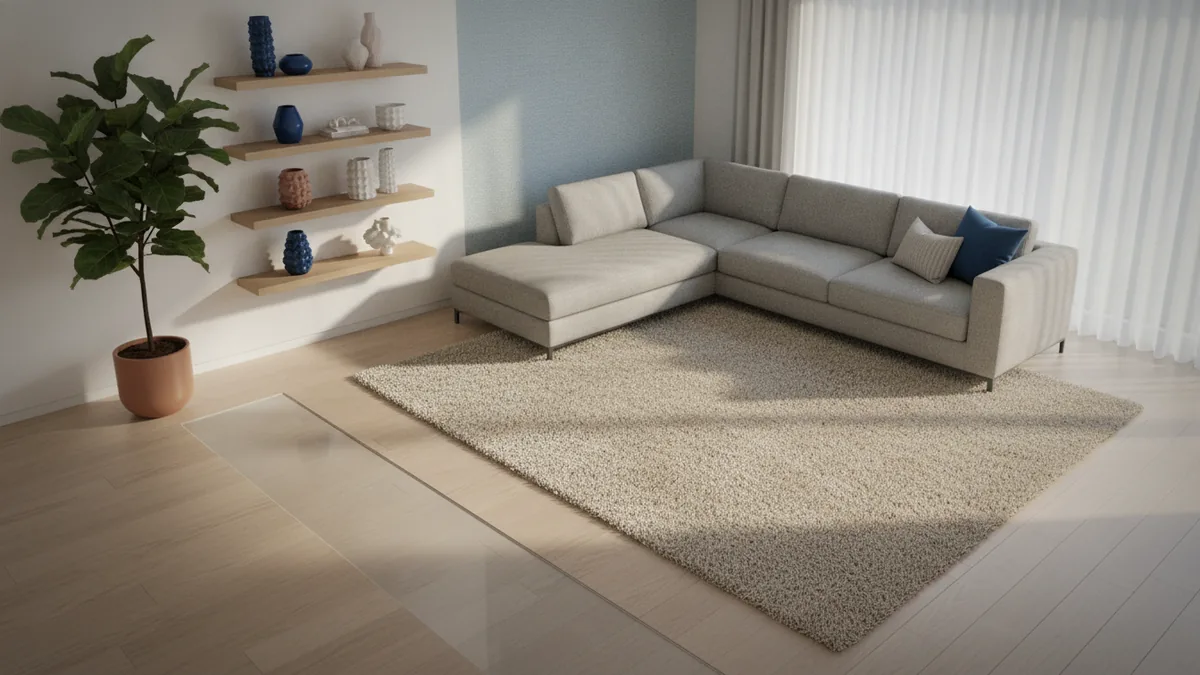
- Floating shelves: mix one medium plant with one trailing plant.
Vertical interest: use hanging plants
Hanging plants add height without consuming floor space. They’re especially helpful if your living room has limited square footage or a lot of furniture. Use them to draw the eye upward and balance a low coffee table. For best results, hang at a height where leaves don’t brush curtains or handles.
When you hang a plant, check the air movement. Hanging near a draft can dry soil faster. Also consider watering access. If reaching the plant means climbing on a chair every week, you may struggle with plant care.
Height variety: plant stands and tables
To keep your display from looking flat, vary the heights. Plant stands or side tables let you place plants at different levels while keeping pots stable. Aim for a “stair-step” effect: one tall piece, one medium piece, and one smaller piece. That structure makes the arrangement look styled even when plants are still growing.
You can also use different pot heights. A taller pot can elevate a leafy plant. A shorter pot can ground a trailing plant that drapes over the edge.
Creative ways to style plants in your living room
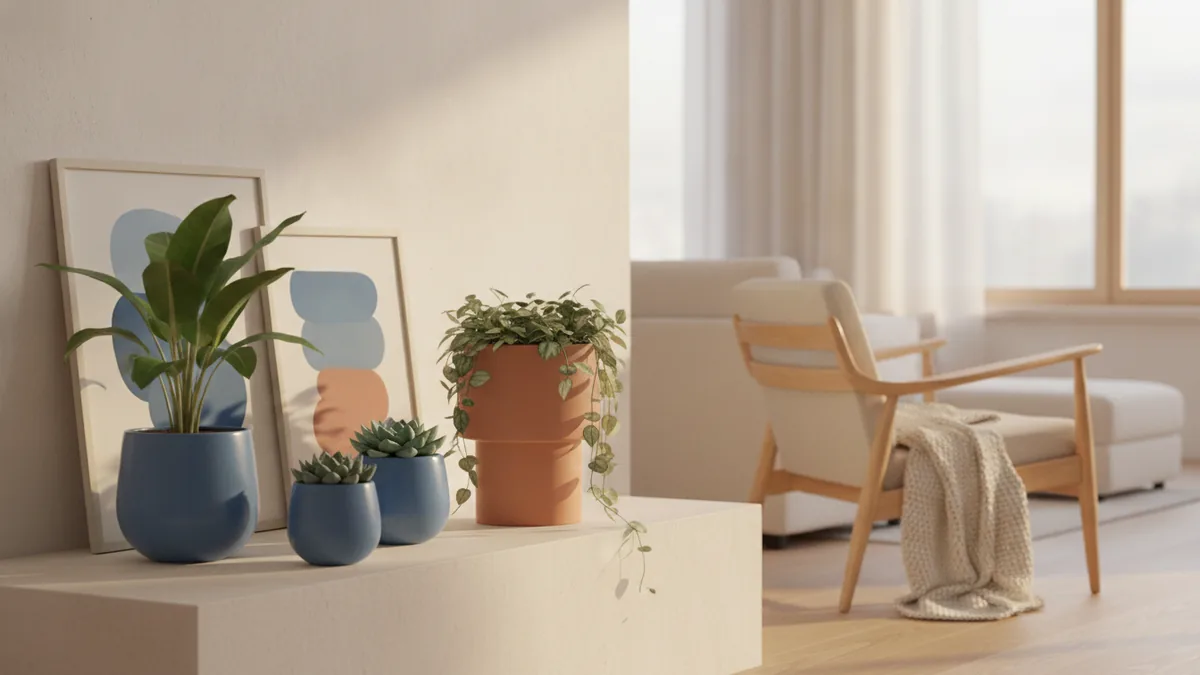
Once placement is healthy and balanced, style is where your living room decor becomes personal. The key is to combine plants with other items you already use. Decorative plant pots are a fast way to match your finishes. If your room has black metal, try a black pot stand. If your room is warm and wood-heavy, choose terracotta or matte ceramic.
Look for “repeatable” styling choices. Repeat one element across multiple pots, like a white ceramic finish or a similar texture. That repetition makes plant arrangement look curated. It also prevents the display from feeling like random gifts from a plant store.
Pair plants with frames, textiles, and lighting
Combine a plant with a nearby lamp or framed art. A plant beside a floor lamp helps the lamp feel intentional, not like an afterthought. Pair a trailing plant with soft textiles so the greenery looks like it belongs. If you have a neutral sofa, a plant with bold foliage can add contrast.
- Place a medium plant near a reading chair to create a “green nook.”
- Use a trailing plant to soften a shelf edge or media console.
- Match pot color to a recurring finish, like wood or brushed metal.
Build a display cluster instead of one-off plants
Where to place plants in living room changes when you cluster. A cluster works best on shelving, a console table, or a large empty floor area. Try a triangle layout. Put the largest plant at the back or center. Add two medium plants on either side. Finish with a small plant or trailing piece that breaks the outline.
Clusters also make watering simpler. You can group plants with similar needs, then water them in one go. That supports plant care and helps your schedule stay realistic.
Use “decor doubles” for pots and trays
Decorative plant pots can be doing more than holding soil. Use matching saucers or trays to protect wood floors and make spills easy to clean. If you switch pots, keep the same size tray so your arrangement stays neat. A cohesive setup makes your greenery feel like part of the furniture.
Consider a potting aesthetic rule: keep a consistent width range across most of your pots. Too many random sizes can look messy. A small set of widths, repeated two or three times, looks designed.
Maintenance tips for living room plants that keep them looking good
Good placement reduces most maintenance problems. If leaves are reaching toward a window, rotate the pot every two to four weeks. That keeps growth even. If soil dries too fast, move the plant slightly away from heat sources. If soil stays wet too long, use a better-draining pot and check your watering habits.
Plant care also includes quick weekly checks. Look at leaf color, new growth, and soil dryness. Yellow leaves can mean overwatering or poor drainage. Brown tips can mean low humidity or inconsistent watering. Address the likely cause early, before pests spread.
- Rotate pots monthly to even out growth.
- Check soil moisture with your finger before watering.
- Wipe dusty leaves so plants can photosynthesize well.
- Trim dead stems to keep the shape tidy.
Simple watering and drainage rules
Water deeply until excess runs out the drainage holes. Then empty the saucer after 10 to 15 minutes. This prevents roots sitting in water. Also make sure your pot has drainage. Decorative outside covers are fine, as long as the inner pot drains.
Adapt watering to season. In winter, many indoor plants need less water due to slower growth. In summer, they often need more frequent watering. Track how long your soil stays moist. That gives you a reliable rhythm instead of guessing.
Conclusion and final tips for a living room that feels alive
Learning how to display plants in living room comes down to light, space, and height. Choose living room decor choices that match your light level. Then place plants where they fit physically and visually, using corners, shelves, window sills, and stands.
If you want a polished look, use hanging plants for vertical interest and cluster plants to create structure. Combine greenery with decor you already love, like lamps, frames, and matching pot styles. With consistent plant care, your arrangement will keep looking intentional as plants grow.
Use this final check when you set up: is the plant getting the light it needs, and does it sit at a height you can actually enjoy from your seating area? If yes, you’ll spend less time adjusting and more time enjoying your display.
Frequently asked questions
- How to display plants in living room without making it look cluttered?
- Choose a few anchor spots first, then repeat pot colors or pot materials. Use height variety so plants don’t all sit at the same level.
- Where to put plants in living room for best growth?
- Place plants where they match the light they need. Start near bright windows for high-light plants, and use softer indirect areas for low-light types.
- Where to place plants in living room near a sofa or TV stand?
- Set medium plants beside seating at viewing height, and keep tall plants in corners. For TV areas, use trailing plants from nearby shelves to soften the look.
- What light does a low-light living room need for indoor plants?
- Low-light areas still need indirect brightness. Avoid placing shade-tolerant plants right next to heat vents or far from all windows.
- How to style plants in living room with other decor?
- Match decorative plant pots to a finish you already use, like wood or brushed metal. Pair plants with lamps and framed art, then keep a consistent pot width range.
- How often should I water living room plants?
- Check soil moisture first. Water deeply when the top layer dries, then adjust by season and empty saucers after 10 to 15 minutes.