How to Make a Small Room Appear Larger
Make your small room feel bigger with smart color, light, mirrors, and layout.
Understanding visual space in a small room
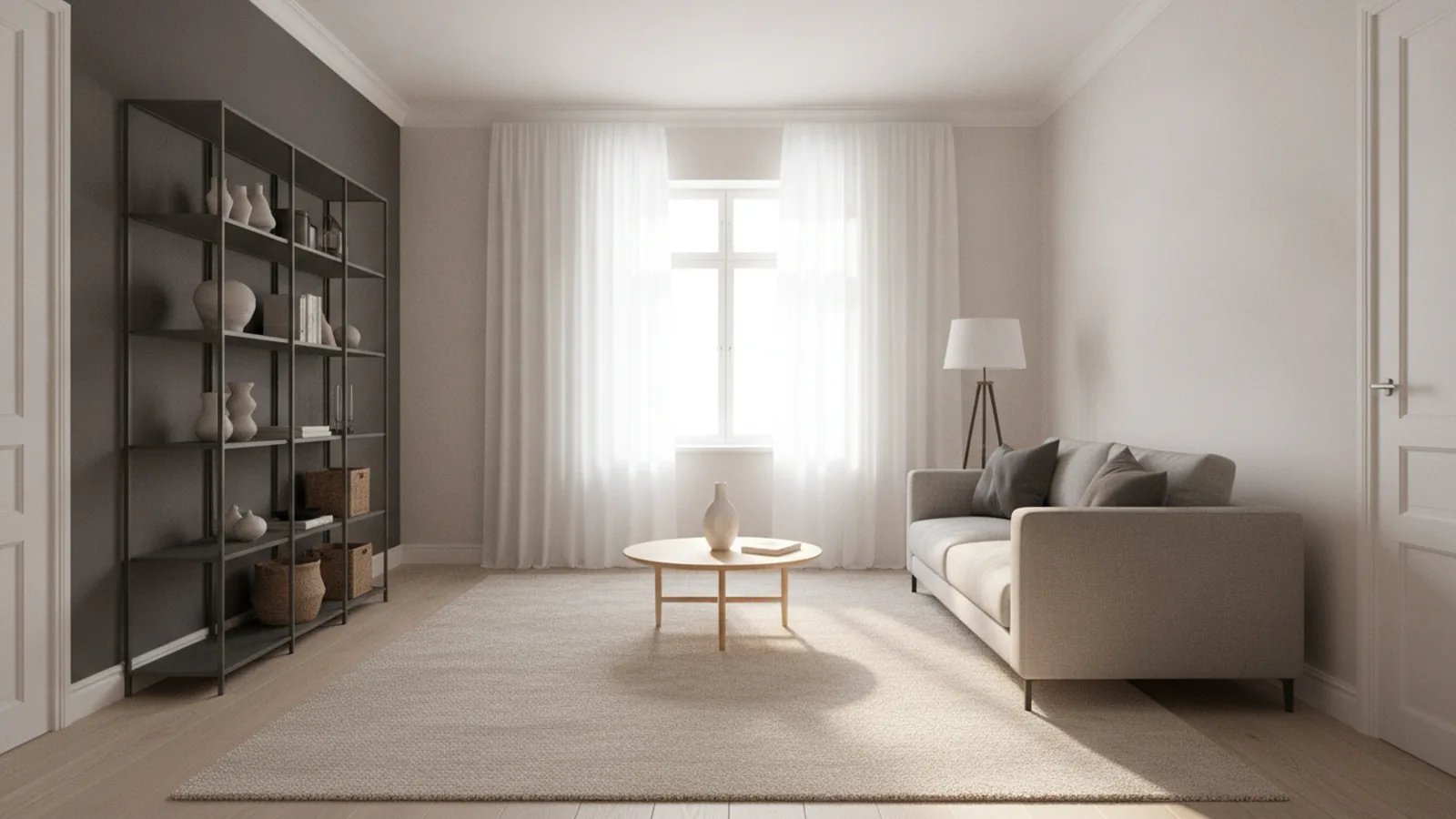
If you want how to make a room appear bigger, start with visual space. Your brain reads room size from edges, contrast, and light patterns. When those signals feel calm and continuous, the room feels larger.
In a small room, the biggest enemies are hard breaks in color and strong shadows. Think of a wall that stops at a dark trim line, or a lamp that throws one bright cone of light. Both create “zones” that feel smaller.
One practical approach is to reduce visual interruptions and guide the eye. You can do this with a monochromatic color palette, consistent materials, and a layout that keeps sight lines open. The goal is not to trick your eyes with gimmicks. It is to design clear paths for light and line-of-sight.
- Reduce edge contrast so boundaries feel softer.
- Use light-reflective colors to bounce daylight.
- Create visual continuity from floor to ceiling.
Color choices that expand the feel of your walls
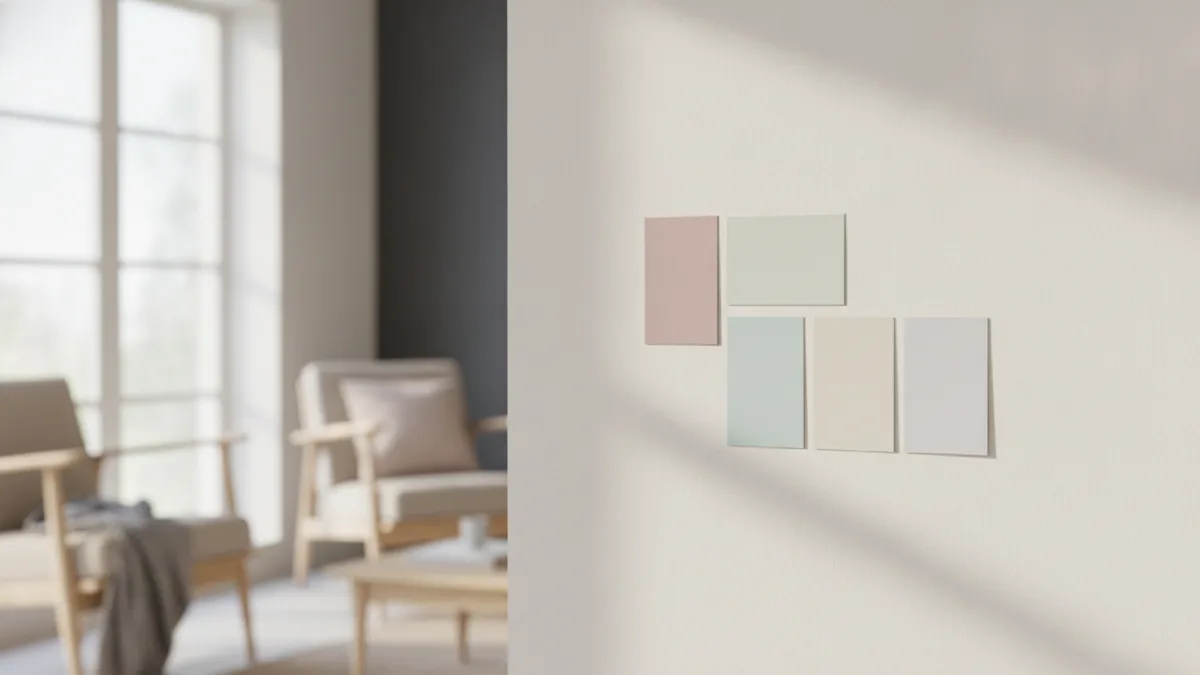
Light colors are a fast win for how to make your room appear bigger. Whites, pastels, and light grays can make walls recede. That visual “retreat” makes the room feel farther away.
Color psychology supports this effect. Cooler, pale tones tend to feel airy and less heavy than saturated dark hues. If you love color, keep it light and consistent across large surfaces.
A strong tactic is a monochromatic color palette. When walls, trim, and ceilings share a similar light value, there are fewer lines cutting the space. This helps maintain an open feel, especially in rooms with limited natural light.
| Surface | Best choice for spacious feel | Avoid |
|---|---|---|
| Ceiling | Near-white or very pale warm white | Dark or strong color-dyed ceilings |
| Walls | Pastels or light grays in the same value range | Two-tone walls with harsh separation |
| Trim | Same family as walls, slightly lighter | High-contrast trim that boxes the room |
If you are unsure, test paint samples on two wall sections. Observe them at morning and evening, because color changes under different light. This prevents the common mistake of picking a “light” color that looks gray and gloomy after sunset.
Lighting techniques that create depth and reduce shadows
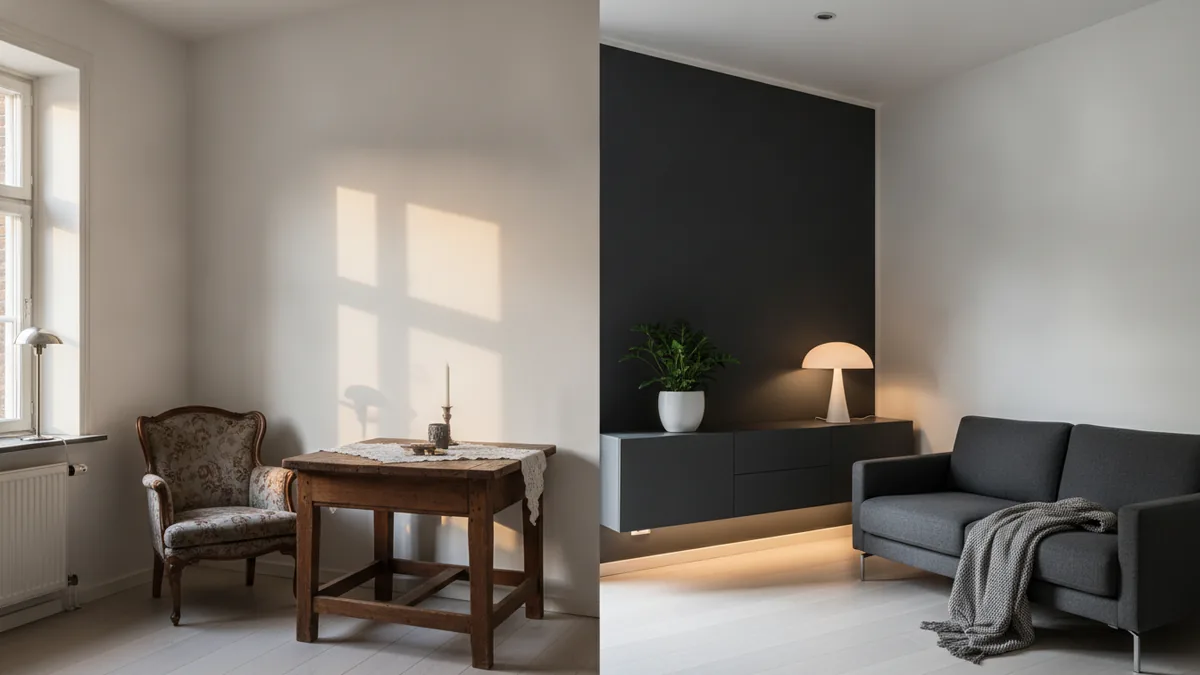
Layered lighting is one of the most effective strategies for visual space. A single overhead fixture tends to create deep shadows in corners. Those shadows shrink the room by making every recess feel smaller.
To create depth, mix light sources at different heights and distances. Use ambient lighting for overall brightness, task lighting near activities, and accent lighting to highlight textures or artwork. This approach also complements natural light by filling in darker areas.
Try aiming for three layers in each zone. For example, use a dimmable ceiling light, a floor or table lamp beside seating, and a small wall sconce to wash the wall. You get a soft gradient instead of hard pools of light.
- Ambient: ceiling fixture with diffused coverage.
- Task: lamp for reading or a desk area.
- Accent: uplight, picture light, or LED strip behind decor.
Also check bulb color temperature. Many people find 2700K to 3000K comfortable for living spaces. If the room stays dim, raise brightness slightly instead of switching to very cool blue bulbs, which can feel harsh.
Using mirrors to add depth without adding clutter
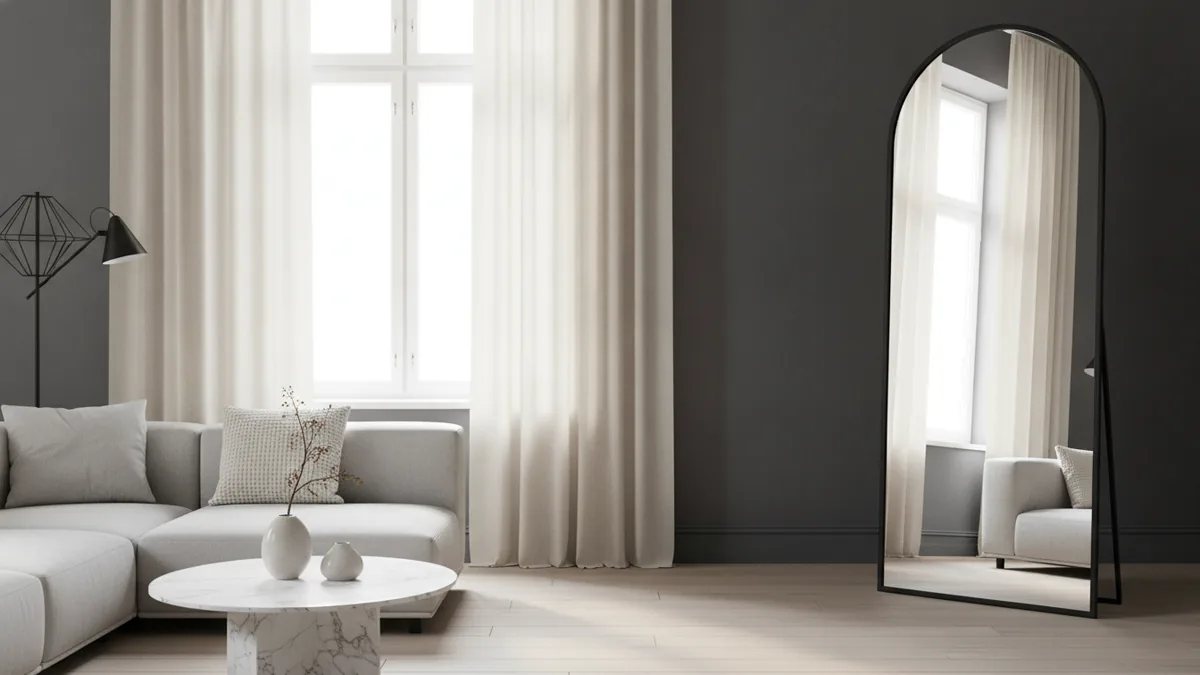
If you want how to make room appear bigger, mirrors are a dependable tool. Mirrored surfaces can reflect light and double parts of the room. That effect works best when the reflection shows something bright and simple.
A classic placement is across from a window. The mirror bounces natural light back into the room and increases the sense of reach. If you do not have a window, place a mirror where it reflects a lamp or a light-colored wall.
Choose a mirror with a slim frame or one that matches the room’s tones. A thick, dark frame can create a noticeable “object” boundary. That boundary can fight the airy feeling you are building.
- Place mirrors opposite the strongest light source.
- Keep reflections uncluttered and visually light.
- Use vertical mirrors to draw the eye up.
For smaller rooms, consider one large mirror rather than many small ones. One clean reflection often looks calmer than a patchwork of reflections.
Furniture arrangement tips that keep floor space open
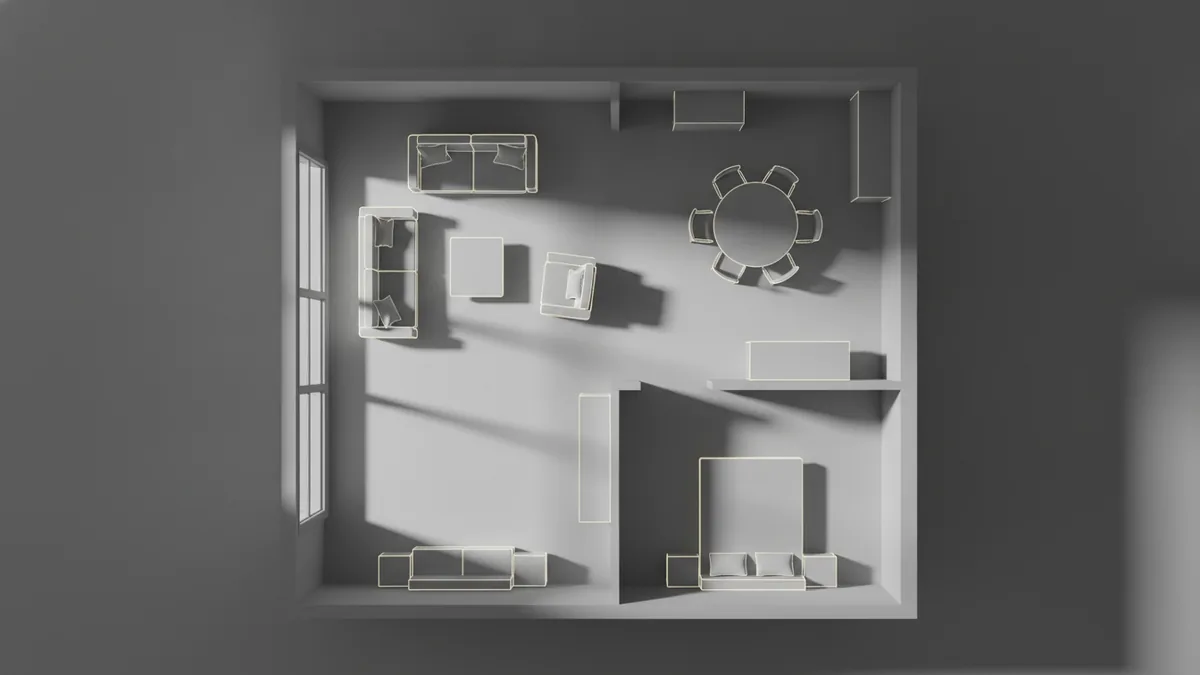
Layout is where how to make a small room appear larger becomes real. Start by preserving walking paths and keeping the center clear when possible. Multifunctional furniture helps you do more without filling every corner.
For example, swap a bulky coffee table for a nesting set. Or use a storage ottoman that can serve as seating. These moves reduce the “footprint” of visual blocks and keep the room flexible.
When arranging furniture, think in sight lines. If you can, position the largest pieces so they do not break the view from entry to window. This helps the room feel continuous, similar to open floor plans.
- Float key pieces slightly off the wall to soften the perimeter.
- Choose furniture with exposed legs to reveal floor area.
- Use slender profiles for side tables and chairs.
Another helpful move is to anchor furniture with a rug that fits the room’s scale. In tight spaces, a rug that is too small can make the floor look chopped. A larger rug can visually expand the room boundaries.
Decluttering for openness and a calmer visual rhythm
Decluttering is crucial for how to make a room appear bigger. A small room feels smaller when surfaces are busy and every item competes for attention. Even if you use the right colors, clutter creates contrast and visual noise.
Focus on surfaces first. Clear your entry table, nightstands, and shelves. In many rooms, removing just 20 to 30 percent of visible items makes a noticeable difference.
Then organize by category and function. Use closed storage for items you use less often, like extra linens or seasonal decor. Keep daily-use items in one or two zones so the room stays calm.
- Remove items from countertops and open shelving.
- Group leftovers into one labeled bin or cabinet.
- Use one display area for decor, not five small ones.
- Match storage tones to the room palette.
This strategy supports visual space. It also improves how your lighting lands, because fewer objects block light-reflective colors.
Accessories and decor that use vertical space wisely
Vertical space utilization is a smart way to make your room appear bigger. When the eye travels upward, the room feels taller and less boxed in. You can do this with tall furniture, floor-to-ceiling curtains, and shelves that rise instead of spread.
Choose curtains that reach close to the ceiling. Keep them fuller, not thin and tightly stretched. This creates height and softens the boundary between wall and ceiling.
For storage, swap a low shelf for a tall bookcase. Even if you do not need extra storage, a tall unit provides shape and draws attention up. Add a few items on top shelves to avoid a crowded look.
- Hang art higher than you think, aiming near eye level for the main piece.
- Use tall planters and slim floor decor for height.
- Prefer fewer, larger decor pieces over many small ones.
Finally, remember that mirrors and lighting can work together with vertical elements. A tall mirror near a light source amplifies the height effect. A layered lighting setup with uplights can wash walls and make the ceiling feel brighter.
Note: Your prompt mentioned “why do spiders appear in my room.” If that is a concern, the design steps above still help. Clear clutter, seal small entry gaps, and reduce outdoor debris near windows. If you need pest help, follow local guidance and consider professional service for persistent infestations.
Frequently asked questions
- What colors make a small room look bigger?
- Light whites, pastels, and light grays often make walls feel farther away. Sticking to one color family across walls, trim, and ceiling keeps the space airy.
- How do layered lighting techniques make a room feel larger?
- Mix ambient, task, and accent lighting to create smooth brightness. This reduces harsh shadows in corners, which otherwise shrink the room.
- Where should I place a mirror to make my room appear bigger?
- Place it across from a window when possible. If you do not have a window view, reflect a bright lamp or a light wall instead.
- What furniture arrangement helps when a room is small?
- Keep sight lines open and preserve walking paths. Choose pieces with exposed legs and use multifunctional furniture to reduce clutter.
- Does decluttering really help how to make a room appear bigger?
- Yes. Visual noise from items on surfaces adds contrast and makes boundaries feel closer. Clear countertops and reduce open-shelf clutter for a calmer look.
- How can vertical space utilization help a small room feel bigger?
- Use tall shelves, floor-to-ceiling curtains, and upright decor. Drawing the eye upward boosts perceived ceiling height and openness.
Related reading
Room Painting Costs — What Shapes Your Quote
Room painting often costs $200–$1,000. See what drives the price and how to compare quotes.
Kitchen Cabinet Tops — Style, Texture and Seasonal Charm
Style cabinet tops with balanced layers, useful texture, and decor that suits your kitchen.
Couch Placement—Flow, Focus and Comfort
Place your couch to frame a focal point, keep paths clear, and make the room feel balanced.