How to Light a Room With No Overhead Lighting
No overhead lights? Use floor, table, sconces, natural light, and mirrors for layered illumination.
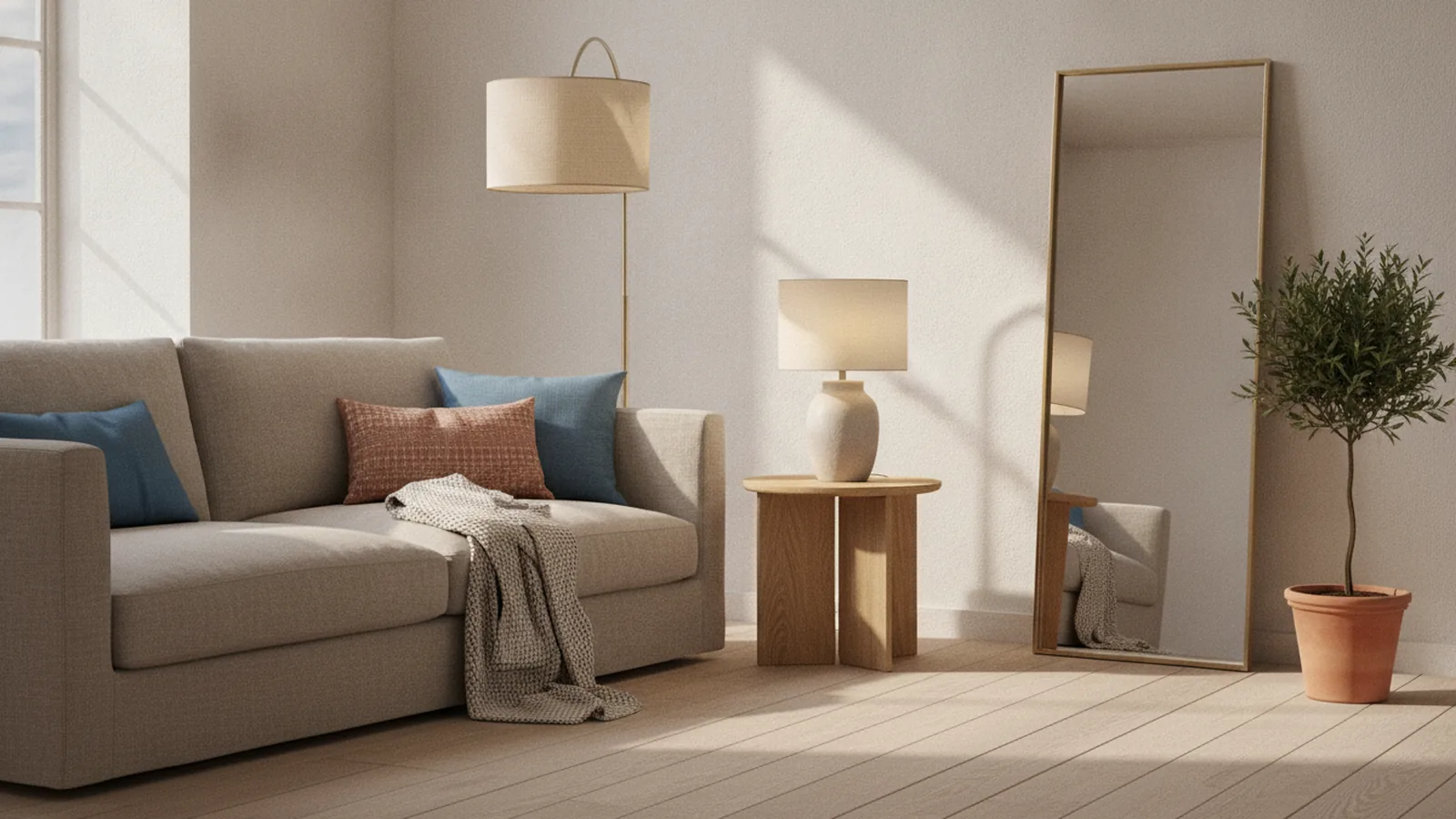
How to light a room with no overhead lighting starts with one idea: stack multiple light sources at different heights. You’ll get better comfort, fewer shadows, and a more “intentional” look. This guide walks through practical illumination techniques using floor lamps, table lamps, wall sconces, and natural light.
You’ll also learn how to light up a room with no overhead lighting by matching lighting fixtures to the room’s purpose. A dining setup needs softer glow and better task visibility than a hallway. Once you pick the job, choosing the right lamps becomes much easier.
Understanding Room Lighting Needs
Before shopping, decide what the room must do. Purpose drives light levels, beam angles, and placement. For example, a living room needs relaxed ambient lighting, plus task lighting for reading. A dining room needs warm ambient lighting and clear light on the table.
Next, map your activities to lighting types. Ambient lighting fills the space so it feels even and calm. Task lighting focuses on specific work areas like a chair, desk, or cutting surface. Accent lighting adds contrast for features such as art, a shelf, or a fireplace.
Finally, check the room’s constraints. Low ceilings can make high placement harder, so you’ll rely more on floor and wall-mounted fixtures. Dark corners usually need extra reflectors, like lampshades with lighter tones. If the room has only one window, you can still build a full lighting plan around it.
- Identify the main activity first (relaxing, eating, reading, cooking).
- Plan for ambient, task, and accent lighting separately.
- Note where shadows fall from furniture and tall lamps.
Using Floor Lamps Effectively
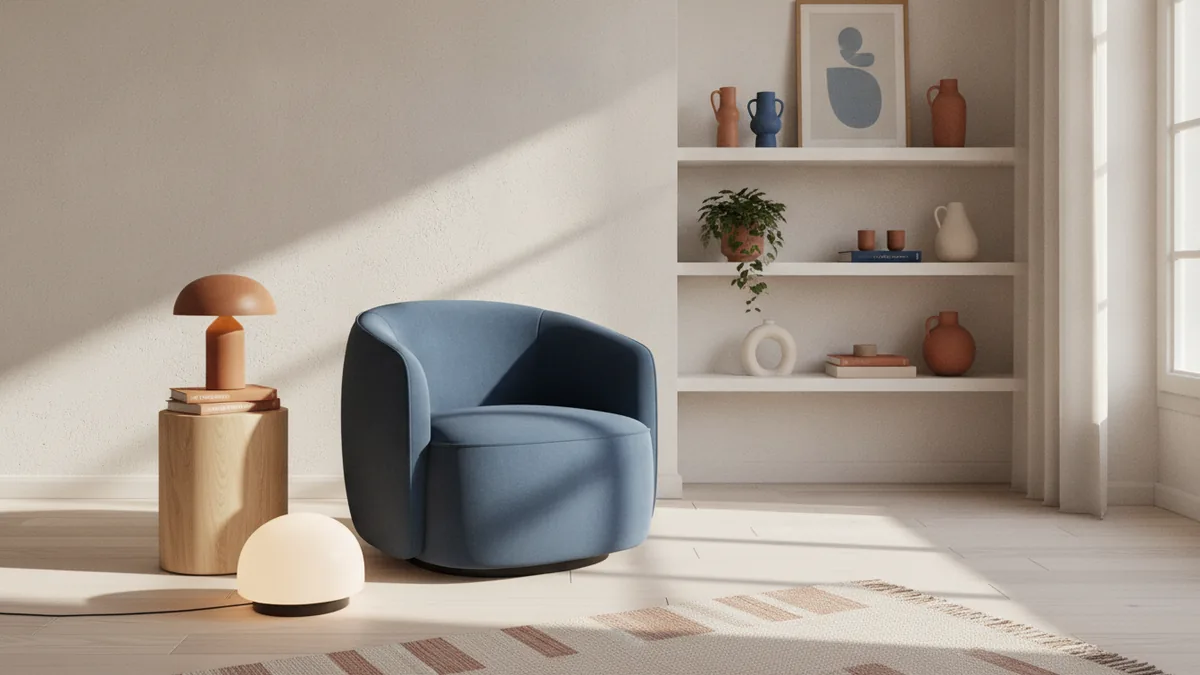
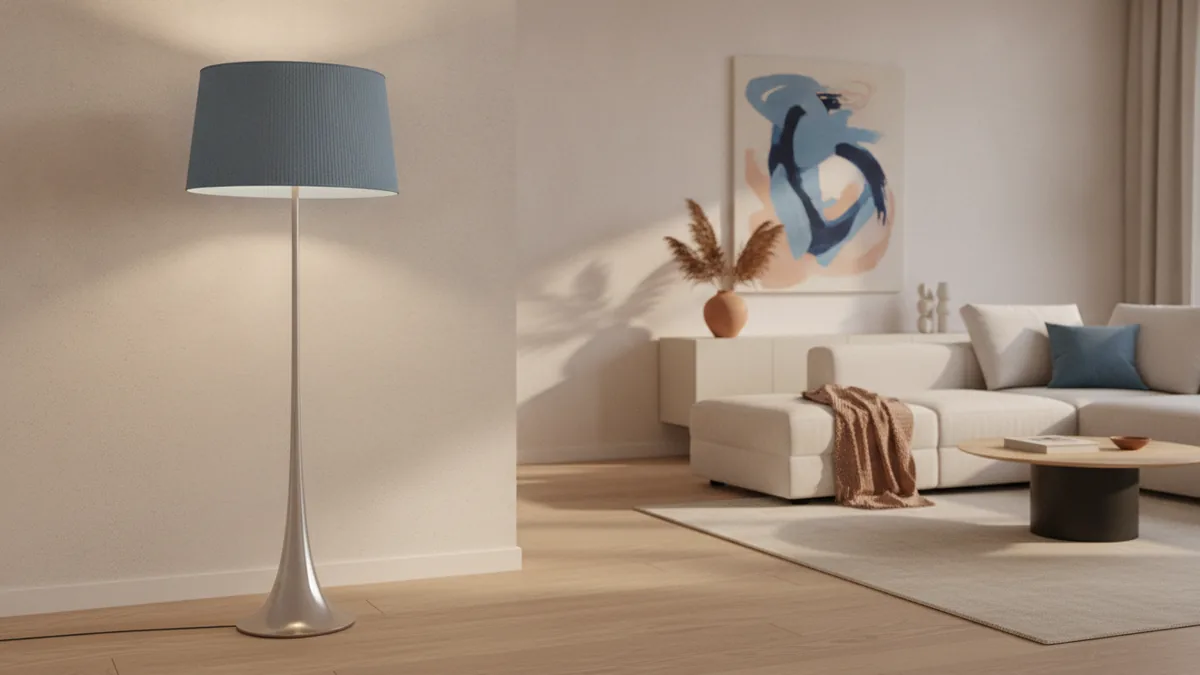
Floor lamps are often the best starting point when you’re learning how to light a room with floor lamps. They create broad ambient lighting and reduce the “dark wall” look that happens when only one lamp runs. A good rule is to place the lamp where it can wash light across a wall, not just toward the floor.
Choose a style that fits the decor. A linen shade gives a gentle glow, while a metal shade can add crisp direction. If the room feels small, select slimmer silhouettes and shades that stay close to vertical lines. For traditional spaces, a tripod or arched lamp reads classic. For modern spaces, a simple pole lamp with a diffused shade often looks best.
For placement, think about height and angle. Use a taller lamp to lift light above seated heads, especially in living and dining areas. Aim for a shade height that centers around eye level when seated. If you’re placing it behind a sofa, angle it slightly so it lights the far wall.
If you’re tackling how to light a dining room without overhead lighting, use floor lamps to create a soft “room tone.” Place one near a corner or beside a sideboard, then add table lighting over the table. That keeps the dining area warm without glare.
- Pick an ambient floor lamp with a diffused shade.
- Place it to light a wall or large surface.
- Adjust shade height so seated heads do not block light.
- Use warm bulbs around 2700K to 3000K for comfort.
Incorporating Table and Desk Lamps
Table and desk lamps deliver task lighting and fine-tune the mood. They’re also how you improve readability after sunset, even in a room without overhead sources. In practice, you’ll place them where you need clear light, like a reading chair, side table, or desk corner.
When learning how to light up a room with no overhead lighting, don’t underestimate how lamp placement reduces shadows. Put one lamp on each “activity side” of seating. For a sofa, that may mean a lamp on the left and right side tables. For a desk, place the lamp so the light hits the work surface, not your eyes.
Pick the right brightness and shade. If the task is reading, use a bulb and shade combo that allows directional light. If you want a soft atmosphere, choose a wider shade that scatters light. Dimmers help here. They let you shift from bright task visibility to evening comfort without swapping bulbs.
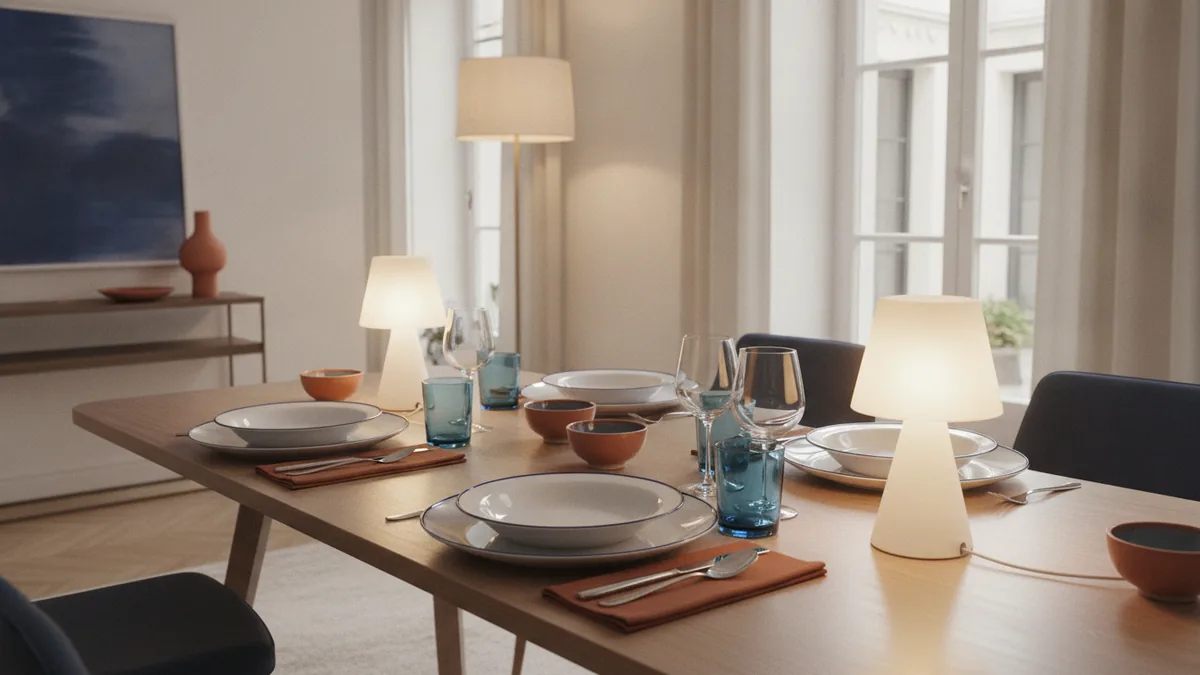
For a dining table, table lamps can work like a gentle halo when overhead is off-limits. Keep the light low enough to feel intimate, but not so low that it shines directly into faces. In many homes, two small lamps or one lamp plus a floor lamp near the buffet hits the sweet spot.
- Use task lighting where eyes focus: seats, desks, and dining tables.
- Place lamps on both sides of seating to reduce uneven shadows.
- Choose shade type based on glow vs direction.
- Add dimmers if you want control across the day.
Utilizing Wall Sconces
Wall sconces save floor space and create stable, flattering light. They’re especially useful when you need more illumination but don’t want to add another lamp stand. Sconces also support lighting design by highlighting specific areas like a hallway wall, a mantel, or artwork.
Good sconce placement matters more than people expect. Aim for a height that centers the light source around eye level for standing views, then confirm it works from seated positions. For dining, sconces can add ambient lighting without washing the table too harshly. You can also use sconces to frame a doorway so the space feels bigger.
Consider how the light is aimed. Upward and downward fixtures can add layered light when paired with floor lamps. If sconces are the main ambient layer in a corner, choose shades that diffuse well. For accent lighting, use directional heads to graze the wall and bring out texture.
When you plan how to light a room without overhead lighting, sconces act as a “bridge” between floor lamps and lamps on tables. They fill gaps that floor lamps miss, especially near walls.
| Room area | Best use | Placement idea |
|---|---|---|
| Hallway | Ambient + guidance | Space along walls to avoid dark stretches |
| Artwork or shelf | Accent lighting | Target at eye level, adjust for glare |
| Dining zone | Soft ambient tone | Keep beams off faces and down toward walls |
Exploring Natural Light Options
Natural light helps you start with brighter days and makes evenings feel more balanced. If you’re asking how to light a room with no overhead lighting, treat windows as a built-in light source. Then you’ll supplement what the window can’t cover after dark.
Use sheer curtains to soften daylight without blocking it. Heavy drapes can look cozy, but they often trap too much darkness during late hours. If privacy matters, choose layered sheers with blackout panels on tracks. That gives you a switch between airy daytime and darker nights.
Strategic furniture placement also changes the result. Keep large items, like bookcases and sofas, slightly away from the window when possible. If you must place furniture against it, use reflective surfaces in the room to bounce light deeper. Even small changes can improve how far daylight reaches.
Finally, plan your lighting design so it matches the natural direction. If morning light comes from one side, place lamps on the opposite side in the evening to reduce flatness. This is a subtle step in illumination techniques that makes rooms feel “designed,” not patched.
- Use sheer curtains to spread daylight.
- Move tall furniture slightly to keep light moving.
- Match evening lamp placement to window direction.
- Supplement after dark so brightness feels even.
Creative Use of Mirrors and Reflective Surfaces
Mirrors are one of the quickest ways to create the illusion of more light. They reflect existing illumination and visually expand a room. This directly helps with how to light up a room with no overhead lighting, because mirrors brighten corners without adding fixtures.
Place a mirror where it can “catch” lamp light. For example, mount it across from a floor lamp so the reflected light fills the dark side. Choose frames that fit your decor. A slim frame feels modern, while a decorative frame can add warmth in traditional spaces.
Reflective surfaces work alongside mirrors. Glossy ceramics, glass vases, and metallic lamp bases can bounce light around. Even a light-colored wall or ceiling helps, because it reflects more than dark paint. If you’re choosing between two lamps, pick the one with a brighter shade interior for better diffusion.
Be mindful of glare. If a mirror reflects the brightest part of a lamp straight into eyes, adjust the angle or add a diffuser shade. The goal is bounce and softness, not spotlighting.
- Find the darkest corner or flattest wall.
- Place a mirror to reflect a lamp or window.
- Use light colors and reflective accents to boost bounce.
- Check glare from seated eye level.
Tips for Layering Light Sources
The key to how to light a room without overhead lighting is layering. Instead of one bright lamp, you’ll use several sources at different heights and distances. This creates ambient lighting that feels even, task lighting that works for activities, and accent lighting that adds depth.
Start with ambient lighting. Add one floor lamp or wall sconce to set the overall glow. Then add task lighting where your eyes need it, like table lamps for reading or dining. Finish with accent lighting to guide attention toward art, shelves, or architectural features.
Use bulbs and shades to unify the look. Aim for consistent color temperature across lamps to avoid a patchwork feel. Warm bulbs also make evening spaces more inviting. If you use different lamp styles, keep the shade colors similar to tie the scheme together.
Controls make layering easier. A dimmer for table lamps helps you dial in mood without changing fixtures. If your lamps are on separate plugs, consider smart switches so you can adjust scenes with one command. This is especially helpful for dining, where you may want brighter light while serving and softer light while chatting.
- Layer sources: ambient first, then task, then accent.
- Keep color temperature consistent across lamps.
- Use dimmers to shift mood for dining and relaxing.
- Place lamps to reduce shadows on faces and work surfaces.
Quick checklist for a no-overhead setup
If you want a fast way to review your plan, look for three things. First, you should see light reaching the far wall, not just pooling near the lamp. Second, task areas should feel bright enough for their job. Third, you should have at least one source that adds contrast to make features stand out.
For how to light a dining room without overhead lighting, start with soft ambient from a floor lamp. Add table lamps for tasks at the dining surface. Then use a mirror or wall sconce to lift brightness to surrounding walls.
That combination turns a hard constraint into a design opportunity. Your room will feel warmer, more flexible, and easier to live with.
Frequently asked questions
- How do I light a room with no overhead lighting?
- Use layered light sources: ambient from floor lamps or sconces, task lighting from table lamps, and accent lighting for features. Place lamps to reduce shadows on faces and work surfaces.
- What is the best way to light a dining room without overhead lighting?
- Start with soft ambient from a floor lamp or wall sconce. Add low table lamps or a focused lamp to illuminate the table without glare.
- How to light a room with floor lamps when walls look dark?
- Aim the floor lamp to wash light across a wall instead of only lighting the floor. Add reflective surfaces or a mirror to bounce light into corners.
- How do I light up a room with no overhead lighting in a small space?
- Choose diffused shades and place lamps at different heights. Use mirrors to expand perceived space and add sconces if floor space is tight.
- Where should I place wall sconces if there are no overhead lights?
- Center the light around eye level, then check the view from seated positions. If using accent lighting, adjust the angle to avoid glare.
- Do mirrors really help when I’m trying to light a room without overhead lighting?
- Yes. Mirrors can reflect window or lamp light into darker areas, improving brightness without adding more fixtures.
Related reading
Room Painting Costs — What Shapes Your Quote
Room painting often costs $200–$1,000. See what drives the price and how to compare quotes.
Kitchen Cabinet Tops — Style, Texture and Seasonal Charm
Style cabinet tops with balanced layers, useful texture, and decor that suits your kitchen.
Couch Placement—Flow, Focus and Comfort
Place your couch to frame a focal point, keep paths clear, and make the room feel balanced.