What Color Temperature for Kitchen Lighting Should You Choose?
Pick warm for coziness, neutral for balance, cool for tasks. Use Kelvin tips for each kitchen zone.
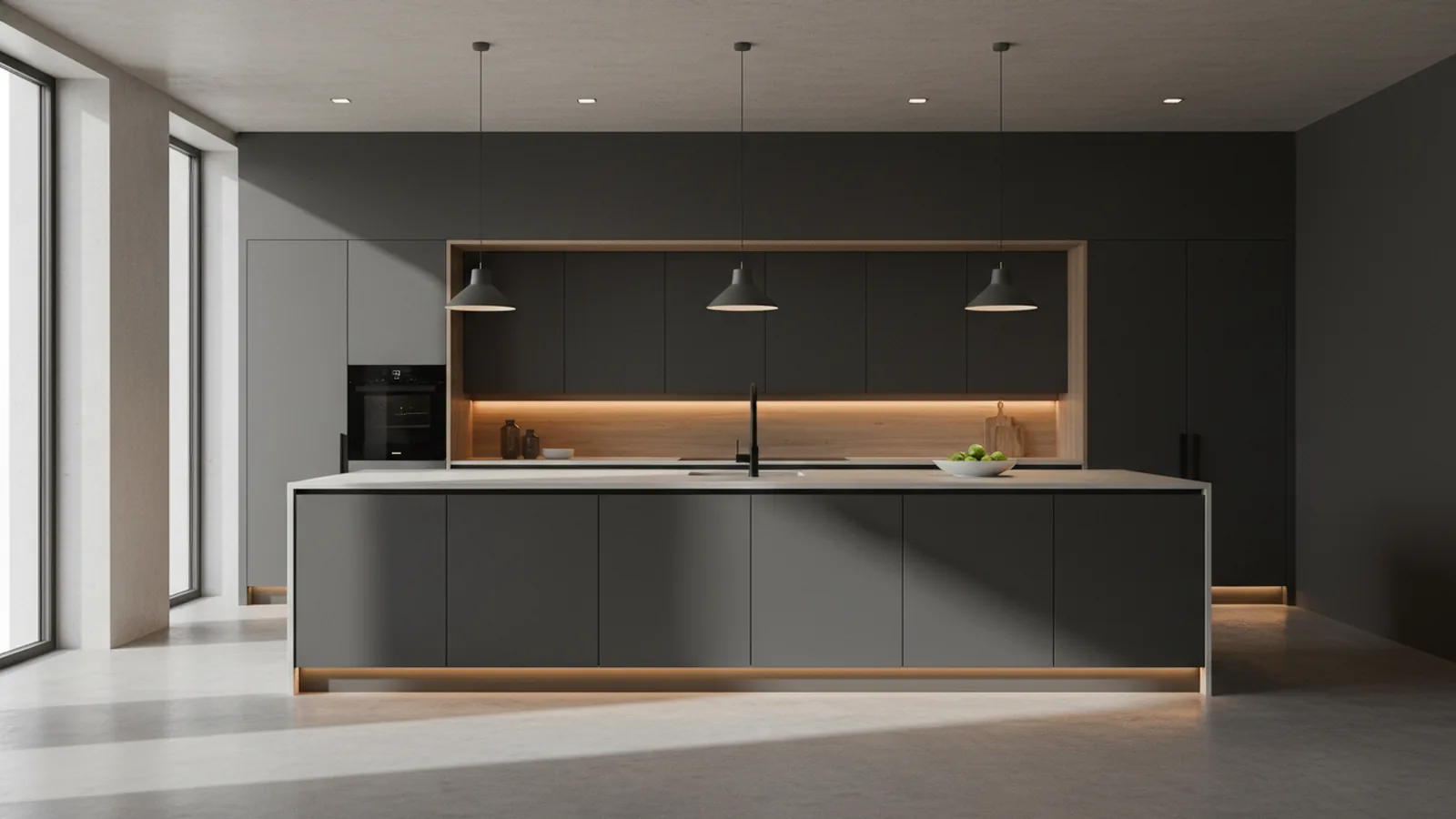
Understanding color temperature in lighting
For most kitchens, the best starting point is neutral white for general use, plus warmer light near dining. If you are asking, “what color temperature for kitchen,” think in Kelvin (K). Lower Kelvin values look warmer and more yellow. Higher values look cooler and more blue.
Color temperature is typically described as a range from about 2700K to 3000K for warm light. Neutral white is often around 3500K. Cooler tones sit from about 4000K to 5000K, which can feel bright and crisp. You will usually see kitchen lighting color temperature options like 2700K, 3000K, 3500K, 4000K, and sometimes 5000K.
Warm white (about 2700K to 3000K) creates a cozy atmosphere. It softens shadows and makes surfaces feel inviting. Cool white (about 3500K to 5000K) enhances visibility and clarity. That can help when you chop, measure, or clean.
- Warm: ~2700K–3000K
- Neutral: ~3500K–4100K
- Cool: ~4000K–5000K
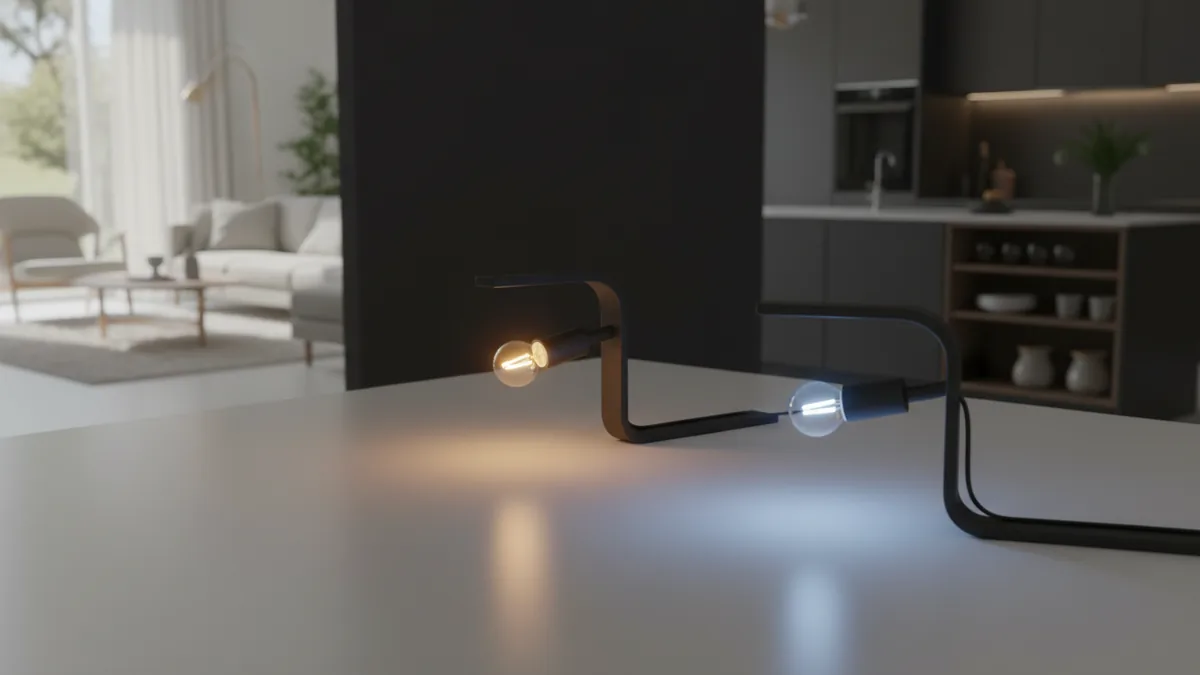
Ideal color temperatures for kitchen areas
Kitchens are not one lighting scene. They mix prep work, cooking heat, clean-up, and casual meals. That is why color temperature for kitchen areas should change by kitchen zone lighting needs. The goal is comfort where you relax, and clarity where you work.
Start with the zone you will spend the most time in. For general use, neutral light is usually the most forgiving choice. It keeps colors closer to what you expect, without the sharp look of high Kelvin bulbs.
For dining areas, use warmer temperatures. A cozy dining atmosphere matters more than maximum glare reduction. For task lighting near counters, go closer to cool or bright neutral. That is where bright task areas help you see edges, labels, and food textures.
| Kitchen zone | Recommended Kelvin | Why it helps |
|---|---|---|
| Dining nook or breakfast table | 2700K–3000K | Warmth feels welcoming and less harsh |
| General kitchen lighting | 3500K–4100K | Balanced look for everyday activities |
| Countertops, sink, stove tasks | 4000K–5000K | Better clarity for prep and cleaning |
| Under-cabinet accent and glow | 3000K–4000K | Shows detail without looking too clinical |
One practical kitchen lighting tip: match the color temperature of bulbs in the same fixture group. If two lights in view use different Kelvin ratings, the room can look “patchy.” That effect becomes more noticeable on glossy tiles and light countertops.
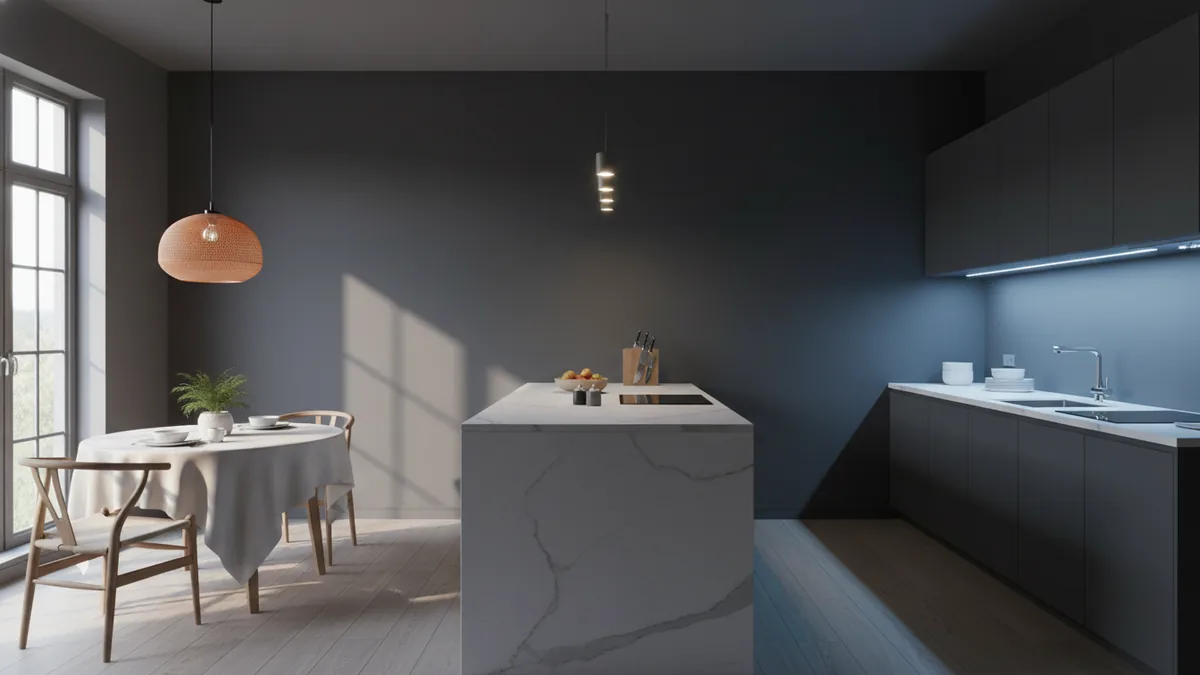
Choosing the right type of kitchen lighting
Color temperature matters, but the fixture type matters just as much. Ambient lighting sets the overall tone in the kitchen. Task lighting improves accuracy and safety during cooking and cleanup. Accent lighting adds depth, highlights textures, and can make the space feel more designed.
For ambient lighting, many kitchens do well with recessed lights, ceiling fixtures, or semi-flush mounts. Use neutral or warm-neutral for the ceiling layer. It keeps the kitchen from feeling too blue when you are not working.
For task lighting, pick sources that land light where your eyes are focused. Under-cabinet lights, pendant lights over an island, and adjustable fixtures near the sink are common. Choose a higher Kelvin bulb for kitchen lighting color temperature here, because visibility is the point.
LED bulbs are usually the best option overall. They offer energy efficiency, long life, and consistent color output. LEDs also come in many Kelvin ratings, which makes kitchen zone lighting easier to plan. When you shop, consider lumens too, since brightness affects how warm or cool light feels.
- Pick ambient: neutral white for comfort.
- Pick tasks: brighter neutral or cool for clarity.
- Add accents: warmer tones for shape and comfort.
- Confirm brightness: check lumens, not only Kelvin.
Also watch for glare. Kitchens often have shiny floors, light stone, or glossy cabinet doors. A cool bulb can increase glare if the fixture does not control the beam. If you notice harsh reflections, use a different diffuser or lower the task light angle.
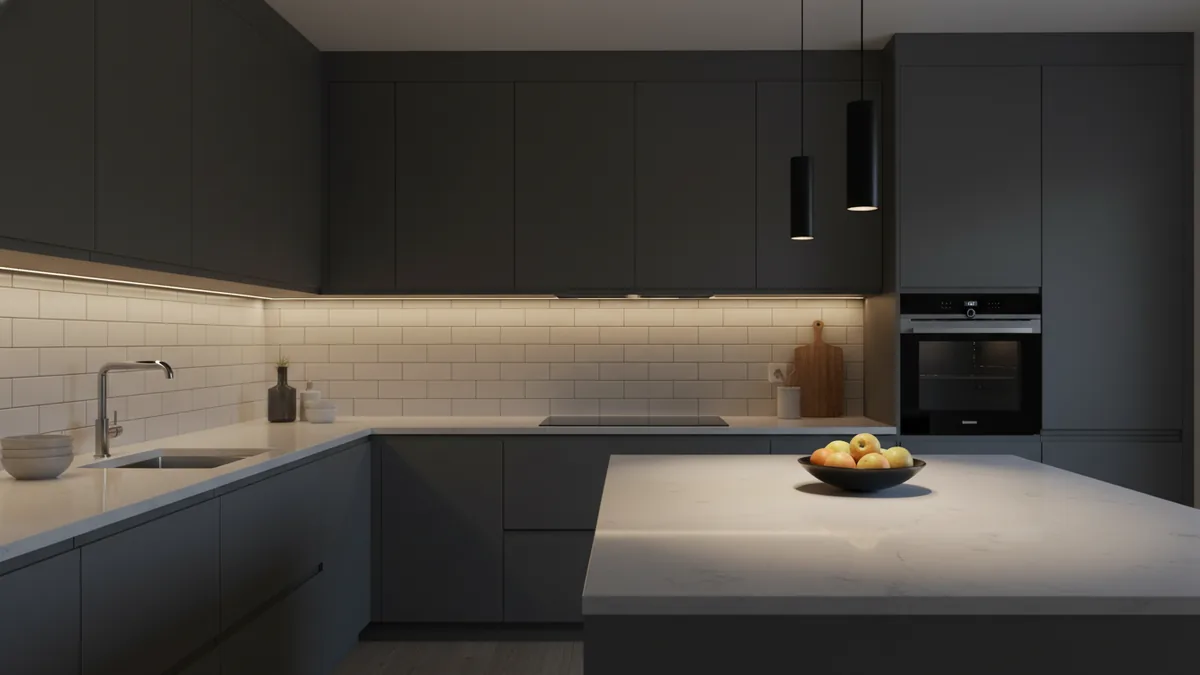
Effects of color temperature on mood
Color temperature affects how warm the space feels, and how “clean” or “clinical” it looks. Warm white light often feels calm and cozy. Cool white light can feel energizing and precise, especially near food prep.
In practice, kitchens shift moods throughout the day. Morning prep can handle cooler tones, because you want crisp visibility. Evening cooking and casual meals often feel better with warmer light. That is the difference between “working light” and “living light.”
Natural light effects can also change your results. If your kitchen gets strong afternoon sun, your artificial lights may look cooler than expected. If your kitchen has mostly north-facing windows, artificial light can carry more warmth or color drift. The same 4000K bulb can read differently in each space.
Tip: test bulbs at different times of day, not just at noon.
One more mood factor is how bulbs render colors. Warmer light can make whites look creamier. Cooler light can make whites appear more blue and can make some produce look less lively. If you care about food color and makeup-like accuracy for plating, prefer neutral ranges for the main layer.
- 2700K–3000K: cozy, soft, and flattering for dining
- 3500K–4100K: balanced and natural for general use
- 4000K–5000K: clear and high-contrast for tasks
Layered lighting approaches for kitchens
The most effective kitchen lighting design uses layers. Layered lighting combines ambient lighting, task lighting, and accent lighting so you can adjust the feel. It also solves a common problem with “one Kelvin everywhere” setups. You can keep the room comfortable while still seeing well over counters.
A typical layered plan works like this. Ambient lights set the baseline in the whole kitchen. Task lighting adds focused brightness at prep zones. Accent lighting adds warmth or sparkle at sightlines, like under cabinets or inside a glass-front niche.
Use dimmers when you can. Dimming reduces brightness and makes cool light feel less intense. It can also help you shift from morning visibility to evening comfort without swapping bulbs.
- Ambient: neutral white ceiling lights for a steady baseline.
- Tasks: bright neutral or cool under-cabinet lighting.
- Accents: warmer LED strips for depth and style.
- Controls: dimmers or separate switches per layer.
If you want a simple “best color temperature for kitchen lighting” rule, start with 3500K–4100K for ambient. Then move up to 4000K–5000K for task zones. Use 2700K–3000K for dining. That approach keeps the kitchen functional without sacrificing comfort.
Finally, consider what you see in mirrors and glass. If the kitchen has a reflective backsplash, cool tones can exaggerate shadows. If it has deep wood and warm cabinetry, warm-neutral ambient can make the whole space feel cohesive.
Energy efficiency in kitchen lighting choices
Energy-efficient lighting is easier than ever, mainly because LED bulbs waste far less power as heat. They also keep a stable color over their life. That matters for kitchen lighting tips, because inconsistent output can shift perceived Kelvin as bulbs age.
When you choose LEDs, focus on two numbers: lumens and color temperature. Lumens tell you brightness. Kelvin tells you the tone. You want enough lumens for task work without turning the kitchen into a glare box.
As a starting point, kitchens usually need brighter task lighting than ambient lighting. Under-cabinet fixtures and islands often require higher lumens because they only cover part of the room. Ambient layers can stay moderate, since they support a comfortable viewing level.
- Use LEDs for long life and lower energy use.
- Use lumens to size brightness for each fixture.
- Choose Kelvin by zone for the right mood and clarity.
- Control lighting with switches or dimmers.
If you are also planning adjacent rooms, note that color temperature recommendations often differ. The “best color temperature for bathroom” and “best color temperature for bedroom” can vary based on how you want the space to feel. Bedrooms commonly lean warmer for wind-down, and bathrooms often want brighter neutral for grooming tasks. Kitchens sit between those needs: visibility for food work and warmth for daily living.
In a real kitchen upgrade, you can often see a big improvement quickly. Swap bulbs first, then adjust placement and layers. Then test color temperature in your kitchen at morning and evening. That gives you the results you want, not the results you guess.
Frequently asked questions
- What color temperature for kitchen lighting should I choose for everyday use?
- Use neutral white around 3500K to 4100K for most general kitchen lighting. It feels bright without turning the space too blue.
- What is the best color temperature for kitchen lighting over counters?
- Choose 4000K to 5000K for task lighting on counters. It improves clarity while you chop, measure, and clean.
- Should I use warm or cool light above a kitchen dining table?
- Use warm white around 2700K to 3000K. It creates a cozy dining atmosphere and softer shadows for meals.
- How does natural light affect kitchen lighting color temperature?
- Natural light can make LEDs look warmer or cooler than they do in a showroom. Test bulbs at different times, especially morning and evening.
- What color temperature is best for bathroom vs kitchen?
- Bathrooms often favor brighter neutral or cool for grooming tasks. Kitchens usually mix neutral for ambient with warmer dining and cooler task zones.
- What color temperature is best for bedroom vs kitchen?
- Bedrooms typically lean warmer to support wind-down. Kitchens need more neutral and cooler light for visibility during daily tasks.
Related reading
Couch Placement — Comfort, Flow, and Style
Arrange couches for easy movement, good conversation, and a balanced room.
Small Kitchen Design — Light, Space and Smart Storage
Use light, smart storage, and slim furnishings to make a small kitchen feel more open.
Living Room Paint — Measurements and Buying Tips
Measure your walls, count coats, and buy the right amount of living room paint.